


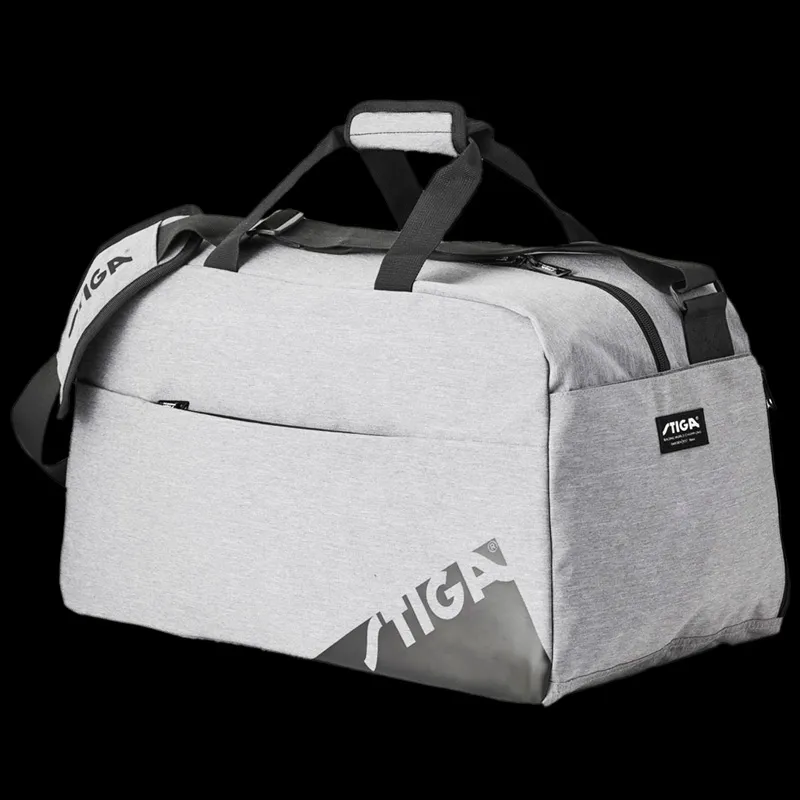
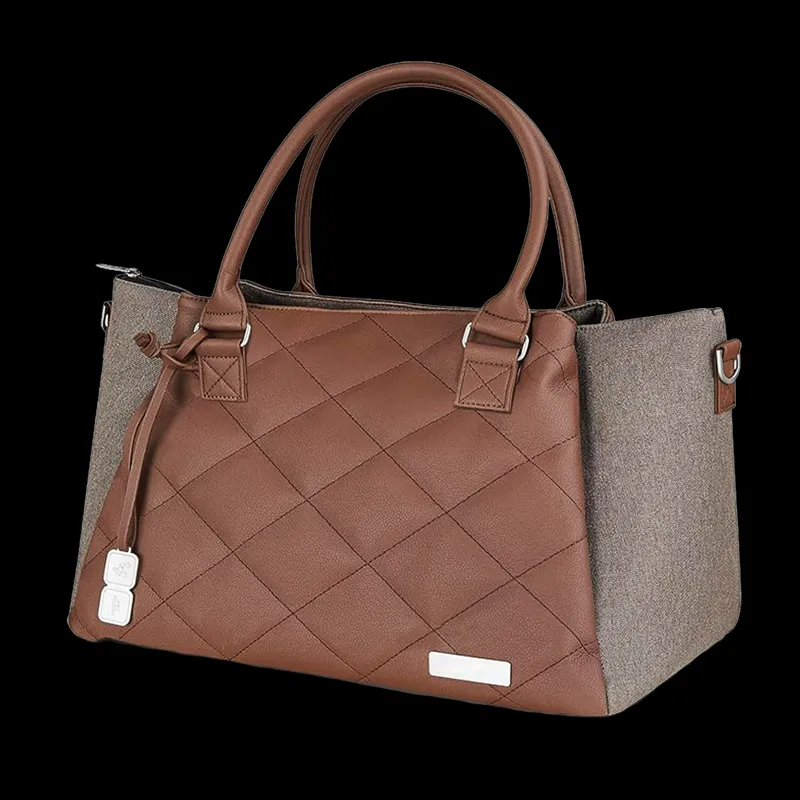
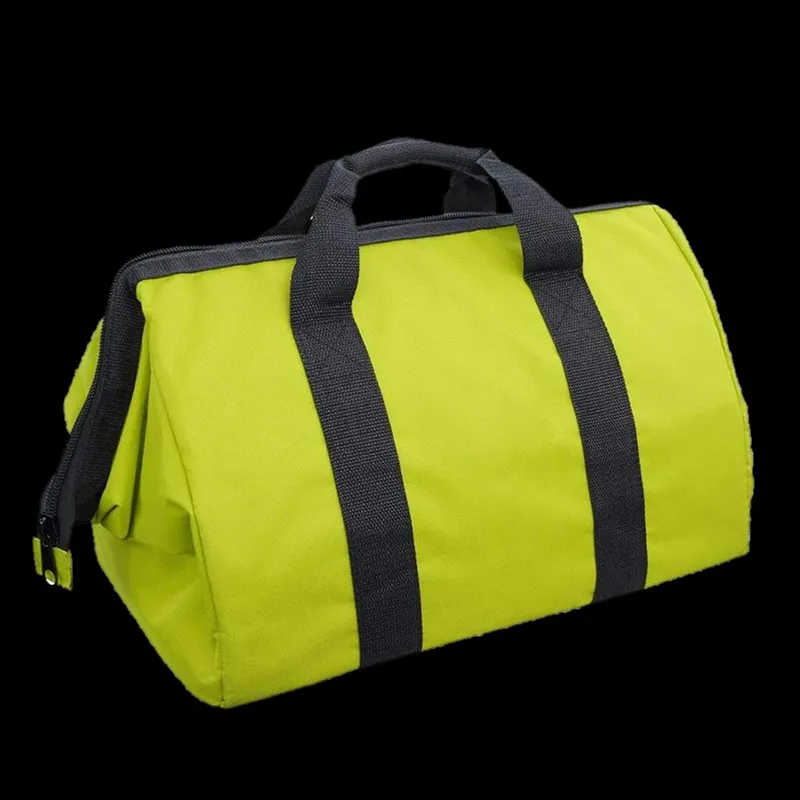

Choosing a sport bag supplier is one of the most important decisions for brands planning to scale in the fitness, travel, outdoor, or active lifestyle markets. While pricing often dominates early discussions, experienced procurement teams understand that successful long-term sourcing depends on much more than competitive quotations. Production capability, material expertise, quality consistency, communication efficiency, and export experience all play critical roles in determining whether a supplier can support large-scale growth.
As demand for sport bag wholesale solutions continues to increase worldwide, buyers are under greater pressure to identify manufacturing partners capable of delivering reliable quality while maintaining stable lead times and scalable production capacity. A supplier that performs well with small sample orders may struggle when production volumes increase, creating risks that directly impact inventory planning, customer satisfaction, and brand reputation. This guide explores the key areas brands should evaluate before committing to large-scale production with a sport bag supplier.
Understand Whether the Supplier Is a Trader or a Factory
One of the first questions buyers should answer is whether they are dealing directly with a manufacturer or with a trading company. Trading companies can provide sourcing convenience and access to multiple product categories, but they often have limited control over production scheduling, technical development, and quality management. Communication can become slower because information must pass through additional layers before reaching the factory floor.
A professional sport bag manufacturer typically offers greater transparency throughout the development process. Buyers can discuss technical requirements directly with engineers, review production capabilities, and receive more accurate feedback regarding feasibility, lead times, and material selection.
For large-scale projects involving wholesale sports bags, direct factory communication often reduces misunderstandings and improves development efficiency.
Evaluate Technical Manufacturing Capabilities
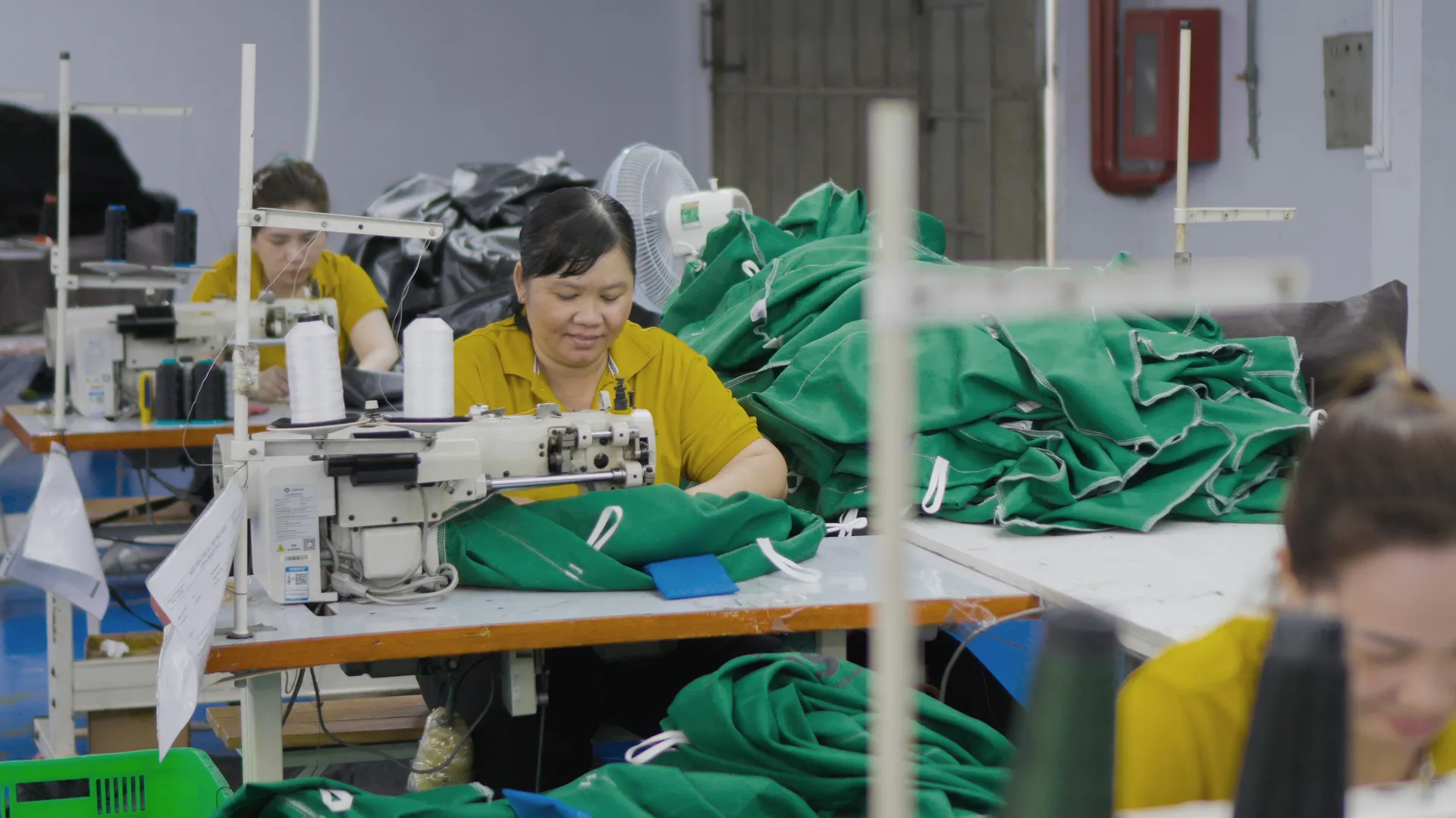
Technical manufacturing capability is often the first factor that separates a professional sport bag supplier from factories that only produce basic sewn products. Sports bags operate under significantly more demanding conditions than many other categories of soft goods. They are frequently overloaded, exposed to moisture, transported over long distances, and subjected to repeated impact during daily use. As a result, structural failure usually occurs at stress concentration areas such as shoulder strap joints, handle attachment points, zipper ends, and base panels.
Evaluate Technical Manufacturing Capabilities
For large-scale production programs, buyers should look beyond sample appearance and evaluate whether the factory possesses the engineering capability required to manufacture load-bearing products consistently. Reinforced bartack stitching, multi-layer panel construction, webbing integration, and structured support systems are not simply product features — they are indicators of manufacturing maturity.
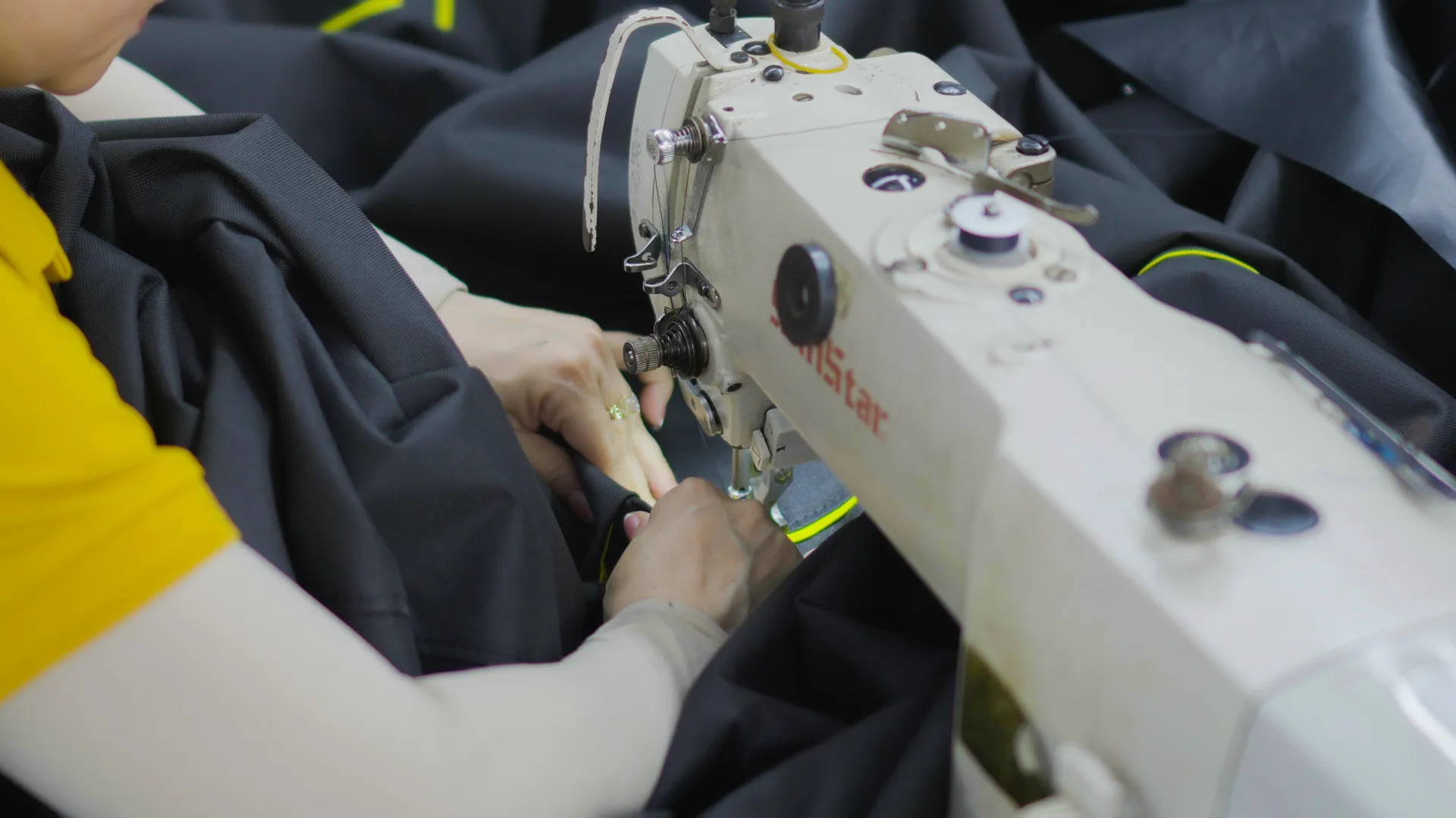
Factories serving premium sports and outdoor brands typically invest in specialized sewing equipment capable of handling thick laminated materials, multiple fabric layers, and reinforced assemblies. Industrial machines for heavy-duty stitching, automated bartack operations, and webbing reinforcement can significantly improve both durability and production consistency.
This becomes particularly important for products such as duffel bags, team equipment bags, training bags, and bulk sports bags, where failure rates increase rapidly if manufacturing tolerances are not tightly controlled. A factory that performs well with lightweight promotional products may not necessarily possess the technical expertise required for high-performance sports products.
Assess Material Sourcing Capabilities
For many buyers, material selection is viewed primarily as a design decision. In reality, material sourcing capability is often one of the strongest indicators of supply chain stability and long-term manufacturing reliability.
The performance of a sports bag is heavily influenced by material quality long after it leaves the factory floor. Abrasion resistance, color fastness, coating durability, waterproof performance, and zipper longevity all contribute directly to customer satisfaction and repeat purchase rates. Even minor inconsistencies in fabric batches or hardware quality can generate significant warranty costs when products are distributed internationally.
Experienced sport bag suppliers typically maintain established sourcing relationships with multiple fabric mills and component vendors rather than relying on spot purchasing. This allows them to maintain consistency across production batches and minimize disruptions caused by material shortages or fluctuating lead times.
Material continuity becomes particularly important for brands planning seasonal collections or multi-year product programs. A supplier capable of producing an excellent sample today may become a sourcing risk if identical materials cannot be secured for future production runs.
Global brands often evaluate not only the materials currently being proposed but also the factory’s ability to guarantee availability for future reorder programs. This level of supply chain visibility becomes increasingly important as order volumes increase.
Review Experience Across Different Sports Categories
One of the most common sourcing mistakes is assuming that all sports bags require similar manufacturing expertise. In reality, different market segments create very different engineering requirements.
Gym bags often prioritize ventilation systems, shoe separation compartments, and wet-and-dry storage solutions designed for everyday training environments. Outdoor products place greater emphasis on weather resistance, abrasion performance, and ergonomic carrying systems suitable for extended use. Team sports bags frequently require larger storage volumes and reinforced structures capable of carrying helmets, footwear, and protective equipment.
Travel-oriented sports products introduce another layer of complexity by combining organizational features with mobility requirements, airline compatibility, and business-oriented aesthetics.
A supplier that has experience across multiple categories generally demonstrates stronger product development capabilities and greater engineering flexibility. Factories already producing wholesale sports backpacks, travel backpacks, and performance carry systems often possess broader technical knowledge that can support future product diversification.
For brands planning long-term growth, this flexibility can become a significant competitive advantage. Many successful sports brands eventually expand beyond gym bags into backpacks, travel products, and technical carry collections. Working with a supplier capable of supporting that evolution reduces sourcing complexity and shortens development timelines.
Verify Production Capacity Before Scaling
Production capacity is often misunderstood as a simple question of monthly output volume. In practice, scalability involves a much broader set of operational capabilities.
Many suppliers can successfully complete pilot orders of several hundred pieces while encountering serious challenges once order volumes increase. Production bottlenecks frequently appear during seasonal peaks when factories compete for labor, materials, and machine availability. Delayed shipments, inconsistent quality, and subcontracting become increasingly common when capacity planning is inadequate.
Global brands therefore tend to evaluate production systems rather than production numbers alone. Factors such as line balancing, workforce retention, production scheduling systems, and supplier diversification often provide a more accurate picture of manufacturing resilience.
Factories serving international sport bag wholesale programs usually operate with formal production planning procedures designed to manage fluctuating demand patterns. Material procurement schedules, production milestones, and contingency plans are integrated into broader supply chain management systems that reduce operational risk.
This becomes especially important for brands supplying retail chains or operating across multiple geographic markets where delays can result in missed seasonal selling windows and significant revenue losses.
Examine Quality Control Procedures
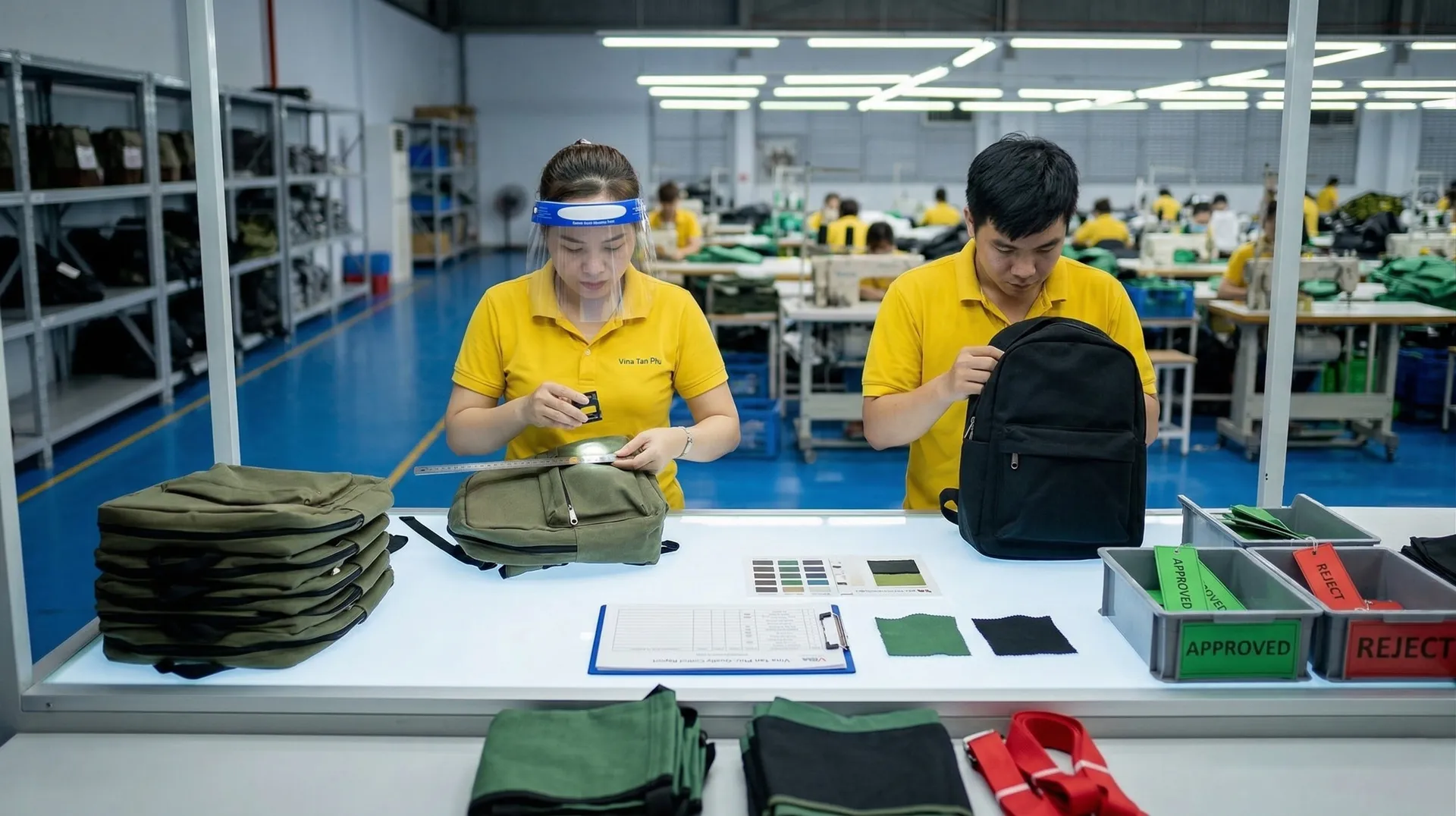
One of the clearest differences between professional manufacturers and inexperienced suppliers lies in how they approach quality management. Factories that rely solely on final inspections often discover defects only after the majority of production has already been completed. By that stage, corrective action becomes expensive and production schedules may already be affected.
Examine Quality Control Procedures
Export-oriented manufacturers instead implement quality control as a continuous process that begins before production starts and continues until products are loaded into shipping containers.
Incoming material inspections verify color consistency, coating performance, and component specifications before raw materials enter production. In-line inspections identify sewing defects, dimensional deviations, and assembly errors before they propagate through multiple production stages. Final inspections focus on functionality, appearance, packaging accuracy, and shipment readiness.
For international buyers, the existence of these systems often matters more than any individual inspection result. Well-structured quality management processes indicate organizational maturity and significantly reduce the probability of large-scale production failures.


BOLA BAG's BLOG YOU MAY ALSO BE INTERESTED IN
How to Find the Right Custom Backpack Manufacturers in 2026
Vietnam Wholesale Sports Backpacks Supplier for International Markets
How to Cooperate with a Custom Tool Kit Bags Manufacturer