


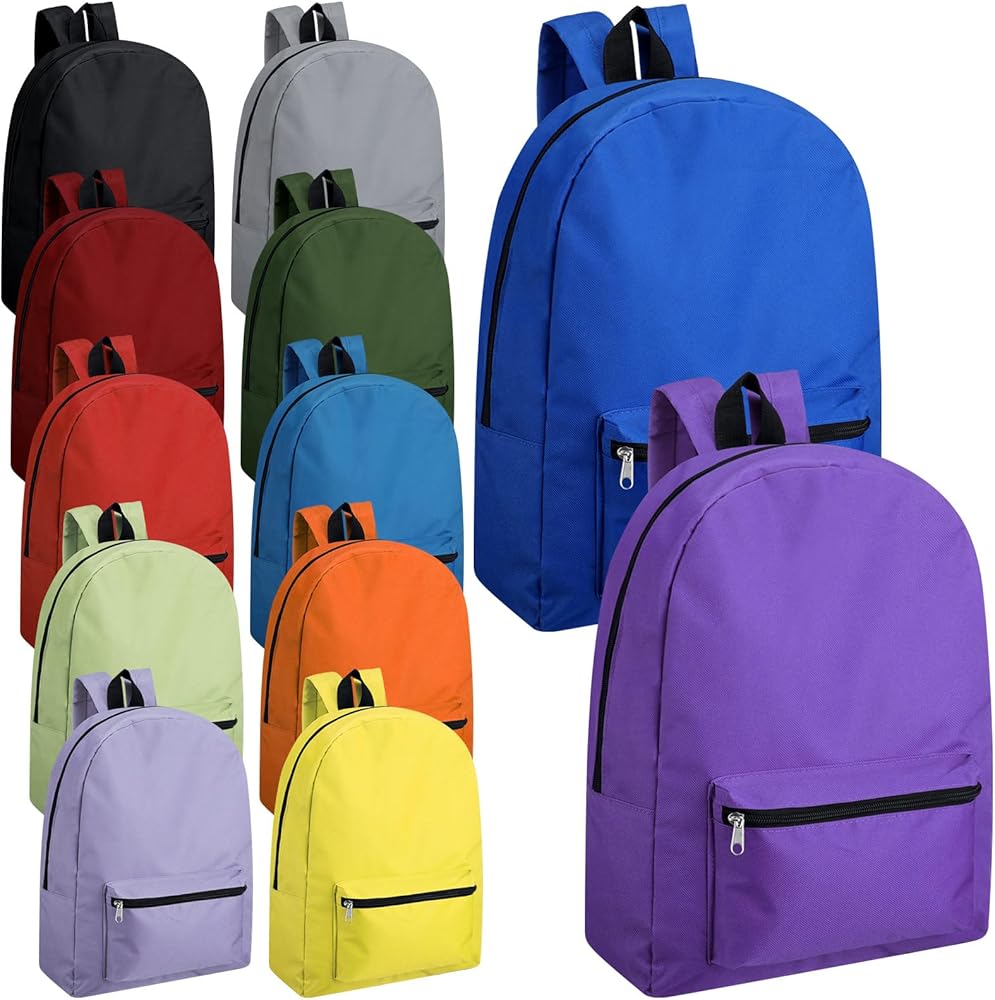
The demand for bookbags in bulk continues to grow as schools, educational distributors, retailers, non-profit organizations, and promotional buyers seek reliable solutions for large-scale programs and long-term supply needs. Modern bookbags are expected to deliver much more than basic storage capacity. Today’s students and end users require products that combine durability, ergonomic comfort, organized compartments, and long-lasting performance to withstand daily use in demanding environments.
For organizations sourcing bookbags in large quantities, manufacturing capability and product consistency are critical considerations. Factors such as reinforced stitching, durable fabrics, padded shoulder straps, and strict quality control directly impact customer satisfaction and product lifespan. By partnering with manufacturers that offer OEM capabilities and export-ready production systems, buyers can develop customized bookbags that align with branding requirements, educational programs, and regional market expectations. In this article, we explore how OEM manufacturing solutions help businesses and institutions source high-quality bookbags in bulk while improving supply chain efficiency and long-term value.
The advantages of sourcing bulk bookbags from Vietnam
Vietnam has emerged as a premier hub for high-precision manufacturing, offering significant stability for brands looking to purchase bookbags in bulk. The country provides a sophisticated environment that balances cost-efficiency with high technical standards, making it an ideal destination for international procurement. Brands seeking to scale operations find that the local infrastructure supports both small batch development and massive production runs seamlessly.
Superior quality control standards
High-quality management systems allow factories here to maintain strict output tolerances, ensuring that every product meets specified requirements. This attention to detail differentiates the regional output from more basic manufacturing alternatives.
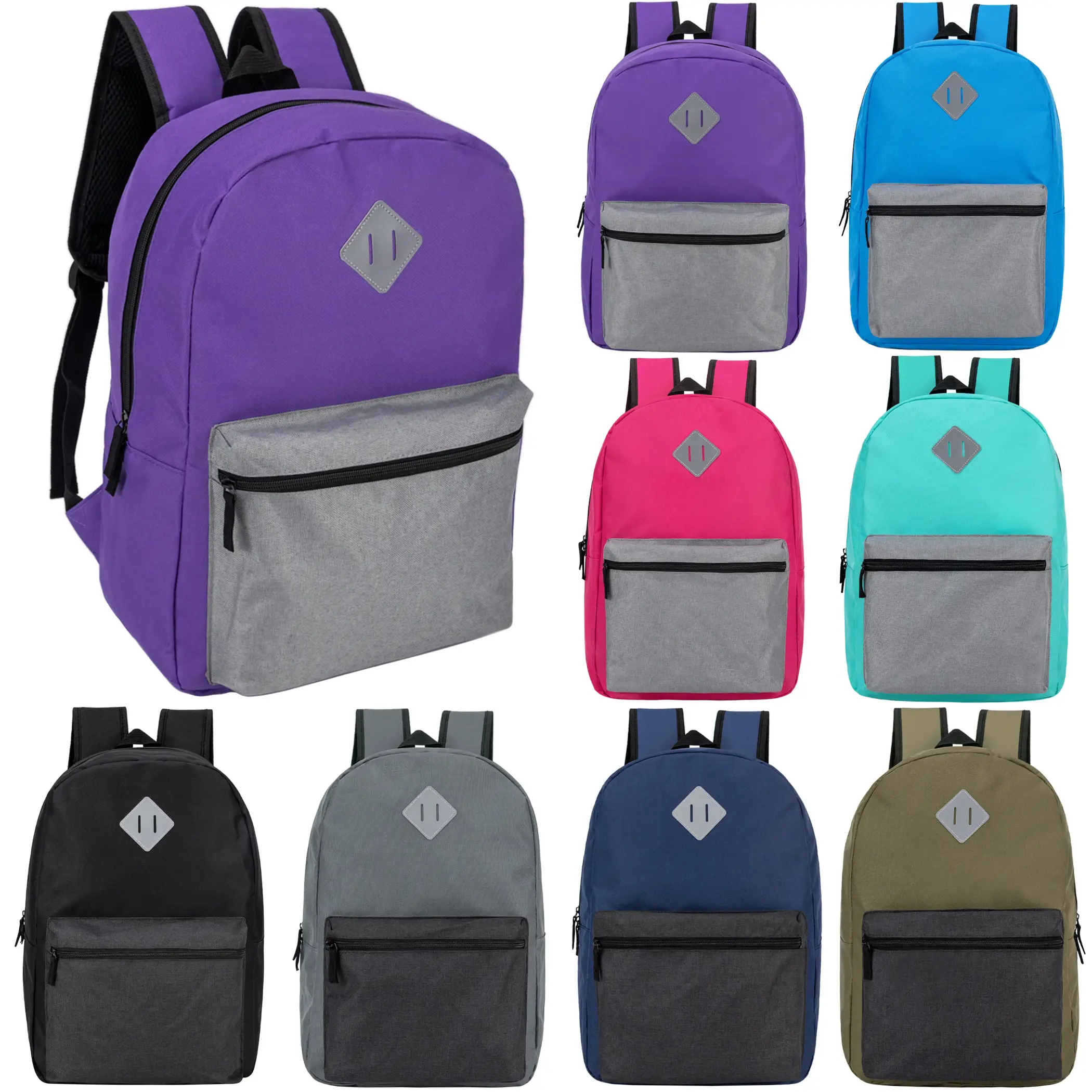
Superior quality control standards
Competitive labor and production cost benefits
Regional labor frameworks provide a distinct advantage for brands aiming to optimize their margins while retaining quality components. When businesses find reliable manufacturing partners, they effectively manage operational costs without sacrificing product longevity.
Strategic proximity to global supply chains
Being positioned near major maritime trade routes enables factories to transition raw materials into finished goods rapidly. This location strategic logistics planning minimizes lead times for shipments destined for US and European markets.
Sustainability and ethical manufacturing practices
Commitment to corporate social responsibility ensures that production environments prioritize worker well-being and environmental compliance. This transparency is increasingly vital for brands that must align with global social status benchmarks regarding ethical production.
Understanding the OEM and ODM manufacturing process
Turning a conceptual design into a finished, retail-ready product involves several rigorous steps that verify the viability of the original request. Effective OEM and ODM solutions require deep collaboration between the brand owner and the engineering team. By utilizing technical inventory tracking methods, factories ensure that every stage of development is documented and audit-ready.
The importance of tech pack feasibility
Every production run begins with an exhaustive review of technical documentation to identify potential friction points. Experienced engineering teams analyze material stress points, seam construction, and assembly viability long before a single bolt of fabric is cut.
Stages of precision prototyping
Prototyping serves as the physical proof of concept, allowing stakeholders to test form and function. This phase is critical to ensure that the final product behaves predictably under real-world usage scenarios.
Implementing stress testing for long-term endurance
Laboratory tests evaluate the resilience of zippers, straps, and internal fabric reinforcements. Only by verifying these tolerances can manufacturers promise the level of reliability required for high-end yachting equipment or heavy-duty travel gear.
Navigating intellectual property protection
Protecting proprietary designs requires secure data handling and clear confidentiality protocols during every stage of the lifecycle. Maintaining integrity within the factory walls ensures that innovation remains exclusively with the commissioning brand.
Customizing your bookbags in bulk order
Tailoring a product to fit specific functional or aesthetic goals requires a deep bench of design experts and material sourcing capabilities. When clients seek to develop unique bag configurations, they benefit from a consultative approach that emphasizes usability and marketability. Through real estate portfolio optimization, brands can sometimes find creative ways to leverage floor space, but in manufacturing, the focus remains on the product itself.
Material selection for durability and performance
Choosing the right substrate, whether ballistic nylon or sustainable recycled fabrics, dictates the end-user experience. Selecting high-denier materials ensures that your inventory can withstand the rigors of daily travel and long-term storage.
Incorporating ergonomic design features
User comfort is achieved through careful attention to load distribution and strap architecture. Our design process includes:
- Optimized weight-bearing padding for shoulder straps
- Aerodynamic airflow channels on back panels
- Adjustable sternum clips for load stability
- Reinforced handle ergonomics for ease of lifting
Branding techniques for professional visuals
To ensure consistent brand visibility, we provide a variety of high-quality application methods including precision embroidery, heat transfer, and embossed logos. The following table highlights common customization options based on project requirements:
| Customization Type | Best For | Application Method |
|---|---|---|
| Logo Embroidery | Premium Branding | High-Density Stitching |
| Sublimation Print | Complex Patterns | Heat Fusion Process |
| Custom Hardware | Unique Product Identity | Molded Metal Components |
Hardware and component specification options
Beyond the fabric, the hardware determines the functional lifespan of the bag. Selecting top-tier YKK zippers and reinforced plastic buckles adds significant value to the final retail proposition.
Scaling production for international brands
International brands often face complex challenges regarding volume and consistency as they expand their reach into new markets. Managing these fluctuations requires a factory that treats capacity planning as an exact science rather than a suggestion. By utilizing established wholesale backpack providers, brands can leverage existing distribution channels while keeping manufacturing outputs aligned with demand.
Capacity planning for high-volume requirements
Effective planning accounts for seasonal peaks without ever compromising the 1:1 ratio of quality control checks. Advanced manufacturing teams coordinate raw material intake schedules to ensure machines rarely sit idle.
Compliance with international export regulations
Meeting the stringent standards for materials and safety in various regions is non-negotiable. Experienced teams ensure all documentation for regional ports is accurate and pre-vetted.
Streamlining logistics and global supply chain management
Efficient flow of goods relies on tight integration between warehouse logistics and carrier scheduling. This reduces holding costs and ensures that distribution centers are never under-stocked during high-demand windows.
Consistency across multi-batch production runs
Maintaining the same quality in the ten-thousandth unit as the first requires standardized assembly jigs and constant line supervision. This prevents batch-to-batch variation that can damage a brand’s hard-earned market reputation.
Why dedicated bag manufacturers outperform general garment factories
Specialization allows for a depth of knowledge that generalists simply cannot mirror when producing heavy-duty equipment. When looking at the technical engineering involved in backpacks, it is clear that specialized soft goods require specific machinery and training. A factory that understands load-bearing dynamics will always provide a more reliable product than one built for fast-fashion garment assembly.
Technical engineering versus basic assembly
Bag production involves complex geometries that require specialized software and experienced pattern makers. Basic light-garment assembly machines lack the torque and needle strength required for heavy-duty reinforcement protocols.
Specialized machinery for heavy-duty reinforcement
Equipment such as programmable bar-tacking machines and ultrasonic cutting tools are essential for modern bag building. These tools ensure that every stress point is built to last beyond the expected product warranty period.
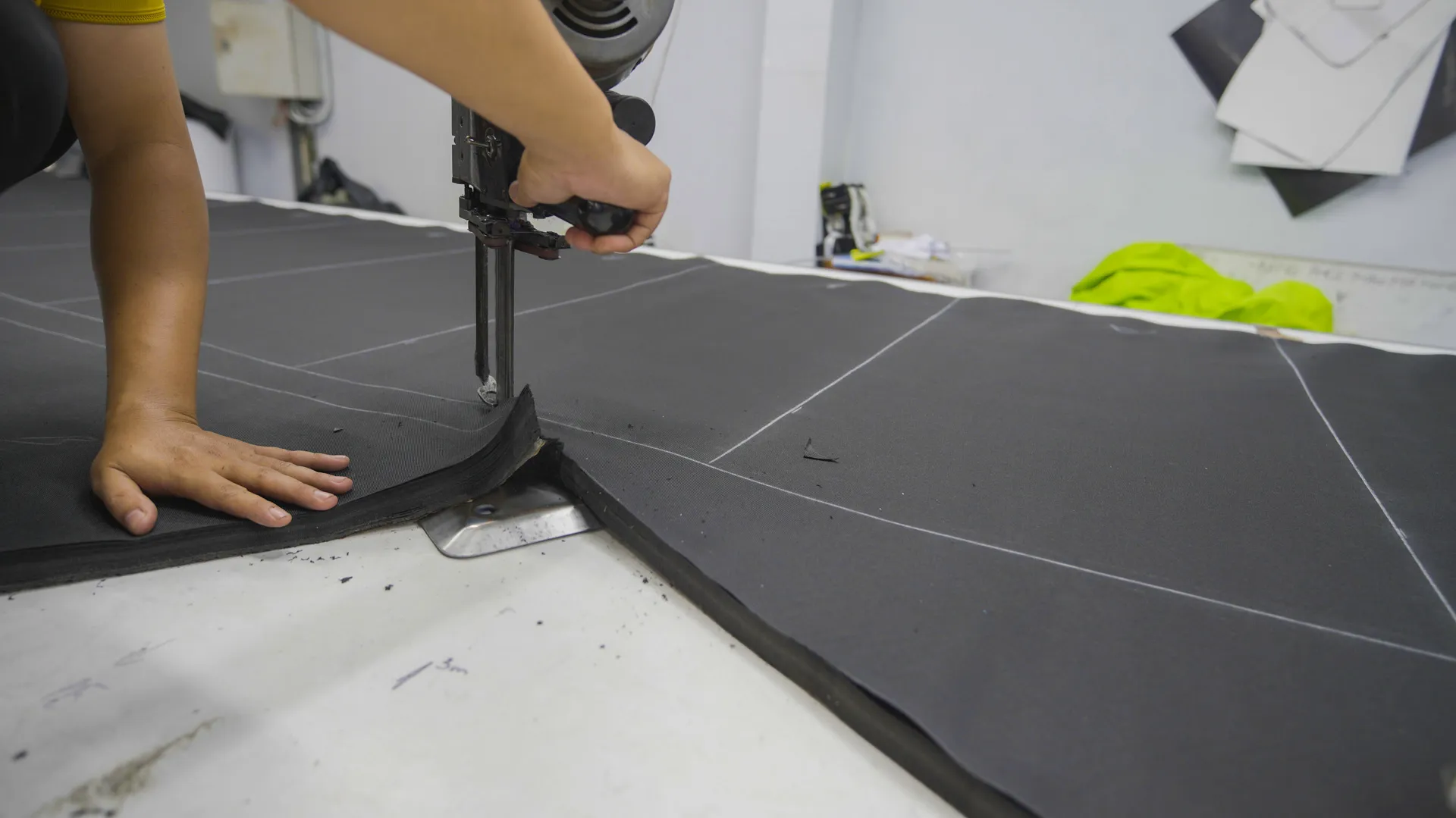
Specialized machinery for heavy-duty reinforcement
Expertise in high-performance textile applications
Dealing with seam-sealing, waterproof coatings, and heat-welded seams requires specific technical training. The team must understand how different materials behave under tension to prevent premature failure in the field.
Designing for end-user reliability and utility
Ultimately, a bag is only as good as its ability to protect the contents within. By engineering for the realities of the user’s daily environment, designers create products that build long-term brand loyalty.
Partner with Bola Bag for Bookbags in Bulk Manufacturing
As a specialized Vietnam-based manufacturing partner, Bola Bag focuses on transparency and precision at every stage of the journey. Our mission is to transform complex technical requirements into refined, high-performance soft goods that exceed international market standards. We value the collaborative process, listening closely to ensure every prototype perfectly reflects the initial design vision of your brand.
Collaborative communication and project management
We provide frequent updates and clear, actionable feedback to ensure your team is always informed of production progress. This proactive communication style helps prevent potential roadblocks before they impact your timelines.
Transparency throughout the manufacturing lifecycle
Visibility into our factory floors and quality review processes is a cornerstone of our partnership promise. You will always understand the status, quality metrics, and material origins for every unit produced.
Building long-term strategic production partnerships
We don’t just want to be a supplier; we aim to be a fundamental part of your brand’s growth strategy. As your product lines evolve, we adapt our engineering processes to continue meeting your changing requirements for volume and feature density.
Accessing high-precision industrial soft goods engineering
Leveraging our deep expertise in material science and mechanical construction provides you with a definitive edge in the competitive bag market. We look forward to finalizing your next production run with technical perfection.
Conclusion
Selecting the right factory to produce your inventory is a pivotal decision that impacts product endurance and brand consistency. By partnering with experts who understand the nuances of engineering and high-volume output in Vietnam, you ensure every item shipped meets the high standards your customers expect.
Read more: Export Standard Mini Canvas Bags Bulk for Wholesale Buyers


BOLA BAG's BLOG YOU MAY ALSO BE INTERESTED IN
Scale Your Bulk Orders with Reliable Wholesale Backpack Manufacturers
How to Start a Backpack Company: A Step-by-Step Guide for Founders
Finding a Canvas Bag Supplier for Long-Term Business Growth