


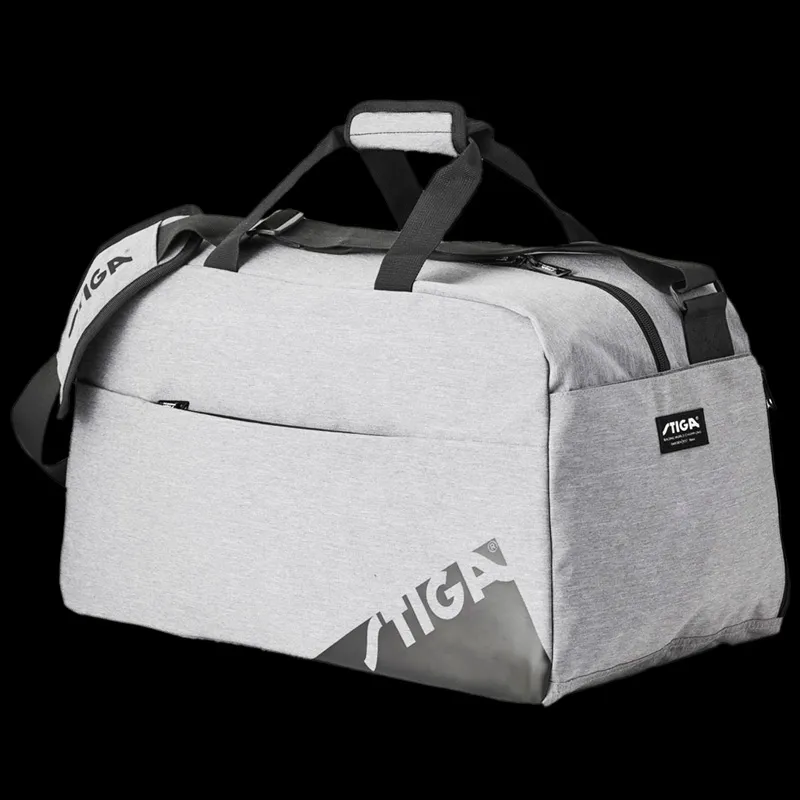
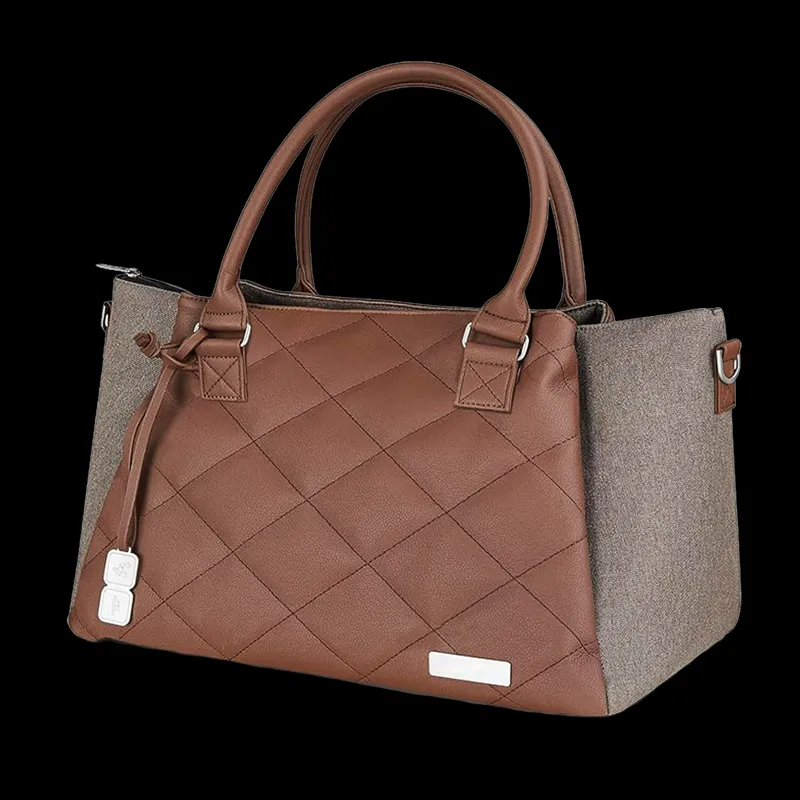
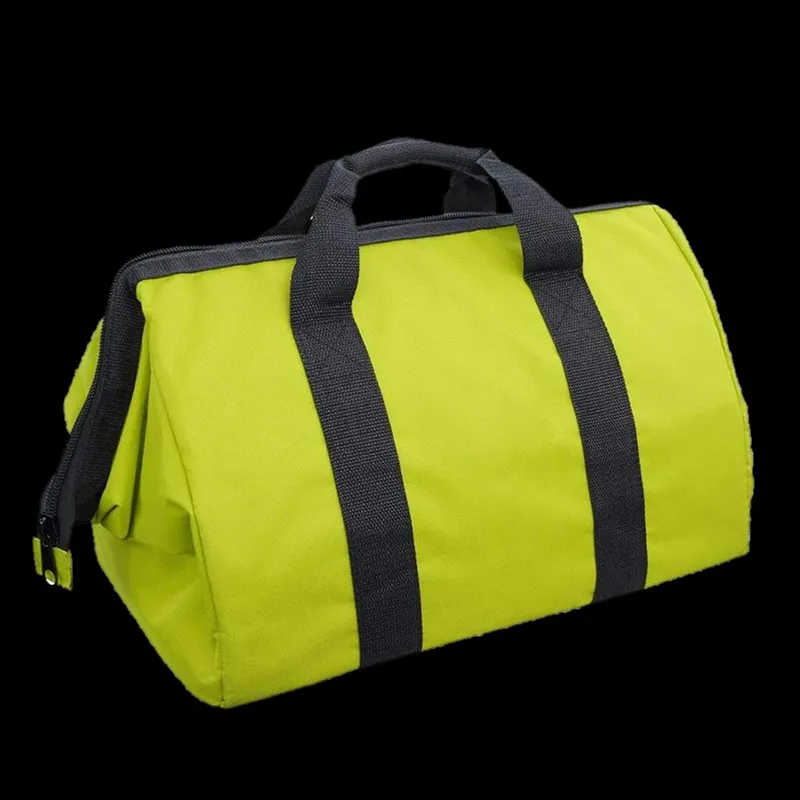
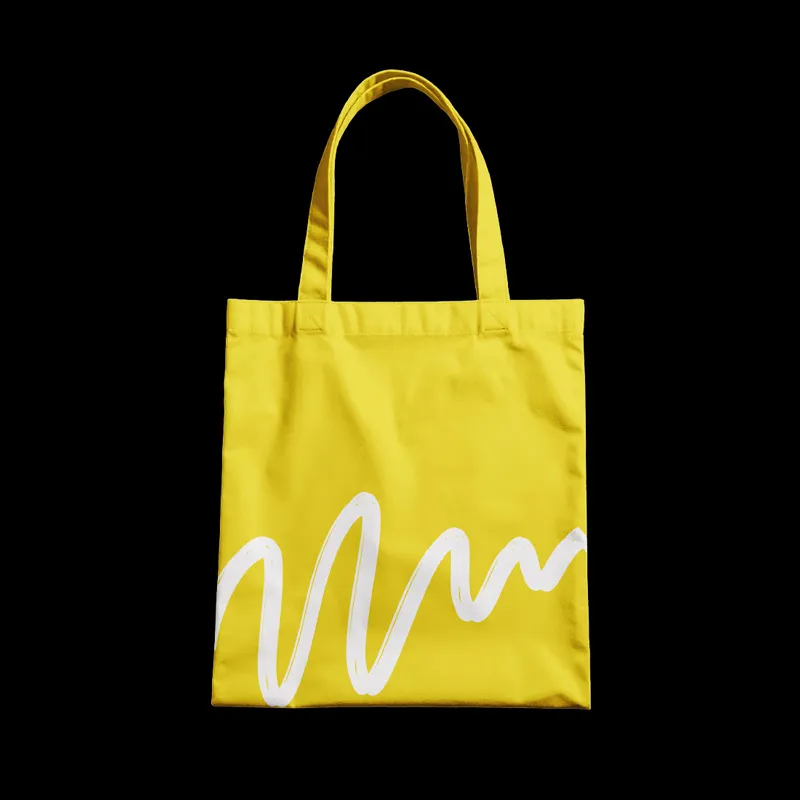
Custom bags are the one piece of merchandise people keep. A branded pen gets lost, a branded mug goes in the cupboard, but a decent tote gets carried to the supermarket every week for two years with your logo facing the world. That is why the question of how to make custom bags for business comes up from retailers, event teams, and new brands in roughly equal numbers. The process has four decisions in it, and the first one, which most people skip, is whether you are decorating a blank bag or building a bag from scratch. Everything else follows from that.
How to Make Custom Bags for Business Starts With Deciding What You Are Actually Making
Custom means two very different things in the bag trade, and they have different costs, timelines, and minimums.
Decorated Blanks: Printing Your Logo on a Standard Bag
You buy plain bags in a standard shape and have your logo printed, embroidered, or heat pressed onto them. It is fast, cheap, and sensible for quantities from a dozen to a few thousand. The bag itself is whatever the blank supplier makes, so your choice is limited to colour, size, and where the artwork sits.
Bags Made to Your Design by Custom Backpack Manufacturers and Bag Factories
You specify the shape, material, pockets, hardware, lining, and labels, and a factory builds the bag around your brand. Minimums are higher, lead times run into months, and sampling costs money, but the result is a product nobody else sells. Brands go this route once a decorated blank starts looking like everybody else’s, and buyers approach custom backpack manufacturers with a tech pack rather than a logo file.
Get the Artwork Right First
Bad artwork ruins more custom bag orders than bad bags do. The file you send is what will be reproduced, at scale, on every unit.
Send a Vector File Rather Than other Format
Send the logo as a vector file, meaning an SVG, AI, EPS, or PDF exported from the design software, not a JPEG pulled off a website. A vector scales to any size without going blurry, and printers and embroiderers need it to separate colours and cut stencils. If you only have a raster image, a designer can redraw it in an hour, and that hour is cheaper than a thousand fuzzy bags.
Simplify the Logo for the Decoration Method
Fine gradients, tiny text, and photographic detail print beautifully on paper and badly on canvas. Reduce the logo to two or three flat colours, thicken thin lines, and check it reads at the size it will actually be, which on a tote is usually 20 to 25 centimetres wide. Mock it up on a photograph of the blank before ordering, because a logo that looks balanced on screen often sits too high or too small on a real bag.
Choose the Bag and the Material
The bag type sets the price band, the material sets how the artwork behaves, and the two together decide how long the bag survives.
Totes From Promotional Blanks to Wholesale Canvas Tote Bags
The default for promotions, retail, and events. Cotton canvas takes print well and feels substantial. Non woven polypropylene is the cheapest option and works for one off events. Heavier canvas or a zippered version moves the bag from giveaway to product, and the extra cost is usually justified by the extra years of use.
Backpacks and Technical Bags That Carry a Brand Furthest
Backpacks carry a brand further and longer than any tote, and they are correspondingly harder to make. Fabric, foam, webbing, and hardware all need specifying, and the decoration has to survive load and abrasion. They are almost always a made to design product rather than a decorated blank.
Pouches and Packaging and Everything a Cosmetic Bag Supplier Would Recognise
Cosmetic pouches, drawstring bags, laptop sleeves, and lunch bags all follow the same logic: a blank if the shape is standard, a custom build if the shape is the point.
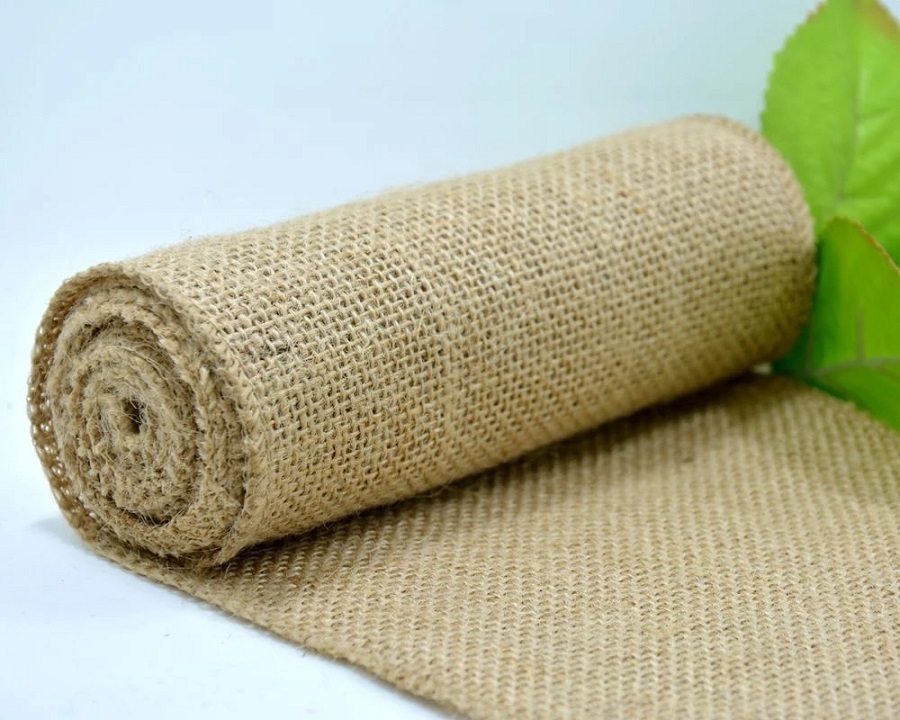
Heavy-duty canvas – Bola Bag
The material question comes first every time, and working through our material selection guide before asking anyone for a price saves a round of quotations.
Pick a Decoration Method by Quantity and Colour Count
Four methods cover almost everything, and the right one depends on quantity, colour count, and how premium the result needs to feel.
Screen Printing for Bold Logos in Runs of a Few Hundred and Up
Ink pushed through a stencilled mesh, one screen per colour. It produces bold, durable, opaque colour and is the cheapest per unit at volume, but every colour adds a screen and a setup charge, so it suits simple logos in runs of a few hundred and up. The technique is centuries old, and the basics of screen printing have not changed much because they do not need to.
Heat Transfer and Direct to Film for Short Multicolour Runs
The artwork is printed onto a carrier and pressed onto the bag with heat. Any number of colours costs the same, there is no screen setup, and small batches are practical, which makes it the method for short runs and multicolour logos. It sits on top of the fabric rather than in it, so it wears faster than a print and can crack on a bag that gets folded constantly.
Embroidery for Corporate Bags That Have to Read as Quality
Thread stitched through the fabric. It looks and feels premium, lasts the life of the bag, and works on canvas, twill, and most technical fabrics. It costs more per unit, struggles with fine detail and gradients, and is the usual choice for corporate and retail bags where the brand is meant to read as quality.
Woven Labels and Zipper Pulls and the Branding Only a Custom Build Allows
The quietest branding is often the most effective. A woven label at the seam, a debossed leather patch, a custom zipper pull, or a lining printed with a pattern all signal a real brand without a logo shouting from the front panel. These only exist on made to design bags, which is a large part of why brands move to that route.
Decorate Them Yourself or Order Bulk Tote Bags With Logo From a Factory
The last decision is who does the work, and the honest answer depends almost entirely on quantity. Under about fifty bags, doing it yourself with blanks, a heat press, and transfer vinyl is cheaper and faster than any supplier will be. Between fifty and a few thousand, a local print shop or an online decorator will decorate blanks you supply or they supply, and the cost per unit drops sharply with volume. Above that, and for anything made to your own design, a factory is the only sensible route, because the unit cost of a bag built for you falls dramatically at the first real price break. Working through how much does it cost to manufacture a bag before choosing prevents the common mistake of comparing a decorated blank at 50 units to a custom build at 2000 and drawing the wrong conclusion.
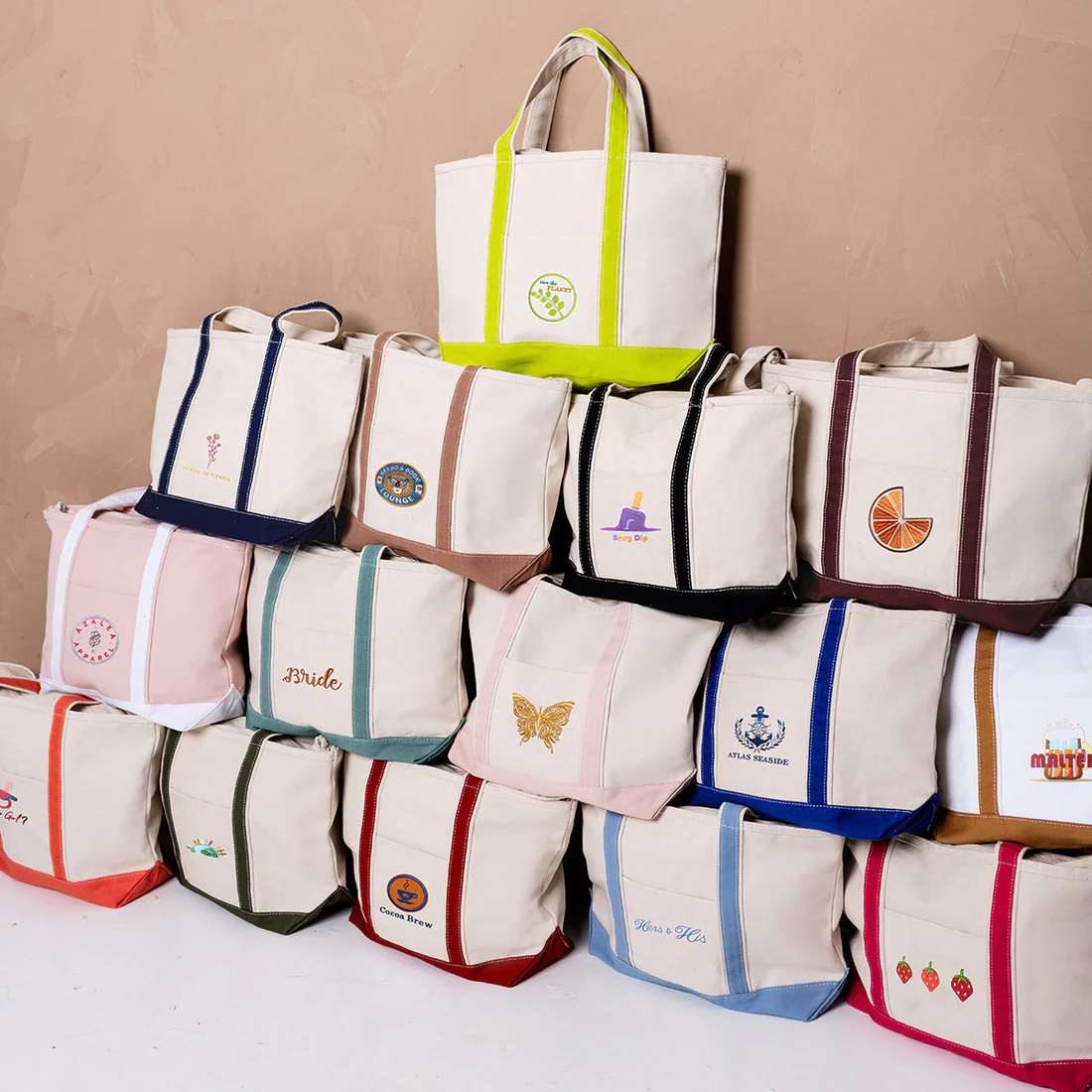
Bulk tote bags with logo – Bola Bag
At the factory end, the supplier’s material base matters as much as their sewing. A cotton bag supplier set up for promotional totes and a technical bag factory are different businesses, and the sampling process tells you within two weeks which one you are dealing with.
What to Write Into the Purchase Order
A few practical details decide whether the box that arrives matches the mockup. Approve a physical sample, not a rendering, before committing to quantity. Confirm the Pantone reference for every colour rather than trusting a screen. Specify artwork position in millimetres from a seam, not with the word centred. Agree what happens to units that arrive with misprints, because there will be some. And ask for the minimum order per colourway rather than per style, since that is where small orders get caught. Retail and event buyers ordering bulk tote bags with logo tend to write all five of these into the purchase order, and it saves the conversation later.
Conclusion
How to make custom bags for business comes down to four decisions in the right order. Decide whether you are decorating a blank or building a bag. Get the artwork into a clean vector and simplify it for the method. Match the bag type and material to how long the bag needs to last. Then pick the decoration method by quantity and colour count, and pick who does the work by the same logic. A hundred decorated totes for an event and two thousand custom backpacks for a retail launch are both custom bags, and the fact that they are made completely differently is the whole point of the question.
When the answer is a bag built to your own design, Bola Bag manufactures totes, backpacks, pouches, and technical bags for brands and distributors worldwide, from tech pack through sampling to production. Browse the range on our products page, or send us your logo and a rough quantity and we will tell you which route makes sense before quoting it.
Read more: How Much Does It Cost to Manufacture a Bag? Full Guide


BOLA BAG's BLOG YOU MAY ALSO BE INTERESTED IN
Vietnam Bicycle Bag Supplier for Wholesale and Export Markets
Wholesale Sports Bags Manufacturing Solutions for Sportswear Brands
Bola Bag — Your Trusted OEM ODM Laptop Bag Supplier in Vietnam