


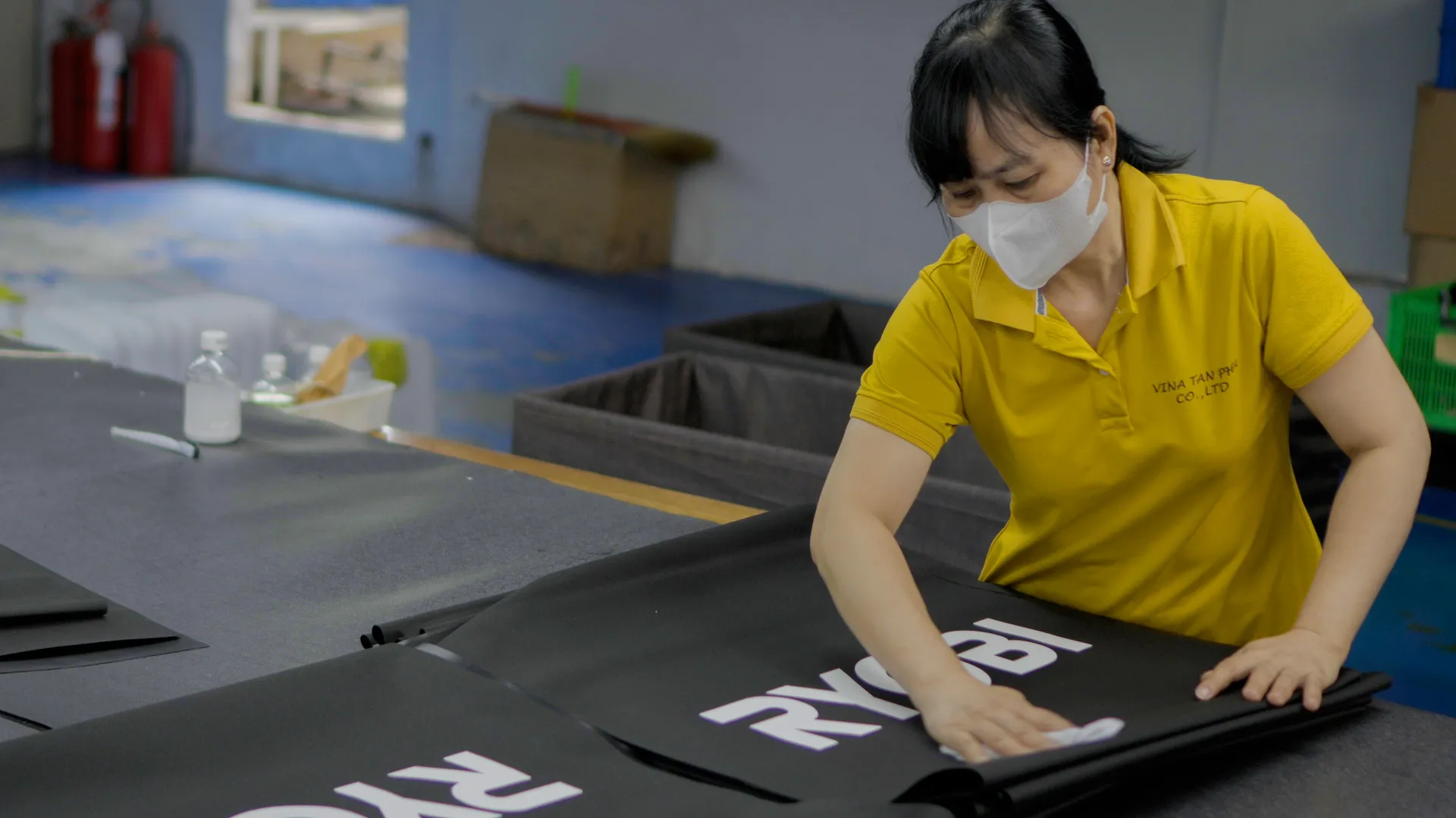
A factory makes one sample. A retailer orders eight sizes. Somebody has to turn the pattern for that one sample into eight patterns that fit eight different bodies while still looking like the same shirt, and that somebody is a pattern grader. So what is grading in garment industry terms? It is the technical process of scaling a base pattern up and down into a full size range by fixed rules, so that the style, fit and proportions survive the trip from extra small to extra large. This article explains how grading works, the two ways it is done, what it is often confused with, why it decides both fit and fabric cost, and how grading a bag differs from grading a shirt.
What Is Grading in Garment Industry
Grading takes a pattern that has been fitted and approved in one size and produces every other size from it by adding or subtracting set amounts at set points. It does not redesign anything.
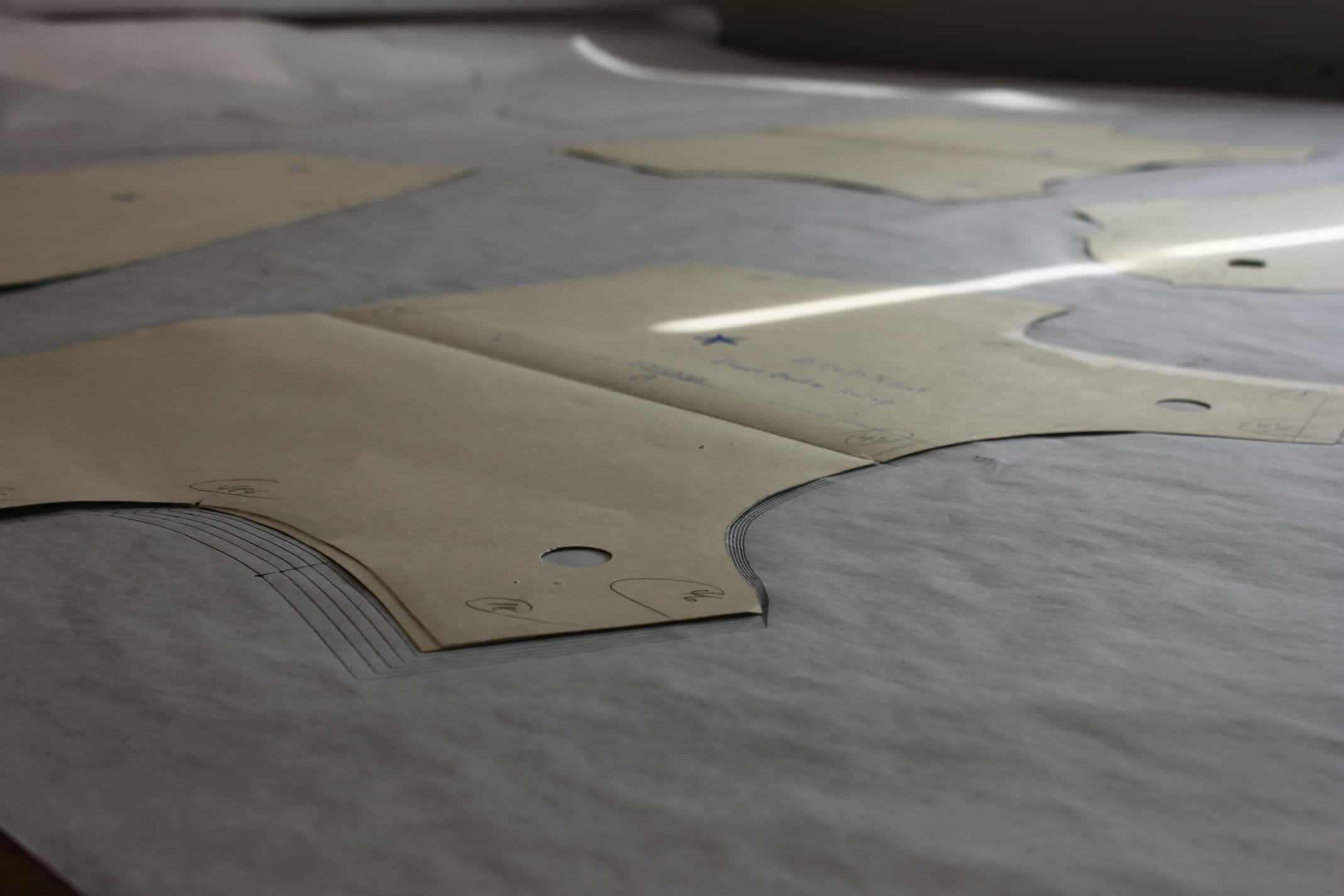
Pattern Grading
The base size is the truth, and every graded size is that truth stretched or shrunk according to a chart. Three ideas make it work.
Everything Starts From One Base Size
The designer and technologist perfect the fit on a single size, usually a medium or a size 8 for women and a medium or 40 chest for men. That pattern is sampled, corrected and approved before anyone grades it, because a fault in the base is copied into every size.
Grading Rules Say How Much Each Point Moves
A grade rule table lists, for every point on the pattern, how far it moves between sizes: the chest grows 4 centimetres per size, the shoulder 1, the length 1.5. Different garments and different markets use different tables, and a factory keeps a library of them.
Bodies Do Not Grow Evenly and Neither Do Patterns
The reason grading needs rules rather than a photocopier set to 110 percent is that people get wider faster than they get taller. A size 16 is not a size 8 enlarged. It is wider through the chest and hip, slightly longer, and barely different at the neck. Good grading moves each point by the right amount so the garment fits at every size rather than only in the middle of the range.
Two Ways to Grade: By Hand or With CAD
Both methods use the same rules and produce the same nested set of sizes. The difference is speed and how easily the result can be changed.
Manual Grading With Rulers and Charts
The grader lays the base pattern on card, moves it by the grade rule at each point, marks and connects the new outline, and cuts the next size. It is slow, accurate in skilled hands and still used in small workshops and for one off styles.
Digital Grading in CAD Software
The base pattern is digitised, the rule table is attached to its points, and the software generates every size in seconds as a nest of outlines. Changes to the base flow into all sizes automatically, and the graded pieces feed straight into marker making. Every factory of any size now grades this way.
Grading Is Not Altering and Not Marker Making
Two things get confused with grading. Altering a pattern means changing the fit of the base size itself, lengthening a sleeve or taking in a waist, and it happens before grading, not as part of it. Marker making comes after grading and is a different job: arranging all the graded pieces onto the fabric width to cut them with the least waste. What is marker making in garment industry terms is a cutting room task, grading is a pattern room task, and a factory that lets one person do both without a check in between is inviting a size range that fits and wastes fabric, or one that cuts efficiently and fits nobody.
Why Grading Decides Both Fit and Fabric Cost
Grading is quiet work that decides two loud numbers. The first is returns. A range graded from a good base with the right rules fits across sizes, and a range graded with rules borrowed from a different garment fits in the middle and fails at the ends, which is where the returns come from. The second is fabric. Every graded piece is a shape on the marker, and the marker efficiency, the share of fabric that becomes garment rather than waste, depends on how those shapes nest. A grader who keeps seam lines straight and corners simple makes the marker maker’s job easier and the fabric bill smaller, and fabric is the largest line in the sheet used to work out how to calculate costing in garment industry terms. A one percent gain in marker efficiency across a large order pays a grader’s salary.
Grading a Bag Guide
Bags are graded too, and the logic flips. A shirt is graded to fit bodies, so every size changes at the chest and barely at the neck. A bag is graded to fit contents, so a 20 litre and a 30 litre backpack share a shape and change in depth and height while the harness, the zip lengths and the pocket positions are re engineered rather than scaled. That is why a bag range is usually two or three sizes rather than eight, and why each size is effectively its own pattern with shared components. It also means a bag factory needs a pattern room that understands load and volume rather than bodies, which is one of the reasons the case for keeping a garment OEM factory away from bags holds even at the pattern stage.
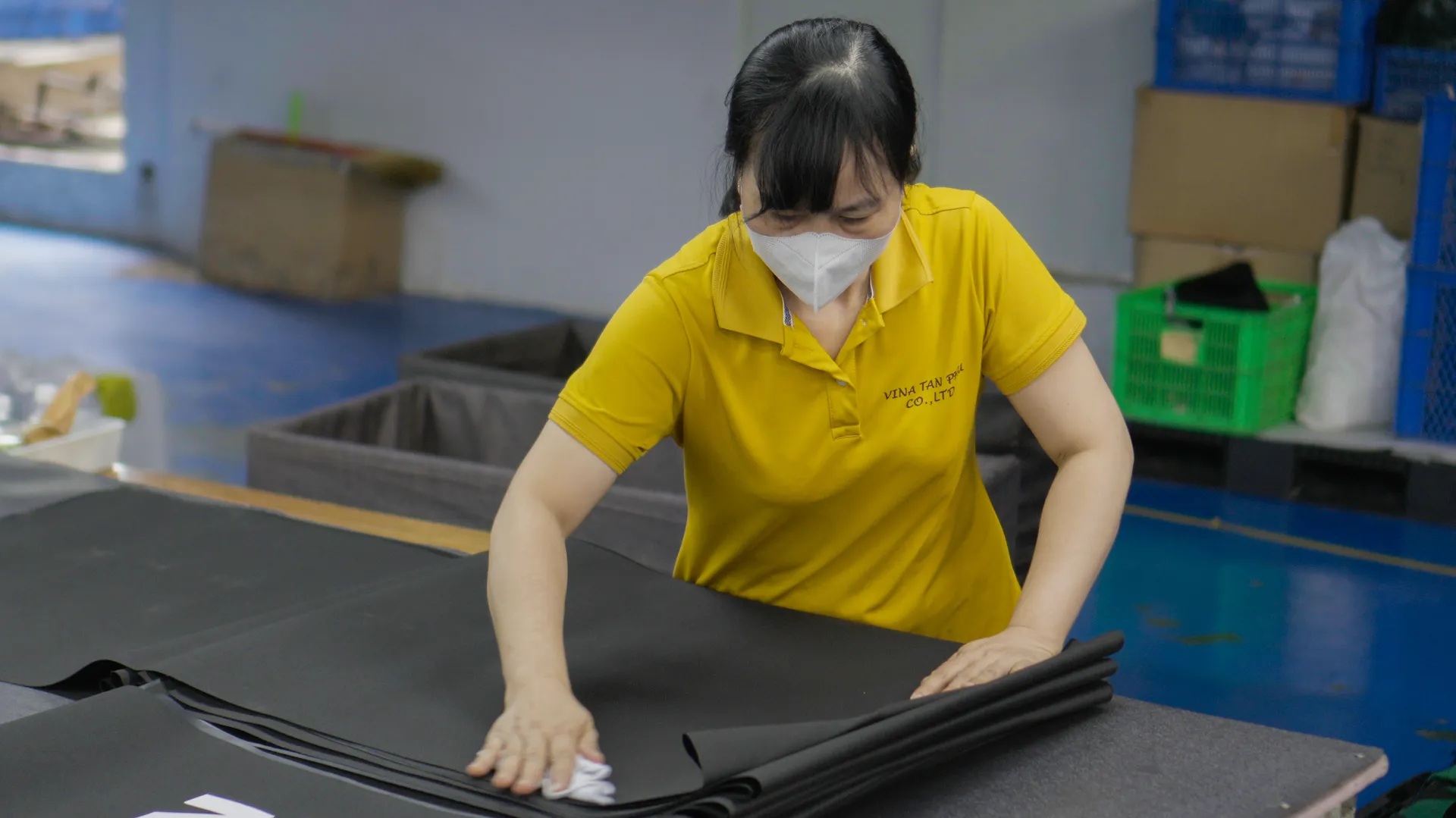
Bola Bag Factory
For a brand, the practical question is who grades. A full package factory grades in house from the approved sample and shows the nest before cutting. A brand that supplies its own graded patterns needs a technologist to make them, and the questions worth asking any custom backpack manufacturers shortlist include whether the factory can grade a new size from an approved sample without a second full development round.
Conclusion
What is grading in garment industry terms? Scaling one approved base pattern into a full size range by fixed rules that move each point on the pattern by a set amount, so fit and proportion survive across sizes. It is done by hand with rulers and charts or, almost everywhere now, in CAD software that generates the nest in seconds. It is not altering, which changes the base, and not marker making, which comes after. Done well it decides fit at the ends of the range and fabric cost across the whole order, and on a bag line it is done by volume rather than by body.
At Bola Bag, grading a bag range from an approved sample is part of the development work we have done for backpacks, technical bags and totes in Ho Chi Minh City since 2015, as an OEM and ODM partner for brands worldwide. See how we work on our capabilities page, or send us your sample and the sizes you need and we will show you the graded set before anything is cut.
Read more: What Are the Types of Garment Making Business? Seven Models From a Tailor’s Bench to a Full Factory


BOLA BAG's BLOG YOU MAY ALSO BE INTERESTED IN
How Start Garment Business: The First Ninety Days, in the Order They Actually Happen
How Much Profit in Garment Shop: A Realistic Look at the Numbers
How to Open Garment Business: The Decisions That Have to Be Made Before Day One