


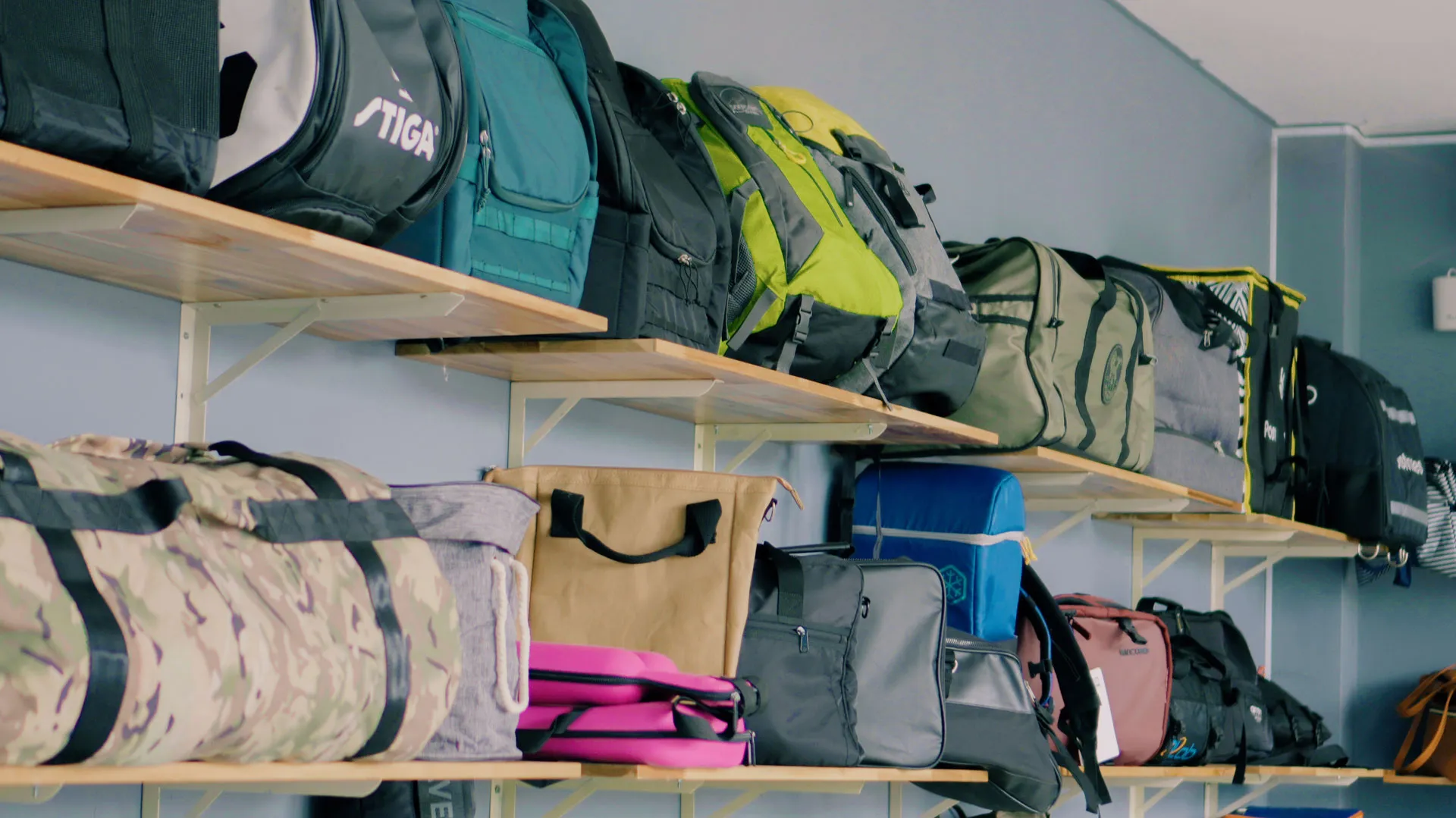
If you’re planning to launch a bag line, one question probably keeps popping up in your head: how much does it cost to manufacture a bag? It’s a fair question, and honestly, it’s one we hear all the time from founders and product designers who are just starting to map out their budgets. The tricky part is that there’s no single number we can hand you, because bag manufacturing costs depend on a whole mix of factors. But we can walk you through exactly what shapes that final price tag, so you can plan with confidence instead of guessing.
Let’s break down the real variables that go into pricing, so you know what to expect before you approach a backpack manufacturer or start requesting quotes.
Materials Are the Biggest Cost Driver
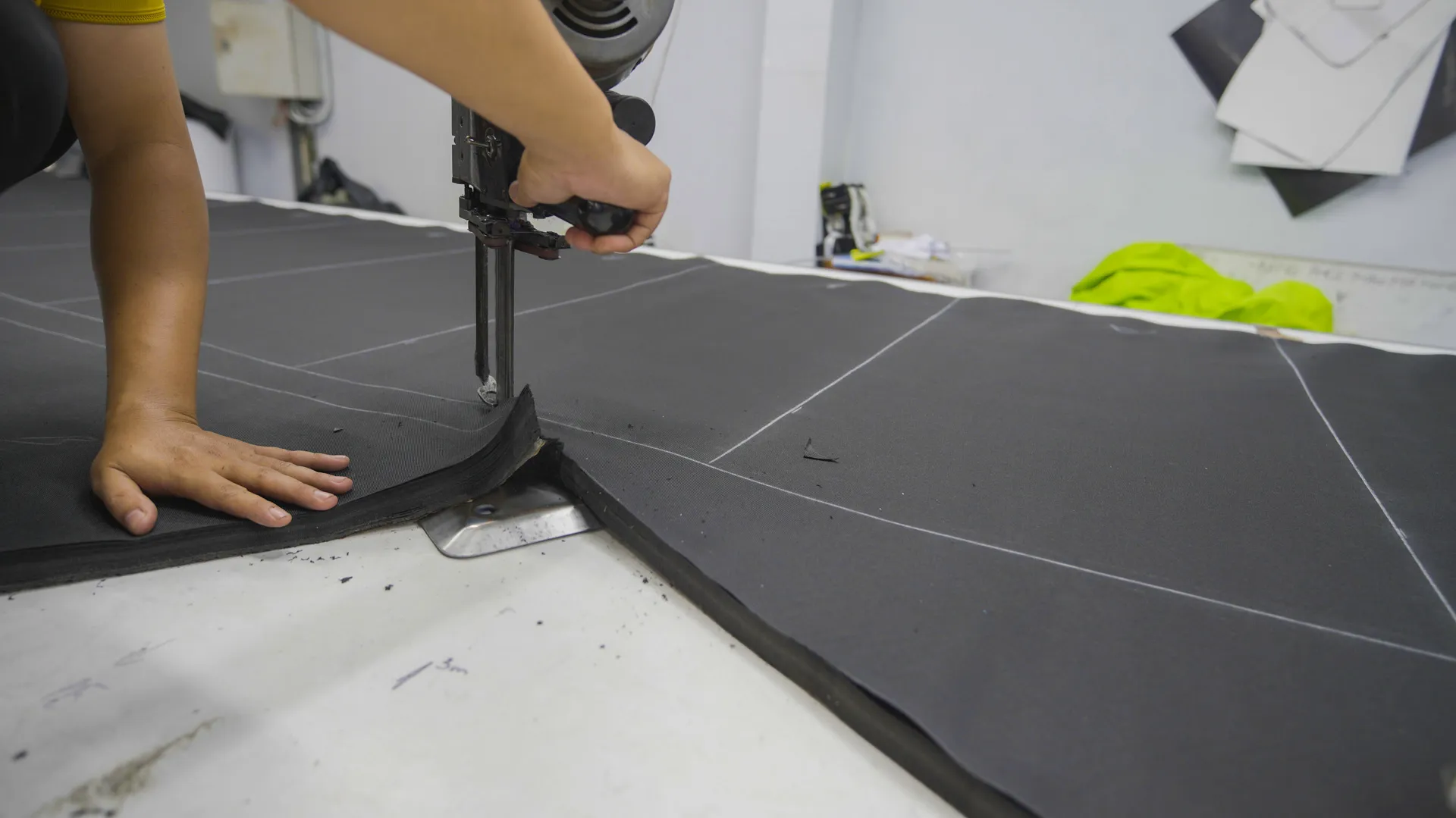
Fabric choice alone can swing your unit cost dramatically, and it’s usually the first place people look when trying to figure out how much does it cost to manufacture a bag. Heavy-duty Cordura, for instance, costs more than basic Ripstop or Canvas, but it also delivers far better abrasion resistance and durability. If you’re building a rugged outdoor pack or an industrial tool bag, that extra durability is often non-negotiable. On the other hand, a lightweight everyday bag might do just fine with a more economical fabric.
Materials Are the Biggest Cost Driver
Beyond the main fabric, you also need to factor in linings, webbing, zippers, buckles, foam paneling, and any specialty hardware. Premium zippers like heavy-duty coil or molded plastic teeth cost more than basic ones, and if you’re adding foam back panels or padded straps for comfort, that adds both material and labor cost. Every component adds up, so it’s worth thinking early about which features are essential versus which ones are nice-to-haves.
Construction Complexity and Stitching
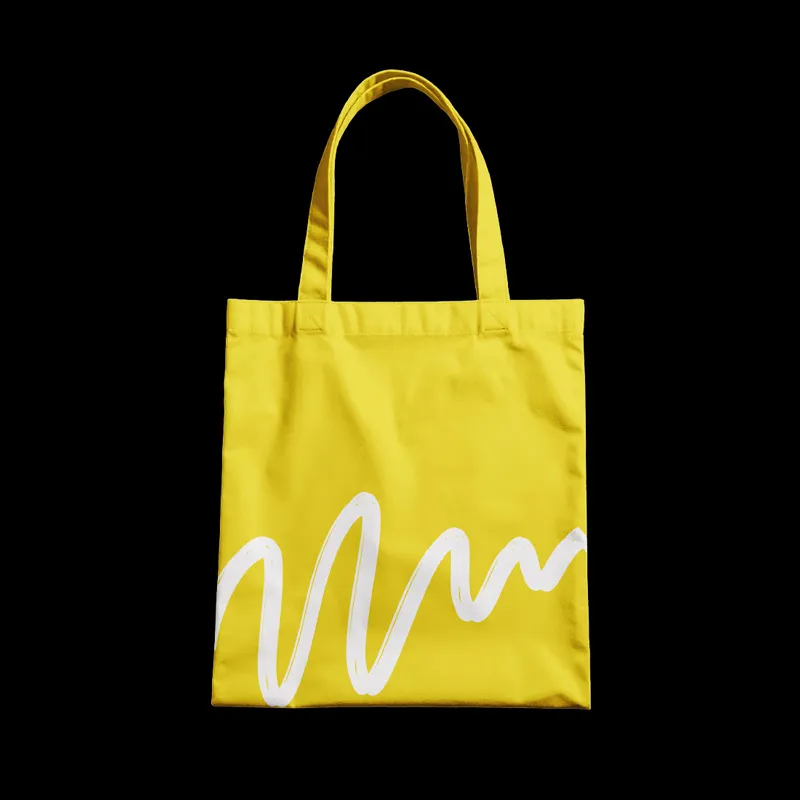
Not all bags are built the same way, and construction complexity has a real impact on pricing. Simple tote bags with straightforward seams are relatively quick and inexpensive to produce. But technical backpacks with bar-tack stitching, reinforced stress points, multiple compartments, and structured paneling require more skilled labor and more time on the production line.
This is actually one of the reasons we always encourage people to work with a manufacturer that specializes specifically in bags rather than general garment production. Heavy-duty tolerances, precise foam paneling, and bar-tack reinforcement are skills that a dedicated bag factory develops over years of focus, and that specialization directly affects both quality and cost efficiency. It’s also a big part of why the answer to how much does it cost to manufacture a bag can vary so widely between two seemingly similar factories.
Minimum Order Quantities and Economies of Scale
Like most manufactured goods, bags get cheaper per unit as your order quantity increases. This is simply because setup costs, cutting dies, and initial tooling get spread across more units. A small trial run will almost always cost more per piece than a high-volume production order, which is another reason the answer to how much does it cost to manufacture a bag changes so much depending on your order size.
This is why it’s smart to think ahead about your growth trajectory when talking to custom backpack manufacturers. If you know you’ll scale up within a year, it might be worth discussing tiered pricing structures upfront so you understand how your per-unit cost will change as your order volume grows.
Tech Pack Development and Prototyping
Before any bag goes into mass production, it needs a proper Tech Pack, essentially the technical blueprint that specifies measurements, materials, construction details, and hardware placement. Developing this document takes time and expertise, and it’s a cost that’s often overlooked by first-time bag brand founders when they’re estimating how much does it cost to manufacture a bag.
Prototyping is another cost to plan for. A solid prototyping process, ideally one that moves quickly, like a 7 to 10 day turnaround, lets you catch design flaws early before committing to full production. Yes, it’s an upfront investment, but it almost always saves money in the long run by preventing costly reworks or failed production runs.
Labor Rates and Where Your Bag Is Made
Where your bag is manufactured plays a significant role in overall cost. Labor rates vary widely from country to country, and this is one of the reasons Vietnam has become such a popular sourcing destination for bag brands. A well-run, specialized facility can offer a strong balance of skilled labor, quality craftsmanship, and competitive pricing, especially when compared to sourcing from regions with higher labor costs.
It’s also worth considering export compliance requirements if you’re selling into markets like the USA, EU, or Australia. Working with a facility that already understands these compliance standards can help you avoid unexpected costs or delays down the road.
Sample Costs vs. Bulk Production Costs
A lot of people get surprised when their sample or prototype costs more per unit than their eventual bulk order. This is completely normal. Prototypes involve manual, one-off processes without the efficiencies of a full production line. Don’t let a higher sample cost scare you away from a manufacturer, since it doesn’t necessarily reflect what your bulk pricing will look like once you move into full production.
Specialized Bags Cost More Than Basic Ones
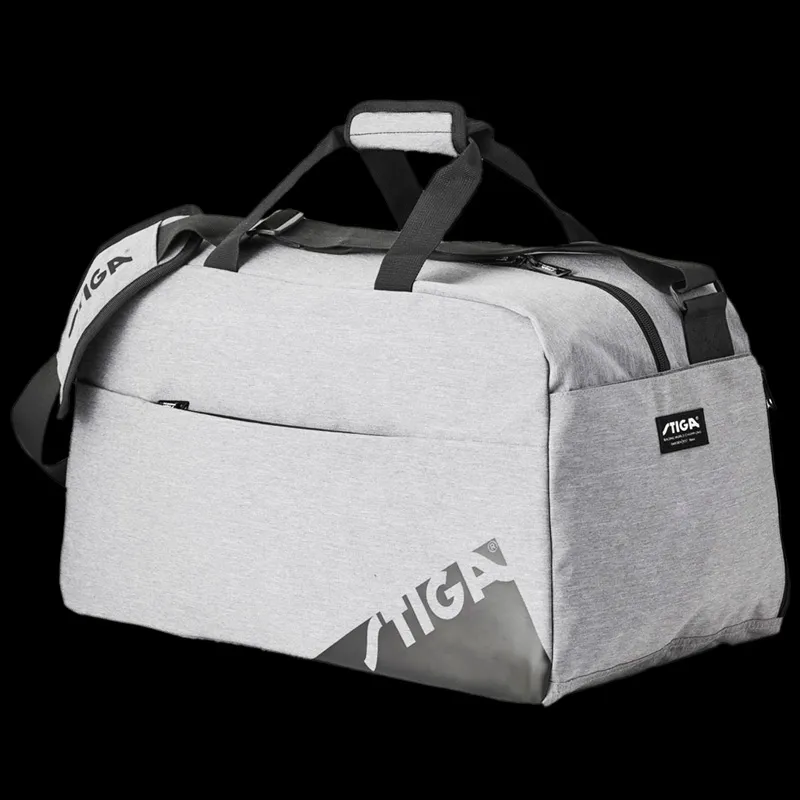
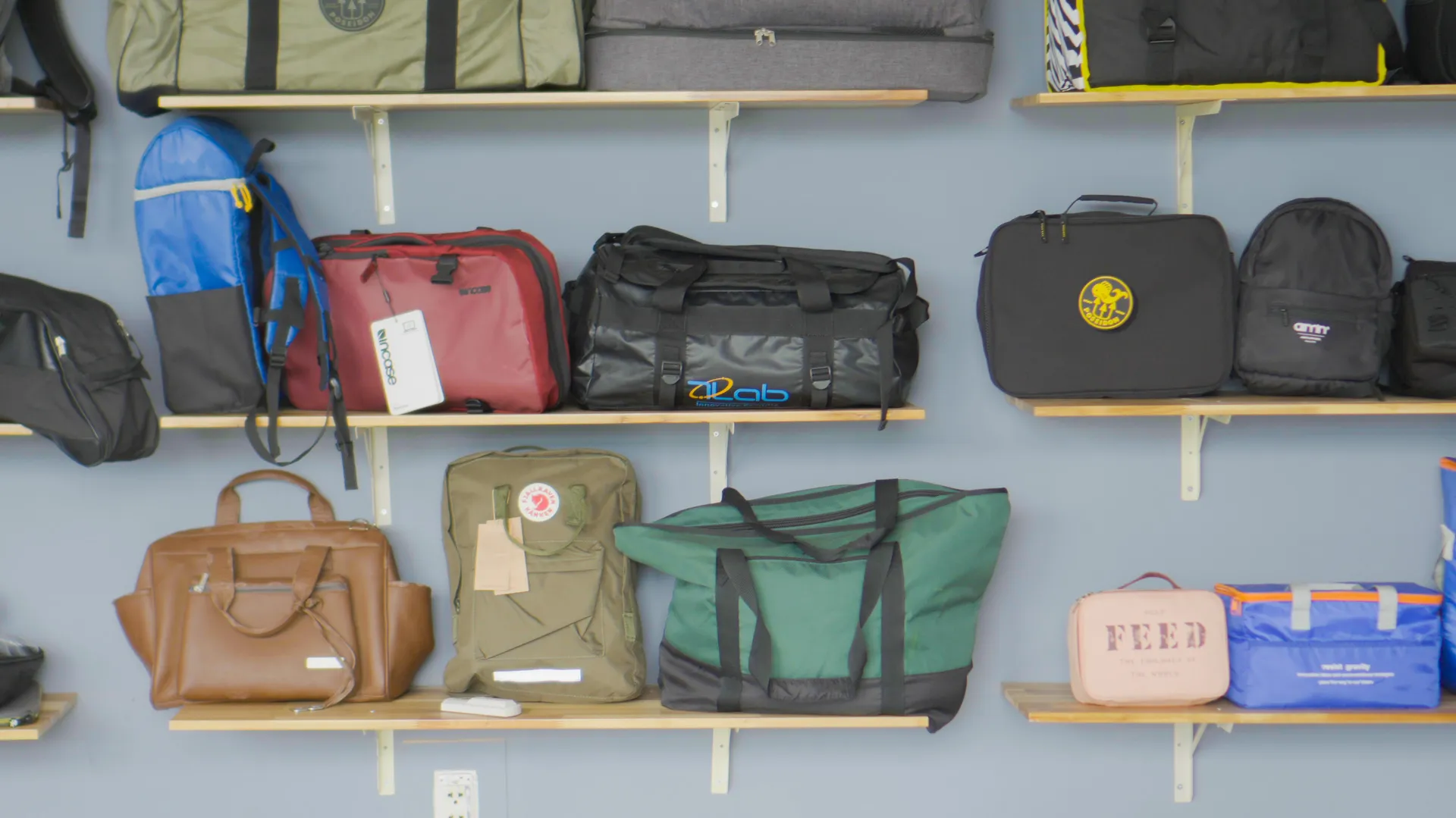
It’s worth noting that a sport bag manufacturer producing technical athletic gear will typically quote higher prices than a factory making simple basic totes. Sport and outdoor bags often require moisture-wicking linings, ventilated mesh panels, compression straps, and reinforced bottoms that stand up to gym floors or trail conditions. These technical features require more sophisticated construction methods, which naturally increases the manufacturing cost.
Specialized Bags Cost More Than Basic Ones
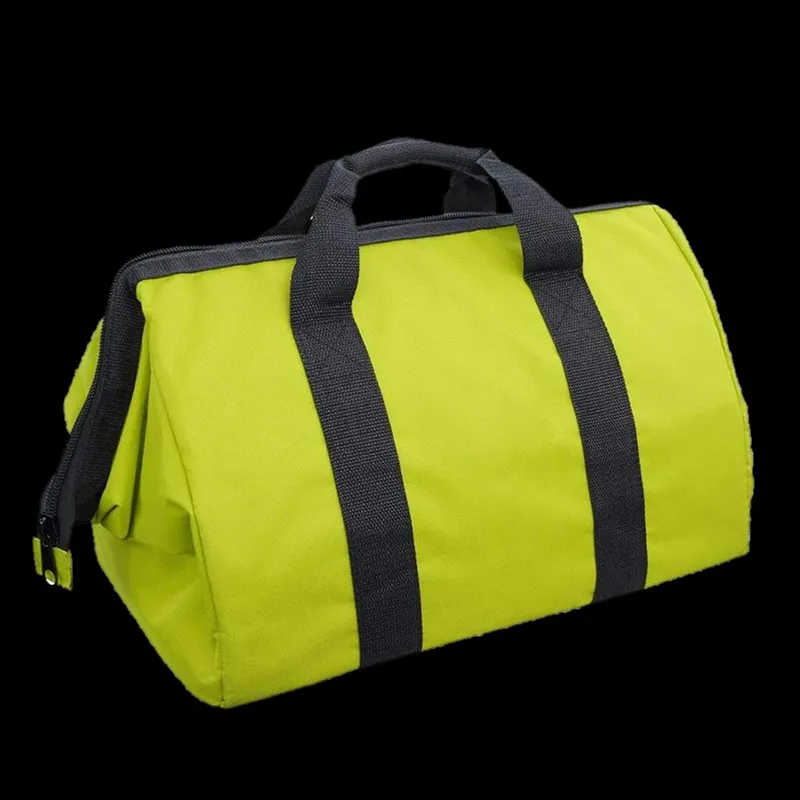
Similarly, industrial tool bags need heavy-duty bases, rigid structure, and reinforced handles to carry significant weight without failing. If your bag needs to perform under stress, budget accordingly, because that performance doesn’t come free. It’s another clear example of why there’s no flat answer to how much does it cost to manufacture a bag across different product categories.
How to Get an Accurate Quote
The best way to nail down your actual manufacturing cost is to prepare a clear brief before reaching out to a backpack supplier. Include your target fabric, key dimensions, hardware preferences, expected order quantity, and any technical performance requirements. The more detail you provide upfront, the more accurate your quote will be, and the fewer surprises you’ll encounter later in the process.
We’d also recommend asking potential partners about their prototyping timeline, minimum order quantities, and export experience. These details tell you a lot about whether a manufacturer is truly set up to support your specific bag category, whether that’s technical backpacks, sport bags, or industrial gear.
Conclusion
So, how much does it cost to manufacture a bag? As you can see, it really depends on your materials, construction complexity, order volume, and the type of bag you’re building. There’s no universal price tag, but understanding these cost drivers puts you in a much stronger position to plan your budget and have productive conversations with potential manufacturing partners.
If you’re ready to dig deeper into bag engineering, fabric selection, or Tech Pack development, we’d love to help. Explore more technical bag design insights or consult with the product engineering team at Bola Bag to bring your custom bag collection to life.
Read more: How Much Does It Cost to Start a Garment Factory? A Friendly Cost Guide


BOLA BAG's BLOG YOU MAY ALSO BE INTERESTED IN
How Can I Start Garment Business? A Friendly Step-by-Step Guide
Top 5 Best Laptop Bag Manufacturers with Export Standards in 2026
Top 5 Best Backpack Manufacturers with Global Export Standards