


A roll of fabric arrives at the loading bay on a Monday, and three weeks later a carton of folded, tagged, bagged shirts leaves by the same door. Everything that happens in between is garment production. Ask what is garment production and the textbook answer is a list of stages, and the list is right, but it misses the part that decides whether the factory makes money: the order the stages run in and where the fabric gets wasted. This article gives the plain definition, walks through the eight steps in the order they happen on a real floor, explains the three ways factories sell that work, names the numbers production runs on, and finishes with how the same steps change when the product is a bag.
What Is Garment Production
Garment production is the organised sequence of turning fabric, thread and trims into finished, wearable clothing. It starts when a design is frozen and fabric is bought, and it ends when inspected garments are packed for shipment. Design and retail sit either side of it and are not part of it. The sequence is nearly identical in every factory in the world, from a twenty machine unit to a plant with three thousand operators.
The Eight Steps of Garment Production
The steps below are grouped as they sit on the floor. Two of them happen before a single machine runs, and the last two decide whether a buyer ever orders again.
Step 1: Design Is Finalized Into a Tech Pack
Production cannot start from a sketch. It starts from a tech pack: measurements for every size, the fabric and every trim, thread colours, label positions, stitch types and tolerances. A factory that begins cutting from an incomplete tech pack will make the missing decisions itself, and the brand usually dislikes them.
Step 2: Fabric and Trims Are Sourced and Tested
Fabric is bought against the tech pack, then tested for shrinkage, colour fastness and weight before it is cut. A roll that shrinks four percent in the wash makes every garment a size smaller, so shrinkage testing is the one test no factory skips.
Step 3: Patterns Are Made and Graded and the Marker Is Laid
The pattern for the sample size is graded into every size in the order. Then all the pieces for all the sizes are arranged onto a layout as wide as the fabric, called the marker, packed as tightly as they will go. This is where fabric waste is decided, which is why marker efficiency is watched more closely than sewing speed.
Step 4: Fabric Is Spread and Cut and Bundled
Rolls are spread flat in layers on a long table, the marker is laid on top, and the stack is cut by straight knife, band knife or automatic cutter. Cut pieces are bundled by size and numbered so that panels from the same layer stay together and shade differences do not end up on one shirt.
Step 5: Bundles Are Sewn on a Line
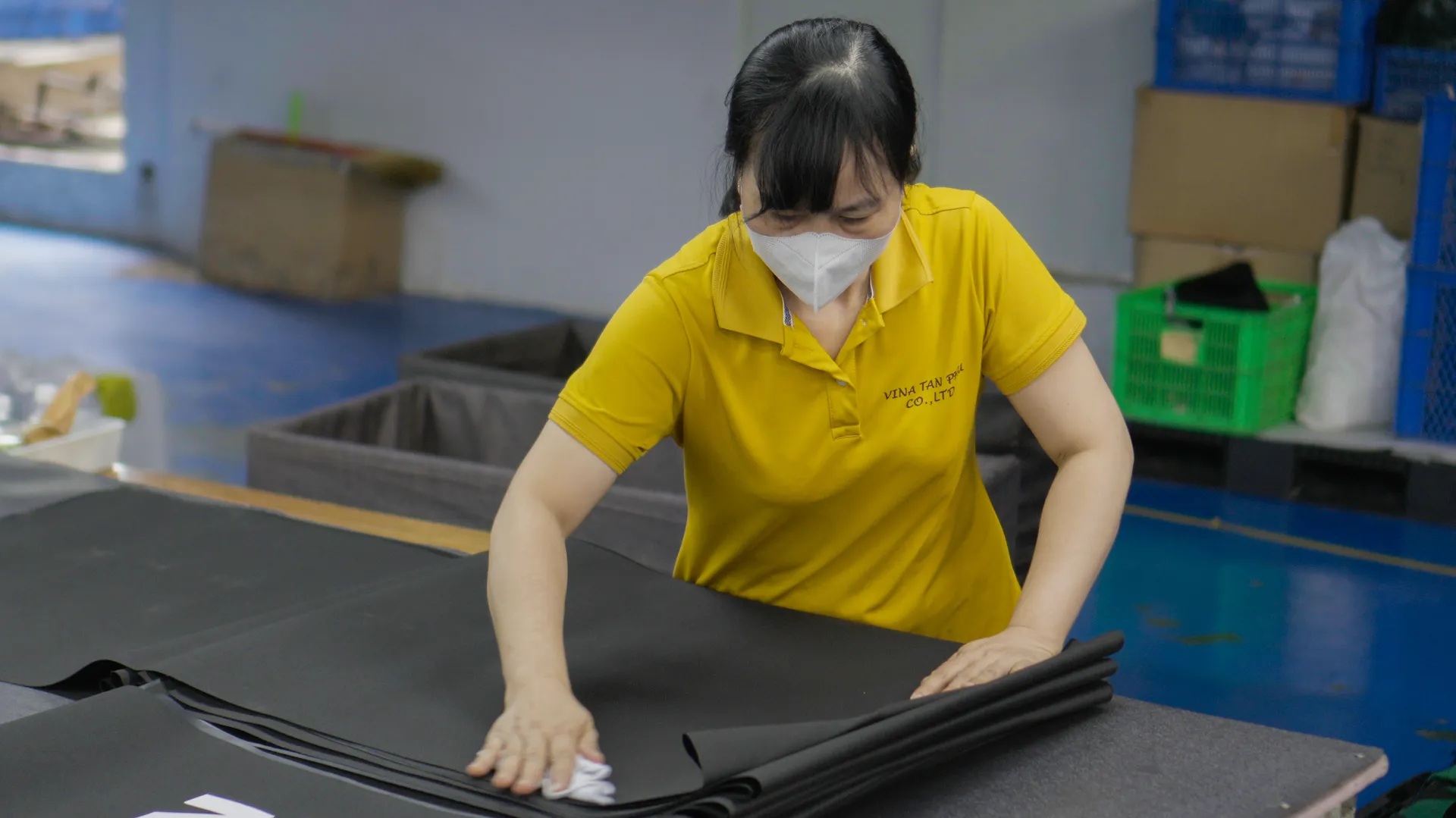
Sewing is split into operations, and each operator does one of them all day: join shoulders, set sleeves, attach collar.
Garment Production
A line of thirty operators passes bundles down the line, and the speed of the whole line is the speed of its slowest station. This is where most of the labour cost sits and where line balancing earns its keep.
Step 6: Garments Are Finished and Pressed
Thread ends are trimmed, buttons and rivets are attached, garments are washed if the style calls for it, and everything is pressed. Finishing looks minor and takes a surprising share of the minutes in a shirt.
Step 7: Every Garment Is Inspected
Inline checks happen while pieces are on the line. Final inspection measures garments against the tech pack and checks them against an agreed defect standard. What is quality control in garment industry practice comes down to who inspects, when, and against which document, and a factory should be able to answer all three.
Step 8: Garments Are Folded and Tagged and Packed
Hang tags, polybags, size stickers and carton marks are as much a part of the order as the seams. A carton packed wrongly gets refused at a retailer’s warehouse as surely as a crooked collar.
Who Does Each Step: The Three Ways Factories Sell Production
The eight steps are the same everywhere, but who is responsible for each one depends on how the factory sells its work. Cut make trim factories do steps three to eight with fabric the brand sends. Full package factories do all eight, buying the fabric themselves. And an OEM garment manufacturer does all eight to the brand’s design under the brand’s label, which is the model most brands end up with once they stop wanting to be a sourcing department. The difference is not the steps. It is who carries the fabric risk and the margin that goes with it.
The Key Metrics in Garment Production
A production manager does not watch garments. She watches these numbers, and all come straight out of the steps above.
Efficiency Measures How Effectively Production Time Is Used
Every operation has a standard time, and the line’s output in standard minutes divided by the minutes paid for is its efficiency. It is the single figure on the whiteboard at the end of every shift, and what is efficiency in garment industry terms, with the formula and a worked example, is the first number a buyer should ask a factory for.
Waste Comes From the Cutting Floor and Rejected Garments
What is waste in garment industry terms? Fabric left over after the marker, and garments rejected at inspection. Fabric is the largest cost in almost every garment, so a two percent improvement in the marker is worth more than a ten percent improvement in sewing speed, and the cutting room is where the money is made or lost.
Bag Production Is Garment Production But With Heavier Steps
Every step above exists on a bag line, and most of them are harder.
Bag Production
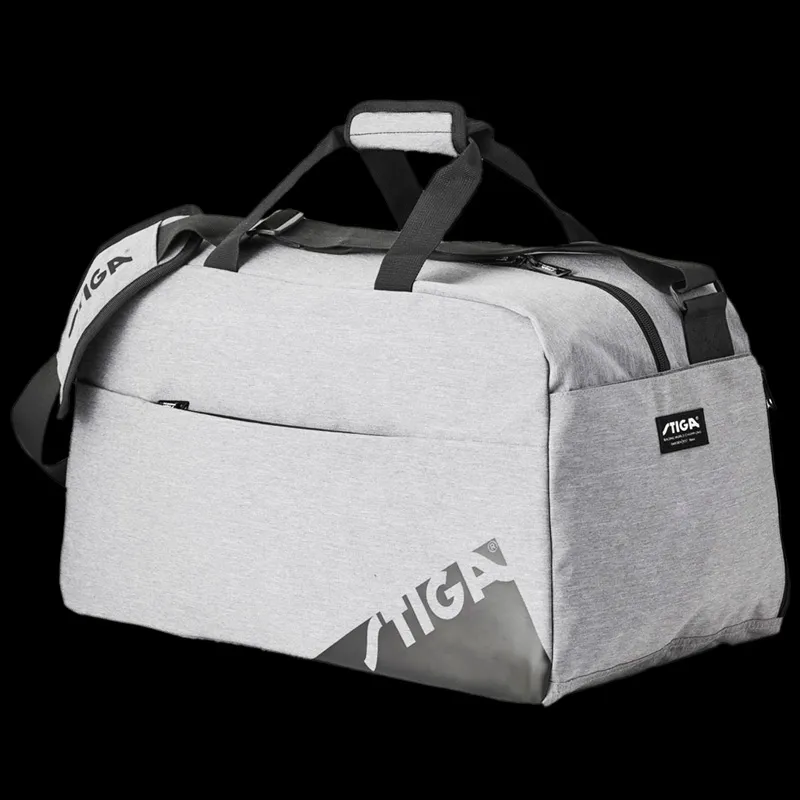
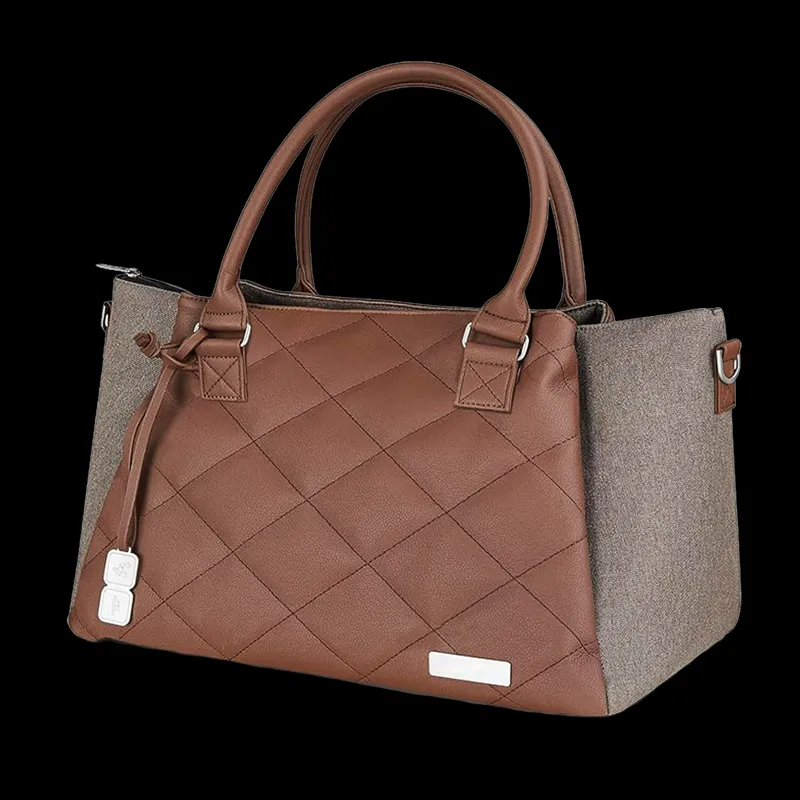
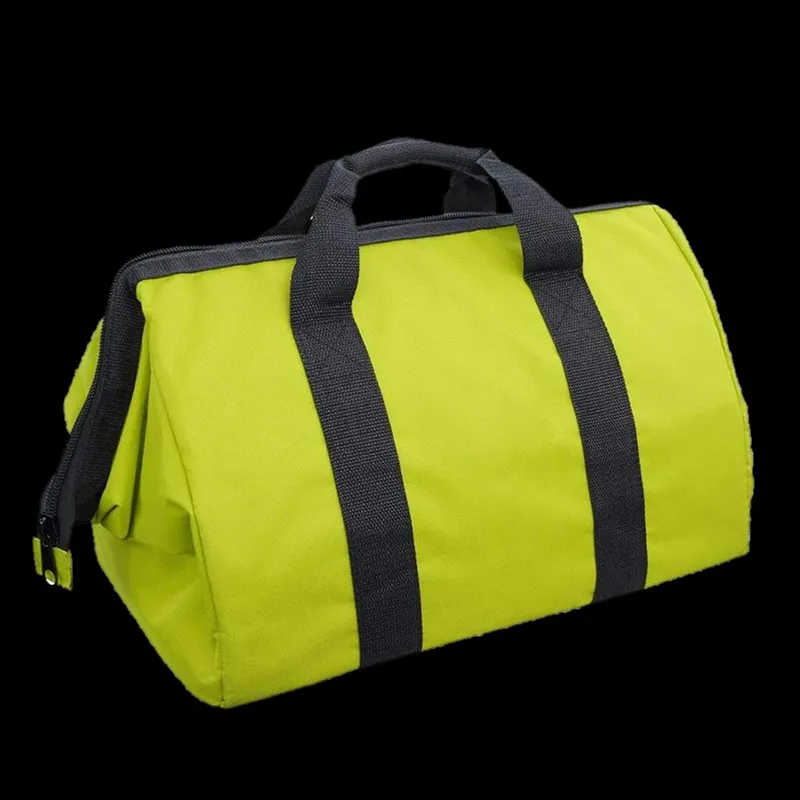
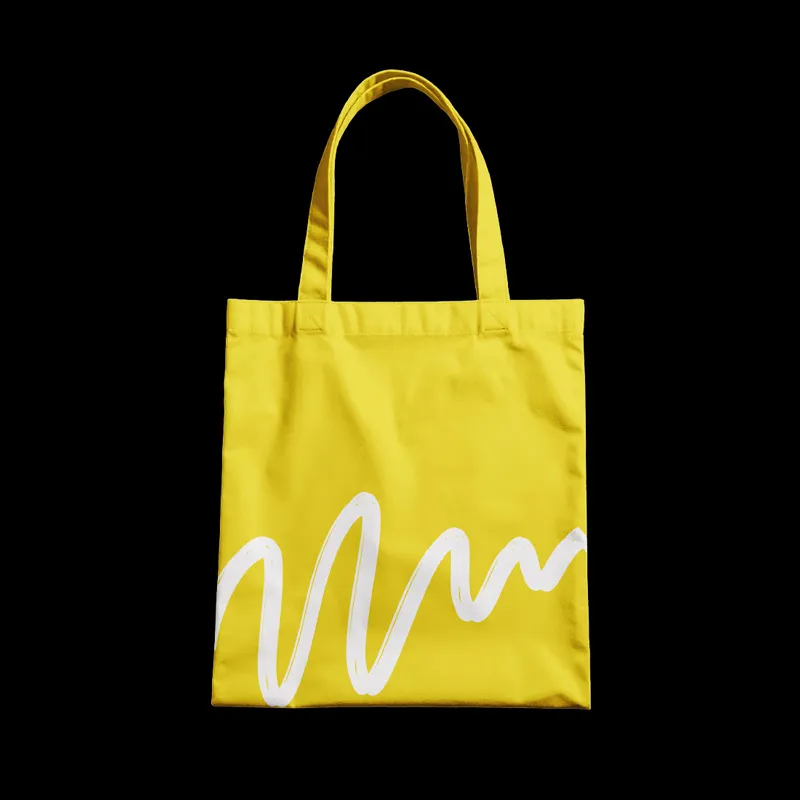
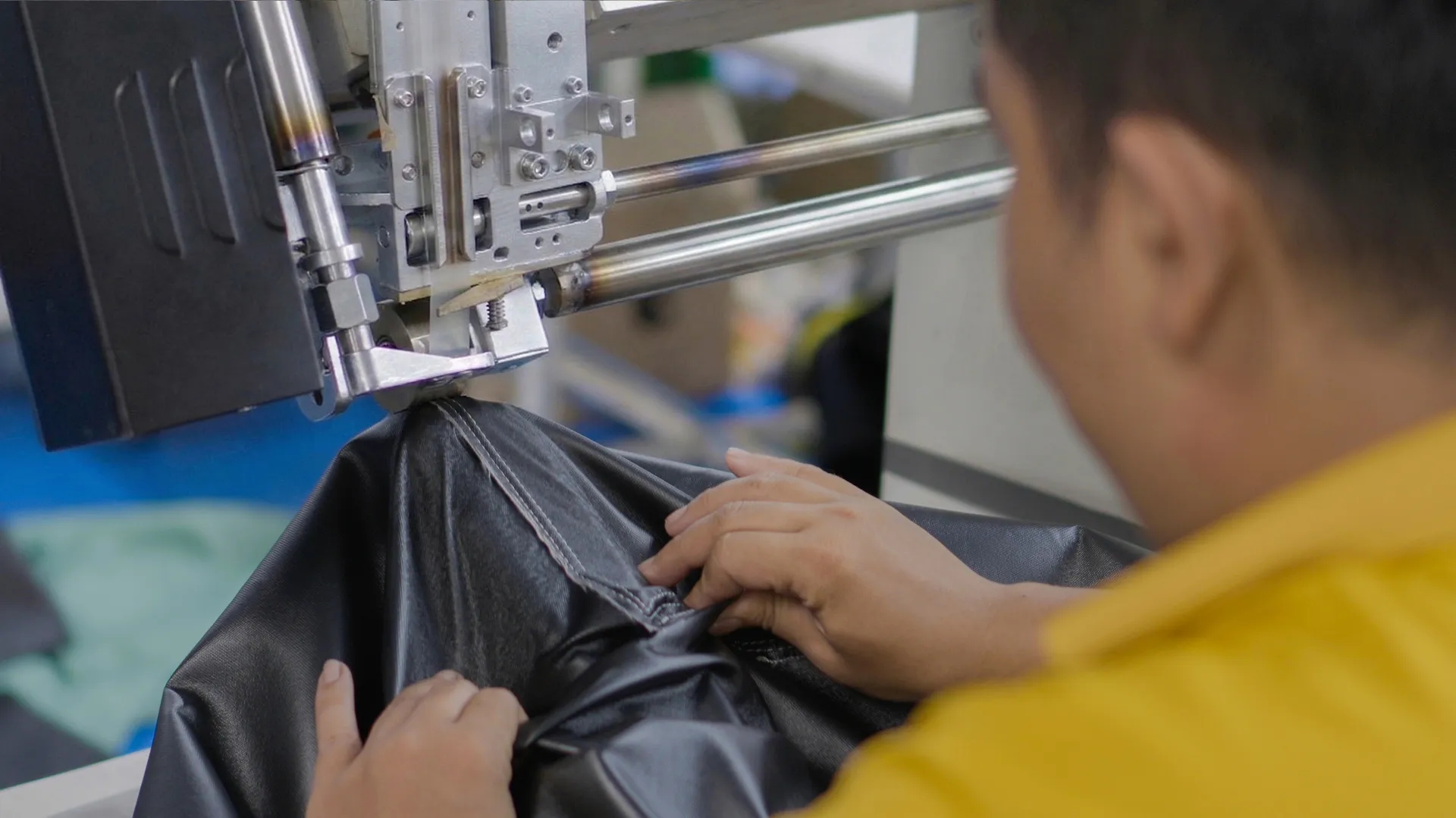
The tech pack runs to fifteen components in three materials. Cutting has to handle foam, webbing and plastic sheet as well as fabric. Sewing needs walking foot, bar tack and binding machines that a shirt line does not own, and the standard time for a backpack is three to four times that of a shirt. That is why a shirt factory rarely makes a good bag, and why a brand whose product is a bag should read what are the types of garment making business with the machine list in mind before choosing one.
Conclusion
What is garment production? The organised run of eight steps that turns fabric into packed clothing: freezing the design into a tech pack, sourcing and testing fabric, grading patterns and laying the marker, spreading and cutting, sewing on a balanced line, finishing and pressing, inspecting, and packing. Factories sell those steps as cut make trim, full package or OEM, and they manage them with three numbers, efficiency, costing and waste. Bags follow the same sequence with heavier materials and machines, which is why they belong on a floor built for them.
That floor is where Bola Bag has run every one of those eight steps for backpacks, technical bags and totes in Ho Chi Minh City since 2015, as an OEM and ODM partner for brands worldwide. See how we work on our capabilities page, or send us your tech pack and a target quantity and we will quote it from the sheet.
Read more: Garment OEM Explained: What It Means for Bags and Technical Soft Goods


BOLA BAG's BLOG YOU MAY ALSO BE INTERESTED IN
Vietnam Bicycle Bag Supplier for Wholesale and Export Markets
How Can I Start Garment Business? A Friendly Step-by-Step Guide
How to Calculate Costing in Garment Industry Terms: The Sheet, Line by Line