


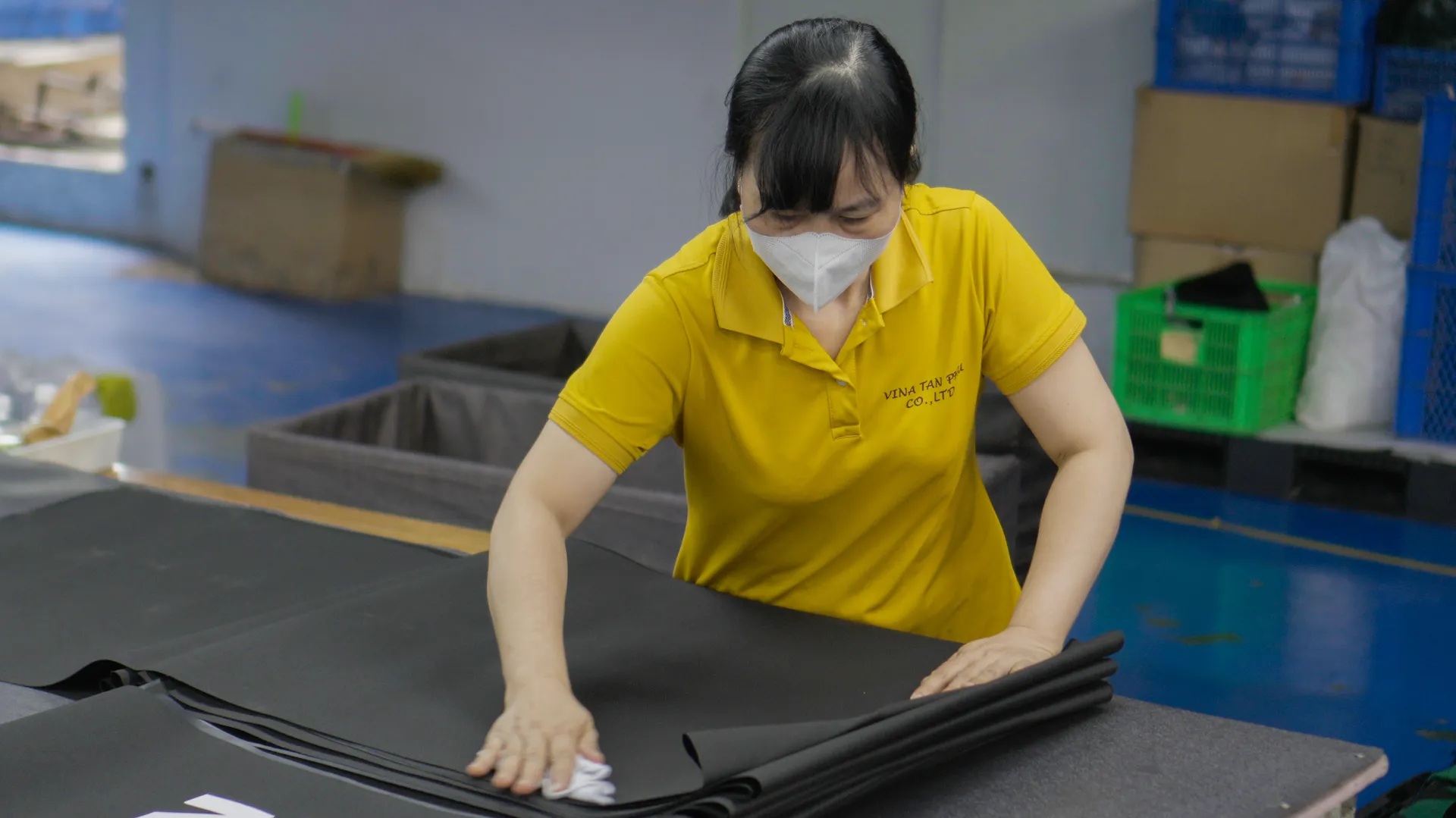
We get this question a lot from founders and procurement teams who are early in their sourcing journey: can’t a garment OEM factory just make our bags too? After all, both involve fabric, stitching, and sewing machines, right? We understand why this seems logical on paper, but after years of working exclusively on bags, backpacks, and technical soft goods, we can tell you firsthand that the two worlds are quite different — and choosing the wrong partner can cost you time, money, and product quality.
In this article, we want to walk you through why bag manufacturing deserves its own specialized approach, and what to look for when you’re evaluating a backpack manufacturer, backpack supplier, or sport bag manufacturer for your next collection.
The Core Difference Between Garment and Bag Manufacturing
A garment OEM factory is built around soft, drapey fabrics — cotton, jersey, wovens — and sewing techniques designed for comfort and movement on the human body. Their machines, patterns, and quality checks are calibrated for flat seams, hems, and stretch tolerances.
Bags, on the other hand, are structural products. They need to hold weight, resist abrasion, and maintain their shape through years of daily use. This calls for entirely different machinery, heavier-gauge needles, reinforced stitching patterns, and materials like Cordura, ripstop nylon, and heavy canvas that behave nothing like cotton twill or knit fabric. When we work on a project, we’re not just sewing panels together — we’re engineering a product that has to survive drops, weather, and constant zipper use.
Why Bar-Tack Stitching and Heavy-Duty Tolerances Matter
One of the biggest giveaways of a garment OEM factory that hasn’t specialized in bags is weak stress points. Handles, straps, and zipper pulls take the most abuse on any bag, and if they’re not reinforced properly, they fail fast.
We rely on bar-tack stitching at every major stress point because it distributes pressure across a wider area of fabric rather than concentrating it on a single seam. Pairing this with heavy-duty tolerances — meaning tighter, more consistent stitch density and seam allowances built for load-bearing use — is something general garment factories simply aren’t set up to do at scale. It’s a small detail with a big impact on product lifespan.
Foam Paneling and Structural Components
Backpacks, laptop sleeves, and technical soft goods often require foam paneling to protect contents, maintain shape, or add ergonomic comfort against the back and shoulders. This isn’t something you can bolt onto a garment OEM factory’s production line. It requires die-cutting equipment, foam lamination know-how, and an understanding of how different foam densities behave under compression over time.
When we build a Tech Pack for a client, foam paneling decisions are made early — because they affect everything downstream, from stitching sequence to final assembly. This is one of the clearest examples of why bag-specific expertise changes the outcome of a product.
What to Look for in a Backpack Manufacturer
If you’re evaluating a backpack manufacturer for your brand, we’d encourage you to ask a few pointed questions before signing on:
- Do they have in-house Tech Pack development, or do they only work from files you provide?
- Can they prototype quickly, or does sampling take months?
- Do they have experience with the specific fabrics you plan to use, such as Cordura, ripstop, or canvas?
- Are their quality control processes built around bag-specific stress points like straps, zippers, and handles?
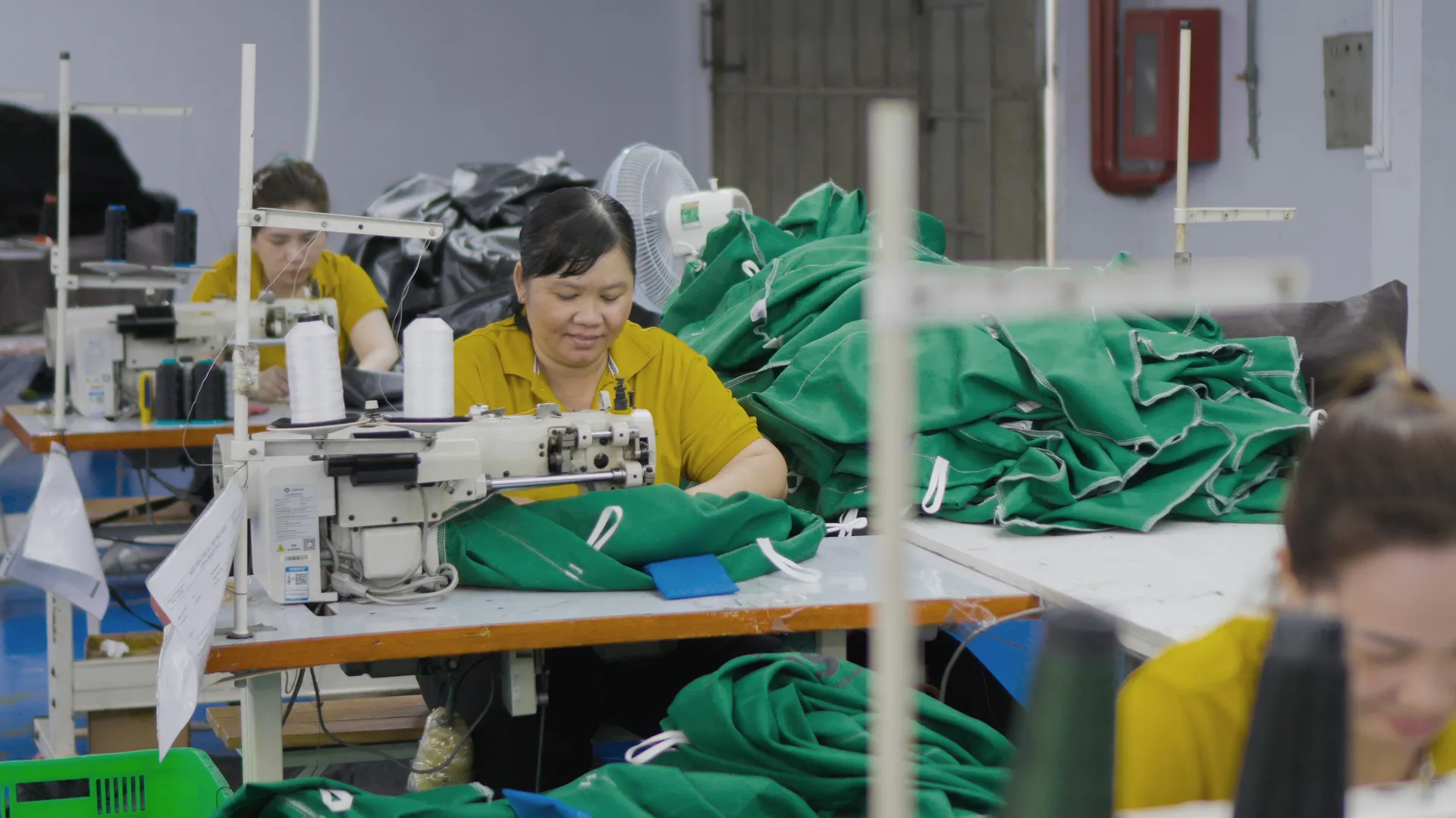
Comparing stitching techniques: a garment OEM factory’s flat seam versus reinforced bar-tack stitching used in bag production
A true backpack supplier should be able to answer all of these with confidence and show you real examples of past work, not just verbal assurances.
Custom Backpack Manufacturers vs. General Contract Sewers
There’s an important distinction between custom backpack manufacturers and general contract sewing shops that occasionally take on bag orders. Custom backpack manufacturers build their entire operation — pattern-making, cutting, stitching, quality control — around the unique demands of bags. Much like a garment OEM factory that occasionally accepts bag orders, general contract sewers may take the order because they have capacity, but they’re often learning bag-specific techniques on your production run, which is a risky way to develop a new product.
We’ve seen brands come to us after a first production run with a general sewing shop resulted in stitching failures, misaligned zippers, or inconsistent sizing across units. Rework is expensive, and delays can mean missed retail windows. Specialization exists for a reason, and in bag manufacturing, that reason becomes obvious the moment something goes wrong on a load-bearing seam.
Choosing the Right Sport Bag Manufacturer for Technical Gear
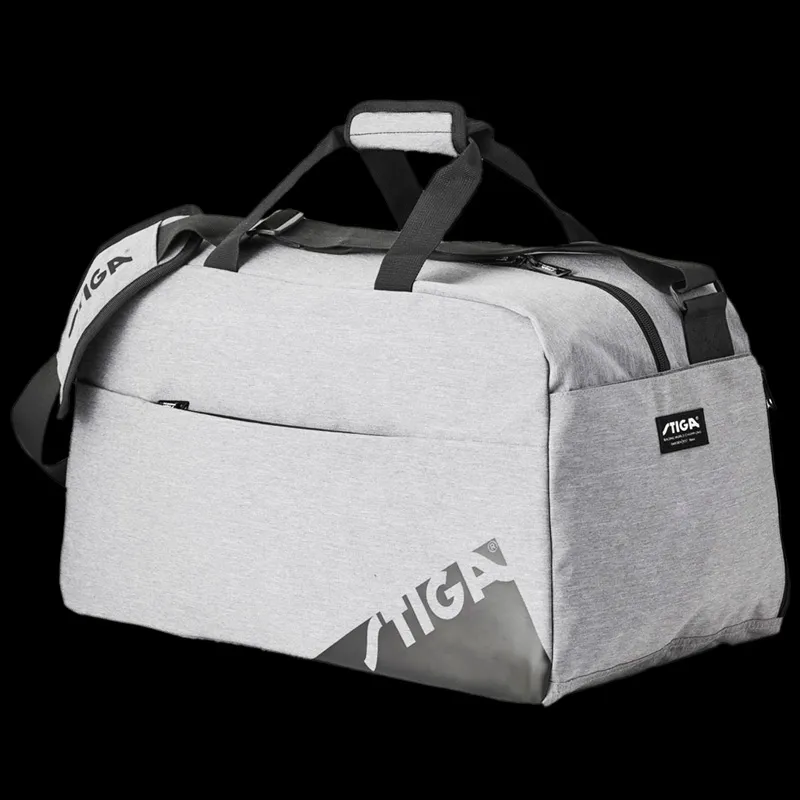
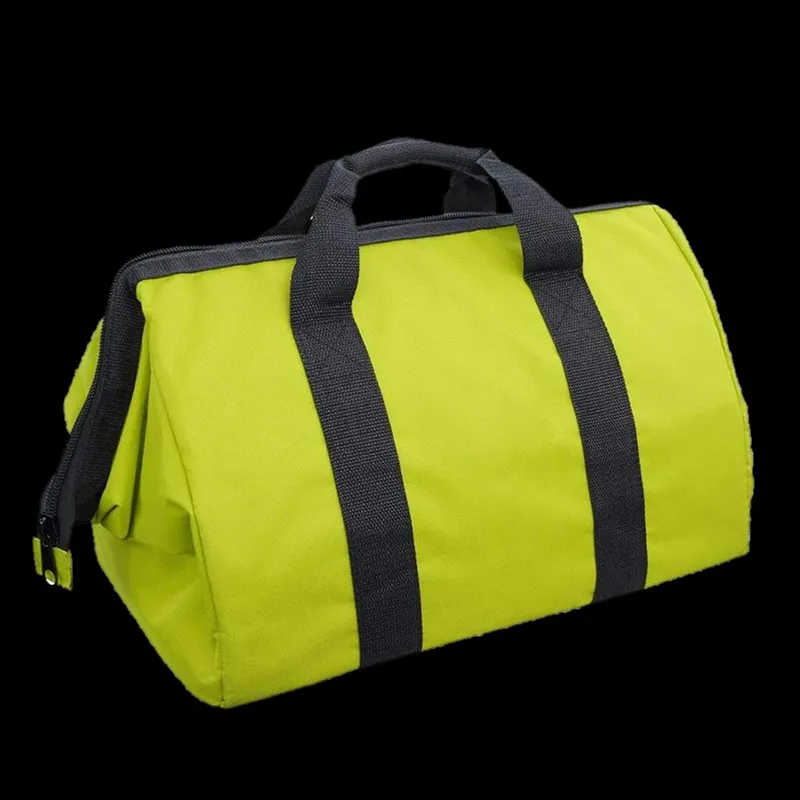
Sport bags and technical gear bring their own layer of complexity. Think gym duffels with ventilated compartments, hydration packs with reinforced straps, or industrial tool bags that need to withstand rough job site conditions. A sport bag manufacturer needs to understand not just sewing, but also how a product will be used in real-world, high-stress environments.
This is where fabric selection, hardware sourcing, and construction techniques all come together. We look at how a bag will actually be carried, loaded, and abused before we finalize a Tech Pack, because the goal isn’t just to make something that looks right in a sample photo — it’s to make something that performs for years.
The Value of Rapid Prototyping in Bag Development
One of the most overlooked advantages of working with a bag-specialized OEM/ODM partner is prototyping speed. Because we work exclusively with bag components, patterns, and machinery, we’re able to turn around precision prototypes in a matter of days rather than weeks. This matters enormously during product development, when founders and designers need to iterate quickly on fit, materials, and construction details before committing to high-volume production.
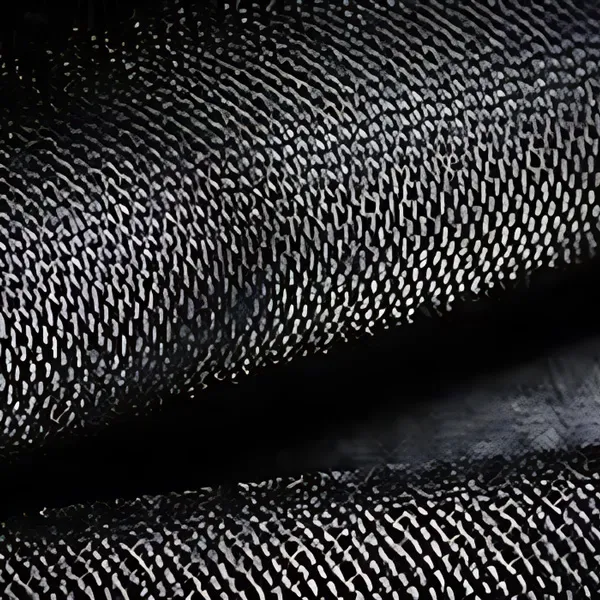
Foam paneling and heavy-duty fabric cutting in a bag-specialized workshop, illustrating what a typical garment OEM factory can’t replicate
Fast, accurate prototyping also reduces costly surprises later. Catching a stitching issue or a poor fabric choice at the sample stage is far cheaper than discovering it after thousands of units have already shipped.
Export Compliance and Scaling Production
Beyond craftsmanship, brands scaling into international markets need a manufacturing partner who understands export compliance for regions like the USA, EU, and Australia. This includes everything from labeling requirements to material safety standards. A factory without this experience can create bottlenecks right when you’re ready to grow, so it’s worth confirming this capability early in your sourcing conversations.
Conclusion
Choosing between a garment OEM factory and a bag-specialized manufacturer isn’t just a technical detail — it’s a decision that shapes the durability, quality, and success of your entire product line. Bags demand their own materials, machinery, and construction philosophy, and that specialization shows up in every stitch, panel, and strap.
We’d encourage you to explore more technical bag design insights or consult with the product engineering team at Bola Bag to bring your custom bag collection to life.


BOLA BAG's BLOG YOU MAY ALSO BE INTERESTED IN
How to Do Garment Business Well: The Part Nobody Writes About
Choosing the Right Canvas Bag Supplier for Wholesale and Custom Manufacturing
Wholesale Sports Bags Manufacturing Solutions for Sportswear Brands