


Put two plain black T-shirts side by side at the same price. After five washes, one still fits and holds its colour; the other has shrunk a size, twisted at the side seams and faded to grey. Both passed as “good quality” on the day they were sold. That gap is why the question of what is quality in garment industry terms has a more precise answer than most shoppers expect. In a factory, quality is not a feeling. It is a list of things that can be measured, agreed on paper and checked. This article explains how the industry defines quality, the five areas buyers measure, who decides the standard and how the same ideas apply to bags.
What Is Quality in Garment Industry Terms
Two definitions from the history of quality management are still used on factory floors. Philip Crosby described quality as conformance to requirements, and Joseph Juran described it as fitness for use. In a garment factory, both apply. A garment has quality when it matches the agreed specification, and when it does the job the wearer bought it for.
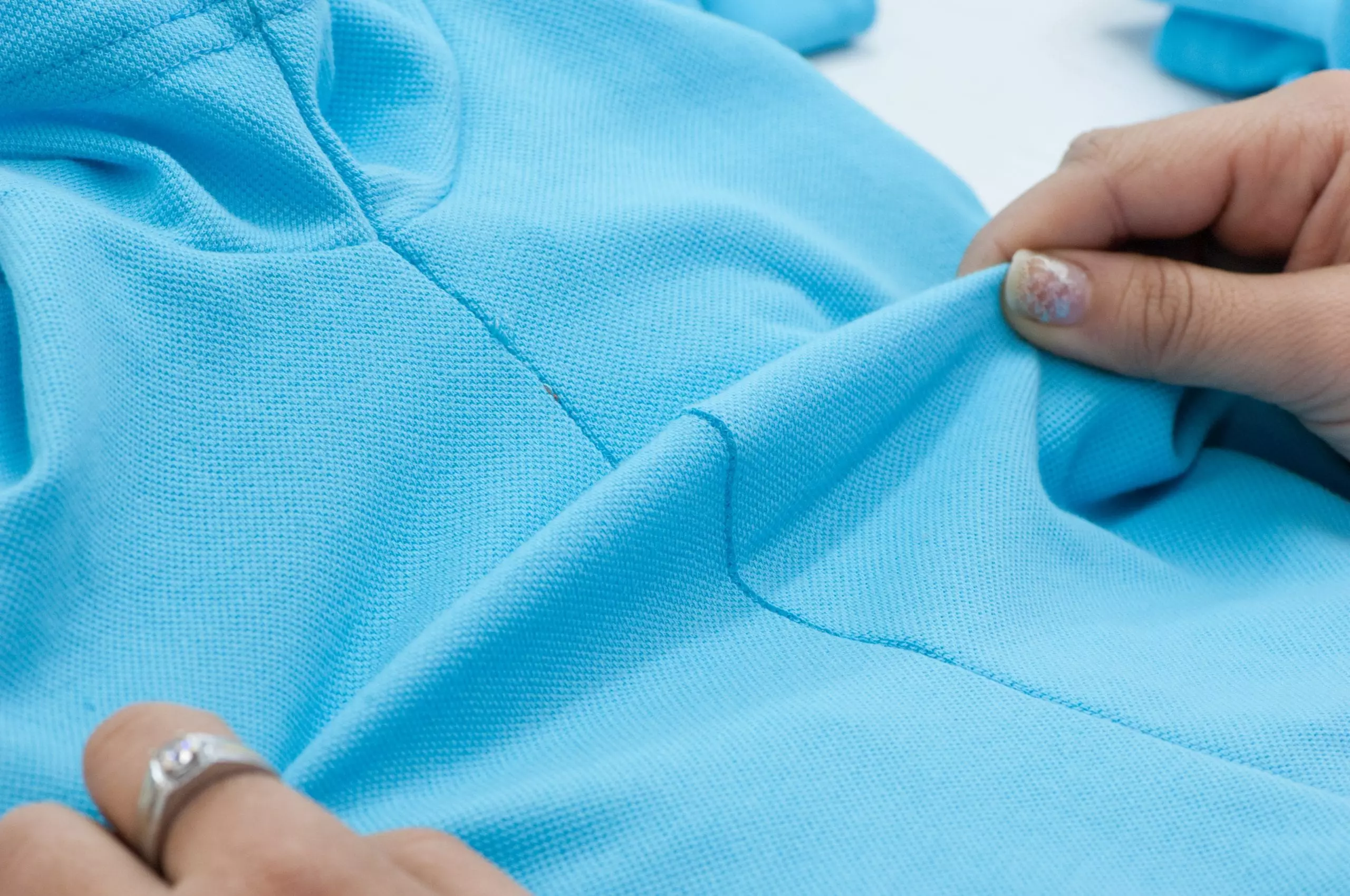
Garment Quality Control
The specification lives in the tech pack and the approved sample: the fabric, the colour, the measurements, the stitches and the trims. A garment that matches all of it but falls apart after three washes fails the second test. A garment that is beautifully made but three centimetres too long fails the first. Good quality means passing both.
The Five Parts of Garment Quality Buyers Check
Buyers and inspectors break quality down into a handful of areas. Each one can be measured, which is what turns quality from an opinion into something a factory can be held to.
Fabric Free of Flaws and Colour Problems
The fabric must be free of holes, stains, slubs and weaving faults, and the colour must match the approved standard and stay consistent from roll to roll. Fabric inspection usually uses a point system, where flaws earn penalty points by size and a roll is accepted or rejected on its total.
Stitching and Seams That Are Strong and Even
Seams should be straight, with the right number of stitches per inch, no skipped stitches, no puckering and no loose threads. Seam strength matters as much as looks, especially at stress points like the crotch, underarm and pocket corners.
Measurements That Match the Size Chart
Every garment is measured at key points such as chest, waist, length and sleeve, and compared with the size chart. Each point has an allowed variation, often around a centimetre on large measurements. Pieces outside that range are defects even if they look perfect.
Zips and Buttons That Work and Stay Attached
Zippers must run smoothly without catching, buttons must stay on under a pull test, snaps must close firmly and labels must be sewn straight in the right place with the right care information. A garment with a broken zipper is returned no matter how good the fabric is, so trims are checked as closely as the main body.
How the Garment Holds Up in Washing and Wear
Lab tests check shrinkage after washing, colourfastness to washing and rubbing, and how quickly the fabric pills. These tests predict the five wash result from the T-shirt example before a single piece reaches a customer.
Who Decides What Good Quality Means
Quality is not one fixed level. The buyer sets it, based on the price point, the brand and the customer. A fast fashion basic and a technical outdoor jacket can both be good quality while meeting very different standards. The buyer writes those standards into the tech pack, sets the acceptable defect rate for final inspection and approves the sample that everyone works to.
Price and quality are linked, but not in a straight line. A higher price usually buys better fabric, more stitches, more checks and tighter limits. It does not guarantee them. A cheap garment made to a clear specification can outperform an expensive one made to a vague brief, which is why experienced buyers spend so much time on the tech pack before talking about price. The factory’s job is to understand that standard and meet it consistently. That shared understanding is also the core of what is garments technology, where sketches and specifications become repeatable production methods.
How Quality Is Checked Inside a Factory
Preventing Problems Before They Reach the Line
Approving materials, training operators, setting machines and checking the first pieces of each operation all stop defects from being made. This preventive side is known as quality assurance.
Counting Defects in a Random Sample of Finished Pieces
Inspection pulls a set number of pieces from the finished order and counts defects against an agreed limit, usually called AQL. If the count is too high, the order is reworked or rejected. When evaluating an oem garment manufacturer, ask how both sides are handled, not just the final inspection.
What Quality Means for Bags
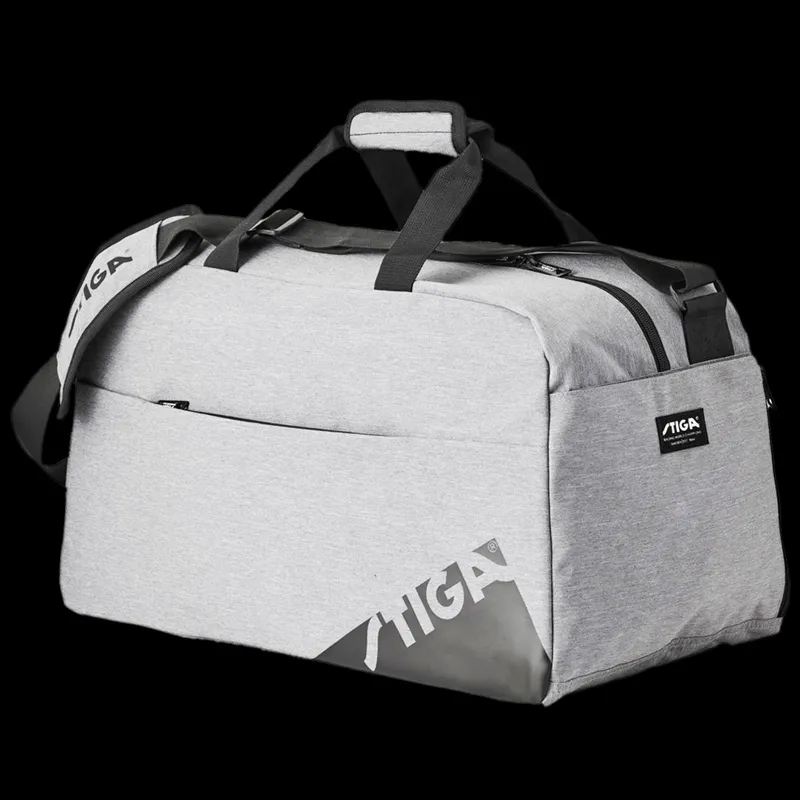
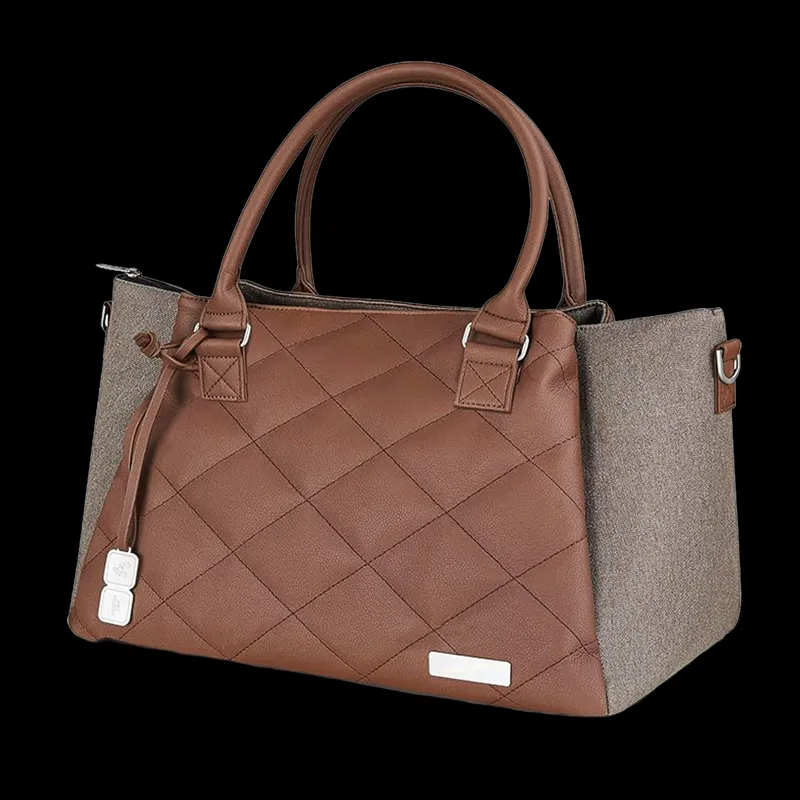
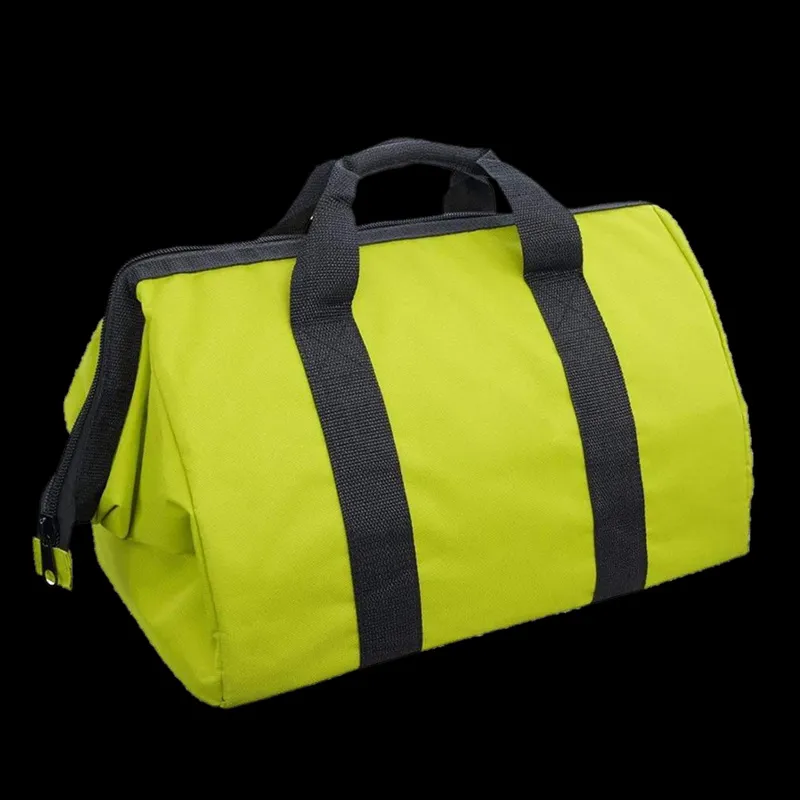
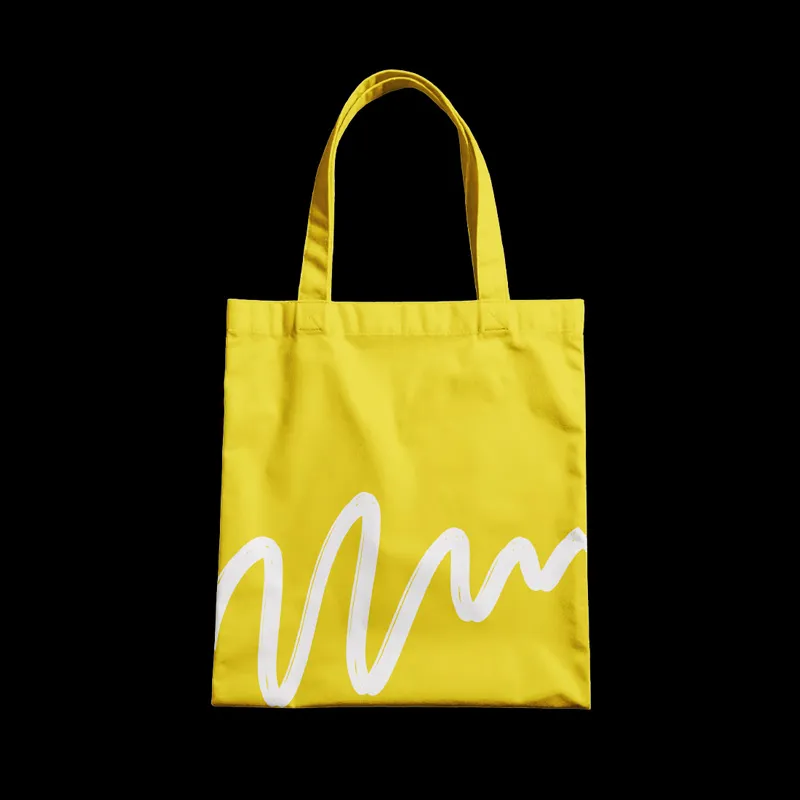
Bags follow the same principles but add new measures. A backpack is judged on how much weight its straps and handles can carry, how many open and close cycles its zippers survive, how well its coated fabric resists water and how its bar tacks hold at every load point. Measurements matter less than on a fitted shirt, but strength and durability matter far more. A bag that looks perfect and tears at the strap in the first month is a quality failure, however neat its stitching.
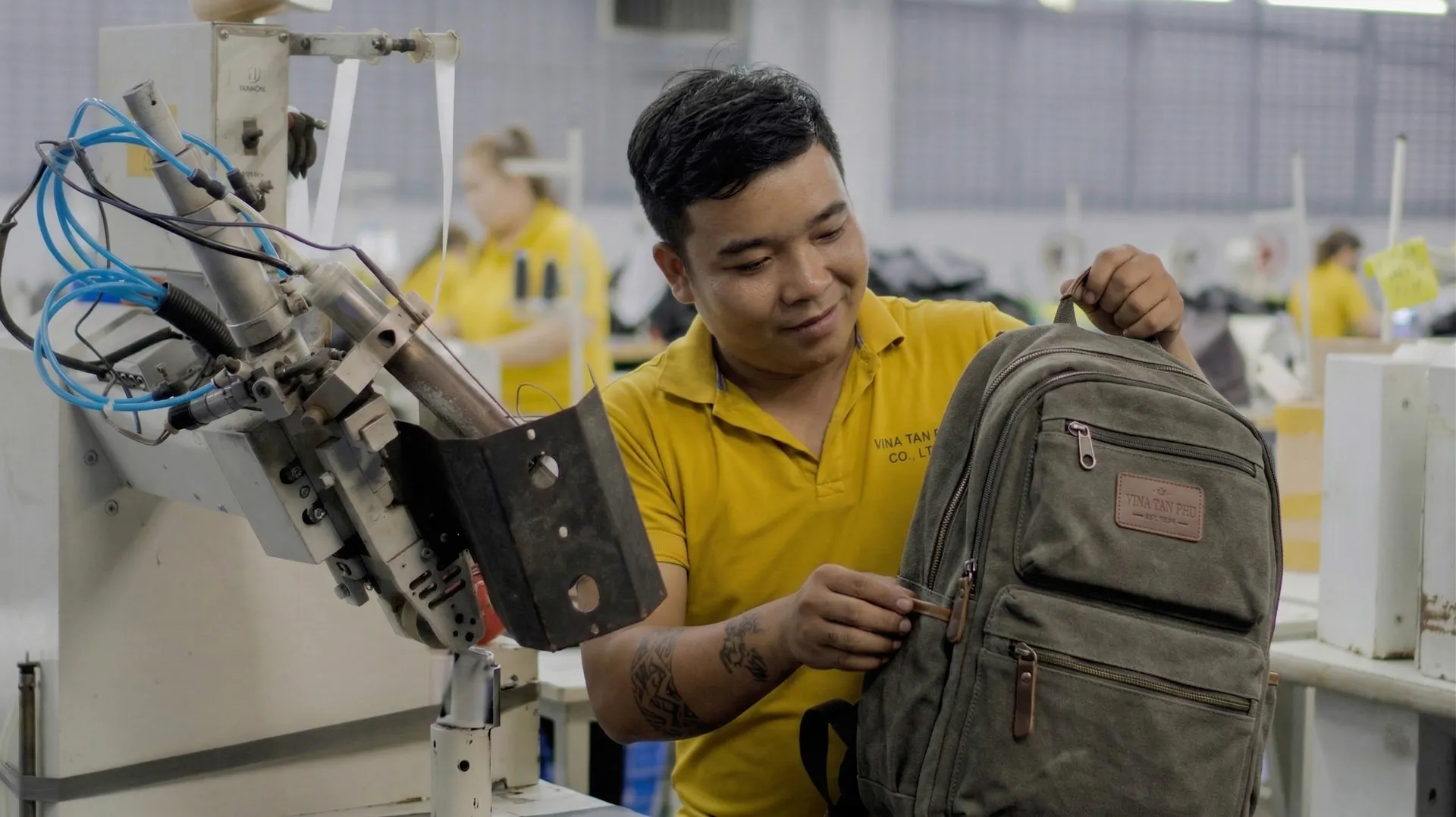
Backpack Sample
Bag buyers also look at details that clothing buyers rarely think about. Edge binding should cover raw fabric edges completely, foam padding should sit evenly without lumps, and coated fabrics should show no cracks where they fold. Hardware such as buckles and hooks is checked for sharp edges and for strength under load, because a failed buckle drops whatever the bag is carrying.
Conclusion
So what is quality in garment industry terms? It is conformance to an agreed specification and fitness for the use the customer expects. Buyers measure it through fabric condition, stitching and seams, measurements against the size chart and performance in washing and wear. The buyer sets the level, and the factory proves it through prevention on the line and inspection at the end. For bags, strength and durability move to the top of the list.
Bola Bag has made backpacks, technical bags and totes in Ho Chi Minh City since 2015 for brands worldwide as an OEM and ODM partner, working to the quality standard each brand sets for its customers. See how we work on our capabilities page, or send us your tech pack and the quality standard you need and we will quote it honestly.
Read more: How Much Does It Cost to Manufacture a Bag? A Friendly Breakdown


BOLA BAG's BLOG YOU MAY ALSO BE INTERESTED IN
How Can I Start Garment Business? A Friendly Step-by-Step Guide
Wholesale Laptop Backpacks Manufacturer Assembly Lines Meet Strict Export Standards
Choosing the Right Tool Bag Manufacturer for Your Needs