


An inspector opens a carton, takes out a jacket and starts measuring: chest, length, sleeve, then the zipper, the seams, the label, the fabric. Every defect goes on a sheet. Twenty minutes and several dozen pieces later, the numbers decide whether thousands of jackets ship that week or go back to the line. That is quality control at its sharpest. So what is quality control in garment industry production? It is the inspection and testing of materials, work in progress and finished goods to find defects and make sure only products that meet the agreed standard leave the factory. This guide covers when QC happens, what inspectors check, how defects are graded and how sampling decides pass or fail.
What Is Quality Control in Garment Industry Production
Quality control is the part of quality management that checks the product itself. In a garment factory, QC teams inspect, measure, test and sort. Their job is to catch defects, stop faulty goods from reaching the buyer and report problems back to production so they can be fixed. QC works hand in hand with the wider system that plans quality into the process from the start. The difference is timing and focus: prevention happens before and during the work, while QC confirms the result. A factory with strong prevention still needs QC, because no process is perfect and buyers want proof.
Garment Quality Control
QC can be done by the factory’s own team, by the buyer’s staff or by an independent inspection company hired by the buyer. Many brands use all three at different points: the factory checks every day, the brand visits during production, and a third party carries out the final inspection so the result is independent. The checklist and the pass limits are agreed before production starts, so nobody argues about the rules on inspection day.
The Three Stages of Garment Quality Control
Checking Fabric and Accessories Before Cutting
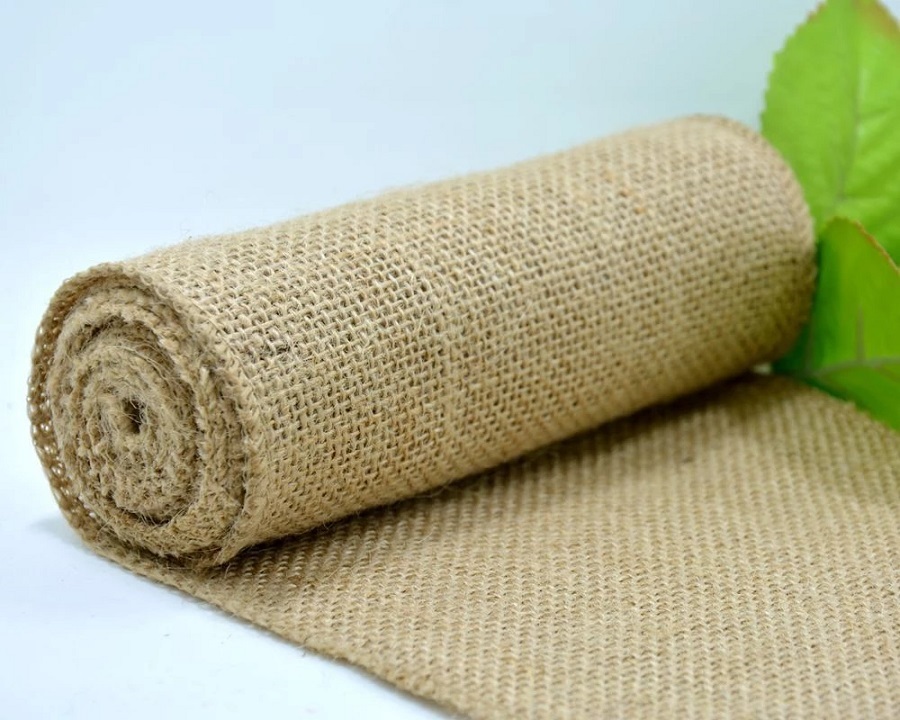
Incoming fabric is inspected roll by roll for holes, stains, weaving faults and shade differences, often using a four point system that scores each flaw by size. Zippers, buttons, labels and threads are checked against approved samples. Lab tests confirm shrinkage and colourfastness before the fabric is cut, because once it is cut, a fabric problem becomes a garment problem.
Inline Checks While Garments Are Being Sewn
Inline inspectors move along the sewing line and check pieces at key operations, such as collar attaching or pocket setting. When they find a defect, they stop it at the source by correcting the operator or the machine setting. Many factories also check finished pieces at the end of each line before they go to finishing.
Final Inspection of Packed Goods
When the order is packed, a random sample is pulled from the cartons and inspected in full. Inspectors check measurements, workmanship, fabric, accessories, labels, packing and carton marks. This is the inspection buyers or their third party inspectors usually attend, and it decides whether the order ships.
What Inspectors Look For on Each Garment
Measurements Against the Size Chart
Key points such as chest, waist, hip, length and sleeve are measured and compared with the size chart. Each point has an allowed variation, and pieces outside it are counted as defects.
Stitching and Seams
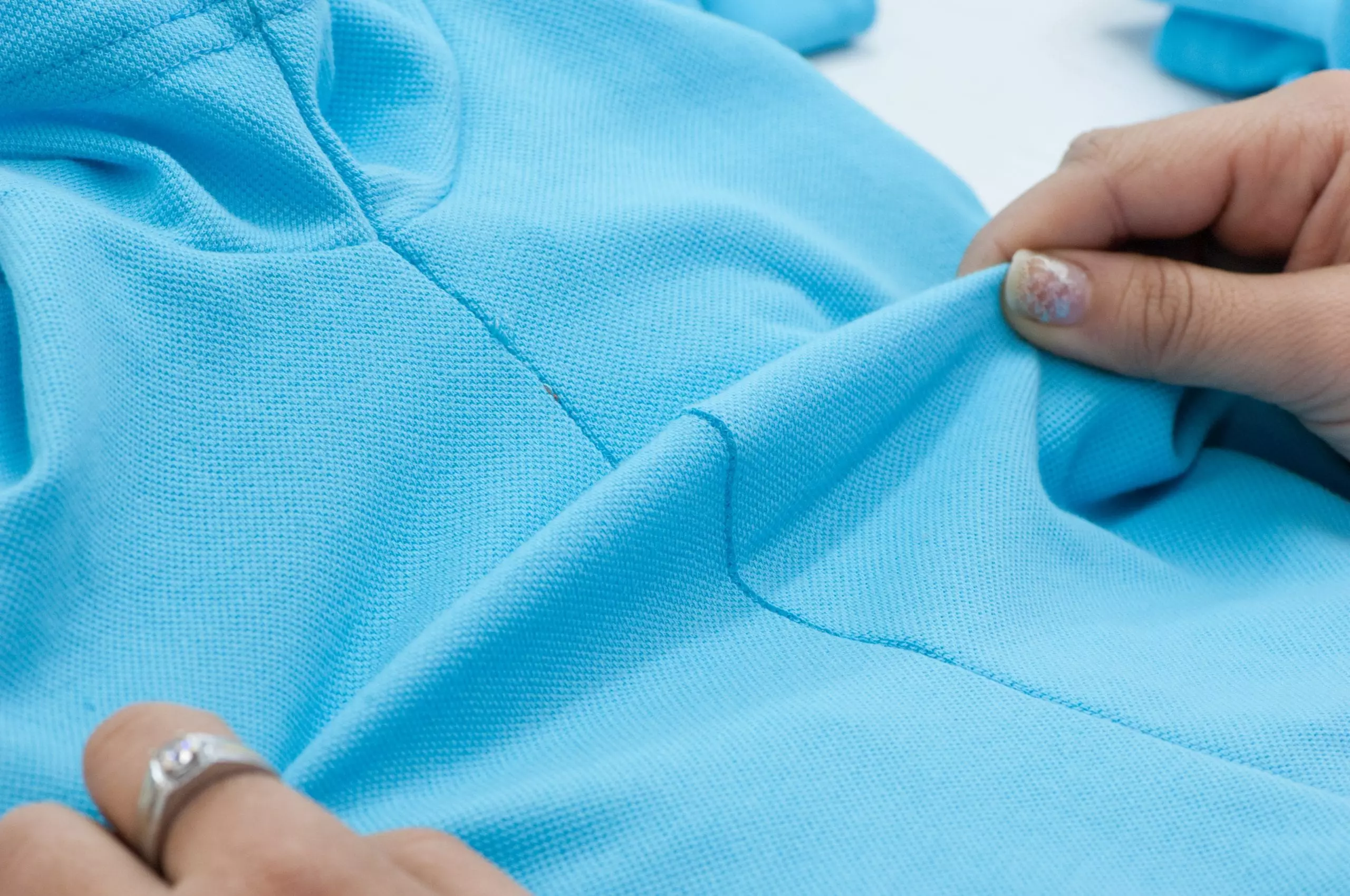
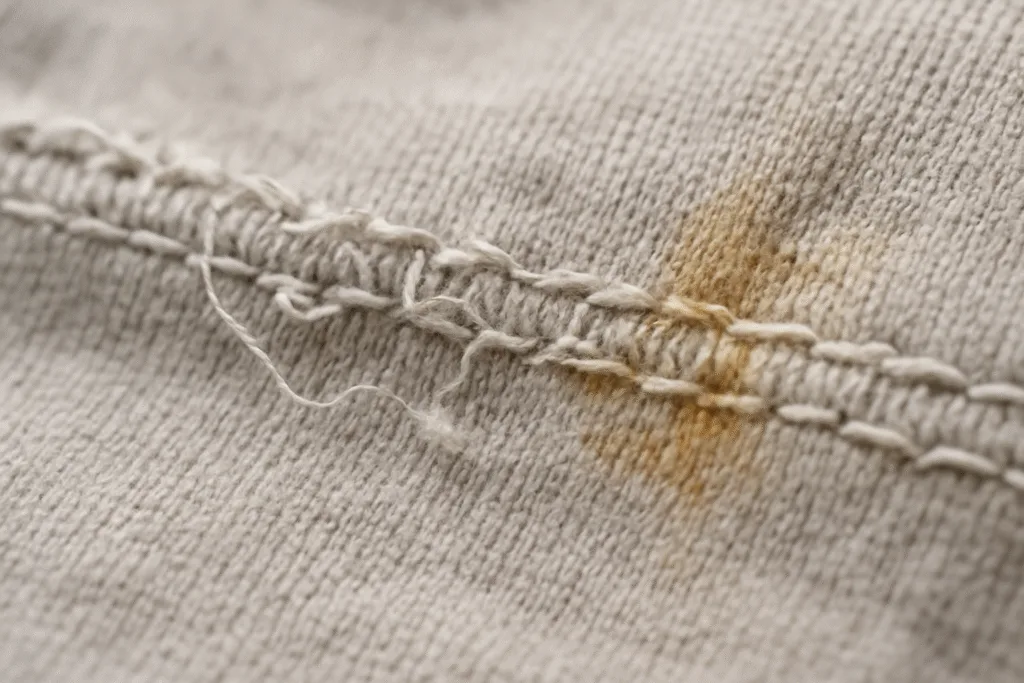
Inspectors look for skipped or broken stitches, open seams, puckering, uneven topstitching, loose threads and poor pressing. Stress points like underarms and pocket corners get extra attention.
Fabric Faults and Colour Differences
Holes, stains, slubs and shade differences between panels of the same garment are all defects. Panels cut from different rolls can look fine alone and wrong when sewn side by side.
Zips and Buttons
Zippers are run open and closed, buttons are tugged, snaps are closed and opened, and labels are checked for position, content and care instructions.
How Defects Are Graded and How Sampling Works
Not every defect counts the same. Most inspections sort them into three levels. A critical defect makes the product unsafe or illegal to sell, such as a broken needle left inside. A major defect is likely to make the customer return the product, like an open seam or a size that is badly wrong. A minor defect is a small flaw most customers would not notice or mind.
Garment Defects
Because inspecting every piece in a large order is slow and costly, final inspection usually follows a sampling plan based on the AQL, or acceptable quality limit. The order size sets how many pieces are checked and how many defects of each level are allowed. Many apparel buyers use AQL 2.5 for major defects and 4.0 for minor ones, with zero critical defects allowed. If the count is over the limit, the order fails and is reworked or sorted piece by piece. Brands choosing an oem garment manufacturer should ask for past inspection reports, not just a description of the system.
Quality Control for Bags and Technical Soft Goods
Bags follow the same stages but add tests clothing rarely needs. Straps and handles are pull tested, zippers go through repeated open and close cycles, and seams at load points are checked for strength. Buckles and hooks are tested under load, and coated fabrics are checked for cracks where they fold. A bag that passes a visual check can still fail a strap pull test, which is why bag QC leans more on testing than garment QC does. Anyone comparing backpack supplier options should ask which tests are run on every order.
Conclusion
What is quality control in garment industry production? It is the inspection and testing that confirms each order meets the agreed standard before it ships. QC checks fabric and accessories before cutting, watches the sewing line while garments are made and inspects packed goods at the end. Inspectors measure against the size chart, check stitching, fabric and accessories, grade defects as critical, major or minor, and use AQL sampling to decide pass or fail. For bags, strength tests on straps, zippers and seams join the list.
Bola Bag has made backpacks, technical bags, tool bags and totes in Ho Chi Minh City since 2015 as an OEM and ODM partner for brands worldwide, turning samples around in 7 to 10 business days and running production in 30 to 45 days. See how we work on our capabilities page, or send us your tech pack and the inspection standard you use and we will quote it honestly.
Read more: How to Start a Bag Business: Niche, Sample and Sell


BOLA BAG's BLOG YOU MAY ALSO BE INTERESTED IN
What Is Garment Production? The Eight Steps From Fabric Roll to Finished Garment
Top 5 Best Laptop Bag Manufacturers with Export Standards in 2026
Choosing the Right Canvas Bag Supplier for Wholesale and Custom Manufacturing