


A brand waits eight weeks for an order, sends an inspector to the factory, and the final check fails. The shade of the fabric drifted between rolls, and it shows on every third piece. By then the garments are sewn, packed and sitting in cartons, and the only choices left are rework, a discount or a missed launch. That is the problem quality assurance exists to prevent. So what is quality assurance in garment industry terms? It is the system that builds quality into every step before the goods are finished, rather than hoping an inspection at the end will catch what went wrong. This guide explains what it covers, how it differs from quality control, the checkpoints from fabric to carton, and why it matters even more for bags.
What Is Quality Assurance in Garment Industry Terms
In plain words, quality assurance, or QA, is planned work that makes defects unlikely to happen at all. It sets the standards, approves materials, trains people and checks the process at each stage. The international quality standard ISO 9000 describes it as the part of quality management focused on giving confidence that quality requirements will be met. The emphasis is on confidence before the product exists, not proof afterwards. QA also leaves a paper trail. Approved samples are labelled and kept, fabric test results are filed with the order, and inspection reports record what was found and what was done about it. When a problem appears months later, those records show where it started, which is what lets a factory fix the cause instead of repeating it.
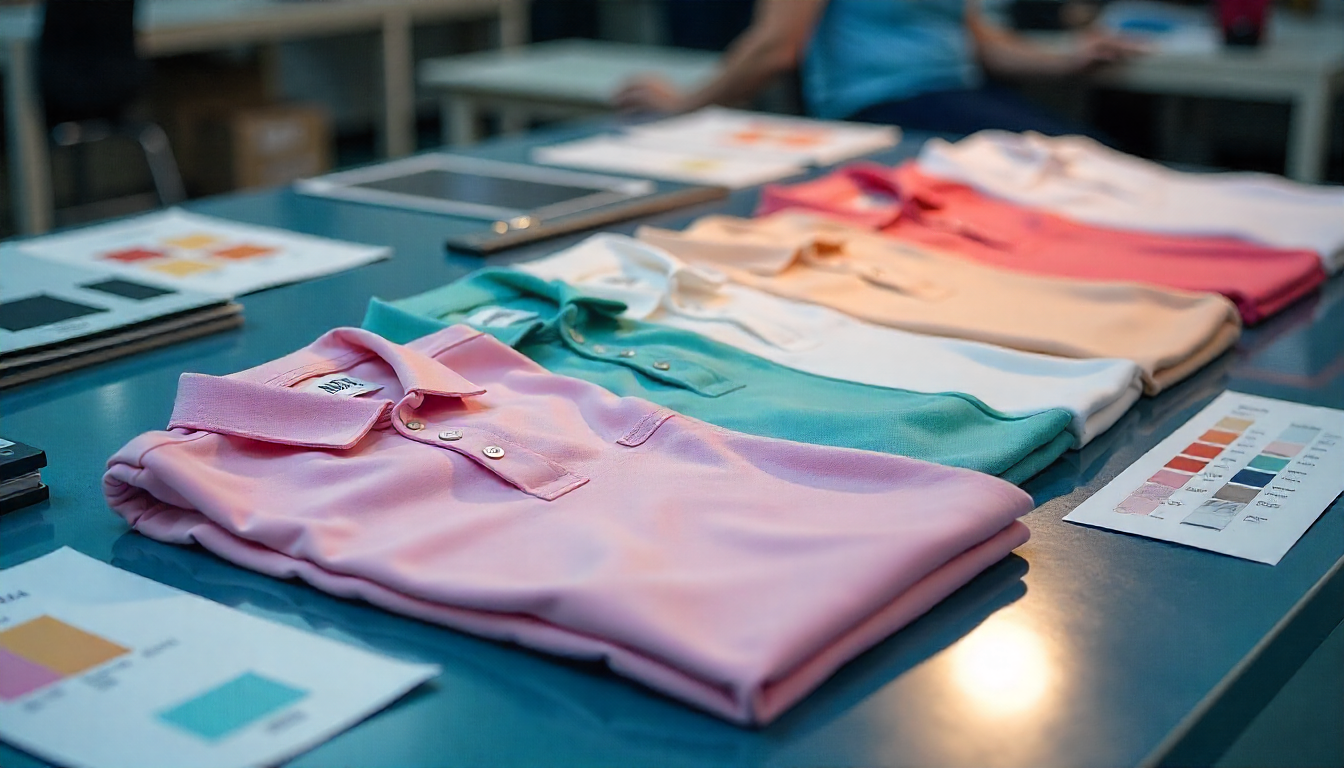
Garment Factory
In a garment factory, that means QA starts long before the first seam. It begins with the tech pack and the approved sample, continues through fabric and trims, and stays on the sewing floor until the last carton is sealed. The general idea of quality assurance comes from manufacturing as a whole, but clothing adds its own risks: fabric that shrinks, colours that vary from roll to roll and hundreds of hands touching each order.
Quality Assurance and Quality Control Are Different Jobs
The two terms are often used as if they were the same thing, and factories blur them too. The difference is where each one looks.
Quality Assurance Looks at the Process
QA asks whether the way the garment is being made will produce the right result. It checks that the right fabric was approved, that operators know the standard, that machines are set correctly and that measurements are checked early. Its goal is prevention.
Quality Control Looks at the Finished Product
Quality control, or QC, inspects what has been made and separates good pieces from bad ones. It finds defects after they exist. A factory needs both, but a factory that relies on QC alone ends up paying for rework on every order.
The Quality Assurance Checkpoints From Fabric Roll to Carton
Most factories follow a similar sequence. Each checkpoint catches a different kind of problem, and each one is cheaper than fixing the same problem later. The stages line up with the flow of what is garment production from cutting to packing.
Approving the Design File and the First Sample
Every order starts with a technical file listing the fabric, trims, stitch types, measurements and allowed variation. The factory makes a sample to that file, the buyer approves it, and that approved sample becomes the reference for the whole run. If anything is unclear at this stage, it will be unclear on the production line too.
Checking Fabric and Accessories Before Cutting
Fabric rolls are inspected for holes, stains, weaving faults and colour variation. Many factories use the four point system, which gives each flaw one to four penalty points depending on its length. Trims such as zippers, buttons and labels are checked against the approved samples, and tests for shrinkage and colourfastness are run before any fabric is cut.
Setting the Standard on the Sewing Line
Operators are shown the approved sample and the key points of each operation before production starts. Machine settings such as stitch density and thread tension are set and recorded. This is where training pays off, because a mistake made on the first ten pieces can be corrected before it is repeated a thousand times.
Checking Pieces While Production Is Running
Inline checkers walk the line and pull pieces at random from each operation. When a defect appears, they trace it back to the operator or machine and fix the cause. A second check halfway through the order confirms that measurements and workmanship have not drifted.
Final Random Inspection Before Shipping
When the order is packed, a sample of cartons is opened and a set number of pieces is inspected against an acceptable quality limit. Many apparel buyers set AQL 2.5 for major defects and 4.0 for minor ones. If QA has done its job, this inspection confirms what everyone already knows.
Why Quality Assurance Matters Even More for Bags
A shirt has fabric, thread and a few buttons. A backpack can have twenty or more components: shell fabric, lining, foam, webbing, buckles, zippers, sliders, binding and reinforcement patches. Each one is a separate chance for something to go wrong, and many of them carry load. A handle that looks fine can still pull out after a month of carrying a laptop.
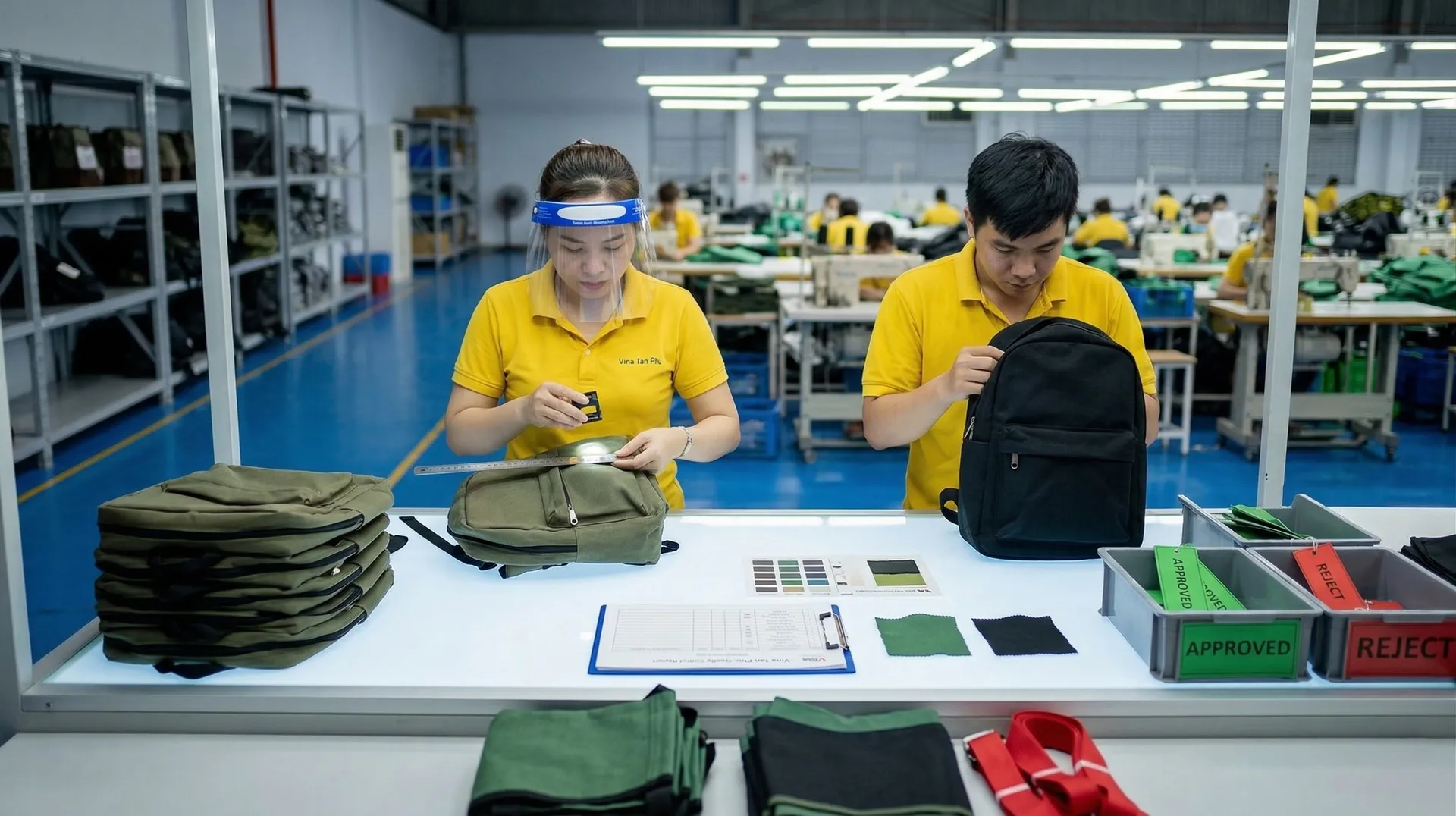
Quality Assurance For Bags
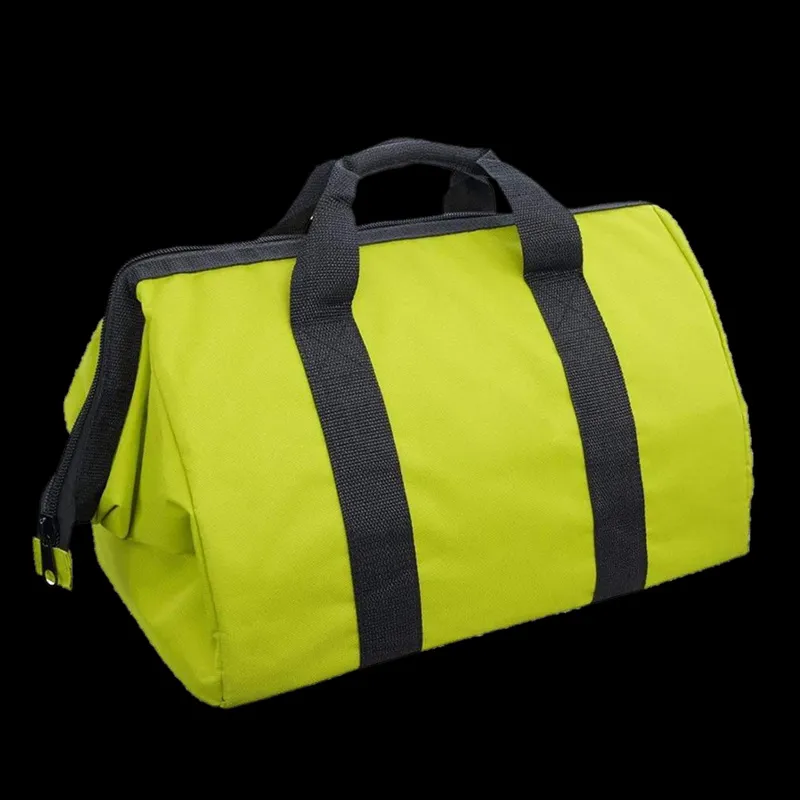
Tool bags show this clearly. A bag made for a power tool brand is loaded with drills, batteries and chargers, dropped on site floors and dragged in and out of vans. The fabric can be perfect and the stitching neat, and the bag still fails if one strap anchor was sewn with the wrong thread or too few stitches. That is why QA for bags adds checks that clothing rarely needs, such as pull tests on handles and straps, zipper cycle tests, seam strength on load points and bar tack placement. Brands comparing custom backpack manufacturers should ask to see these checks written down, not just described.
Conclusion
What is quality assurance in garment industry production? It is the system that prevents defects by controlling the process from the approved sample to the sealed carton. QA sets the standard, checks fabric and trims before cutting, trains operators, watches the line while production runs and ends with a final inspection that should hold no surprises. Quality control finds defects; quality assurance stops them from being made. For bags, with many more components and parts that carry weight, the case for strong QA is even stronger.
Bola Bag has manufactured backpacks, technical bags, tool bags and totes in Ho Chi Minh City since 2015 as an OEM and ODM partner for brands worldwide, turning approved samples around in 7 to 10 business days and running production in 30 to 45 days. See how we work on our capabilities page, or send us your tech pack and a target quantity and we will quote it honestly.
Read more: Garment OEM Explained: What It Means for Bags and Technical Soft Goods


BOLA BAG's BLOG YOU MAY ALSO BE INTERESTED IN
What Is Quality Control in Garment Industry? The Inspections That Decide What Ships
Is Textile Industry Profitable? Key Factors That Drive Success
How Smart Brands Scale Volume with Flexible Bike Bag Manufacturers