



The textile industry is one of the world’s major manufacturing sectors, supplying materials and finished products for fashion, retail, travel, sports, logistics, and everyday consumer goods. But for businesses considering entering the industry, an important question remains: is textile industry profitable? The answer is yes, but profitability depends on several factors. Material costs, labor, production efficiency, product positioning, order volumes, quality control, and access to reliable customers all influence how profitable a textile business can become. For businesses focused on bags and sewn products, the industry offers particularly interesting opportunities because the same manufacturing capabilities can support multiple product categories and markets.
What Makes the Textile Industry Profitable?
How Profit Is Generated
Textile businesses typically generate profit by controlling production costs while creating products that customers are willing to pay for. However, not every textile product has the same profit potential. Basic commodity products tend to face intense price competition. When several suppliers offer nearly identical products, buyers can easily compare prices and switch suppliers.
Where the Higher Margins Sit
More specialized products can provide better opportunities. Customized bags, technical backpacks, protective cases, sports equipment, and branded promotional products often require more design, materials, construction, and quality control. These factors can create additional value and reduce direct price competition. For manufacturers, the goal is therefore not simply to produce more products, but to produce efficiently while focusing on categories where quality and customization matter.
Why Bag Manufacturing Is an Attractive Segment
Why Bags Suit Volume Production
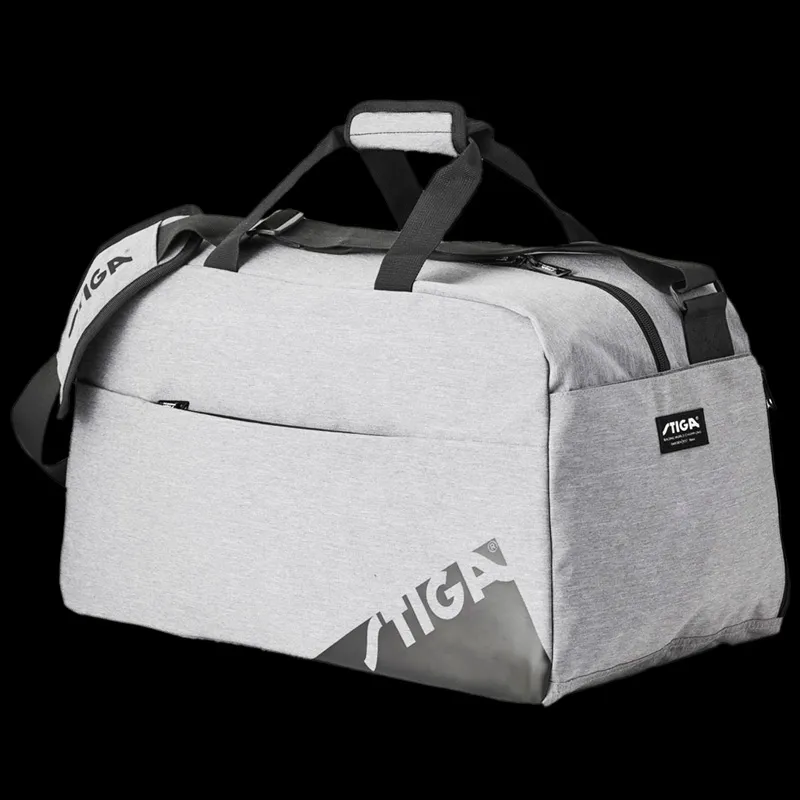
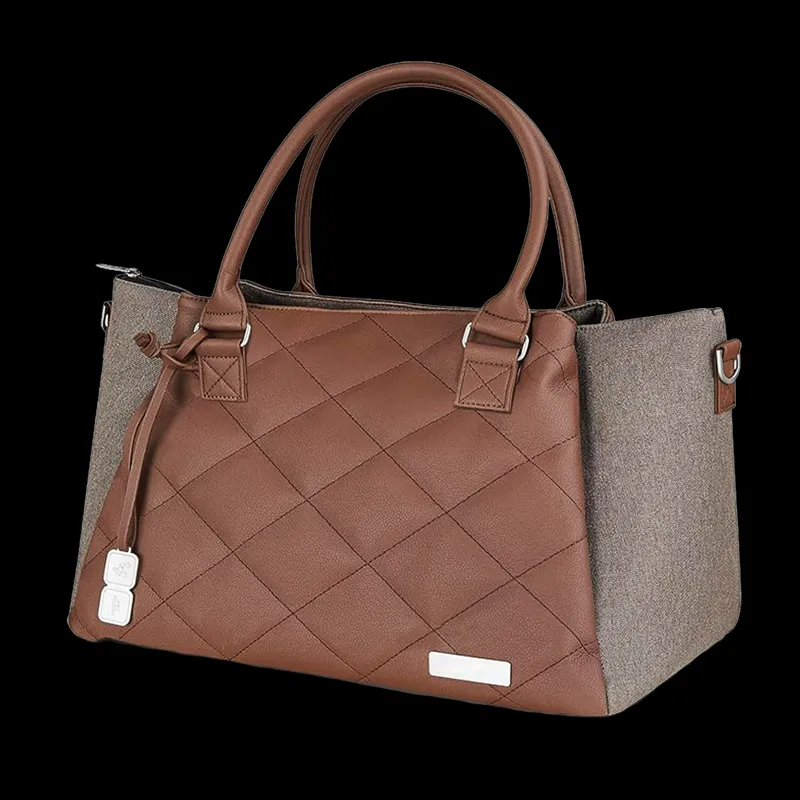
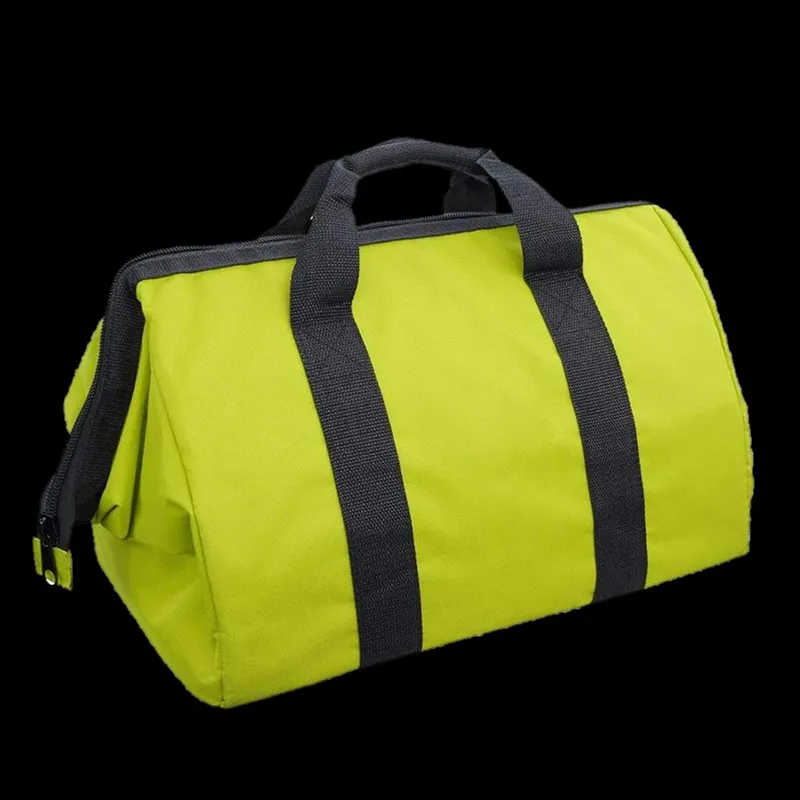
Bag manufacturing is a major part of the broader textile and sewn products industry. Bags are used across retail, travel, education, sports, outdoor activities, corporate promotions, electronics, and industrial applications. A single production facility may be able to manufacture several categories, including tote bags, backpacks, laptop bags, sports bags, pouches, travel bags, and tool bags.
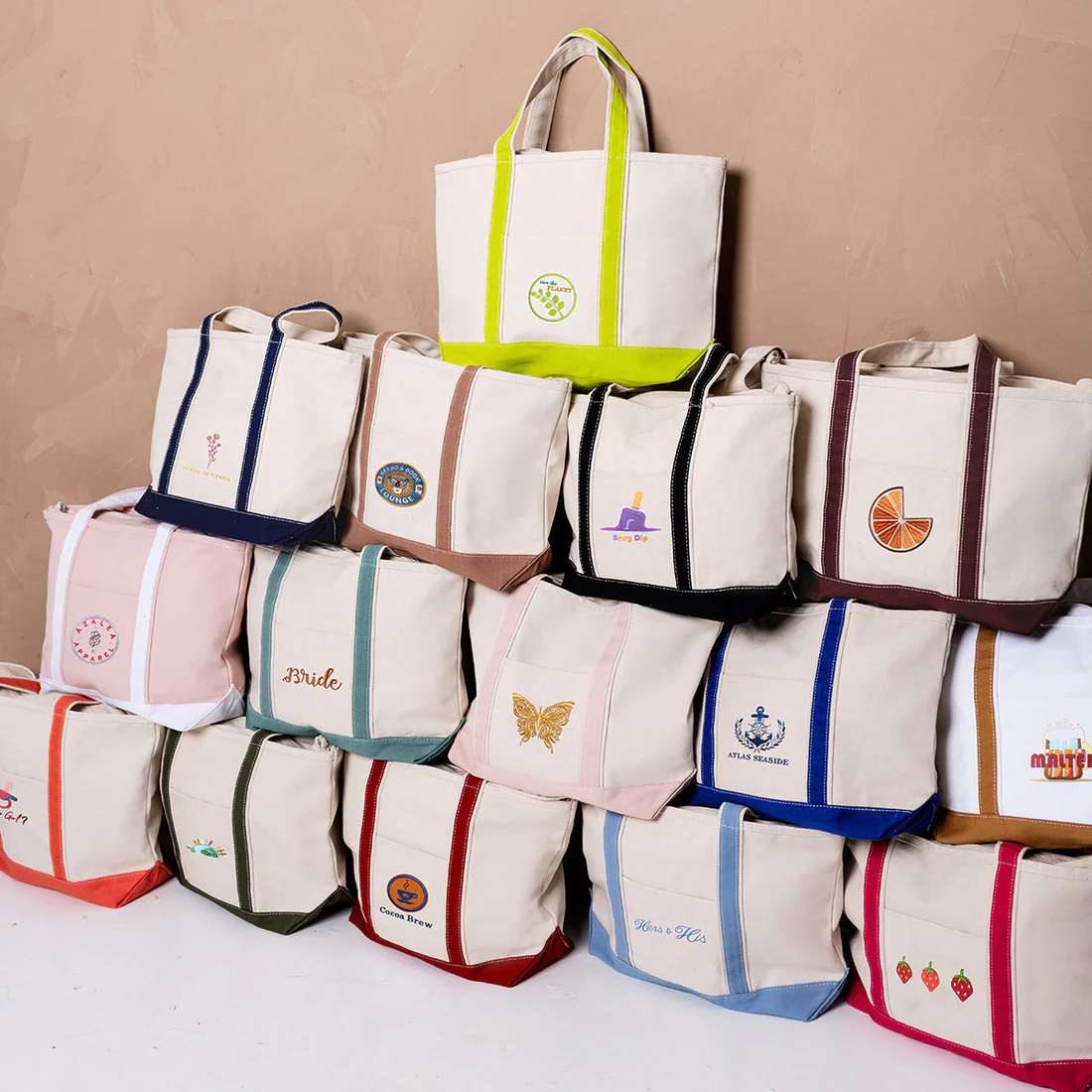
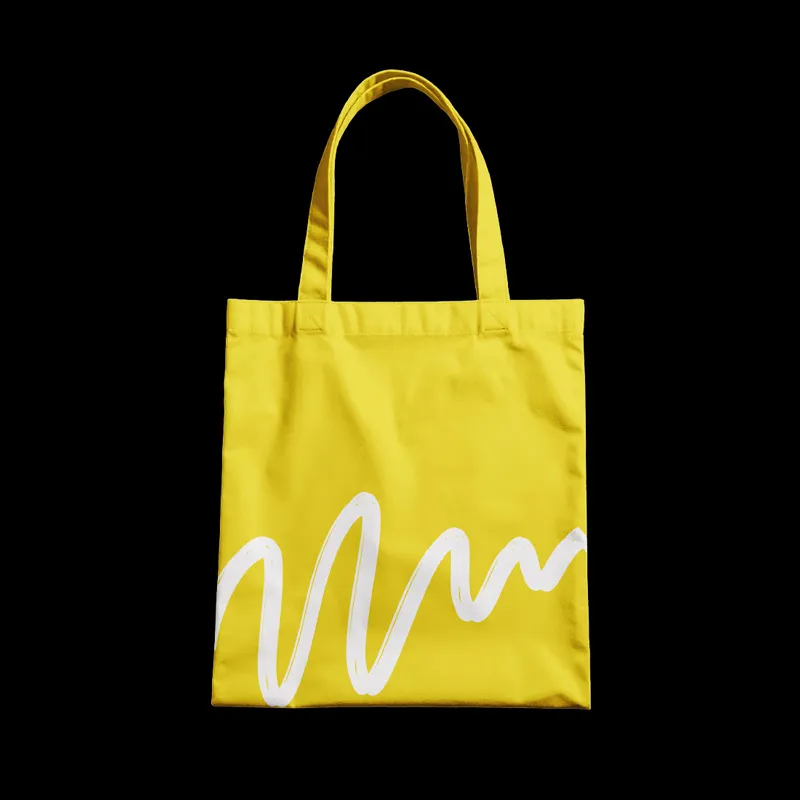
Bulk tote bags with logo – Bola Bag
This flexibility gives manufacturers opportunities to serve different customer groups without completely changing their production infrastructure. A tote bag manufacturer, for example, may supply retailers and promotional brands, while the same factory’s sewing and assembly capabilities can support more complex products such as backpacks or travel gear.
Customization Can Increase Product Value
Customization is one of the strongest opportunities available to textile businesses. Rather than purchasing generic products, brands increasingly want products tailored to their own requirements. Customization may involve dimensions, fabric selection, compartments, closures, handles, colors, labels, logos, packaging, and other functional details. OEM and ODM manufacturing allows businesses to develop products without building their own production facilities. An established fabric bag manufacturer can turn a design concept, technical drawing, or sample into a scalable production process. Customization can also lead to stronger long term relationships because manufacturers become more integrated into a customer’s product development process.
Production Efficiency Has a Direct Impact on Profit
In textile manufacturing, small inefficiencies can become significant costs when multiplied across thousands of products. The production process can involve material inspection, fabric cutting, printing or branding, sewing, assembly, trimming, quality inspection, packaging, and shipping. Every stage has the potential to increase or reduce the final cost. Efficient production depends on accurate specifications, experienced operators, effective workflow management, appropriate machinery, and consistent quality procedures. Reducing material waste is another important factor. Better cutting layouts, appropriate material selection, and careful production planning can reduce unnecessary costs without affecting product quality. Efficiency is especially important when competing for international orders, where buyers frequently compare suppliers from multiple manufacturing regions.
Order Volume Matters
Order volume can have a major effect on unit economics. Large production runs allow certain fixed costs, such as setup, sampling, tooling, and production preparation, to be distributed across more units. As a result, manufacturers may be able to offer lower per unit pricing while maintaining acceptable margins. This is why buyers searching for shopping bag manufacturers, canvas bag manufacturers, or wholesale backpack suppliers often evaluate production capacity alongside pricing. At the same time, high volume requires reliable processes. A factory must be able to maintain consistent measurements, materials, stitching, finishing, and packaging throughout a production run. A supplier that can produce a large quantity but struggles with consistency may ultimately cost a buyer more through defects, returns, delays, and replacements.
Material Selection Influences Both Cost and Performance
Materials are another important factor in textile profitability. Common bag materials include polyester, canvas, mesh, synthetic leather, PU coated fabrics, and other technical textiles. Each material has different characteristics, costs, and applications. A promotional tote may prioritize appearance and affordability. A travel backpack may require stronger abrasion resistance. An outdoor product may need water resistant materials, while a laptop bag may require padding and reinforced compartments.
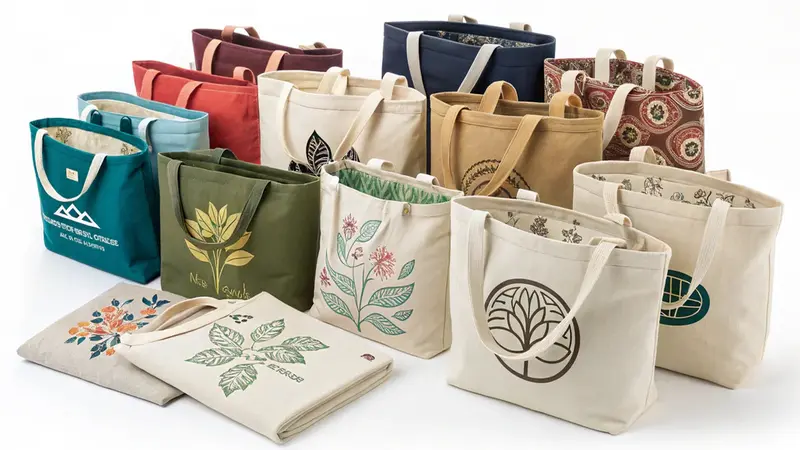
Cotton Bag Supplier In Vietnam – Bola Bag
Choosing the correct material therefore involves balancing cost against durability, performance, aesthetics, and customer expectations. Bola Bag, for example, proves that it works with materials including polyester, mesh, synthetic leather, PU coated polyester, canvas, leather, and other technical fabrics depending on product requirements.
Quality Control Protects Profit Margins
The Cost of Defects
Low quality production can quickly turn a profitable order into an expensive problem. Defective products can create costs through rework, replacement shipments, rejected orders, refunds, and lost customers. For international buyers, quality problems can be particularly expensive because returning or replacing large quantities of products involves additional logistics and time. Quality control should therefore be integrated throughout production rather than performed only at the end.
What a Quality Check Should Cover
Important checks can include material inspection, dimensions, stitching, hardware, structural strength, load bearing performance, branding, finishing, and packaging. For technically demanding products, prototypes and samples allow manufacturers and customers to identify problems before mass production begins. A manufacturer with a structured development and quality process is therefore more likely to produce consistent results at scale.
Vietnam’s Role in Textile Manufacturing
Why Buyers Source From Vietnam
Vietnam has developed a strong manufacturing ecosystem serving international brands. The country produces a wide range of textiles, apparel, bags, footwear, and other consumer products for export markets. For buyers, selecting a Vietnamese manufacturer can provide access to established production capabilities and experienced export operations. However, location alone should not determine supplier selection. Buyers should also consider manufacturing experience, production capacity, communication, quality systems, material sourcing, lead times, certifications where relevant, and experience working with overseas customers. These factors can have a greater impact on the success of a production relationship than the supplier’s location itself.
Specialized Products Offer More Opportunities
One reason textile manufacturing can remain profitable is the wide range of specialized applications. Instead of competing only in basic products, manufacturers can focus on categories that require greater technical capability. These can include sports bags, outdoor backpacks, laptop carriers, travel products, protective cases, tool bags, promotional products, and other purpose built textile goods. Specialization can help manufacturers differentiate themselves and build expertise in particular product categories. It can also make it easier to develop repeat business because customers often prefer suppliers who already understand their technical specifications and quality expectations.
Is Textile Manufacturing Profitable for New Businesses?
Starting Without Owning a Factory
For a new business, building a textile factory from scratch can require significant investment in equipment, facilities, skilled workers, material inventory, quality systems, and management. For that reason, many brands choose to work with existing manufacturers instead. The brand can focus on product development, marketing, sales, and customer relationships while the manufacturing partner manages production. OEM and ODM partnerships can make this model particularly attractive. A company can start with a relatively small product range, test demand, and increase production as sales grow. This approach also allows businesses to access manufacturing expertise without committing immediately to the capital requirements of owning a factory.
What Should Buyers Look for in a Textile Manufacturer?
Price is important, but it should not be the only consideration. A good manufacturing partner should be able to demonstrate consistent quality, clear communication, realistic lead times, scalable production capacity, and experience with the type of products being developed. Buyers should also evaluate the sampling process. A strong sample can reveal potential problems with dimensions, materials, construction, usability, and appearance before a large order is placed. The manufacturer’s ability to handle changes is another important consideration. During product development, designs often evolve. A responsive supplier can make adjustments without creating unnecessary delays or quality problems.
Build Your Margin Into the Order
Profitability in this category is decided long before the invoice arrives, in the specification, the material choice, and the inspection plan. Bola Bag manufactures OEM and ODM bags in Vietnam for international brands, and our team can cost a design against your target margin before you commit to a production run. Send your specifications to Bola Bag for a quotation and an honest view of the unit economics.
Conclusion
So, is textile industry profitable? Yes, but profitability is driven by much more than low manufacturing costs. Successful textile businesses combine efficient production, appropriate materials, reliable quality control, sufficient order volumes, and products that provide meaningful value to customers. Bag manufacturing is a strong example of this model because one manufacturing operation can serve many markets, from retail and promotional products to travel, sports, outdoor, and technical applications. Customization and OEM/ODM manufacturing can create additional opportunities by allowing brands to develop differentiated products without investing in their own factories. For businesses entering the textile or bag industry, the most important decision may not be simply finding the cheapest supplier. It is finding a manufacturing partner capable of delivering the right product, at the right quality, at the required scale, and consistently over time.
Read more: Bulk Tote Bags with Zipper for OEM and Export Markets


BOLA BAG's BLOG YOU MAY ALSO BE INTERESTED IN
How Much Does It Cost to Start a Garment Factory? A Friendly Cost Guide
How Much Does It Cost to Manufacture a Backpack? A Breakdown for Brand Founders
Lunch Bag Manufacturers: A Complete Guide to Sourcing Insulated Bags for Wholesale