


Many aspiring founders ask how to start a backpack company that can compete credibly with established outdoor, travel, and lifestyle brands. The process blends brand strategy, materials engineering, and manufacturing partnership decisions that, when sequenced correctly, reduce risk and accelerate time to market. This guide walks through each stage of how to start a backpack company, from niche identification and fabric selection to Tech Pack development, prototyping, and scaled production.
Understanding the Backpack Market Landscape
We begin by examining the current state of the backpack industry, which continues to expand across several distinct growth segments, including technical outdoor packs, travel-oriented luggage-style bags, and lifestyle or urban commuter designs. Each segment carries its own performance expectations, price sensitivities, and design conventions. Founders exploring how to start a backpack company should study these segments closely before committing to a single product direction, since the wrong positioning early on can be expensive to reverse later.
Identifying Your Niche
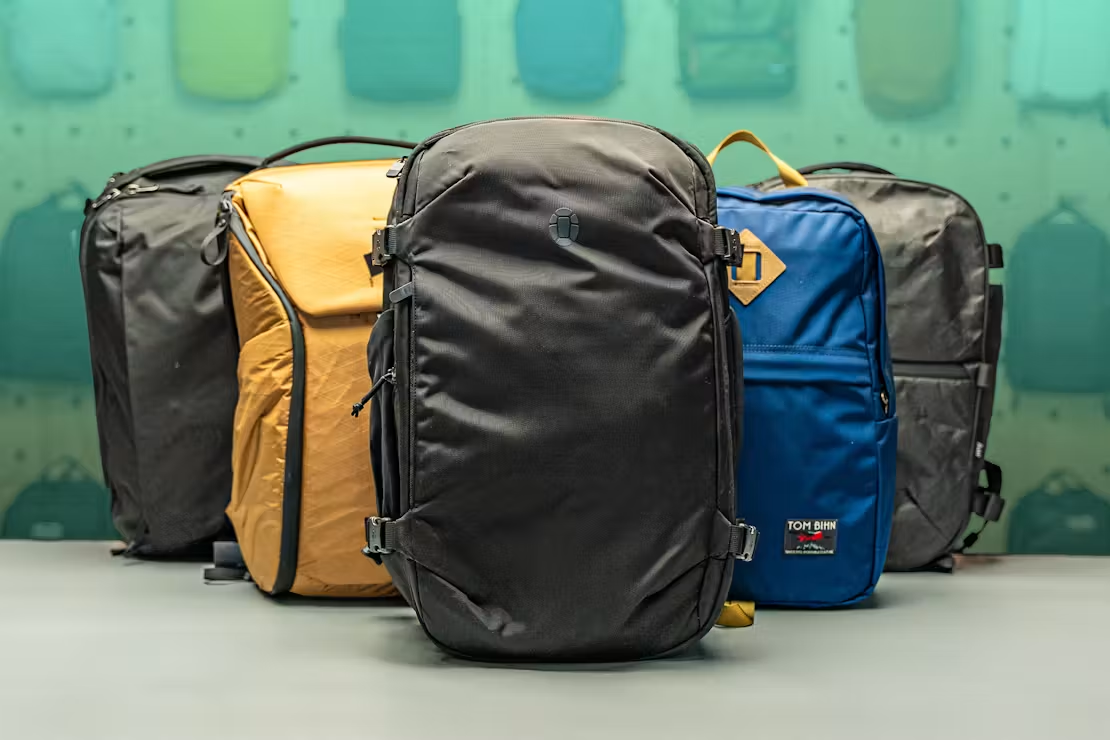
We consider the identification of a niche, whether urban commuter, outdoor technical, tactical, or school-focused, to be the first strategic decision any founder must make. This choice shapes the tone of the brand, the materials selected, and the manufacturing partner best suited to execute the vision.
Identifying Your Niche
Understanding Customer Needs
We recommend that founders study how their target customer actually uses a backpack daily. Commuters prioritize organization and weather resistance, while outdoor enthusiasts prioritize load-bearing capacity and abrasion resistance. This understanding shapes every downstream design and sourcing decision.
Defining Your Brand Concept and Product Line
We explain how a brand vision must be translated into a coherent, sellable product line rather than a collection of unrelated concepts.
Price Positioning and Silhouette Range
We advise founders to determine price positioning early, as this influences fabric grade, hardware quality, and construction complexity. A cohesive silhouette range ensures customers recognize the brand across multiple products.
Establishing a Product Hierarchy
We suggest establishing a hero SKU that represents the brand’s core value proposition, supported by secondary styles that extend the collection. A clear design brief, developed before approaching any manufacturing partner, keeps this hierarchy consistent throughout production.
Setting a Realistic Budget and Timeline When Starting a Backpack Company
We find that founders who succeed at how to start a backpack company treat budgeting as a design constraint rather than an afterthought. Every material upgrade, hardware choice, and construction detail carries a cost implication that must be weighed against target retail price and desired margin from the very first sketch.
Estimating Startup Costs
We recommend building a line-item budget covering sample development, Tech Pack creation, tooling, initial production runs, packaging, and freight. Underestimating any single category, particularly sampling and revision rounds, is one of the most common reasons new bag brands run out of runway before reaching a sellable collection.
Planning a Launch Timeline
We advise mapping out a realistic timeline that accounts for prototyping cycles, manufacturer lead times, and shipping durations well before setting a public launch date. Founders who plan conservatively around these milestones are better positioned to manage retailer and investor expectations without last-minute compromises on quality.
Selecting the Right Fabrics for Your Backpacks
We compare the most common backpack materials to help founders match fabric choice to intended use case, since this decision is one of the most consequential parts of how to start a backpack company that customers will actually feel and see.
Cordura and Ripstop Nylon
We consider Cordura an industry standard for heavy-duty durability, offering excellent abrasion resistance for travel and outdoor applications. Ripstop nylon, by contrast, offers a lighter weight profile while still resisting tearing, making it suitable for everyday lightweight carry.
Canvas and PU-Coated Fabrics
We note that canvas provides a classic aesthetic with reasonable durability, though it typically weighs more than technical synthetics. PU-coated fabrics add water resistance at a modest cost, making them a practical choice for commuter and lifestyle bags where full waterproofing is not required.
Choosing Hardware and Components That Last
We detail how hardware quality directly affects both the perceived value and long-term function of a backpack, and founders researching how to start a backpack company should treat hardware selection with the same rigor as fabric selection.
Zippers and Buckles
We regard zipper standards such as YKK as a benchmark for reliability, as inferior zippers are among the most common points of product failure. Buckle types must also be matched to the load they will bear, particularly in packs designed for heavier carry.
Webbing and D-Rings
We emphasize that webbing width and D-ring gauge must be proportional to the bag’s intended load, since undersized components will fail prematurely under stress even when the main fabric performs well.
Backpack Ergonomics and Structural Design Principles
We break down the ergonomic elements that separate premium backpacks from generic offerings.
Strap Padding and Back Panel Structure
We consider strap padding density and back panel ventilation critical to comfort during extended wear, particularly for travel and outdoor use cases.
Load Distribution and Frame Sheets
We note that frame sheets and internal structure support even load distribution across the shoulders and hips, reducing strain and improving customer satisfaction over the life of the product.
Developing a Tech Pack for Manufacturing
We explain that a Tech Pack is the technical blueprint of a backpack, essential for accurate manufacturing quotes and consistent production, and mastering this document is arguably the most technical part of learning how to start a backpack company.
Core Components of a Complete Tech Pack
We recommend including precise measurements, material specifications, colorways, hardware specifications, and construction details such as stitch types and seam allowances.
Reducing Costly Revisions
We stress that a detailed Tech Pack significantly reduces miscommunication with a backpack manufacturer, minimizing revision rounds and protecting both timeline and budget.
Prototyping: Turning Designs Into Physical Samples
We describe prototyping as the process of transforming a design brief into a tangible, testable product.
Sample Rounds and Fit Testing
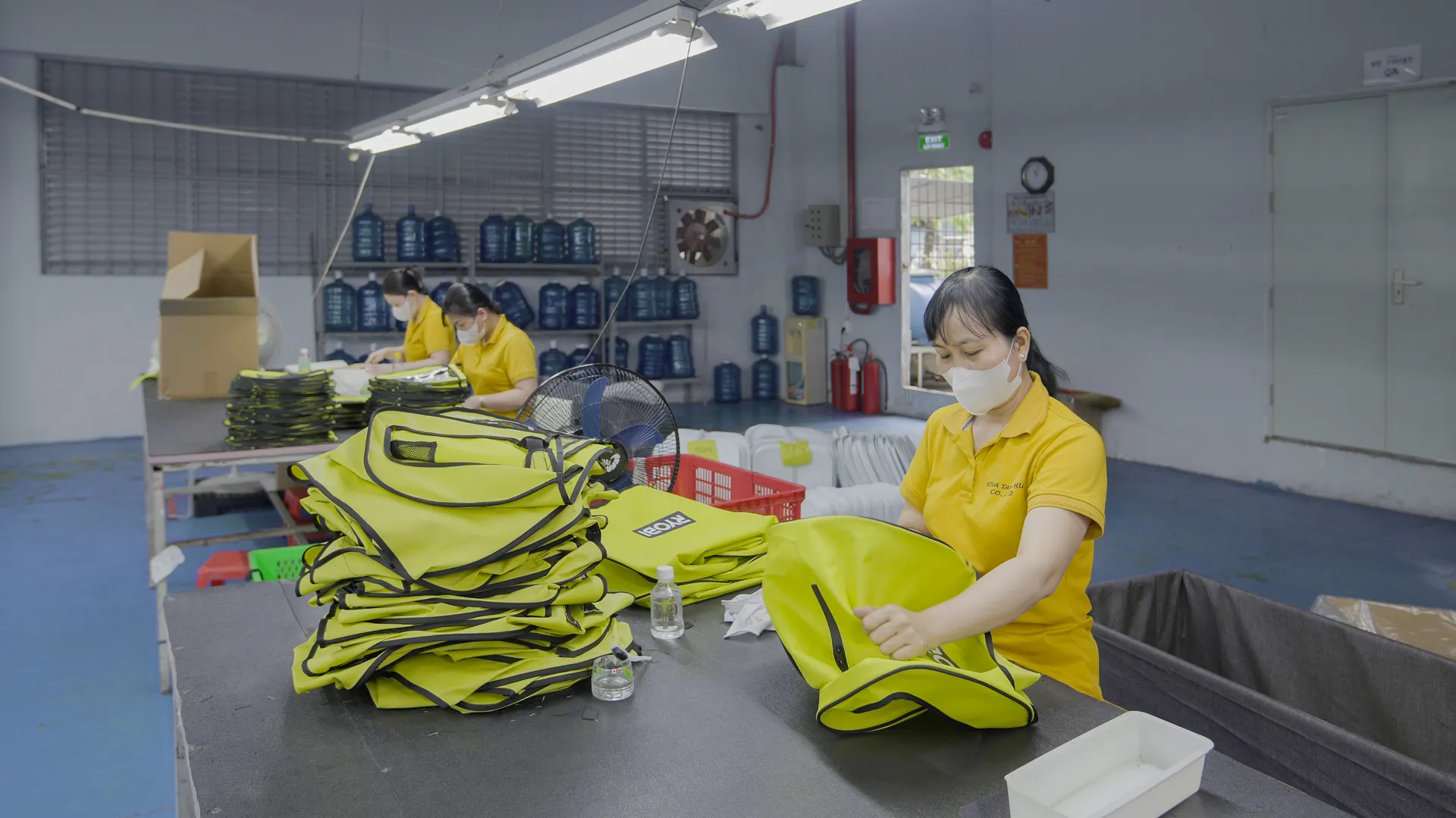
We recommend multiple sample rounds to evaluate fit, function, and durability under realistic conditions before committing to production tooling.
Sample Rounds and Fit Testing
Rapid Turnaround Advantages
We highlight that rapid prototyping turnaround, such as a 7 to 10 day cycle, accelerates a brand’s path from concept to market-ready product, allowing founders to iterate quickly without losing momentum.
Why Specialized Bag Manufacturing Matters
We explain the technical distinctions between general garment factories and specialized bag manufacturers.
Heavy-Duty Tolerances and Bar-Tack Stitching
We note that bar-tack stitching at stress points and heavy-duty tolerances are frequently beyond the capability of factories built primarily for apparel production.
Foam Paneling and Structural Reinforcement
We position Bola Bag as an example of a Vietnam-based facility built exclusively around bags and technical soft goods, offering foam paneling and reinforcement capabilities that general garment factories typically lack.
Sourcing and Vetting a Manufacturing Partner
We outline the criteria founders should apply when evaluating custom backpack manufacturers for a long-term partnership. This step is often the most consequential decision within the entire process of how to start a backpack company, since manufacturing quality ultimately determines whether a brand’s reputation grows or erodes.
Production Capacity and Export Compliance
We recommend confirming that a prospective backpack supplier maintains sufficient production capacity alongside export compliance for target markets such as the USA, EU, and Australia.
Turnkey Engineering Support
We consider turnkey engineering support, spanning Tech Pack development through high-volume production, a strong indicator of a mature manufacturing partner among wholesale backpack manufacturers.
Quality Control and Compliance for Global Markets
We discuss the necessity of consistent quality checkpoints throughout every stage of production, a discipline that separates founders who succeed at how to start a backpack company from those who struggle with inconsistent output.
Inline and Final Inspection Checkpoints
We advise founders to confirm that inline inspections occur throughout production, not solely at final packing, to catch defects before they compound across a full order.
Avoiding Shipment Delays
We note that adherence to export compliance standards for target markets helps founders avoid costly delays or rejected shipments once goods reach customs.
Backpack Care and Maintenance Considerations for Longevity Claims
We explain how proper construction and material selection underpin any long-term durability claims a brand wishes to make.
Basic Cleaning and Storage Guidance
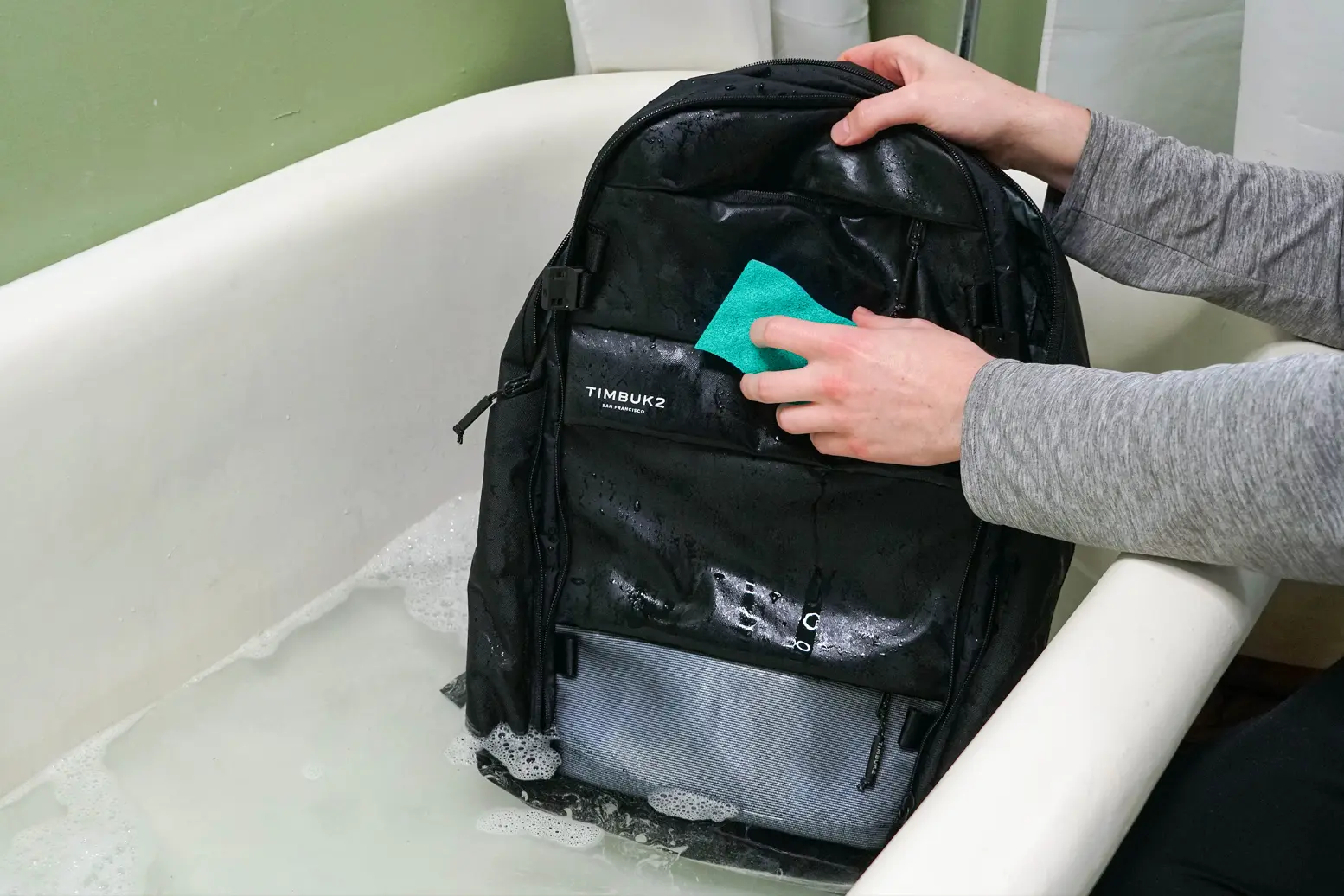
We recommend that brands educate customers on basic cleaning methods and proper storage to prevent premature material degradation.
Basic Cleaning and Storage Guidance
Zipper Maintenance and Warranty Reduction
We consider guidance on zipper lubrication and gentle handling essential, as it reinforces brand credibility while reducing avoidable warranty claims.
Scaling From Prototype to High-Volume Production
We describe the transition from small-batch prototyping to full-scale manufacturing as a distinct operational phase, and this transition is where founders truly discover whether they have understood how to start a backpack company correctly from the beginning.
Minimum Order Quantities and Lead Times
We advise founders to clarify minimum order quantities and realistic lead times early, as these figures directly affect cash flow and launch planning.
Maintaining Consistency Across Larger Runs
We emphasize that maintaining consistent quality across larger production runs requires the same rigor applied during prototyping, extended systematically across every unit produced.
Bringing Your Backpack Company Vision to Life
We have outlined the essential steps for launching a backpack company, from niche identification and fabric selection through Tech Pack development, prototyping, and scaled production. Anyone still weighing how to start a backpack company should treat this sequence as a checklist rather than a suggestion, since skipping a stage typically resurfaces as a costly problem later in production. We encourage founders to approach backpack development with an engineering-first mindset, recognizing that durability, ergonomics, and manufacturing precision are what ultimately distinguish a lasting brand from a short-lived one. Those seeking deeper technical guidance are welcome to explore more technical bag design insights or consult with the product engineering team at Bola Bag through bolabag.com.
Conclusion
We believe that starting a backpack company is fundamentally an engineering exercise as much as a branding one. From the earliest niche decision through fabric selection, hardware sourcing, Tech Pack development, and scaled production, each stage compounds into the final product’s durability and market credibility. Founders who invest in thorough planning and partner with a specialized backpack manufacturer position themselves to compete effectively across technical, travel, and lifestyle segments alike, and those who master how to start a backpack company methodically tend to launch stronger, more durable collections.
Read more: How Much Does It Cost to Manufacture a Backpack? A Breakdown for Brand Founders


BOLA BAG's BLOG YOU MAY ALSO BE INTERESTED IN
How to Choose the Right Gym Bag Manufacturer for Your Brand
How Much Does It Cost to Start a Garment Factory? A Friendly Cost Guide
Finding the Right Tote Bag Manufacturer: A Guide for Bulk Orders