


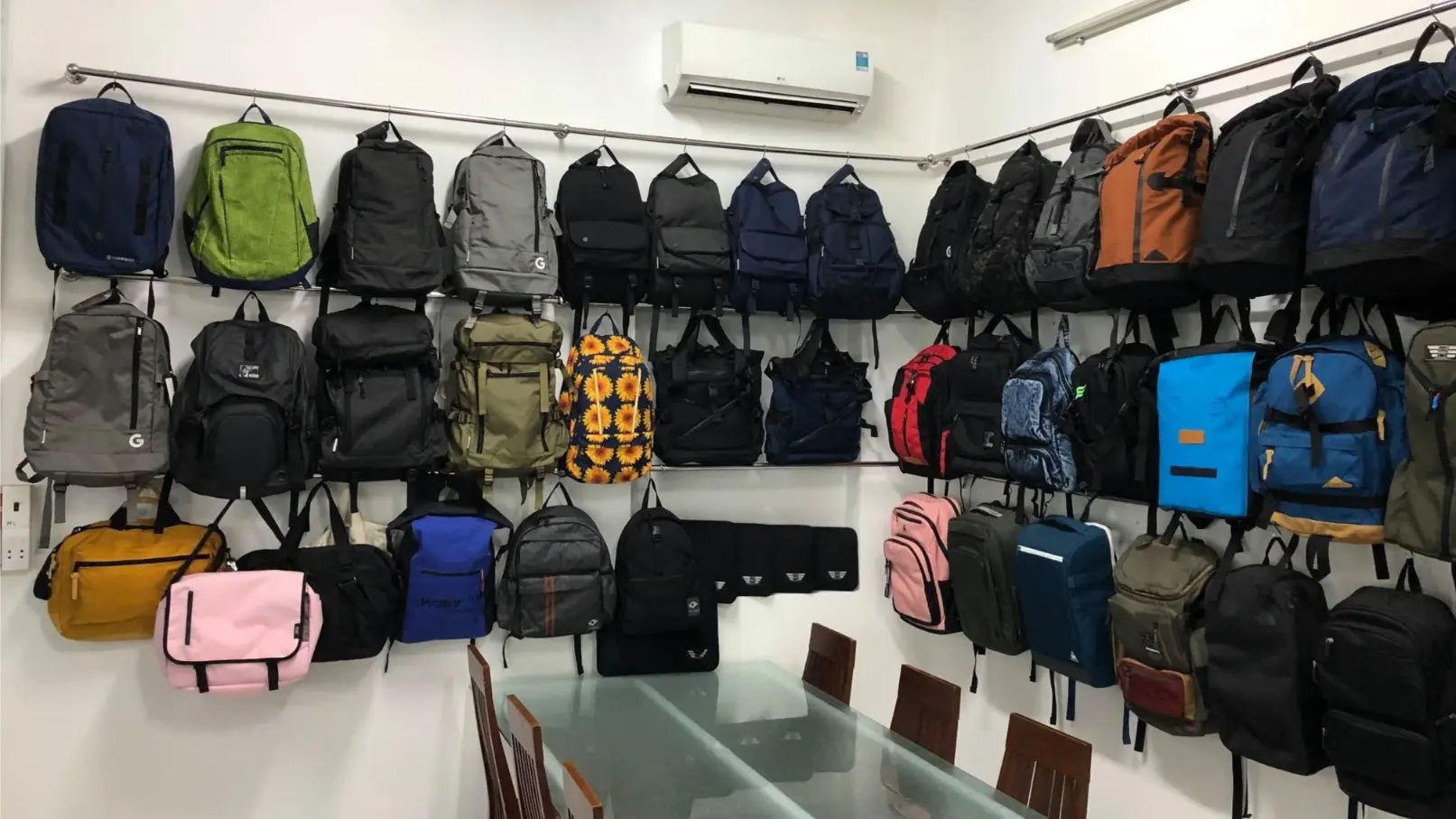
Almost every guide on how start garment business planning should go begins with branding. Find your niche, define your customer, build your story. None of that is wrong, and none of it is what you do on the first Monday. The first Monday you have to decide something much less romantic: what physical object you intend to have made, and whether any factory that can make it will return your email. Everything downstream, including the branding, gets easier or harder based on that one decision. So here is the ninety days as it really runs, in sequence, with the choices that quietly determine the rest.
Weeks One and Two: Decide the Category, Not the Product
The first fortnight is spent narrowing rather than creating. Nothing you decide later is as expensive to reverse as this, because it determines which factories can even quote for you.
Category Comes Before Design
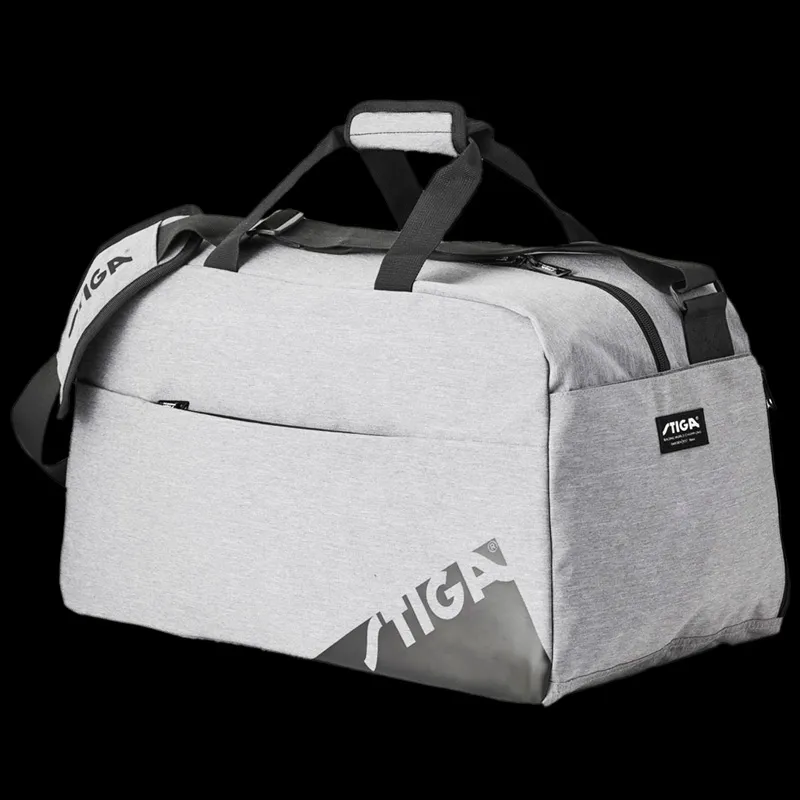
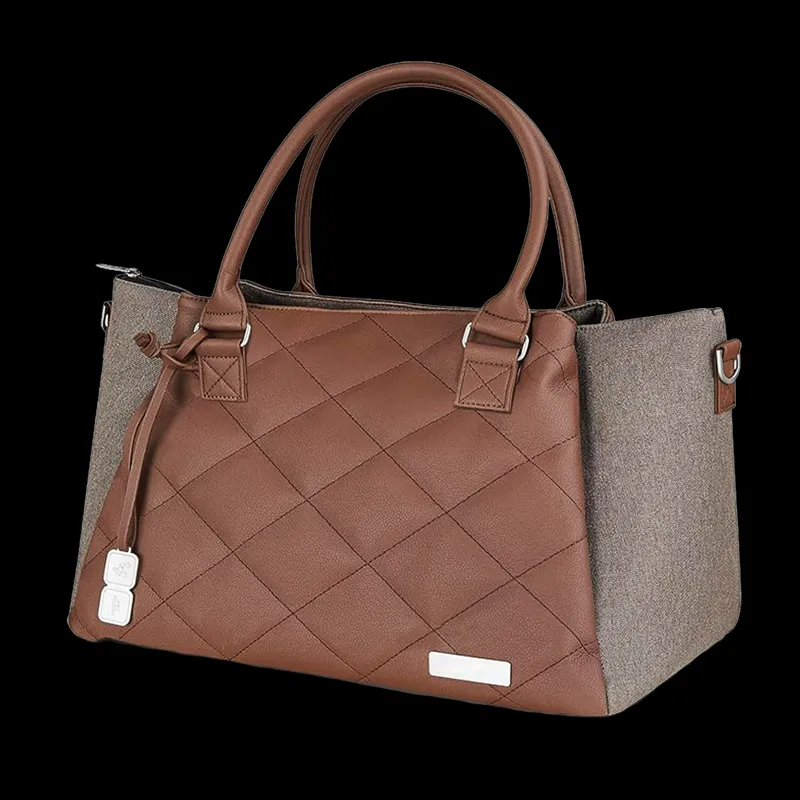
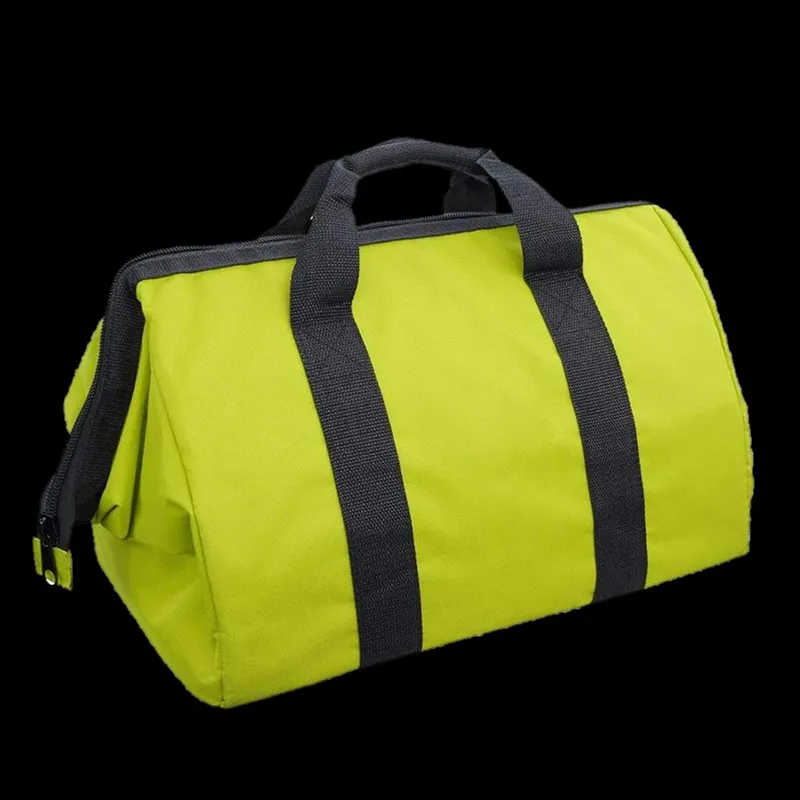
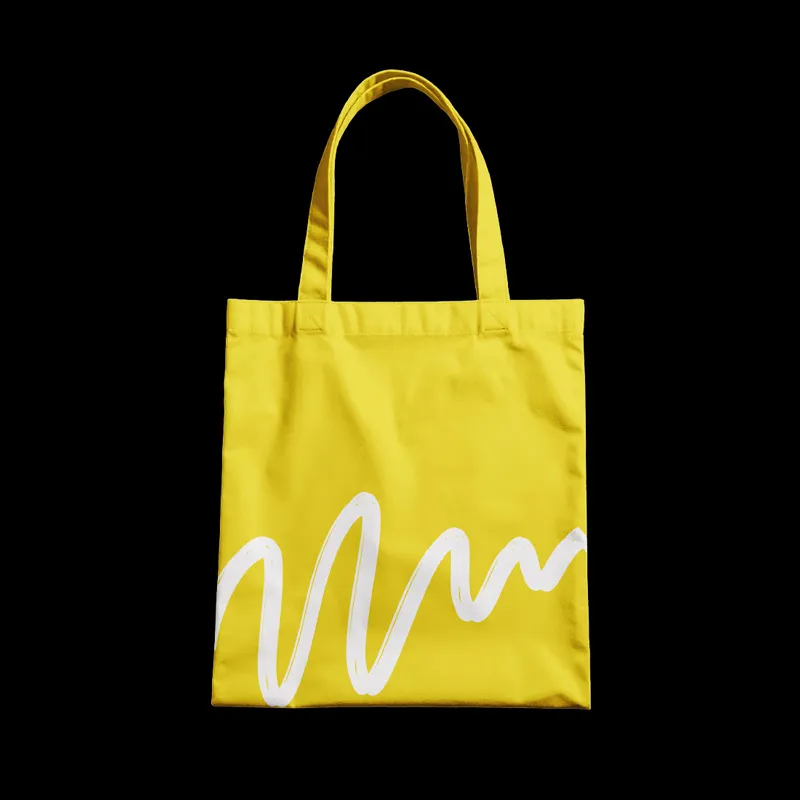
The costliest early mistake is falling in love with a product before checking which manufacturing world it belongs to. Category determines machinery, minimums, lead time, and the entire shape of your unit cost curve. A cut and sew apparel line, a flat canvas tote, and a structured technical backpack are three different industries wearing similar clothes. Pick the category, confirm that factories in it will speak to a business your size, then design.
If It Is Bags, Say So Out Loud Now
Bags carry weight. They take load through zippers and webbing pulling in several directions at once, they abrade, and they often need foam panels or plastic stiffeners to hold their shape. Apparel factories are built around drapable fabric and mostly do not own bar tack machines, heavy duty walking foot machines, or operators trained on webbing attachment. Deciding early that you are in bags rather than in garments saves you an entire sampling cycle, and the full argument is in how to start garment business.
Weeks Three and Four: Build Four Lines of Arithmetic
Before a single sketch, write down four numbers: landed unit cost, wholesale price, retail price, and the volume where you break even. If those four do not work at a quantity you can actually fund, the business does not work, and no amount of design will change that. It is a twenty minute exercise that founders routinely postpone for four months.
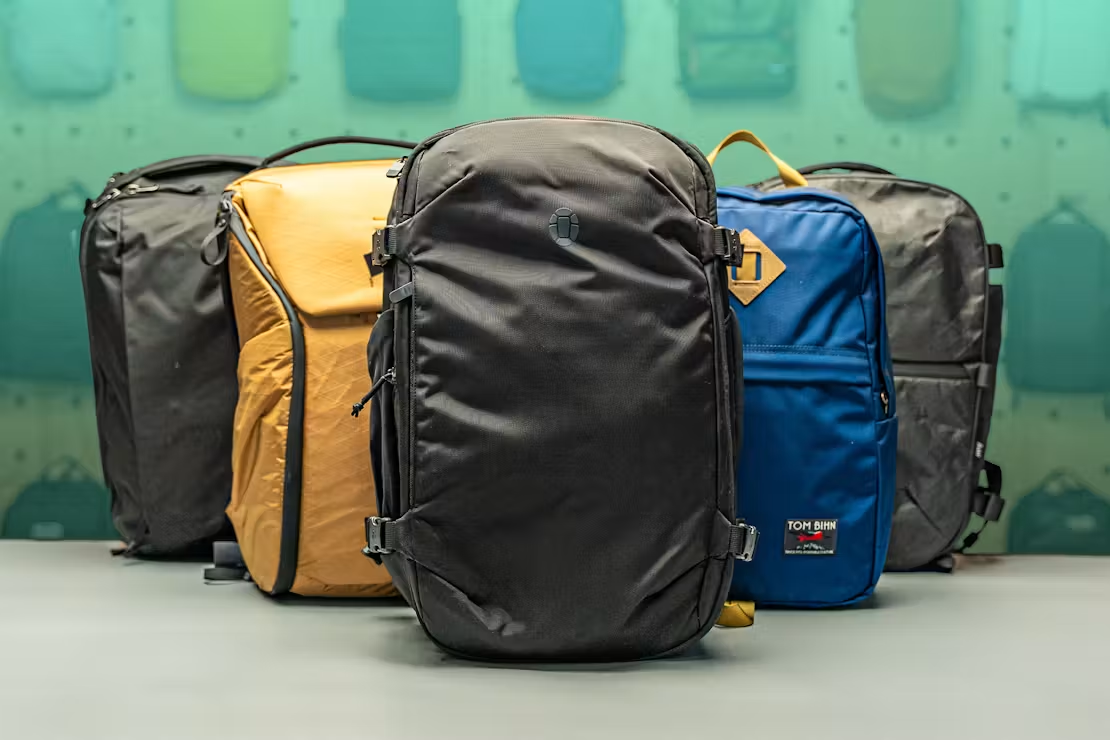
Backpacks
Landed cost is where this goes wrong. It means the factory price plus freight, duty, and inland delivery to your door, not the number on the quotation. Which of those costs sits with you depends entirely on the trade term the supplier quoted, so it is worth ten minutes on what the standard Incoterms rules actually transfer before you compare two prices. Comparing an ex works quote to a delivered quote is comparing nothing to nothing, and the gap is often above twenty percent.
Then be honest about capital. There is a genuine low capital route into soft goods, built on small first runs and a narrow range, and the realistic figures are in how to start garment business with low investment. It is usually a year three question being asked in month one.
Weeks Five to Seven: The Tech Pack Is the Product
Three weeks sounds generous for one document. It is not, because this is where design decisions stop being opinions and become instructions somebody has to follow with a machine.
What Has to Be In It
In apparel a small brand can occasionally survive on a sketch and a phone call. In bags that collapses immediately. A usable tech pack names materials by weight and construction, and specifies seam allowances, bar tack placement, hardware brands and sizes, foam density, webbing width, zipper gauge, stitch type per panel, and label placement. This one document decides how close sample one lands to what is in your head, and therefore how many rounds you pay for.
Materials Narrow the Factory List
Heavyweight canvas, ripstop nylon, recycled polyester, and coated technical fabrics each behave differently under a needle and demand different thread, tension, and reinforcement. A factory producing beautiful lightweight cotton totes may have never run a 1000 denier coated fabric. Choose the material family before you shortlist anyone, then ask candidates about that specific fabric rather than about their sewing capability in general. The answers get much more informative.
Write It Before You Need It
A tech pack also functions as a filter. Suppliers who engage seriously with the details, ask about load ratings, and push back on a construction that will fail are telling you they have made this before. Suppliers who say the drawing is fine and quote within an hour are telling you something too.
Weeks Eight to Ten: Qualify Suppliers Properly
The instinct is to find a garment factory and ask whether they also do bags. Many will say yes. Rather fewer are equipped, and the difference does not surface until the first production run comes back with failures at the stress points. Why this is a separate search entirely is set out in garment oem selection for soft goods.
When you do have candidates, five questions separate capability from sales talk. Ask for photographs of the production floor rather than the showroom. Ask which brands in your category they currently run and at what volume. Ask the minimum order quantity per colourway rather than per style, because that is where small brands get caught. Ask how many sample rounds are included and what each extra one costs. Ask what testing they perform on zippers, seams, and webbing attachment. Whether you are talking to canvas bag manufacturers or to specialist custom backpack manufacturers, those five answers are worth more than any certificate on the wall.
Weeks Eleven and Twelve: Break the Sample on Purpose
Expect two to four rounds. Sample one is almost never right, and that is normal rather than a warning sign. What matters is whether the factory can explain precisely what changed and why.
Then stop looking at the sample and start abusing it. Fill the backpack to its rated weight and carry it for a week. Cycle every zipper two hundred times. Hang your bodyweight off the webbing attachment points. Wash the fabric if the product will ever be washed. A problem found here costs you one sample. The same problem found after a 2000 unit run costs you the run, and usually the season.
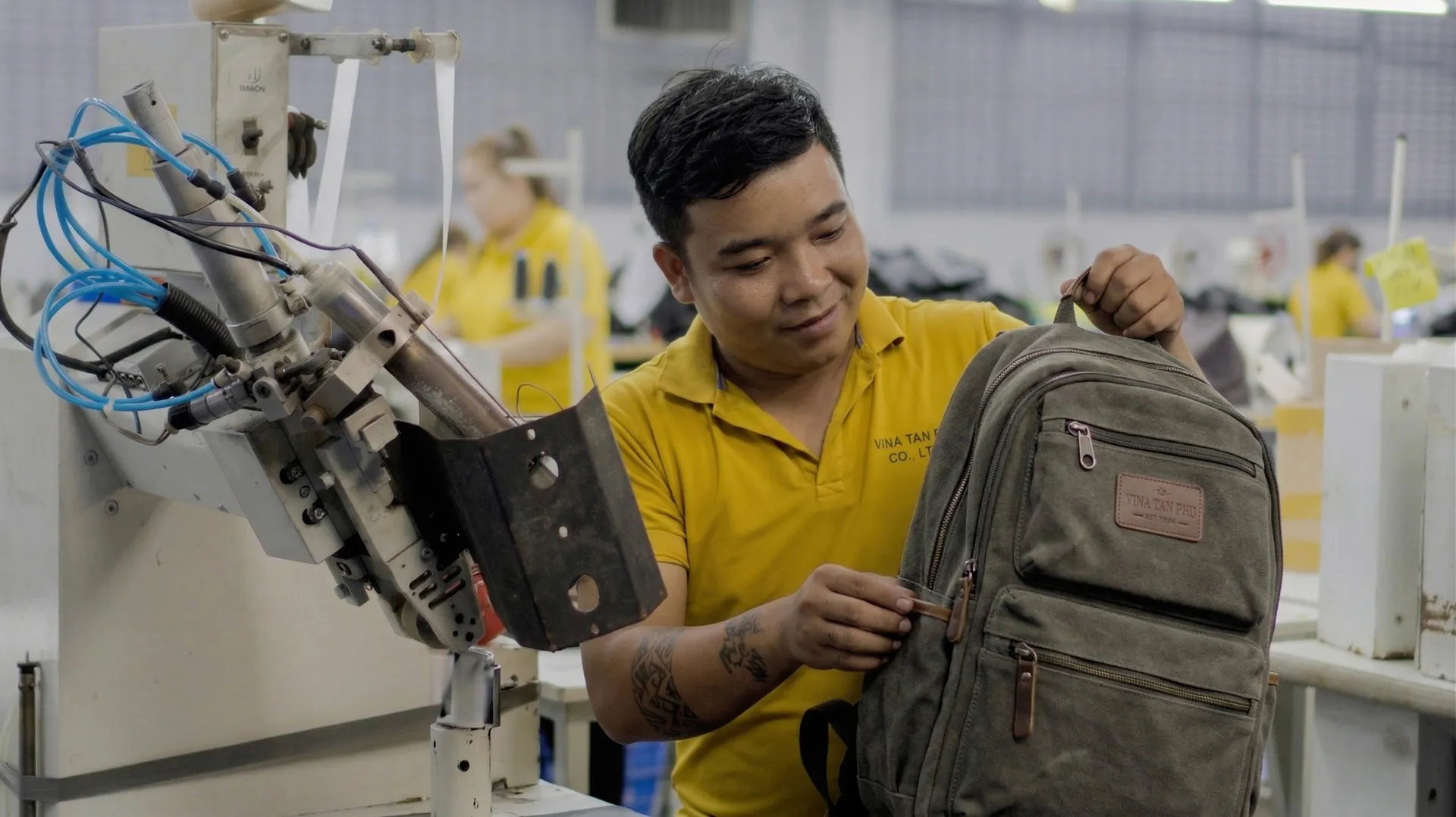
Bag Sample
When it passes, negotiate like someone who has done this before. Confirm price at your real volume rather than the indicative quote, fix the lead time in writing, and agree what happens if goods fail inspection. Thirty percent deposit with the balance against inspection is standard and reasonable. Asking for it signals you know how the trade works, which changes how you are treated for the rest of the relationship. Founders arriving from apparel should also read how to start a backpack business for the category specific version of this timeline.
What Changes After Order One
Everything up to this point is the hard part. What follows decides whether the business compounds or simply repeats itself at the same scale every season.
Volume Rewrites the Economics
The second order is where the business becomes real, because you finally have sell through data instead of a guess. Unit cost commonly falls 20 to 40 percent between a 300 unit and a 3000 unit run, since pattern, cutting, and setup costs spread further. That improvement lands directly in net margin. Plan order two before order one arrives, because lead times mean the decision comes sooner than feels comfortable.
Widen Carefully
The instinct after a launch that works is to add ten styles. Resist it. A second colourway of a proven product costs almost nothing and doubles the assortment. A new construction means new patterns, new samples, and new inventory risk. Grow along lines your factory already runs well, whether that means moving from totes toward backpack supplier territory or simply extending a shape that sells. The sequencing is covered in how to start bags business.
Conclusion
Ninety days is genuinely enough, provided you take the steps in order. Category before product. Arithmetic before design. Tech pack before outreach. Machinery and category experience before price. Load testing before commitment. Founders who skip a step almost never skip it for free, they just pay for it later as an extra sampling cycle or a production run that cannot be sold. The sequence is not bureaucracy. It is the cheapest insurance available at this stage.
If bags or technical soft goods are in the plan, Bola Bag works with first time founders as readily as with established brands, from tech pack review through sampling to full production. Have a look at what we build on our products page and our capabilities overview, then send us your concept and target volume and we will tell you honestly whether it is manufacturable at the price you have in mind.


BOLA BAG's BLOG YOU MAY ALSO BE INTERESTED IN
Securing Bulk Sourcing Deadlines for Wholesale Canvas Tote Bags Safely
Bookbags in Bulk with OEM Manufacturing Solutions
Scale Your Bulk Orders with Reliable Wholesale Backpack Manufacturers