


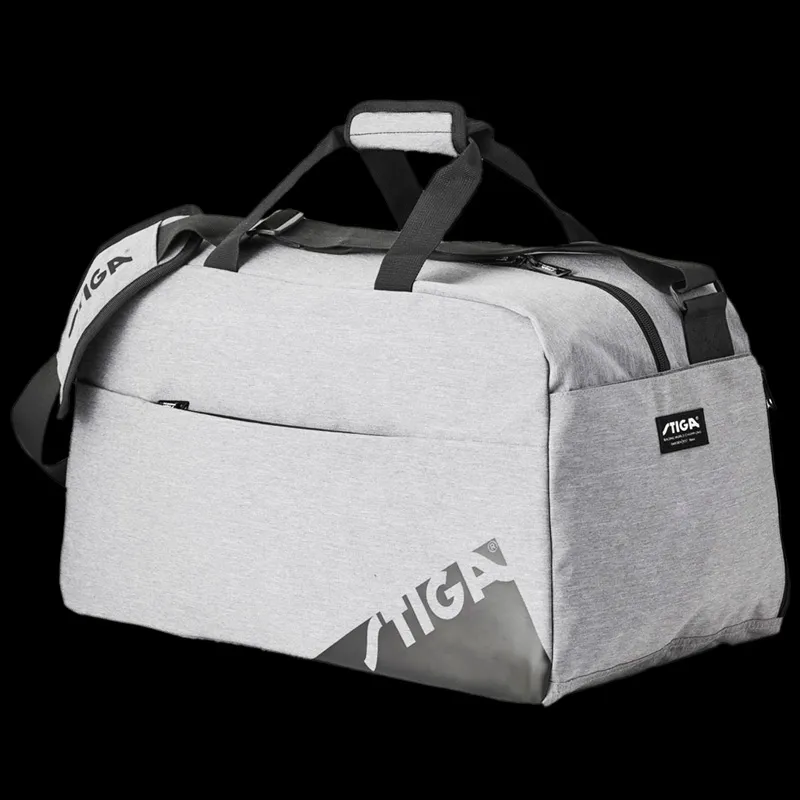
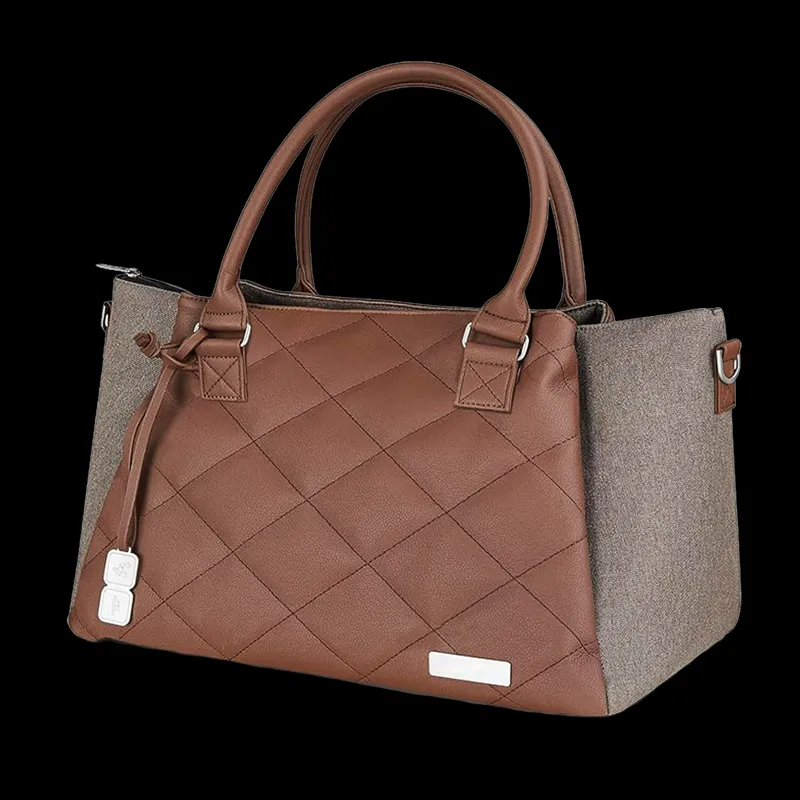
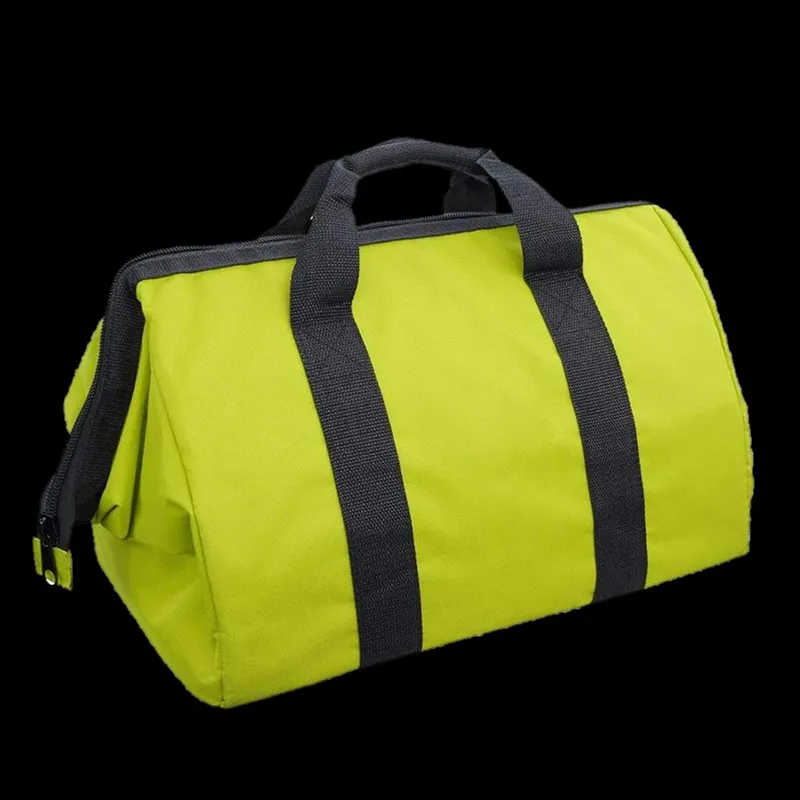
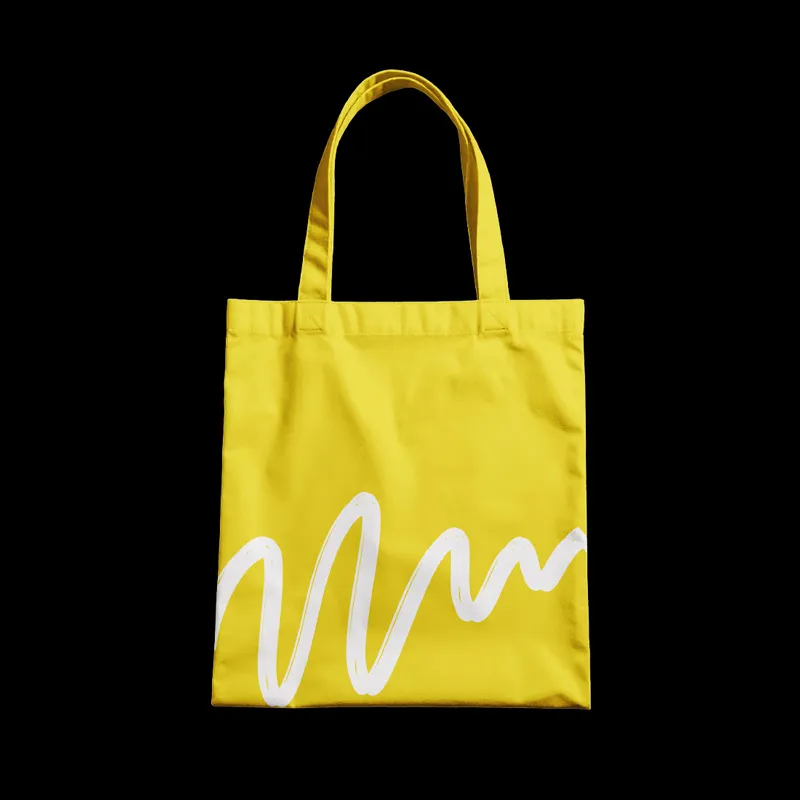
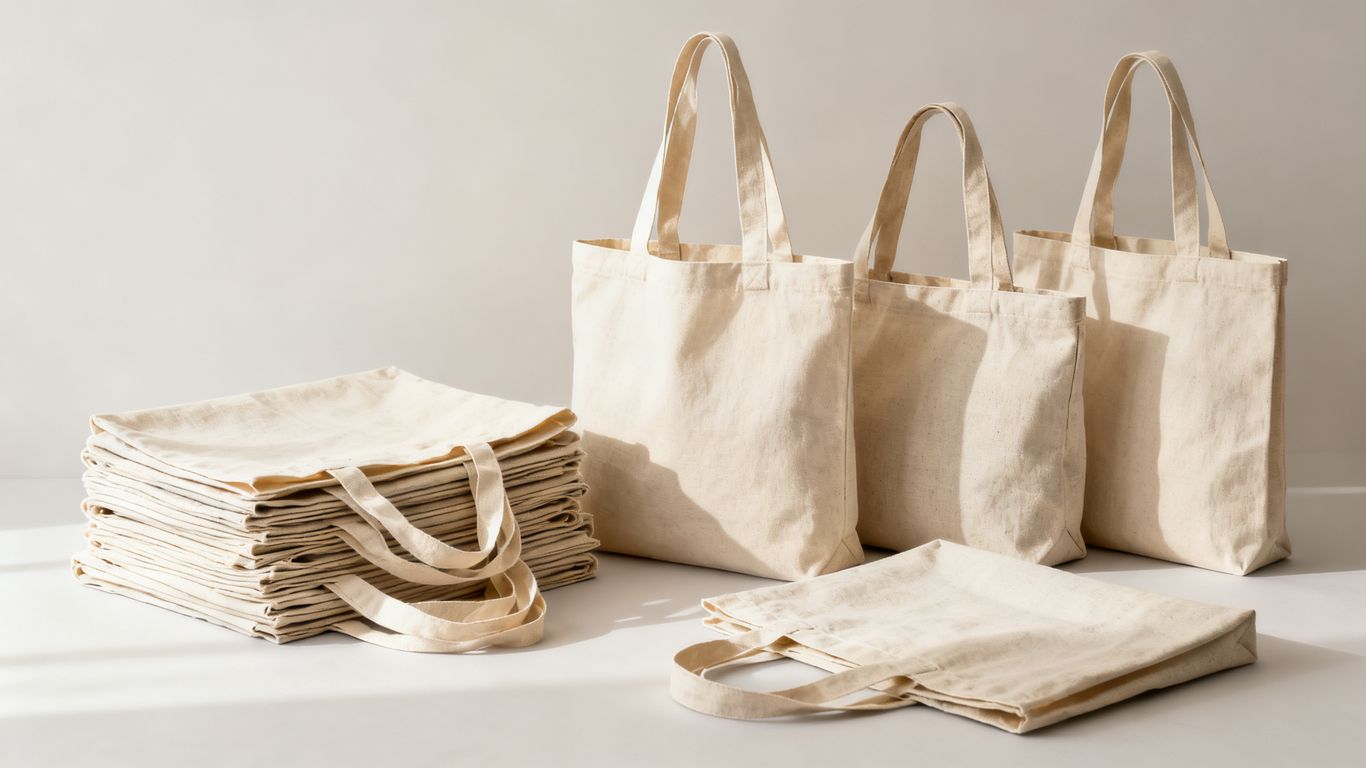
When we talk to founders exploring how to start garment business, the conversation almost always begins with apparel such as tee shirts, hoodies, and denim. But bags, backpacks, and technical soft goods follow an entirely different set of rules. If your business plan includes tote bags, backpacks, laptop cases, or tool bags, treating them like garments will slow you down and cost you money. We want to walk through why bags need their own playbook, and what that means for anyone building a brand around them. Most guides on how to start garment business assume you’re working with soft, drapable fabrics sewn into flat or semi fitted shapes. Bags break that assumption completely. A backpack has to hold weight, resist abrasion, survive zippers pulling in multiple directions, and often needs internal structure like foam paneling or plastic stiffeners. A garment factory built around tee shirts or dresses simply isn’t equipped, mechanically or in terms of workforce skill, to handle bar tack stitching, webbing attachment, or heavy duty bonding. This is the first lesson we share with anyone starting out: sourcing a fabric bag manufacturer is a fundamentally different search than sourcing a clothing factory, and it’s a distinction that almost every generic guide to starting a business overlooks.
Fabric Selection Changes Everything
Garment businesses often start with cotton jersey or woven blends. Bag businesses start with performance textiles. Cordura, ripstop nylon, and heavyweight canvas each behave differently under a sewing machine, and each demands different needle types, thread tensions, and reinforcement techniques. If you’re evaluating cotton bags manufacturers, canvas bag manufacturers, or a canvas tote bag manufacturer for your first collection, ask specifically about their experience with the fabric you intend to use, not just their general sewing capability. A cotton bag supplier who excels at tote bags may not have the tooling for a structured gym bag manufacturer project, and a canvas bag supplier working in lightweight totes won’t automatically translate into technical backpack production.
Tech Packs Are Nonnegotiable
In apparel, some small brands still get away with vague sketches and verbal instructions. In bag manufacturing, this approach falls apart almost immediately. A tech pack for a backpack, laptop bag, or tool bag needs to specify seam allowances, bar tack placement, hardware specifications, foam density, webbing width, and stitch types per panel. When we think about how to start garment business focused on bags, tech pack literacy is one of the earliest skills to develop. Whether you’re working with a backpack manufacturer, a shoulder bag manufacturer, or a laptop bag supplier, the clarity of your tech pack determines how close your first sample comes to your vision, and how many costly revision rounds you’ll need.
Prototyping Is Where Ideas Get Tested
What a Bag Prototype Has to Prove
Prototyping a bag is more iterative than prototyping a simple garment because bags combine soft goods construction with load bearing engineering. A single backpack prototype might need adjustments to strap ergonomics, zipper pull placement, or panel curvature before it’s functional and comfortable. This is why speed matters so much when selecting a partner, whether that’s a tote bag factory, a shopping bag factory, or a sport bag manufacturer.
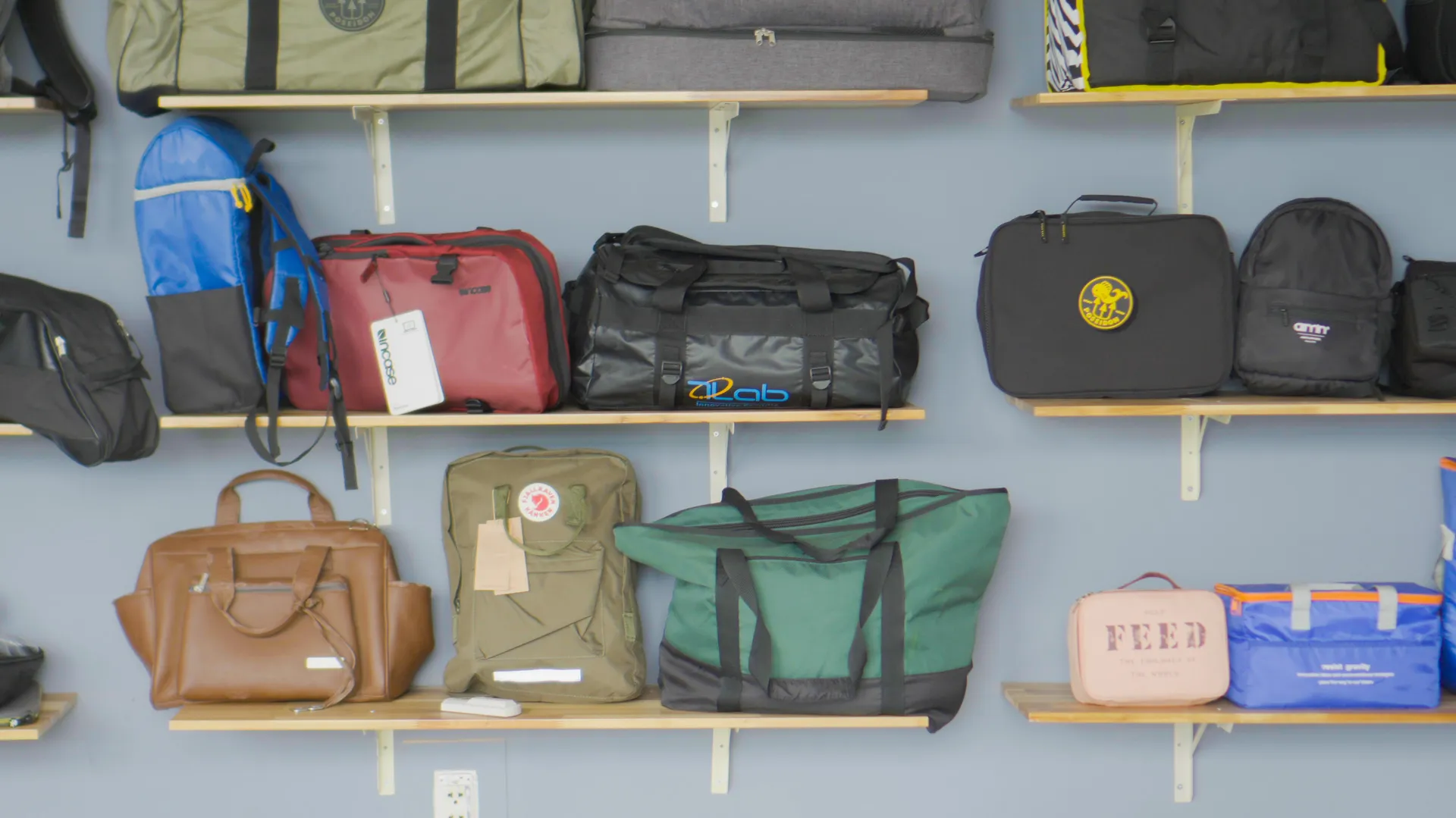
Bag Supplier – Bola Bag
Why Sample Speed Matters
Fast turnaround on samples means faster feedback loops, and faster feedback loops mean you reach a sellable product sooner. Anyone comparing backpack suppliers or travel bag manufacturer options should ask directly about typical prototyping timelines, since this single factor often separates hobbyist level production from export ready manufacturing relationships.
Category Specialization Runs Deep
Specialization Within the Bag Category
One thing we’ve learned is that specialization inside the bag category itself matters just as much as specialization outside of apparel. A factory that produces excellent lightweight totes may struggle with the reinforced bar tacking and heavy webbing loads required for industrial tool bags. Likewise, a manufacturer skilled in structured travel luggage may not have the pattern making experience needed for a technical hiking backpack with molded back panels. When researching how to start garment business in the bag space, it pays to ask potential partners for examples that closely match your specific product type, not just their portfolio of bags in general. The closer the match, the fewer surprises you’ll encounter once production scales up.
Sourcing the Right Manufacturing Partner
Once fabric selection, tech packs, and prototyping are understood, the next step is finding a partner who can carry a design from sample to export ready volume without losing quality along the way. This means evaluating a factory’s compliance capabilities for target markets, its tolerance for heavy duty construction, and its track record with the specific hardware, such as zippers, buckles, and webbing, that your design requires. Founders often underestimate how much this single decision shapes everything downstream, from lead times to consistency across production runs. Asking pointed questions about tolerances, minimum order quantities, and quality control checkpoints early on can save months of rework later.
Building a Realistic Timeline
Because bag development involves more engineering steps than typical garment production, timelines need to account for tech pack revisions, multiple prototype rounds, and hardware sourcing lead times. Founders who assume bag development will move at the same pace as a simple apparel drop are often caught off guard by the additional iteration cycles needed to get straps, panels, and closures functioning correctly. Building in buffer time for at least two to three rounds of sample feedback is a realistic expectation for most first time bag collections.
Work With a Factory Built for Bags
The argument of this article is that a garment factory and a bag factory are two different businesses. Bola Bag is the second kind, working daily in performance textiles, bar tack reinforcement, webbing, moulded panels, and the hardware that goes with them. If you are moving from apparel into bags, or starting there outright, send your design to Bola Bag and we will review it against what our lines actually do.
Conclusion
Bags are not a smaller version of garments. They’re a distinct engineering category with their own fabrics, construction methods, and prototyping demands. Anyone genuinely working through how to start garment business with bags, backpacks, or technical soft goods at the center of their brand needs to approach sourcing, tech packs, and prototyping with that distinction in mind from day one. The founders who succeed tend to be the ones who stop applying generic apparel logic to their bag collections and instead seek out manufacturing partners who understand the specific demands of structured, load bearing soft goods. Taking the time to understand fabric behavior, tech pack detail, and category specialization early on will save significant time, money, and frustration as your bag brand grows.
Read more: Top 5 Best Backpack Manufacturers with Global Export Standards


BOLA BAG's BLOG YOU MAY ALSO BE INTERESTED IN
Heavy Material Sewing Capabilities Define Reliable Wholesale Book Bags Factories
Bulk Mini Backpacks for Retail and Promotional Markets
What Is Marker in Garments? How It Impacts Fabric Waste and Cost