


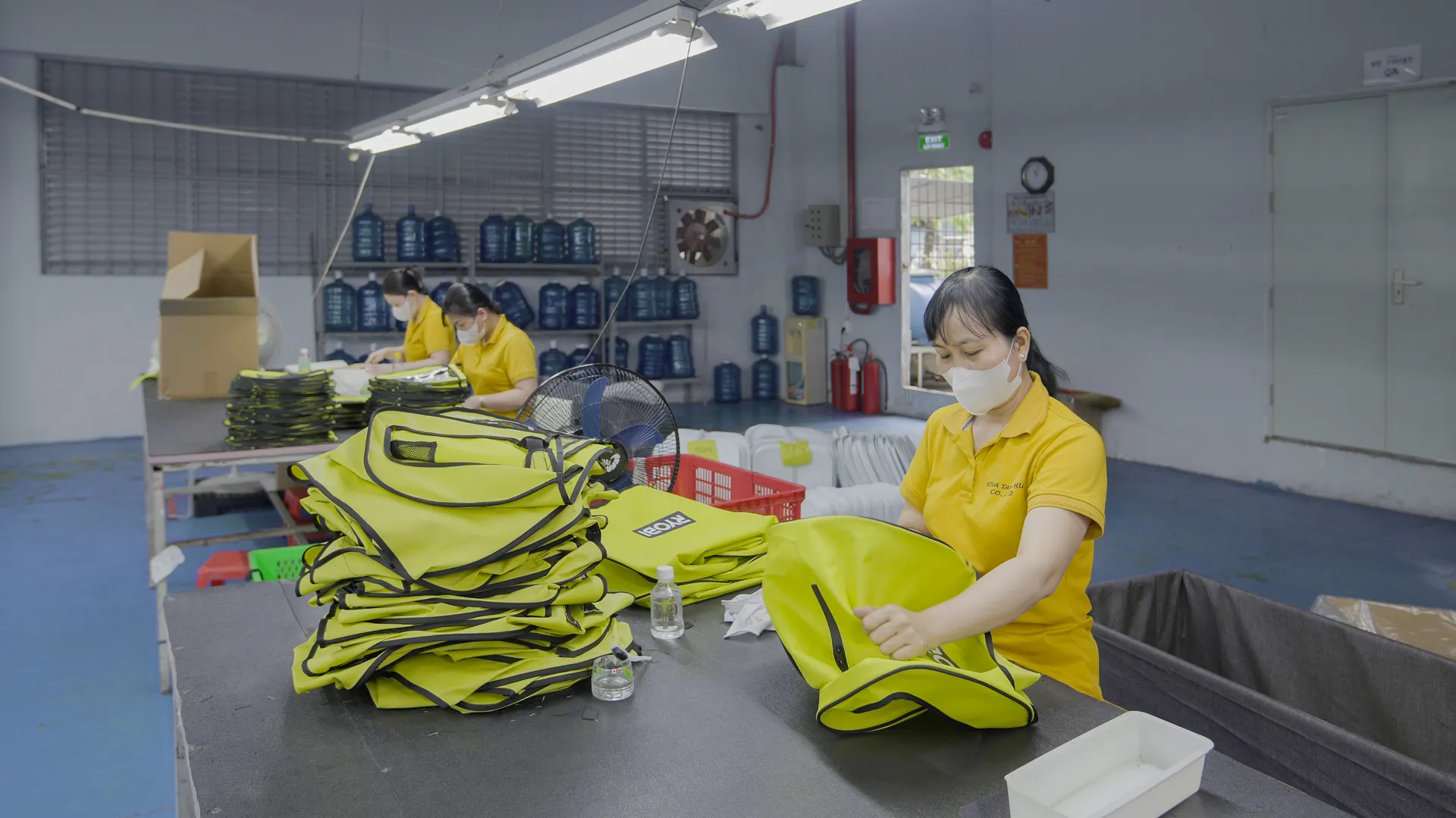
A tailor with one machine, a boutique label with a studio, a contractor sewing for other brands and a mill that spins its own yarn are all in the garment making business, and they have almost nothing in common. So the question what are the types of garment making business has two answers layered on top of each other. One sorts businesses by size and customer, from bespoke to mass market. The other sorts them by what they supply, from cut and sew labour to a full package with design and fabric included. Both matter, because the type you choose decides the machines you buy, the money you need and the profit you can expect. This article sets out all seven and then answers where bags fit.
What Are the Types of Garment Making Business
The first way to sort the industry is by who the clothes are for and how many are made at once. Four models cover nearly everyone.
Custom Tailoring Makes One Garment for One Person
Bespoke and made to measure. A customer is measured, a pattern is drafted or adjusted, and a single garment is made. Margins per piece are high, volume is tiny, and the business is the tailor. It needs almost no capital and cannot grow past the hours in the owner’s day.
Ready to Wear Manufacturing Makes Standard Sizes in Bulk
Garments cut in size runs and sewn by the thousand for retailers and wholesalers. This is the mass market and most of the world’s clothing. It needs a factory, a line of specialised machines and working capital to buy fabric months before the goods are paid for. The honest number for how much does it cost to start a garment factory surprises most first time founders, and it is mostly fabric rather than machines.
A Boutique or Designer Label Makes Small Original Collections
Original designs in short runs, sold through the brand’s own shop, website or a few stockists. The business is the design and the brand, and the sewing is often outsourced. Capital goes into samples, marketing and stock rather than machines.
A Home Based Garment Business Starts on the Kitchen Table
Alterations, small custom orders, a few styles sold online. It is how a great many garment businesses begin, and the ones that grow usually do so by moving to one of the other three models rather than by adding machines to the spare room. Anyone wondering how to start garment business from home is really choosing which of those three to grow into.
The Types by What the Business Supplies
The second way to sort garment makers is by what they take responsibility for. This is the language of factories and brands, and it decides price per piece more than anything else. The clothing industry reference page traces the whole trade from cottage to conglomerate, and the three models below are the rungs of that ladder.
Cut Make Trim Supplies Labour Only
The client sends fabric, trims and patterns. The factory cuts, sews and finishes. It is the cheapest per piece and the simplest to run, and the factory carries no material risk. It is also the easiest to replace, because any line with the same machines can do the same job.
Full Package Production Supplies Everything From Fabric to Carton
The factory sources materials, develops patterns, samples, produces and packs to the client’s design. Brands pay more per piece for the convenience, and the factory earns a margin on materials as well as labour. OEM and private label both sit inside this model, with the factory making the brand’s design or its own catalogue design under the brand’s label. The habits that keep such a factory profitable after the first order are the real subject of how to do garment business well, and they are mostly about fabric waste and line balance.
A Vertically Integrated Maker Spins and Weaves and Sews
The largest model. One company controls yarn, fabric, dyeing, sewing and sometimes retail. It needs enormous capital and it captures the margin at every step. Very few businesses start here and most of the ones that exist grew into it over decades.
Is Garment Manufacturing Business Profitable in Each Model
It can be, but the profit lives in different places. Tailoring earns high margins on tiny volume. Ready to wear earns thin margins on huge volume and dies when the line stops. Boutique labels earn on brand, if the brand catches. CMT earns a labour margin that competitors can undercut by a cent. Full package earns on materials and reliability, which is why it is the model most factories move toward.
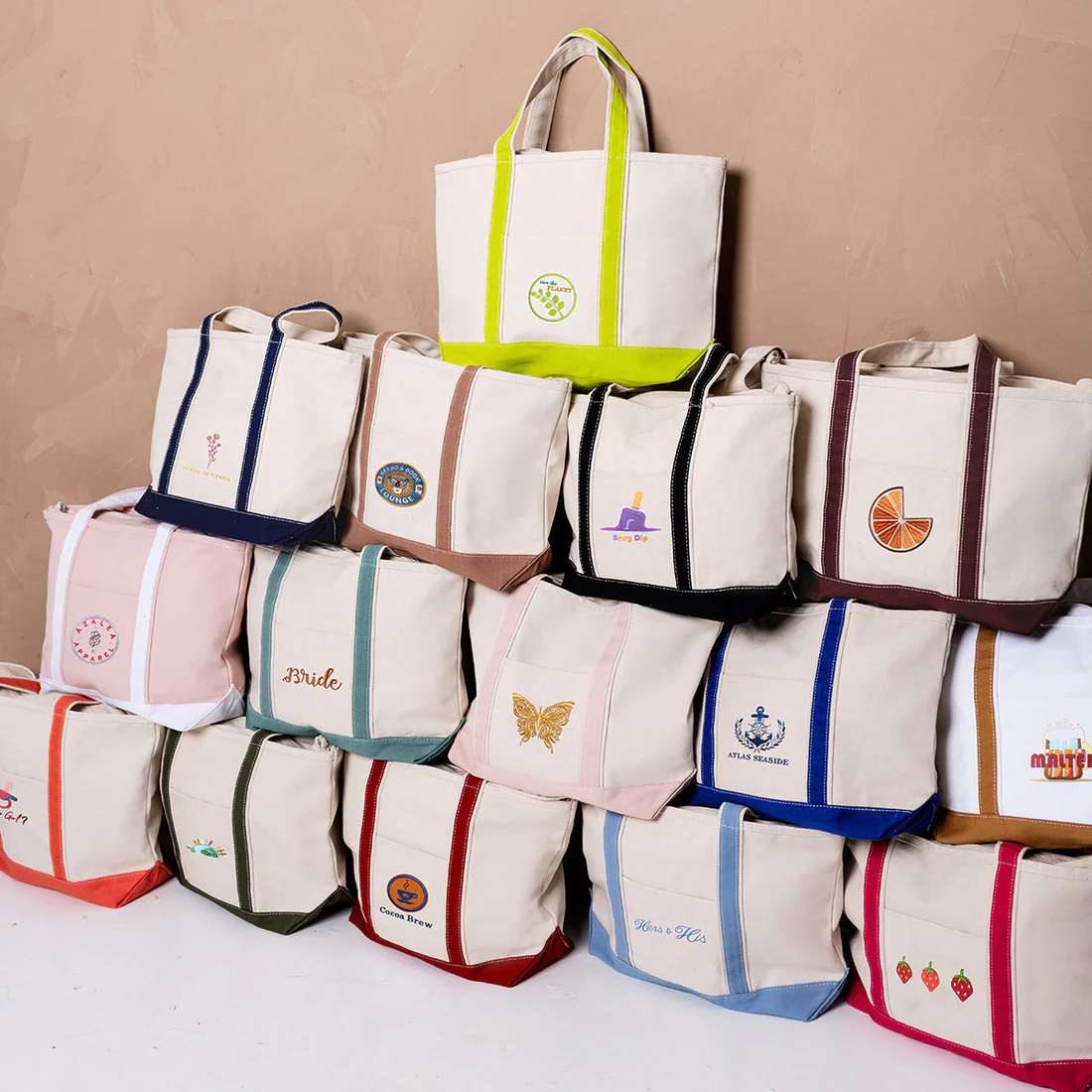
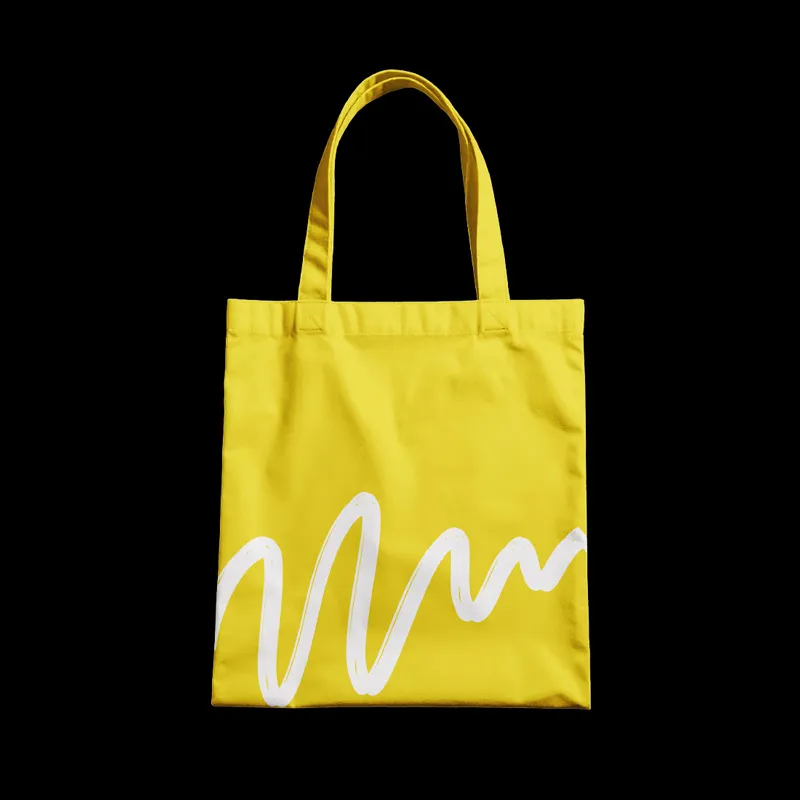
Bulk Tote Bags
The wider question, whether the industry rewards the effort at all, has an honest answer, and anyone deciding which model to enter should know whether is textile industry profitable for their size of business before signing a lease.
Where Bag Making Sits Among the Types
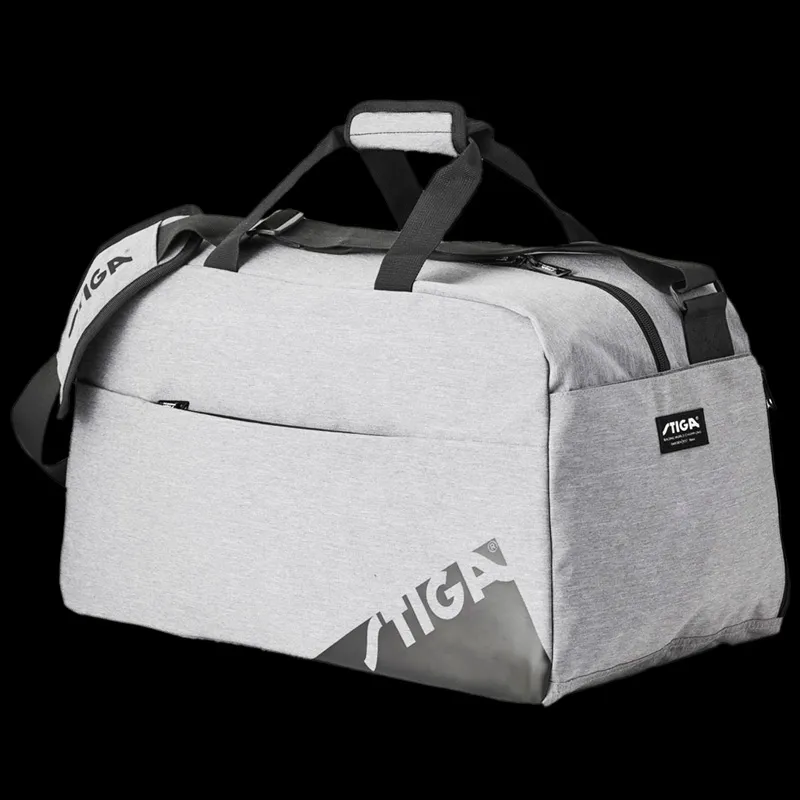
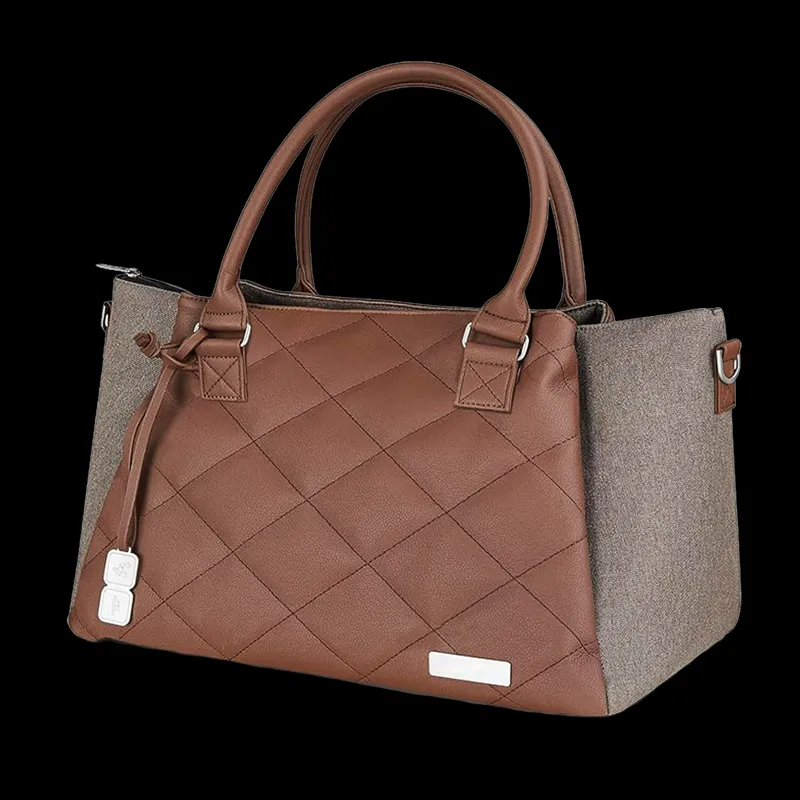
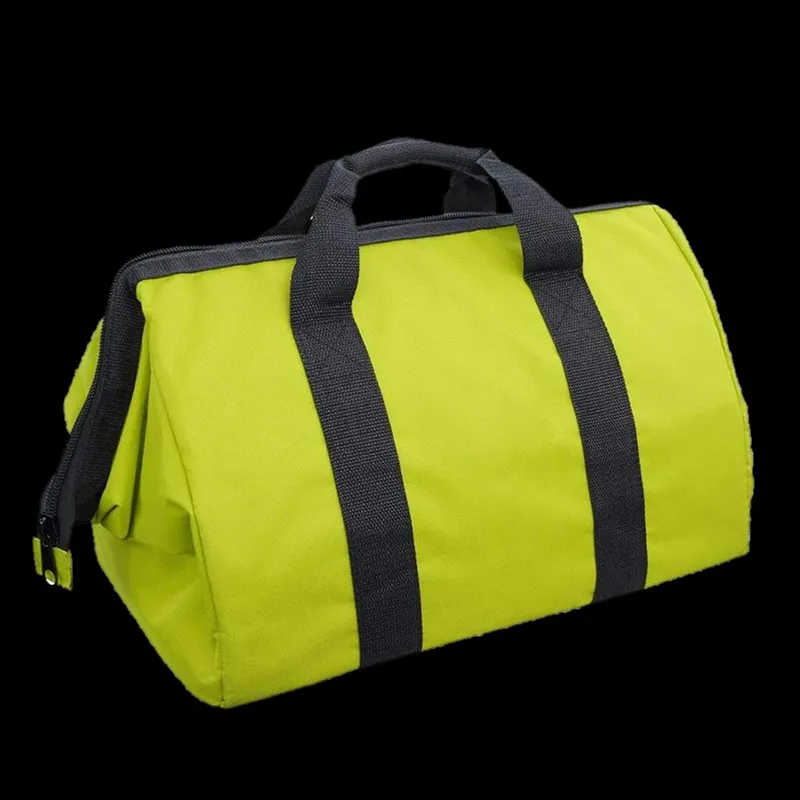
Bags are garment adjacent and often filed under the same heading, and they follow the same seven models. There are custom leather workshops, mass market bag factories, boutique bag labels and home sewn tote businesses, and factories that sell CMT, full package or their own designs. The difference is the floor. Bag making needs heavier machines, structural materials and a different set of skills, so a bag business usually picks its model and then picks a factory built for bags rather than shirts. The order of decisions for a founder is the same in either trade..
Conclusion
What are the types of garment making business? By size and customer there are four: custom tailoring, ready to wear manufacturing, boutique or designer labels and home based businesses. By what the business supplies there are three: cut make trim, full package production including OEM and private label, and vertically integrated makers that control fabric as well as sewing. Every real garment business is one of the first four running one of the last three, and choosing both deliberately, before buying a single machine, is the decision that decides whether it makes money.
For founders whose product is a bag, Bola Bag has run a full package bag factory in Ho Chi Minh City since 2015, making backpacks, technical bags and totes for brands as an OEM and ODM partner. See how we work on our capabilities page, or tell us which model you are building and what you want to make and we will say honestly whether we fit.
Read more: How Can I Start Garment Business? A Friendly Step-by-Step Guide


BOLA BAG's BLOG YOU MAY ALSO BE INTERESTED IN
Is Textile Industry Profitable? Key Factors That Drive Success
Is the Textile Industry Sustainable? A Practical Guide for Bag Buyers
What Is Efficiency in Garment Industry Terms? The Formula, a Worked Example and What Moves the Number