


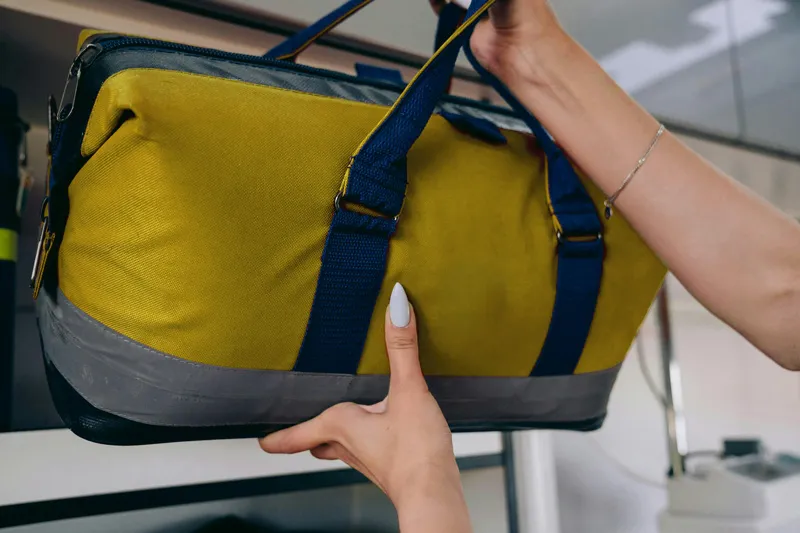
Sustainability has become a major topic across the textile industry. As consumers become more aware of the environmental impact of the products they buy, brands are also taking a closer look at how their products are designed, manufactured, and used. This is especially relevant in the bag industry, where everything from everyday tote bags to backpacks and travel products relies on large quantities of fabric, hardware, and other materials. So, is the textile industry sustainable? The answer is not straightforward. Textile production has environmental challenges, but there are also clear opportunities to make products more responsible. The most effective approach is not simply to choose one particular fabric. Instead, sustainability comes from making better decisions throughout the entire product lifecycle.
What Does Sustainability Mean for Textile Products?
When people think about sustainable textiles, they often focus on the material itself. Cotton may be associated with reusable products, while recycled or synthetic fabrics may be promoted for their durability or specific performance characteristics. In reality, the sustainability of a finished product depends on much more than the fabric. How the raw material is produced, how efficiently it is turned into a finished product, how far it travels, and how long the product remains useful can all affect its overall impact. For bag brands, durability is particularly important. A product that can be used for years is less likely to need frequent replacement. This is why manufacturers need to consider stitching, reinforcement, zippers, handles, lining, and overall construction alongside the choice of fabric. An experienced tote bag manufacturer, for example, can help a brand select materials and construction methods based on how the product is expected to be used. A promotional tote may have very different requirements from a heavy duty shopping or travel bag.
Is Cotton Really a Sustainable Choice?
Why Cotton Looks Sustainable
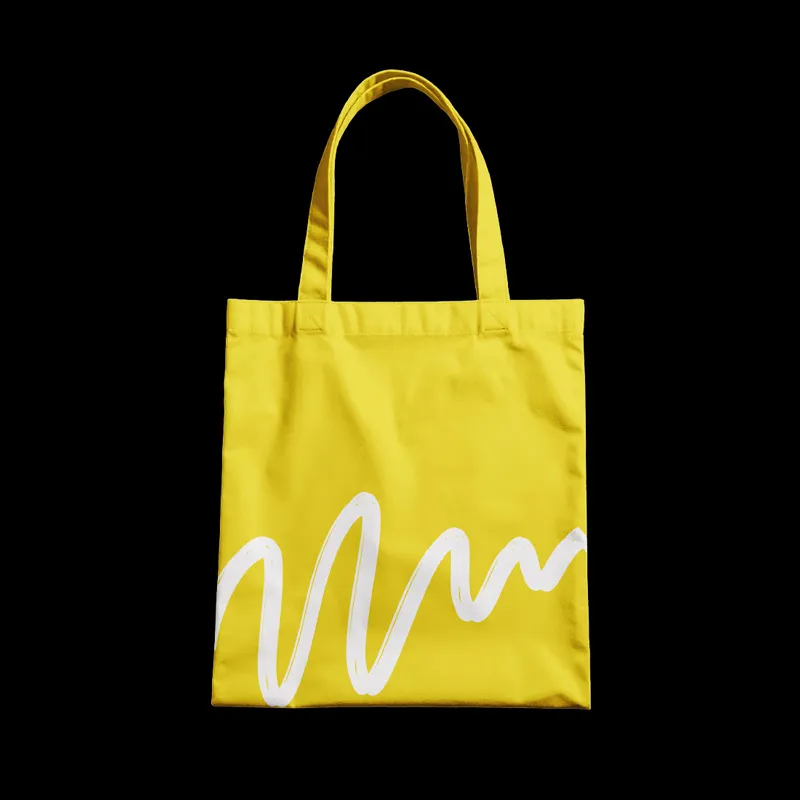
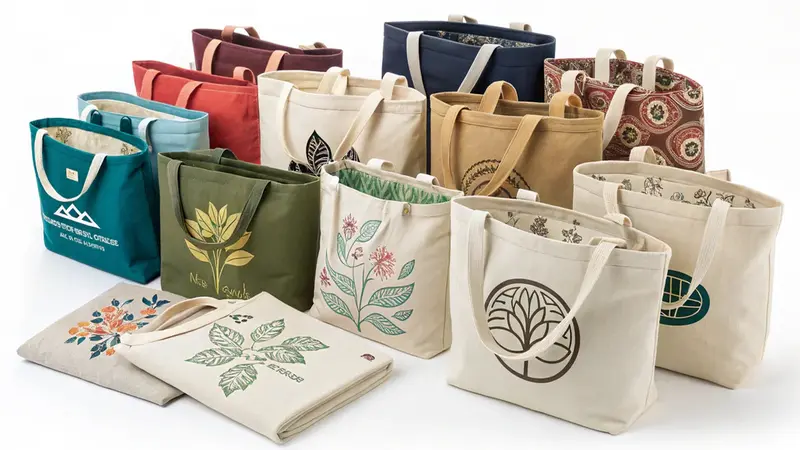
Cotton is one of the most widely used natural fibers in the bag industry. It is popular for tote bags, reusable shopping bags, and other everyday products because it is versatile and easy to customize. However, calling a cotton product automatically “sustainable” oversimplifies the issue. Cotton production requires land and water, while turning raw cotton into fabric also requires energy and other resources. The finished product still needs to be manufactured, transported, and eventually disposed of.
Cotton Bag In Vietnam – Bola Bag
Reading the Whole Lifecycle
That does not mean cotton bags are a poor choice. Instead, it means the complete lifecycle should be considered. A durable cotton or canvas bag designed for repeated use can make sense when the product is used regularly and kept for a long time. This is one reason brands working with canvas bag manufacturers should look at more than fabric type. Fabric weight, construction quality, product design, and intended lifespan all matter.
Why Durability Is Part of Sustainability
Longer Use Means Lower Impact
One of the simplest ways to reduce the environmental impact of a textile product is to keep it in use for longer. Consider a backpack that is used every day. If the shoulder straps are poorly reinforced or the zipper fails after a short period, the entire product may need to be replaced. A well designed backpack with stronger construction can remain useful much longer.
Durability Across Other Bag Types
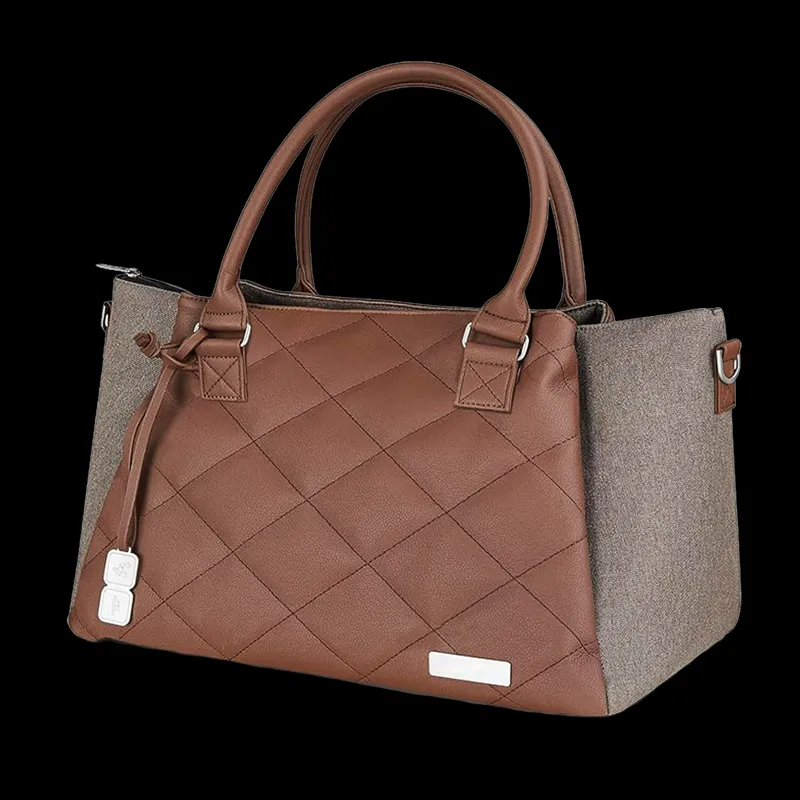
The same principle applies to laptop bags, sports bags, travel bags, and other products. Choosing the appropriate fabric and combining it with strong construction can improve performance while reducing the likelihood of early replacement. For brands developing new products, this is where the manufacturer’s experience becomes valuable. Custom backpack manufacturers can work with brands to adjust materials, dimensions, compartments, reinforcement, and other details around the intended use rather than relying on a one size fits all design.
What About Synthetic Fabrics?
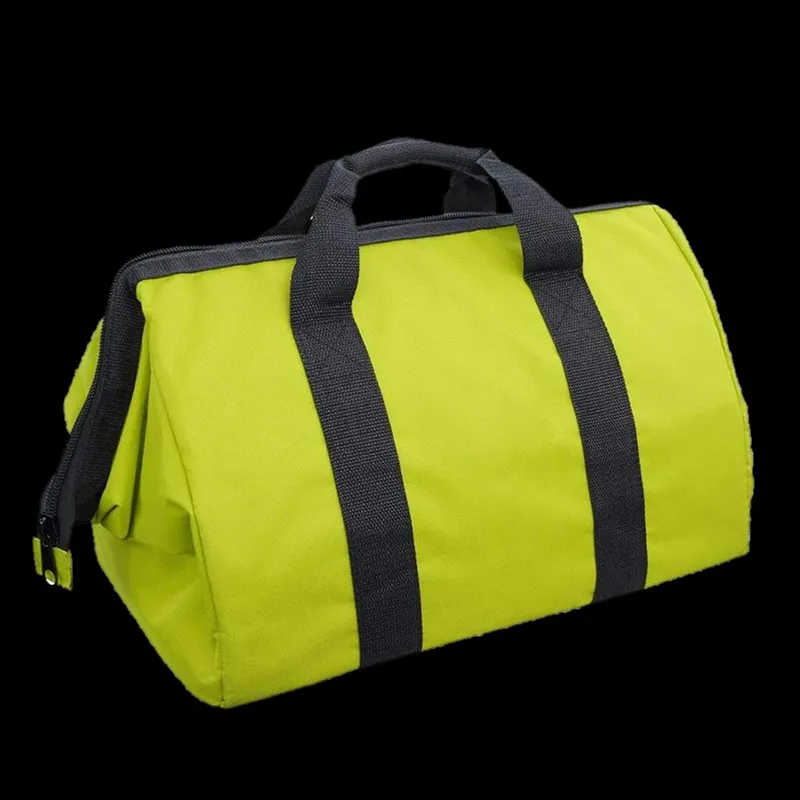
Sustainability discussions can sometimes create the impression that natural fibers are always better than synthetic ones. In practice, the answer depends on the product. Synthetic materials such as polyester and nylon can provide useful characteristics including strength, abrasion resistance, water resistance, and lightweight construction. These properties can be particularly important for technical or outdoor products that are expected to handle demanding conditions. A fabric that performs well and helps a product remain functional for many years may be more appropriate than a material that does not meet the requirements of the product. For this reason, brands should choose materials based on the intended application while also considering responsible sourcing and efficient manufacturing. Sustainability works best when environmental considerations are balanced with real product performance.
Manufacturing Efficiency Matters Too
Where Waste Happens in Production
The environmental impact of a bag is also affected by how efficiently it is produced. During manufacturing, fabric is cut into panels that are later sewn and assembled. Efficient pattern planning can help reduce unnecessary offcuts, while accurate sampling can identify design problems before large scale production begins. Quality control also plays a role. When defects are identified early, manufacturers can reduce the amount of material, labor, and energy lost to products that cannot be sold. This becomes particularly important when brands place large orders. Businesses purchasing products in volume should consider production consistency and manufacturing capabilities alongside price. A supplier that can deliver reliable quality at scale can help prevent unnecessary waste throughout the supply chain.
Choosing the Right Manufacturing Partner
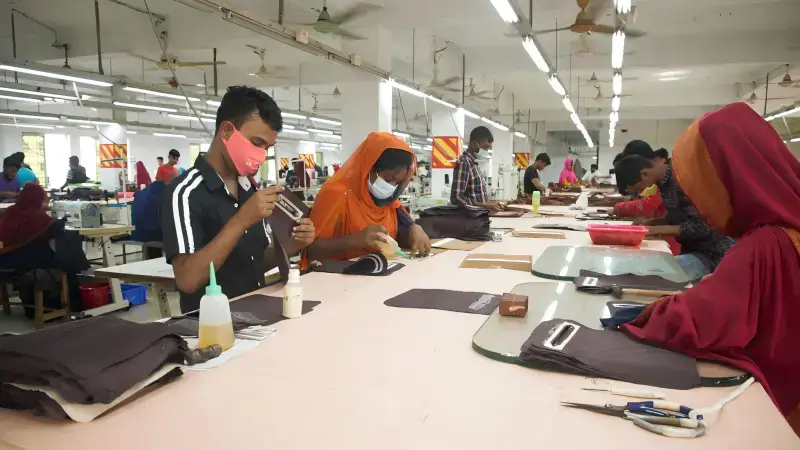
For brands, sustainability is ultimately connected to the way they source and develop products. A strong manufacturing partner can help from the earliest design stage, where many important decisions about materials and construction are made. Rather than simply selecting an existing product, brands can work with an OEM or ODM manufacturer to develop a bag around their specific requirements. This can include fabric selection, size, storage compartments, closures, branding, reinforcement, and other functional features.
SUNTEAM Factory – Bola Bag
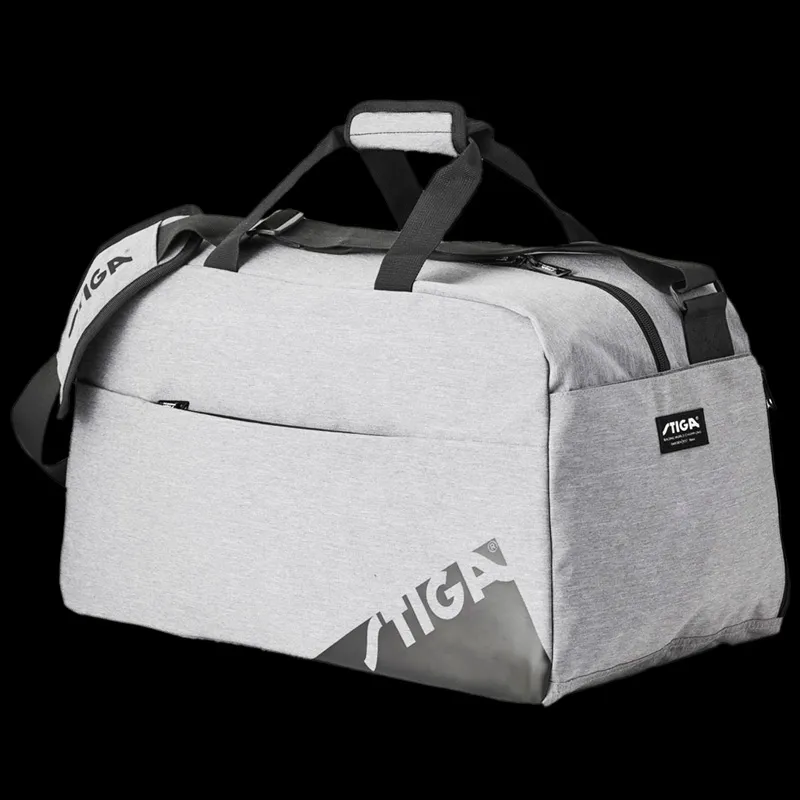
Bola Bag provides OEM and ODM manufacturing for international brands, with capabilities covering product development, sampling, bulk production, and export. Its range includes backpacks, sports bags, travel products, and other customized soft goods. For companies searching for laptop bag manufacturers or gym bag manufacturer services, this type of development focused partnership can be useful because product performance and manufacturing considerations can be addressed together from the beginning.
A More Practical View of Sustainable Textiles
The textile industry does not have a single material that solves every sustainability challenge. Cotton, canvas, polyester, nylon, and other fabrics each have different characteristics, and the right choice depends on how the finished product will be used. For bag brands, a more practical approach is to focus on the entire product lifecycle. Use materials that make sense for the application, design products that are durable, manufacture them efficiently, and avoid unnecessary waste wherever possible. Sustainability is also closely connected to product value. When customers receive a bag that works well, lasts a long time, and continues to be useful, fewer replacements may be needed. Good design and good manufacturing therefore have benefits that extend beyond appearance and cost.
Source Bags Built to Stay in Use
The most reliable sustainability lever in this category is a product that lasts years rather than seasons. Bola Bag manufactures OEM and ODM bags in Vietnam with an emphasis on construction quality, efficient material use, and the compliance documentation export markets ask for. Talk to Bola Bag about specifying a bag that earns its footprint.
Conclusion
So, is the textile industry sustainable? It can become more sustainable when brands and manufacturers make thoughtful decisions about materials, product design, manufacturing efficiency, and durability. There is no single solution, but better choices at each stage of the process can create textile products that are more practical, longer lasting, and more responsible.
Read more: How to Start a Backpack Business: A Practical Framework for First Time Founders


BOLA BAG's BLOG YOU MAY ALSO BE INTERESTED IN
Scale Your Bulk Orders with Reliable Wholesale Backpack Manufacturers
Professional Sport Bag Manufacturer in Vietnam for OEM/ODM Production
What Is Garment Production? The Eight Steps From Fabric Roll to Finished Garment