


If you have ever dreamed of opening your own production line, you have probably typed some version of “how much does it cost to start a garment factory” into a search bar late at night. We get it. It is one of the biggest questions facing anyone who wants to move from selling products to actually making them. The honest answer is: it depends heavily on scale, product type, and location, but we can walk you through the real cost buckets so you can plan with confidence.
We spend our days inside a factory that specializes in bags, backpacks, and technical soft goods, so we know firsthand how capital gets allocated when you are building production capability from scratch. Let us break it down together.
Why the Cost Range Is So Wide
There is no single number for starting a garment factory because the variables are enormous. A small workshop with a handful of sewing machines producing simple tote bags looks nothing like a facility set up to serve a backpack manufacturer producing thousands of units a month for export markets like the USA, EU, or Australia. Product complexity, fabric type, labor costs in your region, and whether you plan to export all change the equation dramatically. This is exactly why people asking how much does it cost to start a garment factory rarely get a satisfying one-line answer.
Generally speaking, a very small operation might start with tens of thousands of dollars, while a mid-sized, export-compliant facility can require several hundred thousand dollars or more. Understanding what drives that range is more useful than chasing one magic figure.
Facility and Equipment Costs
Your building and machinery are usually the largest upfront expense, and they are often the first line item people research when trying to figure out how much does it cost to start a garment factory. Rent or purchase costs vary wildly by country and city, but beyond the space itself, you will need industrial sewing machines, cutting tables, bar-tack machines for reinforced stress points, and possibly heat-press or foam-molding equipment if you plan to work with padded panels or structured backpacks.
If your goal is to become a serious backpack supplier, this equipment list grows quickly. Heavy-duty bags demand different machinery than lightweight garments, including specialized presses for webbing, zippers, and buckles. Budgeting for this specialized tooling early prevents costly retrofits later.
Raw Materials and Fabric Sourcing
Fabric and hardware inventory represent another significant chunk of startup capital. Materials like Cordura, ripstop nylon, and heavy canvas each come with different price points, minimum order quantities, and supplier relationships that take time to build. If you are producing technical bags, you will also need webbing, buckles, zippers, foam padding, and reinforcement thread rated for heavy-duty use.
Many new factory owners underestimate how much working capital gets tied up in materials before a single finished product is sold. It is wise to budget for at least a few production cycles of inventory before you expect meaningful revenue.
Labor and Skilled Workforce
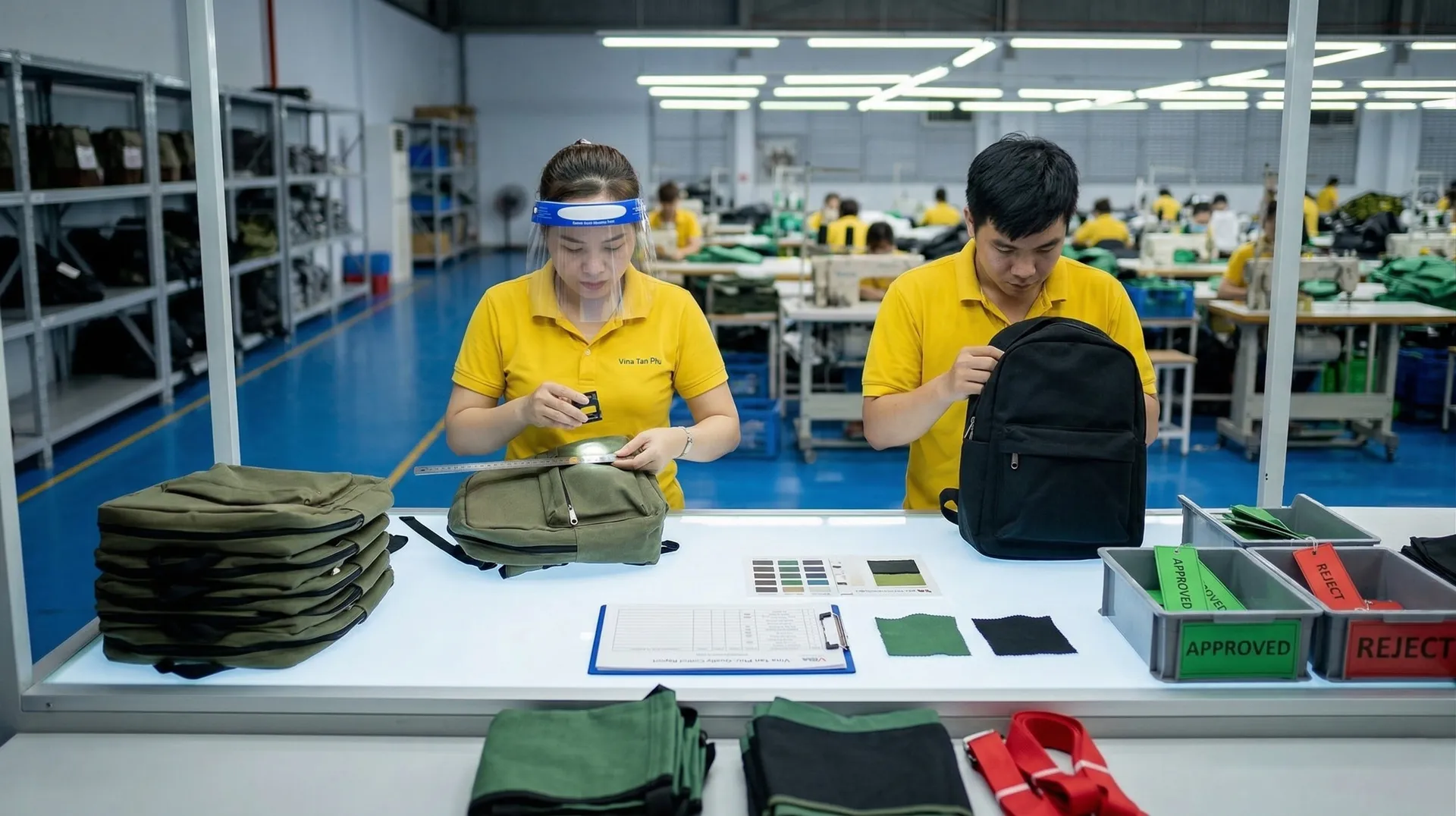
Skilled labor is not optional when you are producing anything beyond the simplest designs, and it is a major reason the answer to how much does it cost to start a garment factory shifts so much from region to region. Sewing operators trained in bar-tack stitching, foam paneling, and heavy-duty tolerances are harder to find and typically command higher wages than general garment sewers. If you are aiming to serve custom backpack manufacturers or brands with technical specifications, investing in operator training early pays off in reduced defects and faster turnaround later.
Labor and Skilled Workforce
Beyond sewing operators, you will need quality control staff, pattern makers, and someone experienced in Tech Pack development so that designs translate accurately from concept to finished product.
Compliance, Certifications, and Export Readiness
If you intend to sell internationally, factor in the cost of meeting export compliance standards for regions like the USA, EU, or Australia. This can include safety testing, labeling requirements, and quality certifications that buyers expect before they will place large orders. These costs are easy to overlook in early budgeting but become non-negotiable once you are courting serious clients.
Compliance is also where many new factories stumble. Buyers researching a potential sport bag manufacturer or technical gear supplier will often ask for documentation before committing to a partnership, so building this into your startup budget from day one saves headaches later.
Prototyping and Sampling Costs
Before any bag reaches full production, it goes through prototyping. This stage validates stitching, fit, durability, and overall design before you commit to bulk materials and labor. Rapid prototyping, ideally within a 7 to 10 day turnaround, allows you to catch design flaws early rather than discovering them after hundreds of units have already been cut and sewn.
Budgeting for multiple rounds of samples is smart, especially if you are developing something technical like a hiking backpack, tool bag, or structured travel case. Each round costs money and time, but it is far cheaper than reworking a large production run.
Overhead, Utilities, and Administrative Costs
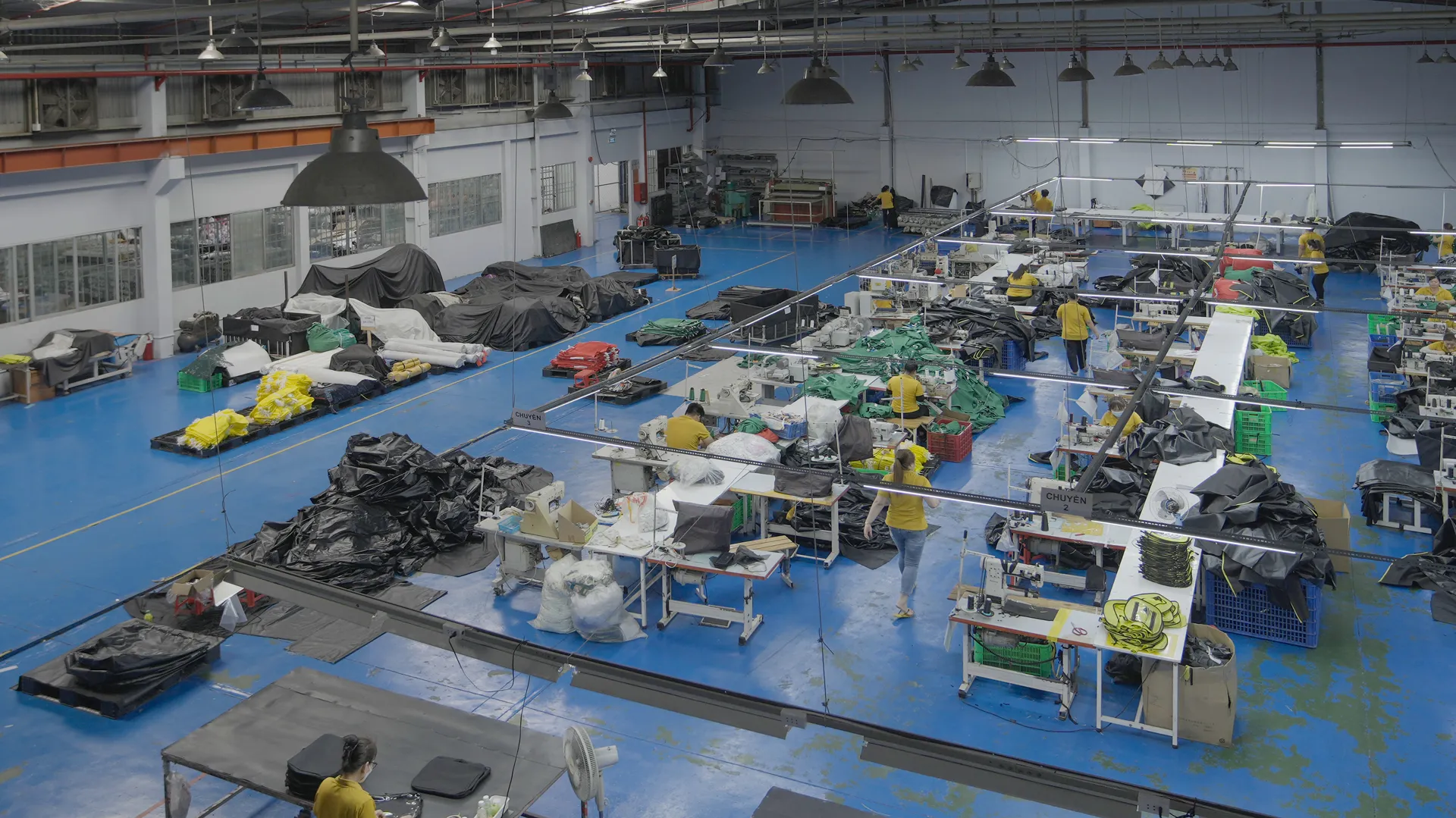
Beyond the visible costs of machines and materials, factories carry ongoing overhead: electricity for cutting and sewing equipment, warehouse space for finished goods, administrative staff, and logistics coordination for shipping. These recurring expenses do not disappear once the factory is built; they become part of your monthly operating reality, and they are often the piece people forget to include when estimating how much does it cost to start a garment factory.
Overhead, Utilities, and Administrative Costs
New factory owners sometimes focus so heavily on the initial build-out that they underestimate the cash flow needed to keep operations running smoothly through the first several months while orders ramp up.
Scaling Costs: Small Workshop vs. High-Volume Facility
There is a meaningful difference between starting a small workshop and building a facility capable of high-volume, export-ready production. A boutique operation serving local clients might get by with modest investment, while a factory positioning itself as a full OEM or ODM partner for backpack manufacturer clients or custom backpack manufacturers needs significantly more capital for equipment, workforce training, and compliance infrastructure. Anyone comparing these two paths quickly sees why how much does it cost to start a garment factory has such a broad answer depending on ambition.
If your long-term goal is to serve international brands, it often makes sense to plan your budget around the higher end of estimates from the start, rather than scaling reactively and hitting bottlenecks later.
Alternatives to Building Your Own Factory
Given how substantial these costs can be, many brand founders and product designers choose a different path entirely: partnering with an established OEM or ODM manufacturer instead of building a facility from scratch. This route lets you access existing equipment, trained labor, and export compliance infrastructure without shouldering the full capital burden yourself, which sidesteps much of the question of how much does it cost to start a garment factory in the first place.
This is often a practical first step for founders who want to launch a backpack or technical bag line without the years of investment required to stand up their own factory. It allows you to focus on design, branding, and market fit while leaning on a partner’s existing production capability.
Conclusion
So, how much does it cost to start a garment factory? As we have seen, the honest answer depends on your product complexity, target markets, and scale ambitions, ranging from modest workshop investments to substantial six-figure commitments for export-ready facilities. Understanding each cost bucket, facility, materials, labor, compliance, and prototyping, helps you plan realistically instead of guessing.
Whether you decide to build your own facility or partner with an established manufacturer, the key is going in with clear eyes about what each path requires. Explore more technical bag design insights or consult with the product engineering team at Bola Bag to bring your custom bag collection to life.
Read more: How Can I Start Garment Business? A Friendly Step-by-Step Guide


BOLA BAG's BLOG YOU MAY ALSO BE INTERESTED IN
Vietnam Wholesale Sports Backpacks Supplier for International Markets
Find Your Premier Cotton Bag Supplier for Wholesale and Custom Orders
Vietnam Bicycle Bag Supplier for Wholesale and Export Markets