


Garment OEM is usually understood as manufacturing under someone else’s brand name from a purchase order. But for backpacks, technical bags, or any load-bearing soft goods, garment OEM is far more than sewing and labeling — it is a full process spanning material selection, pattern engineering, structural reinforcement, hardware integration, and quality testing to export standards. This piece breaks down what garment OEM actually involves, and why a standard garment factory often falls short once the product goes beyond a simple fabric tote.
What Garment OEM Actually Means
If you have spent any time researching overseas production, you have almost certainly run into the term garment OEM. OEM stands for Original Equipment Manufacturer, and in the apparel and soft goods world it describes a factory that builds a product to your specifications, under your brand name. You bring the design intent, the materials list, and the quality expectations. The factory brings the machines, the pattern engineering, and the labour to turn those documents into finished units.
We like to describe garment OEM as “your design, our hands.” The intellectual property stays with the brand. The factory does not put its own label inside the collar or on the shoulder strap. That distinction matters, because it separates a true garment OEM arrangement from private label programs where you simply pick from an existing catalogue and add a logo.
OEM vs. ODM: The Difference That Trips People Up
ODM stands for Original Design Manufacturer. Here, the factory contributes design work as well as production. Maybe you arrive with a mood board, a rough sketch, or just a functional brief — “we need a 28-litre commuter pack with a padded laptop sleeve and a hidden passport pocket” — and the engineering team develops the pattern, suggests the fabric, and builds the sample.
Most real-world projects sit somewhere between pure OEM and pure ODM. A brand founder might have a fully resolved silhouette but need help choosing between 500D and 1000D Cordura. A procurement manager might have a legacy product that needs re-engineering for a lower landed cost. Both are perfectly normal. What matters is being honest about how much design work you are bringing to the table, because that determines how much lead time and prototyping the project will need. Clarity on this point is what makes a garment OEM relationship run smoothly from the first email onward.
Why Bags Are Not Just “Garments With Straps”
This is the part we wish more brands understood before they place a first order. Garment OEM is a broad umbrella, and a factory that sews beautiful t-shirts is not automatically equipped to build a backpack. The two disciplines diverge in almost every meaningful way.
- Machine class. Bags require heavy-duty walking-foot and post-bed machines that can push a needle through multiple layers of laminated fabric, webbing, and foam. Standard apparel machines simply cannot handle the stack thickness.
- Stress engineering. A shoulder strap anchor point carries dynamic load. That means bar-tack stitching, reinforcement patches, and box-X stitch patterns — techniques that have no equivalent in shirt making.
- Structure and foam. Contoured back panels, EVA foam paneling, moulded bases, and internal frame sheets all require dedicated tooling and skilled hands.
- Hardware integration. Buckles, ladder locks, zipper pulls, D-rings, and moulded feet each have their own tolerance and testing considerations.
Our own experience is entirely in this second category. We work exclusively on bags and technical soft goods, and that specialisation is what lets us hold heavy-duty tolerances that general garment factories struggle to reach. So when you search for a garment OEM partner, add the word “bag” to the brief and read the capability list carefully.
What a Complete Tech Pack Should Contain
The Tech Pack is the contract between your idea and the sewing floor. A weak Tech Pack is the single most common cause of delayed samples and disappointing first articles. A strong one should include:
- Flat technical sketches with front, back, side, and interior views
- Full dimensional callouts, including gusset depths and strap lengths
- A bill of materials naming every fabric, lining, webbing, thread, and hardware item with supplier references where possible
- Colourways with Pantone references and any print or coating specifications
- Stitch types, seam allowances, and reinforcement points
- Label, logo, and packaging placement
- Target weight, target capacity, and any performance standards the product must meet
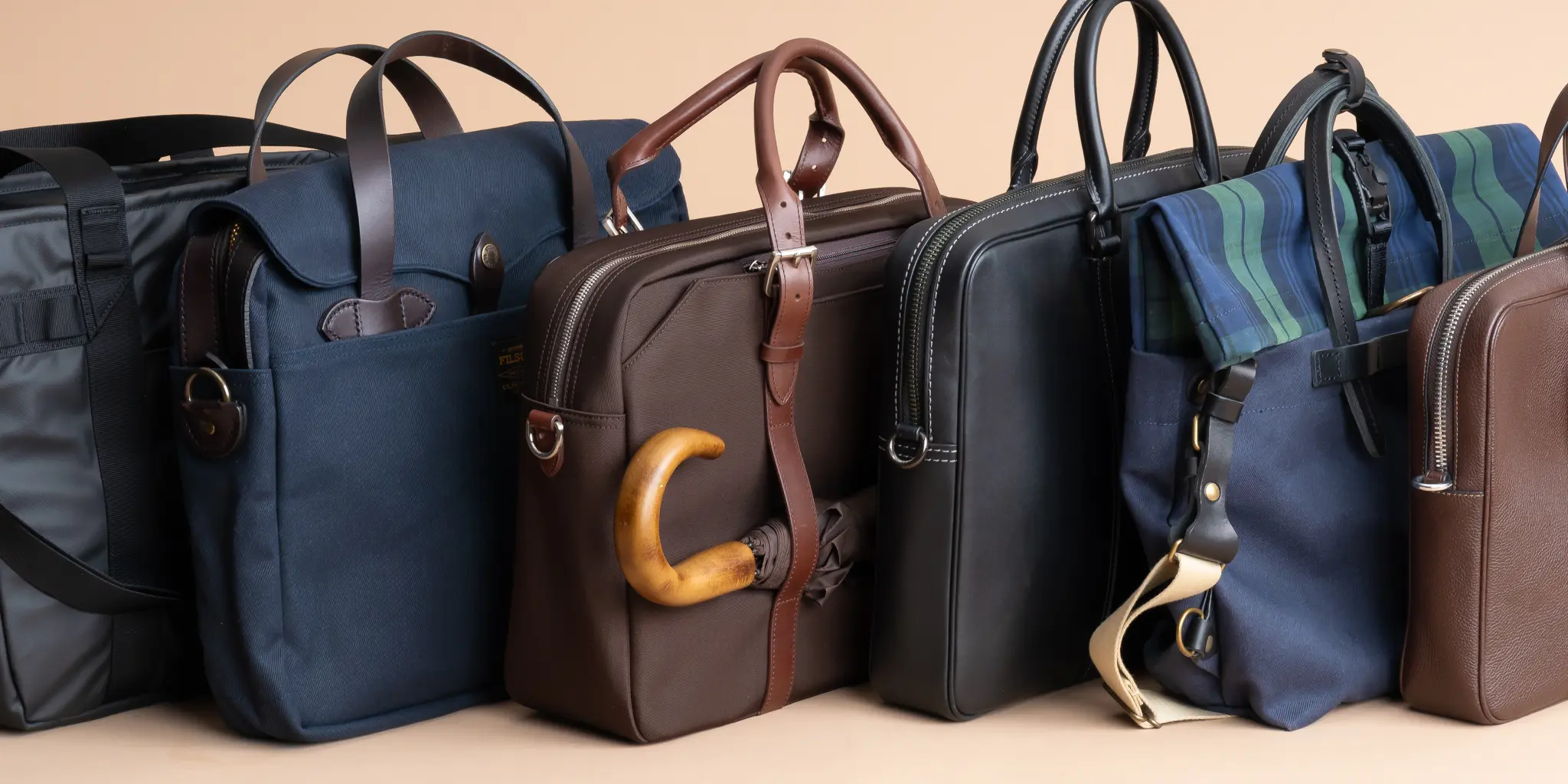
What a Complete Tech Pack Should Contain
If you do not have all of this yet, that is fine — this is exactly where ODM support becomes valuable. Our engineering team routinely builds Tech Packs from sketches and reference samples, then moves into prototyping within a 7 to 10 day window so the feedback loop stays tight.
Choosing Materials: Cordura, Ripstop, and Canvas
Material selection drives durability, weight, hand feel, and cost more than almost any other decision. A quick orientation:
- Cordura nylon is the workhorse for technical packs. High tenacity, excellent abrasion resistance, and available in a wide denier range. 500D suits everyday commuter gear; 1000D suits tactical, industrial, and expedition use.
- Ripstop nylon uses a reinforcing grid weave that stops small tears from spreading. It is light, packable, and ideal for stuff sacks, ultralight daypacks, and internal organiser panels.
- Cotton canvas and waxed canvas deliver heritage aesthetics and a satisfying structure that softens with age. Heavier and less water-resistant than synthetics, but unbeatable for lifestyle and heritage-positioned collections.
Coatings matter too. PU and TPU laminates, DWR finishes, and PVC-free alternatives all change the performance and the compliance profile of your finished goods. A garment OEM working in bags should be able to explain each of these trade-offs in plain language before you commit to a bill of materials.
How to Evaluate a Backpack Manufacturer
When you shortlist partners, look past the price quote. A credible backpack manufacturer should be able to walk you through its own capability honestly. Questions worth asking:
- What percentage of your output is bags versus apparel?
- Can you show physical samples in the fabric weight and construction class I need?
- What is your realistic prototype turnaround, and how many revision rounds are included?
- What are your minimum order quantities per colourway, not just per style?
- Which export markets do you already ship to, and what compliance documentation do you provide?
- How is in-line and final inspection handled, and who signs off?
A backpack supplier that trades in vague answers on MOQs or inspection protocols is telling you something important. The best custom backpack manufacturers are specific, because specificity is what their engineering discipline is built on.
Where Sport and Technical Categories Add Complexity
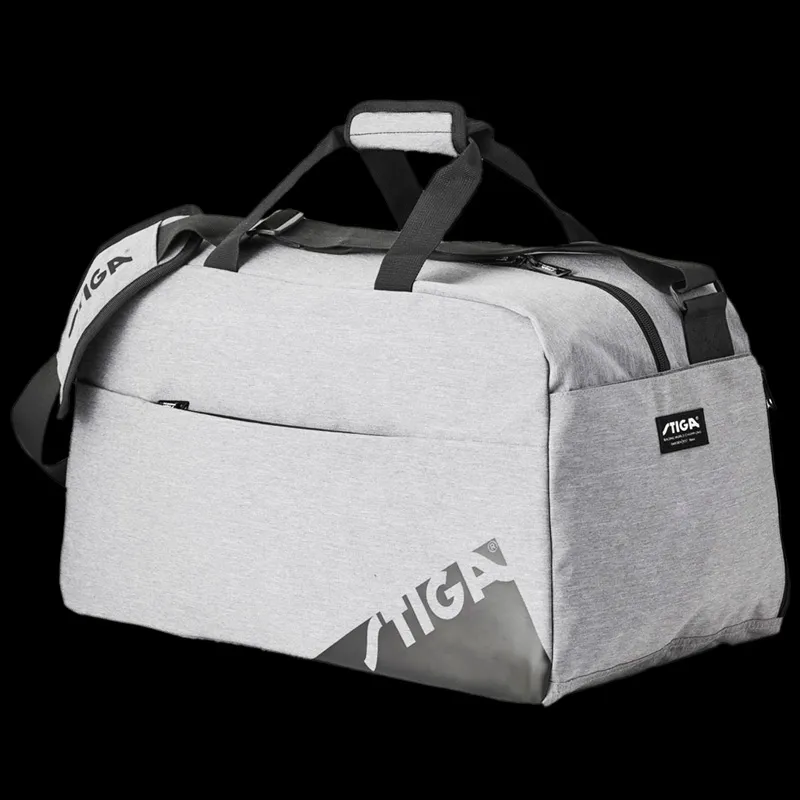
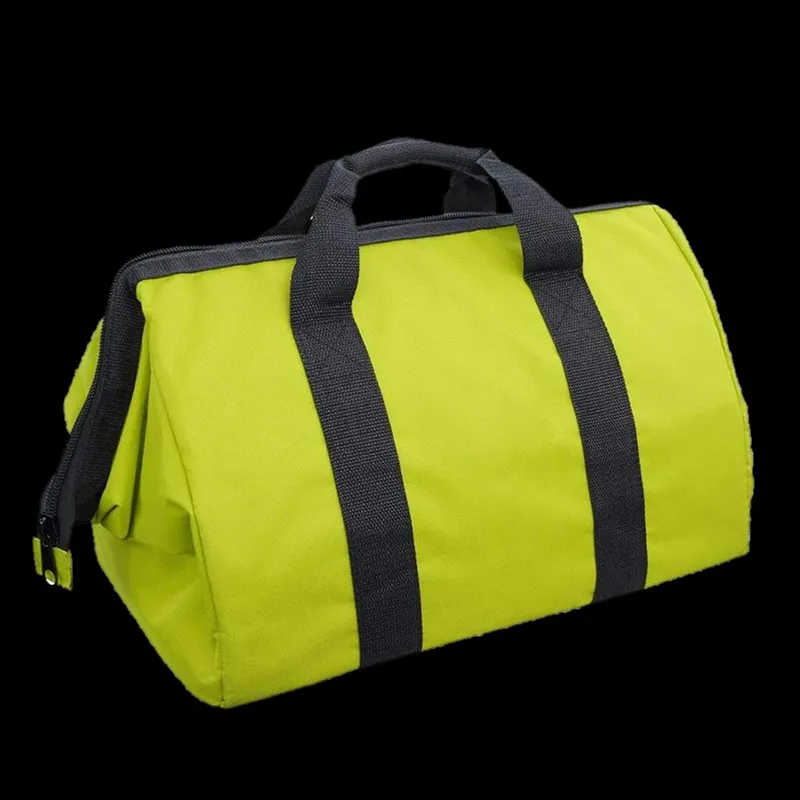
A sport bag manufacturer faces demands that go beyond general soft goods. Hydration compatibility, ventilated air-mesh back panels, load-lifter geometry, compression strap placement, ventilated shoe compartments, and moisture management all need to work together in a single silhouette. Industrial and tool bags introduce another layer: load ratings, moulded protective bases, tool retention systems, and abrasion zones that see daily punishment.
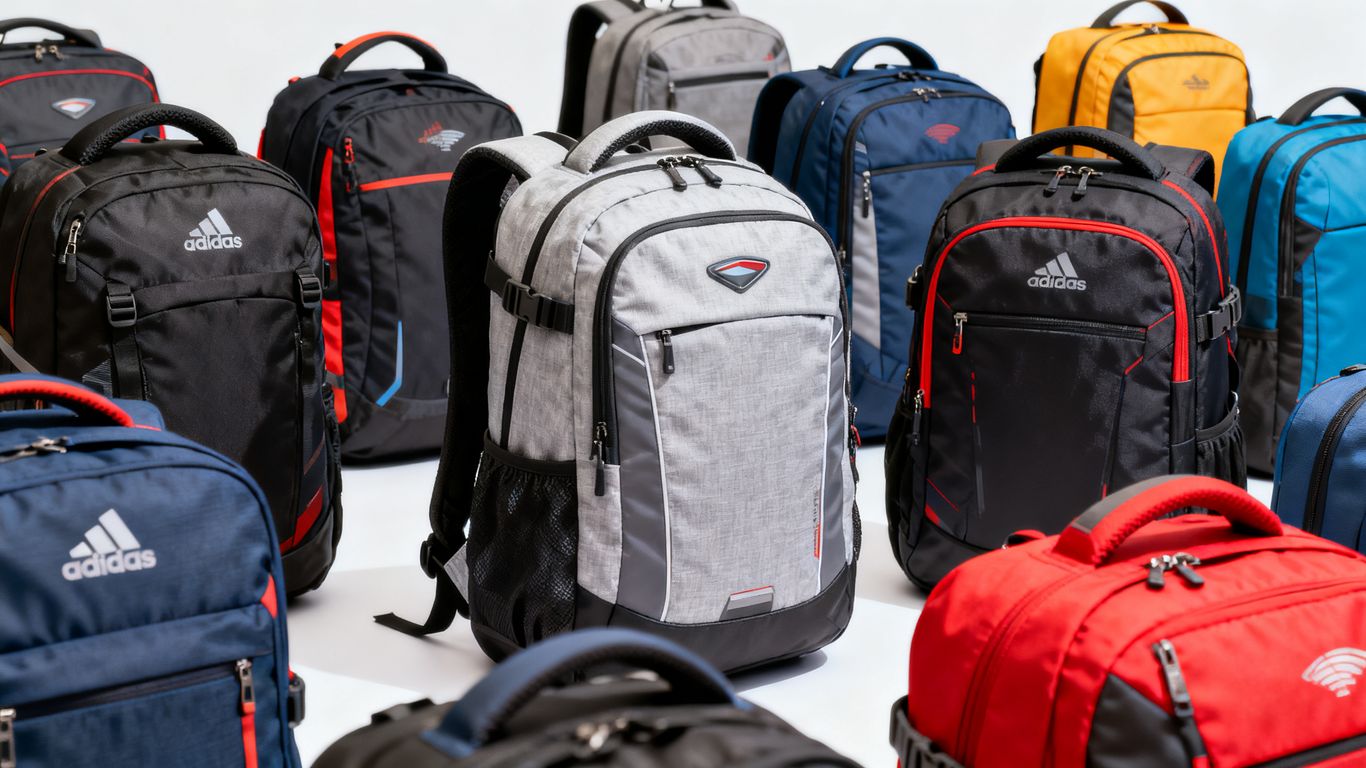
Where Sport and Technical Categories Add Complexity
These categories reward factories that build only bags, because the tooling, the pattern library, and the operator muscle memory all compound over time. A generalist garment OEM can sew the panels, but it rarely has the accumulated know-how to predict where a loaded pack will fail after six months of use.
A Realistic Development Timeline
Founders often underestimate how long a first production run genuinely takes. A healthy sequence looks roughly like this: brief and Tech Pack refinement, first prototype, review and revision, second prototype, material sourcing confirmation, pre-production sample and approval, then bulk production and inspection. Each prototype round can move quickly — ours run on a 7 to 10 day cycle — but material lead times and your own internal approvals are usually the real schedule drivers.
Build buffer into your launch calendar. Rushing the pre-production sample approval is how avoidable defects reach retail shelves.
Why Vietnam Sits at the Centre of Soft Goods Sourcing
Vietnam has become a natural home for technical soft goods production thanks to a deep skilled labour base, mature trim and hardware supply networks, and established export channels into the USA, the EU, and Australia. That ecosystem is also why so many brands begin their garment OEM search here. Our own facility is 100% Vietnam-owned and operated in Ho Chi Minh City, and we see firsthand how valuable it is for brands to have engineering conversations and production happening in the same building rather than across a broker chain.
Conclusion
Garment OEM is a useful umbrella term, but bags live in their own engineering universe. Understanding the difference between OEM and ODM, arriving with a disciplined Tech Pack, choosing materials with intent, and vetting garment OEM partners on specificity rather than price alone will save you months of frustration. If you are mapping out a new collection and want to talk through construction, materials, or timelines, we are always happy to dig into the technical details with you.
Read more: Why a Garment OEM Factory Isn’t the Right Fit for Bag Production


BOLA BAG's BLOG YOU MAY ALSO BE INTERESTED IN
How to Find the Right Custom Backpack Manufacturers in 2026
How to Evaluate a Sport Bag Supplier Before Large-Scale Production
Engineering Durable Solutions at Our Professional Tote Bag Factory