


So you’re wondering, “how can I start garment business” ventures that actually succeed? We get this question a lot, and we love it, because starting a clothing or bag brand is one of the most exciting journeys a founder can take. Whether you’re dreaming of a streetwear line, a sport bag collection, or a full apparel brand, the path shares common milestones. Let’s walk through them together, step by step, in plain and friendly language.
We’ll be honest: the garment business is exciting but detail-heavy. There are fabrics to choose, factories to vet, and samples to approve. But once you understand the sequence, it stops feeling overwhelming and starts feeling like a checklist you can actually follow. If you keep asking yourself how can I start garment business the right way, know that every founder before you has worked through this exact same checklist.
Start With a Clear Niche and Product Vision
Before you contact a single supplier, we recommend nailing down exactly what you want to make. Are you designing apparel, accessories, or technical gear like backpacks and travel bags? The more specific your niche, the easier every later step becomes. A broad idea like “I want to sell bags” is much harder to execute than “I want to launch a durable sport bag manufacturer relationship for a line of gym duffels made from Cordura fabric.” If you’re asking yourself how can I start garment business today, this clarity is where it truly begins.
Write down your target customer, price point, and the three to five products you want in your first collection. This vision becomes the foundation for your Tech Pack later, so don’t skip it.
Research the Market and Validate Demand
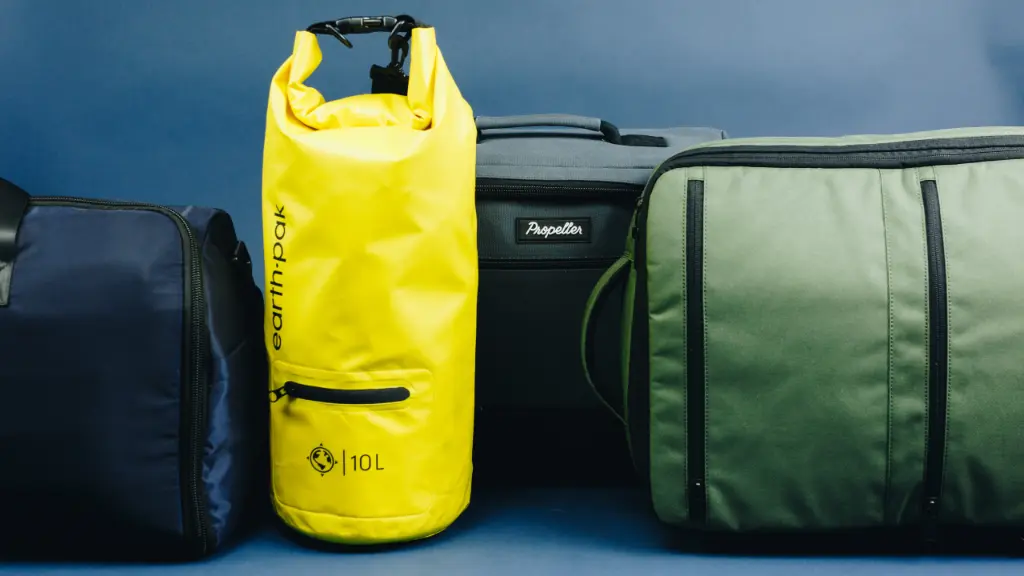
We always tell new founders: validate before you invest. Look at what’s already selling, read customer reviews on competitor products, and identify gaps. Maybe existing backpacks in your niche lack proper laptop compartments, or maybe there’s no durable, ergonomic option for outdoor sport bags. These gaps are your opportunity.
Research the Market and Validate Demand
Talk to potential customers directly if you can. Social media polls, small surveys, or even casual conversations can tell you a lot about what people actually want versus what you assume they want.
Learn the Basics of Materials and Construction
Understanding fabric and construction basics will save you enormous time and money later. If you’re building bags, you’ll want to get familiar with materials like Cordura, Ripstop, and Canvas, along with hardware like zippers, buckles, and webbing. Knowing the difference between a lightweight travel pack and a heavy-duty industrial tool bag helps you communicate clearly with any backpack manufacturer you approach. Many people ask how can I start garment business without deep technical knowledge, and the honest answer is that a working vocabulary of materials makes every later conversation far more productive.
You don’t need to become an engineer overnight, but understanding these basics makes conversations with suppliers smoother and more productive.
Develop a Tech Pack Before You Approach Factories
A Tech Pack is essentially the blueprint of your product: measurements, materials, stitching details, hardware specs, and construction notes. We cannot stress this enough — showing up to a factory with only a sketch or a vague idea usually leads to miscommunication, wasted samples, and delays.
If you don’t know how to build a Tech Pack yourself, many manufacturing partners offer guidance or development support as part of their prototyping process. The clearer your Tech Pack, the faster and more accurate your first samples will be. This is often the stage where people realize how can I start garment business questions really turn into practical, solvable problems.
Decide Between OEM and ODM Manufacturing
This is a big fork in the road. OEM (Original Equipment Manufacturer) means you bring your own design and the factory builds exactly what you specify. ODM (Original Design Manufacturer) means the factory offers design input or existing templates you can customize. Many custom backpack manufacturers offer both paths depending on how much design work you’ve already done.
If you have a strong design vision and just need production expertise, OEM might suit you. If you want help refining your concept, ODM support can accelerate your timeline.
Find the Right Manufacturing Partner
This step trips up a lot of new founders, and it’s often where the real answer to how can I start garment business finally becomes clear. Not every factory that says “we make bags” actually specializes in the tolerances, bar-tack stitching, and foam paneling that technical soft goods require. When searching for a backpack supplier, ask specific questions: What materials do they work with regularly? Can they handle heavy-duty stitching? What’s their typical prototyping timeline?
A specialized partner focused specifically on bags and technical soft goods will understand nuances that a general garment factory might miss. This distinction matters enormously if you’re producing anything beyond simple tote bags — think structured backpacks, padded straps, or reinforced industrial gear.
Request Samples and Refine Through Prototyping
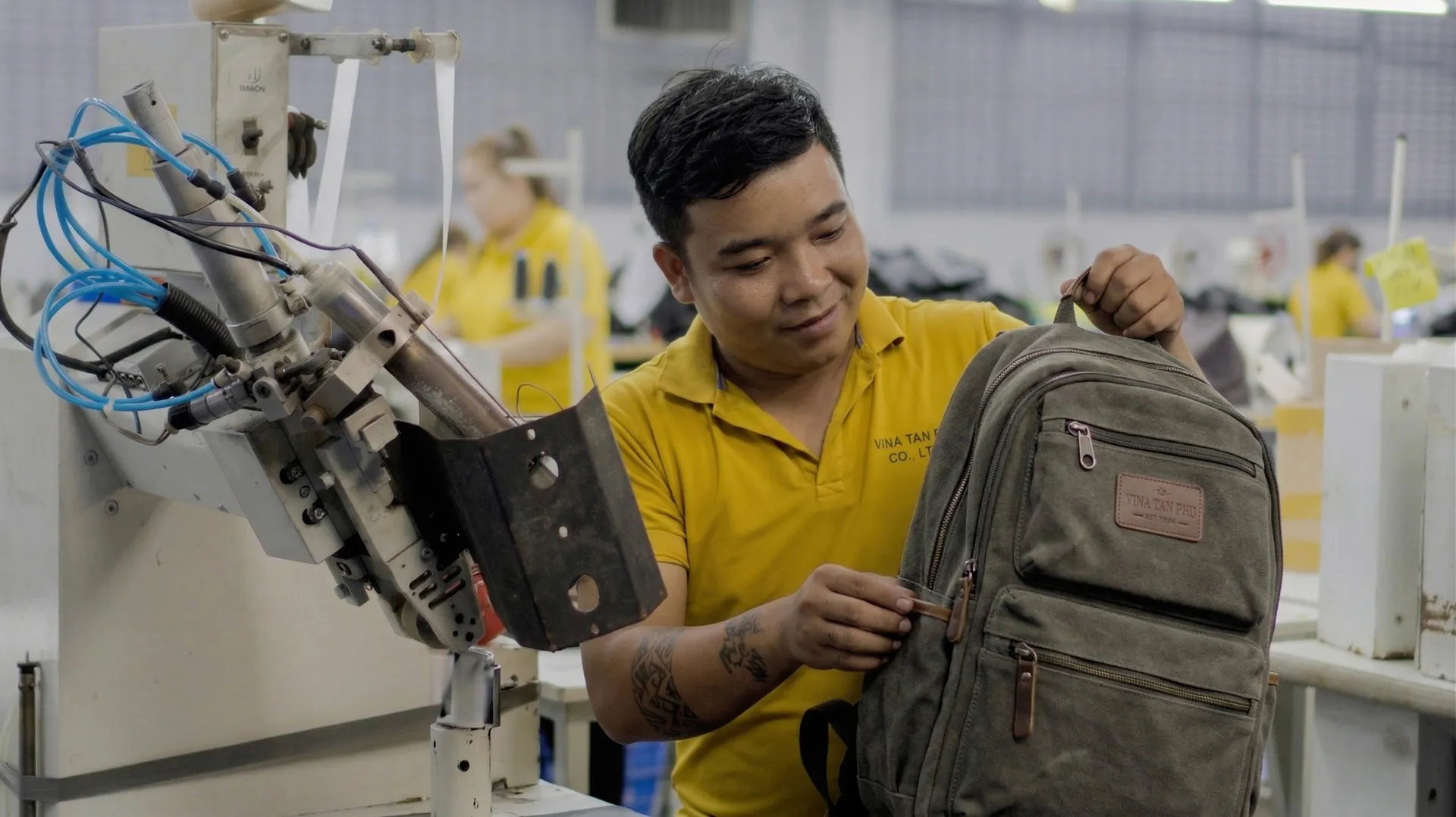
Never skip sampling. Even the best Tech Pack benefits from a physical prototype you can hold, test, and adjust. Good manufacturing partners typically offer relatively quick turnaround on prototypes so you can iterate without losing months of momentum. Expect at least one or two rounds of revisions before you’re fully happy with fit, feel, and function.
Request Samples and Refine Through Prototyping
Test your samples in real conditions if possible. If it’s a hiking backpack, take it on a hike. If it’s a sport bag, stuff it with gym gear and see how the seams hold up.
Plan for Production Volume and Compliance
Once your sample is approved, you’ll need to think about minimum order quantities, production timelines, and export compliance if you’re shipping internationally. Different markets like the USA, EU, and Australia have their own regulations and standards, so working with a manufacturer experienced in global export compliance can prevent costly surprises down the line.
Start with a manageable first production run rather than overcommitting. This lets you test market response before scaling up inventory.
Build Your Brand and Sales Channels
While your product is being manufactured, use the time to build your brand story, website, and sales channels. Whether you’re selling through your own online store, marketplaces, or wholesale to retailers, your packaging, photography, and messaging should reflect the quality and durability you’ve built into the product itself.
Consistency between your product quality and your brand presentation builds trust with customers faster than flashy marketing ever will.
Keep Learning and Iterating
Starting a garment business isn’t a one-time launch, it’s an ongoing process of listening to customer feedback, refining your designs, and strengthening your supply chain relationships. The founders who succeed long-term treat their first collection as a learning experience, not a final product.
Conclusion
Answering “how can I start garment business” ventures really comes down to preparation, the right partners, and patience through the sampling process. From defining your niche to building a solid Tech Pack, choosing between OEM and ODM, and finding a manufacturing partner who truly understands technical construction, each step builds on the last. We hope this guide gives you the confidence to move forward with clarity on how can I start garment business the smart way.
If you’re focused specifically on bags, backpacks, or technical soft goods, we’d encourage you to explore more technical bag design insights or consult with the product engineering team at Bola Bag to bring your custom bag collection to life.
Read more: How to Start a Backpack Company: A Step-by-Step Guide for Founders


BOLA BAG's BLOG YOU MAY ALSO BE INTERESTED IN
Wholesale Gym Bags Manufacturer Sourcing Strategy For Sportswear Brands
How Fashion Brands Partner with Custom Cotton Tote Bag Manufacturer Globally
What Is Garments Technology? The Skills and Systems That Turn a Sketch Into a Product