


Opening is not the same as starting. Starting is the idea, the sketches, and the Instagram handle. Opening is the morning you are legally allowed to take money, have somewhere to put stock, and have a factory or a sewing floor that will actually make the thing. Most guides on how to open garment business operations blur the two together and skip the part that trips people up, which is the sequence of decisions between the idea and the first invoice. There are six, they have to happen in a particular order, and two of them are irreversible enough to deserve a week of thought each.
Decision One in How to Open Garment Business: Which Business You Are Opening
The word garment covers three businesses that share almost nothing except a sewing machine, and the legal structure, capital, and premises differ for each.
A Brand That Outsources Production to a Factory
You design, market, and sell. A factory makes. You need a registered company, a tech pack, a supplier, and working capital for the first order, and you do not need a single machine. This is the lowest capital route and the one most first time founders should take.
A Sewing Floor of Your Own
You make, for yourself or for other brands. You need premises with power and ventilation, industrial machines, cutting tables, skilled operators, and a much larger capital base. The full figure surprises people, and the itemised version of how much does it cost to start a garment factory is worth reading before assuming this is year one rather than year three.
A Shop or Wholesaler That Buys Finished Products
You buy finished goods and sell them on. No production risk, thinner margins, and the whole business rests on buying well. It is a legitimate route into the trade and a common way to learn what sells before committing to making it.
Decision Two: What You Sell and Whether It Is Really Garments
Before anything gets registered, be precise about the product, because the category decides which factories will talk to you and what your unit economics look like. Apparel is sewn from drapable fabric into flat or fitted shapes on standard machines.
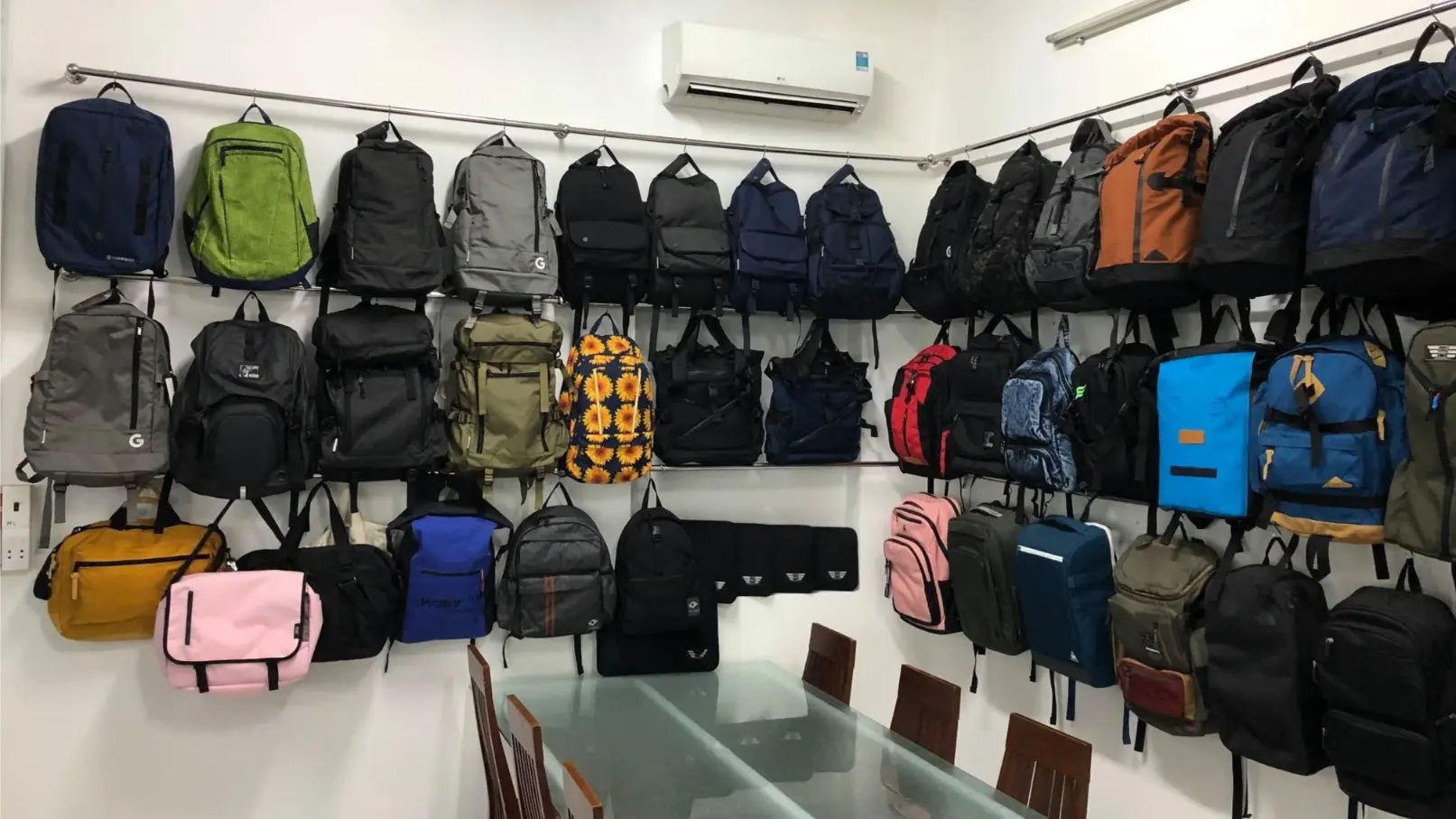
Backpack wholesale – Bola Bag
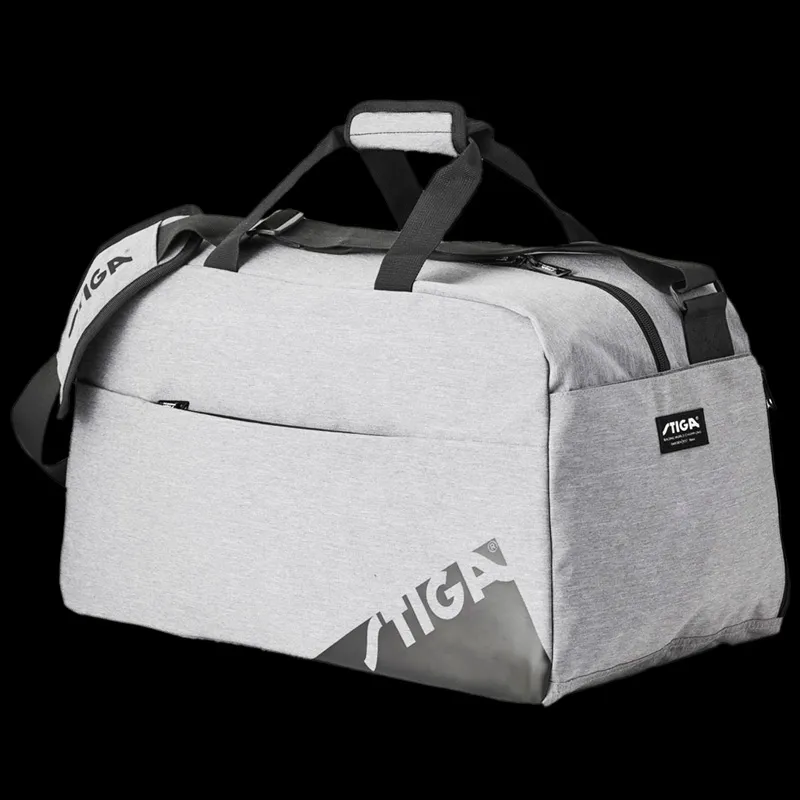
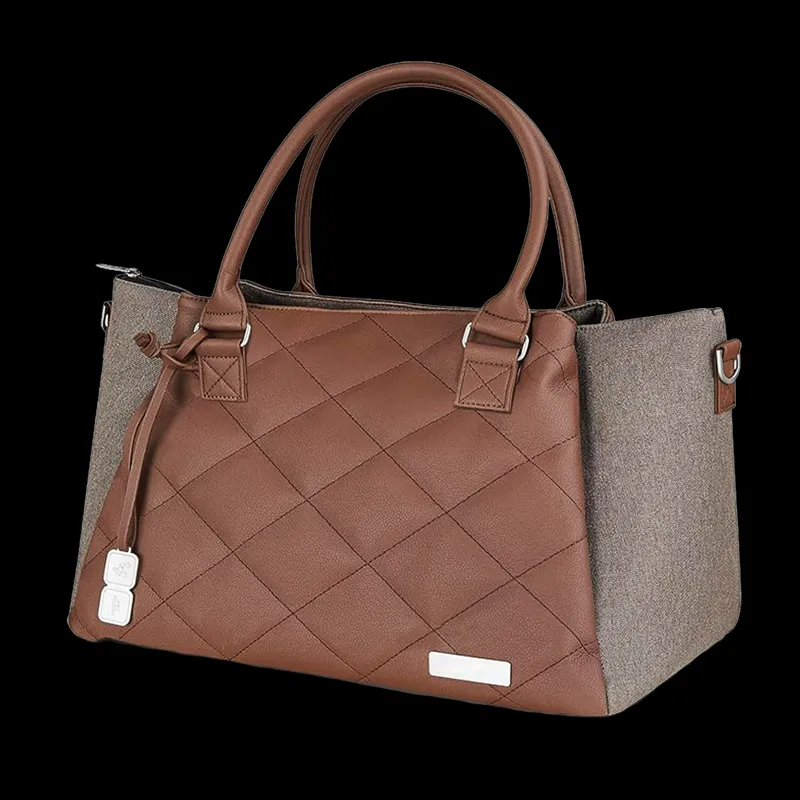
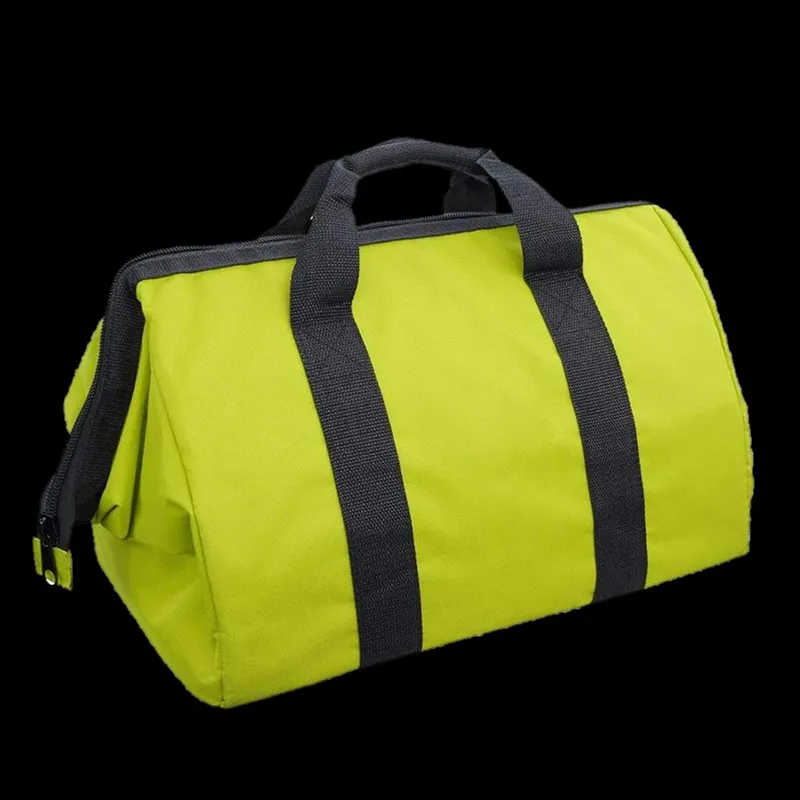
Bags, backpacks, and technical soft goods carry load through zippers and webbing, need foam and stiffeners, and are made on walking foot and bar tack machines that most apparel factories do not own. If your plan includes totes, backpacks, or cases, you are opening a bag business under a garment label, which is exactly why how to start garment business needs a different playbook when the product is bags, and why treating it as apparel is the most expensive early mistake available. Pick the category first and confirm that factories in it will take a business your size.
Decision Three: The Plan and the Money
This is the step founders postpone because it feels like paperwork, and it is the step that decides whether the business survives its first order.
Four Numbers Before a Full Plan
Landed unit cost, wholesale price, retail price, and breakeven volume. If those four do not work at a quantity you can fund, no branding fixes it. Landed cost means factory price plus freight, duty, and delivery, not the number on the quotation. Write the four numbers down before writing anything else.
Then a One Page Business Plan Built Around Cash Flow
A written plan matters less for its own sake than because banks, landlords, and some suppliers will ask for it. Keep it short: the product, the customer, the cost model, the sales channel, and twelve months of cash flow. The conventional structure of a business plan is fine, and it is more useful as a cash flow forecast than as a vision statement.
Fund the Second Order Before the First Even on a Low Investment Start
The first order is easy to fund because you are excited. The second one arrives while the first is still selling and before wholesale customers have paid, and that gap is where businesses fail. Whether you start lean or with real capital, the lean version of the route, how to start garment business with low investment, only works if order two is already funded.
Decision Four: Registration and Licences and the Type of Company
This part is boring and it is also the part that literally decides whether you can open. Register the company in a structure that separates your personal assets from the business, which in most countries means a limited company or equivalent. Open a business bank account before the first supplier payment, because untangling personal and company money later is miserable. Check what your product category needs: textile labelling rules, fibre content declarations, care label requirements, and for children’s items or anything with small parts, safety compliance. Get the trademark search done before printing labels, because discovering a conflict after 2000 units are made is a common and entirely avoidable disaster. If you are opening a sewing floor, add workplace safety, fire, and zoning approvals, which in many places take longer than finding the premises did.
Decision Five: How Production Will Work
Assuming you are outsourcing, there are three arrangements, and the one you choose changes what you have to supply and what you control.
OEM or ODM or CMT: What You Supply and What You Control
Under OEM you provide the design and tech pack and the factory makes it. Under ODM you pick from the factory’s own designs and put your label on them, which is fastest and least distinctive. Under CMT you supply all the fabric and trims and pay only for cutting, making, and trimming, which gives the most control and the most work. First time founders usually do best on OEM with a factory experienced in their category.
Why a Garment OEM Factory Is the Wrong Fit for Bags
A factory quoting on a product it does not normally make will quote low and deliver late. The instinct to search for a general factory and ask if they also do bags is the source of most first order failures, and the reasoning in garment oem selection for soft goods applies to any specialised product. Ask which brands in your category they already produce for, and ask to see the floor rather than the showroom.
Sample With Canvas Bag Manufacturers or a Backpack Supplier Before You Place the Order
Expect two to four sample rounds. Load test the sample, wash it if it will ever be washed, and only then place the order. The order should fix price at your real quantity, lead time in writing, and what happens if goods fail inspection.
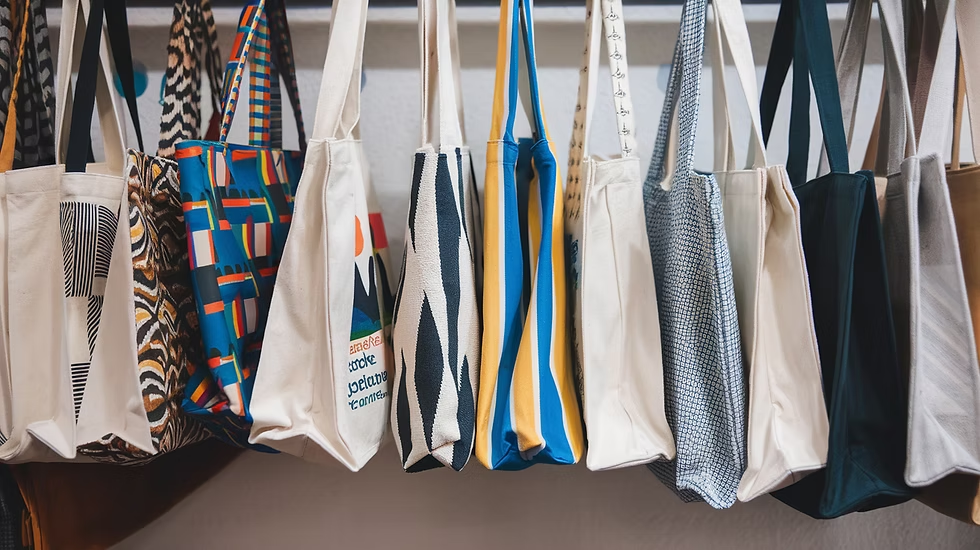
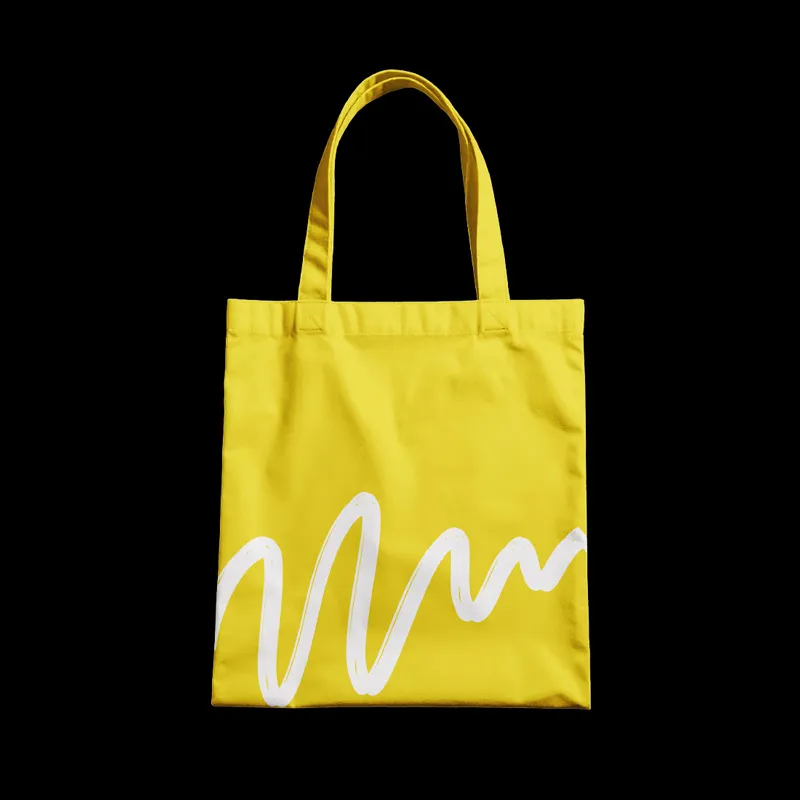
Canvas Tote Bag – Bola Bag
Thirty percent deposit with the balance against inspection is normal. Founders heading into the bag category specifically will find the search for canvas bag manufacturers or a backpack supplier goes faster with a tech pack already written.
Decision Six: Where the First Sale Comes From
Opening day needs a channel that is already switched on, not one you plan to build afterwards. Direct to consumer online is the default and it is the most expensive per sale, because every visitor is paid for. Wholesale to retailers cuts your margin and removes most of your marketing cost. Corporate and promotional orders buy in hundreds and never return anything. Most new businesses open with one channel and add a second within a year, and the ones that open with a wholesale order or a corporate order already agreed have a far easier first quarter than the ones that open with a website and hope. Once these six decisions are made, the question of how start garment business operations week by week turns into a ninety day schedule rather than a mystery.
Conclusion
How to open garment business operations properly is a sequence rather than a checklist. Decide which of the three businesses you are opening. Be precise about the category, especially if it is really bags. Do the four line arithmetic, then the plan, and fund the second order. Register the company, the bank account, and the trademark before anything is printed. Choose OEM, ODM, or CMT and a factory that already makes your category. And open with a channel that is already switched on. Two of those six, the category and the factory, are hard to reverse, and they deserve the week of thought that the excitement of opening usually steals.
If the category is bags or technical soft goods, Bola Bag works with first time founders as readily as with established brands, from tech pack review through sampling to production, and we will say honestly whether a design is manufacturable at the price you have in mind. Take a look at our capabilities page, or send us your concept and target quantity for a costed quotation.
Read more: How Start Garment Business: The First Ninety Days, in the Order They Actually Happen


BOLA BAG's BLOG YOU MAY ALSO BE INTERESTED IN
Bulk Sports Bags Manufacturing Solutions for Global Brands
Scale Your Bulk Orders with Reliable Wholesale Backpack Manufacturers
How to Do Online Garment Business: Designing Around the Constraints You Actually Have