


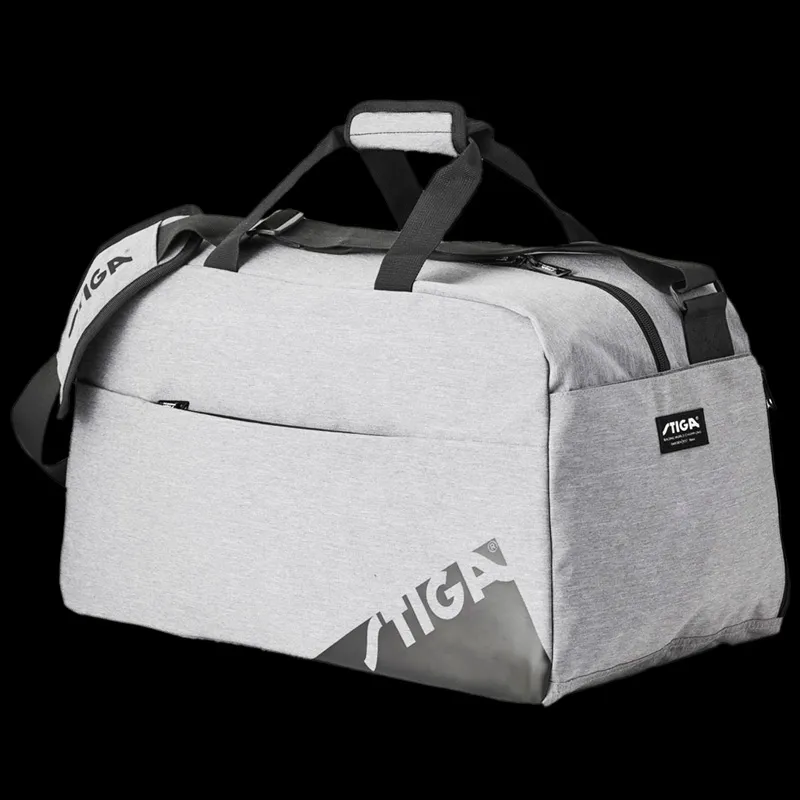
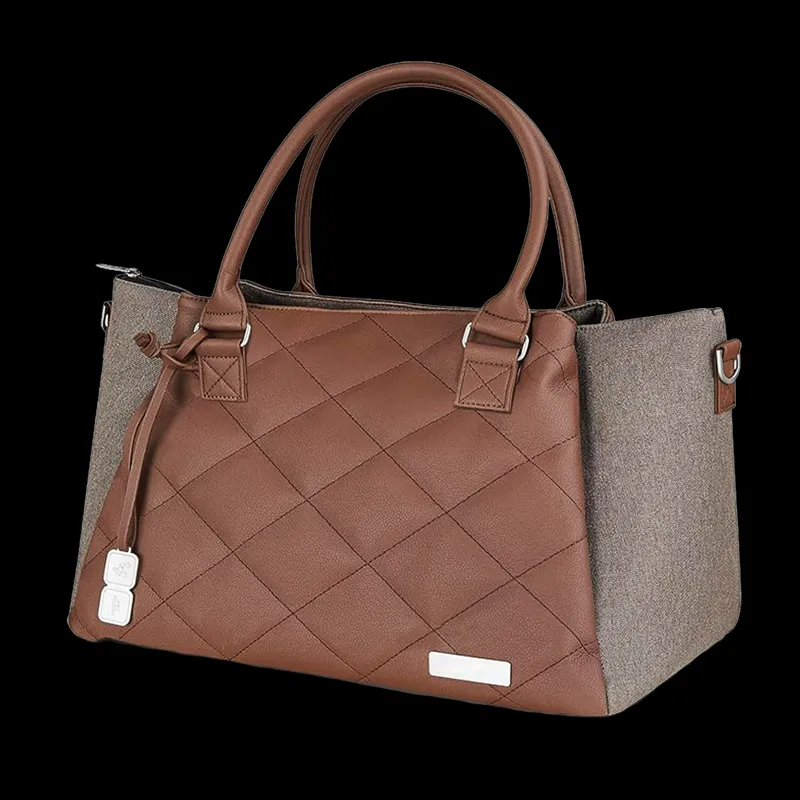
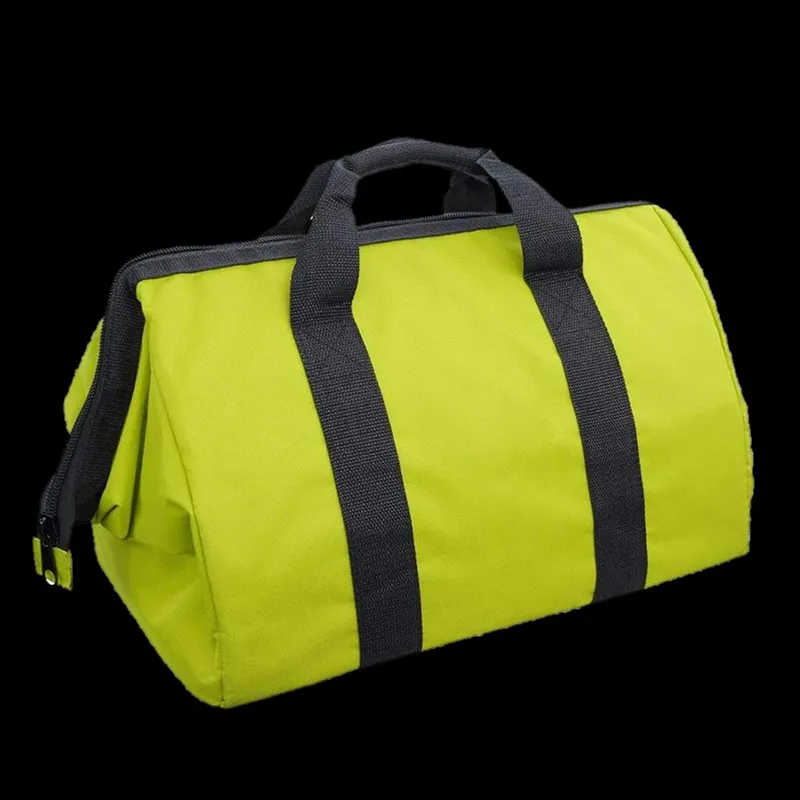

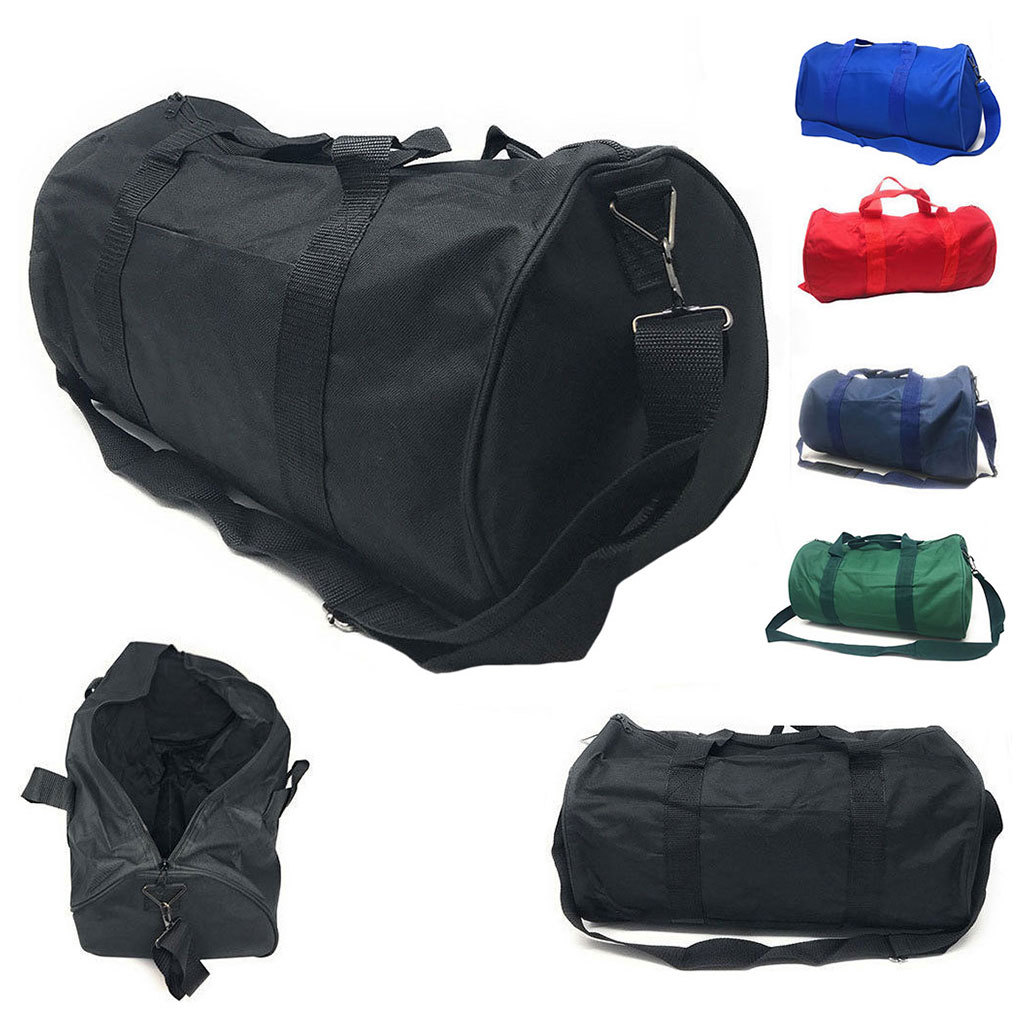
The global market for bulk sports bags continues to expand as sportswear brands, fitness companies, retailers, distributors, and private label businesses respond to growing consumer demand for functional and durable carry solutions. Modern sports bags are no longer limited to carrying workout gear. Consumers increasingly expect products that combine durability, smart organization, comfort, and lifestyle-oriented design capable of supporting gym sessions, team sports, travel, commuting, and outdoor activities.
For brands sourcing at scale, manufacturing sports bags involves far more than simply finding the lowest production cost. Material engineering, construction methods, product development capabilities, and supply chain reliability all influence product performance and long-term profitability. As global competition intensifies, businesses are increasingly seeking manufacturing partners that can support product differentiation while maintaining stable quality and scalable production capacity.
Why Sports Bags Have Become a Strategic Product Category
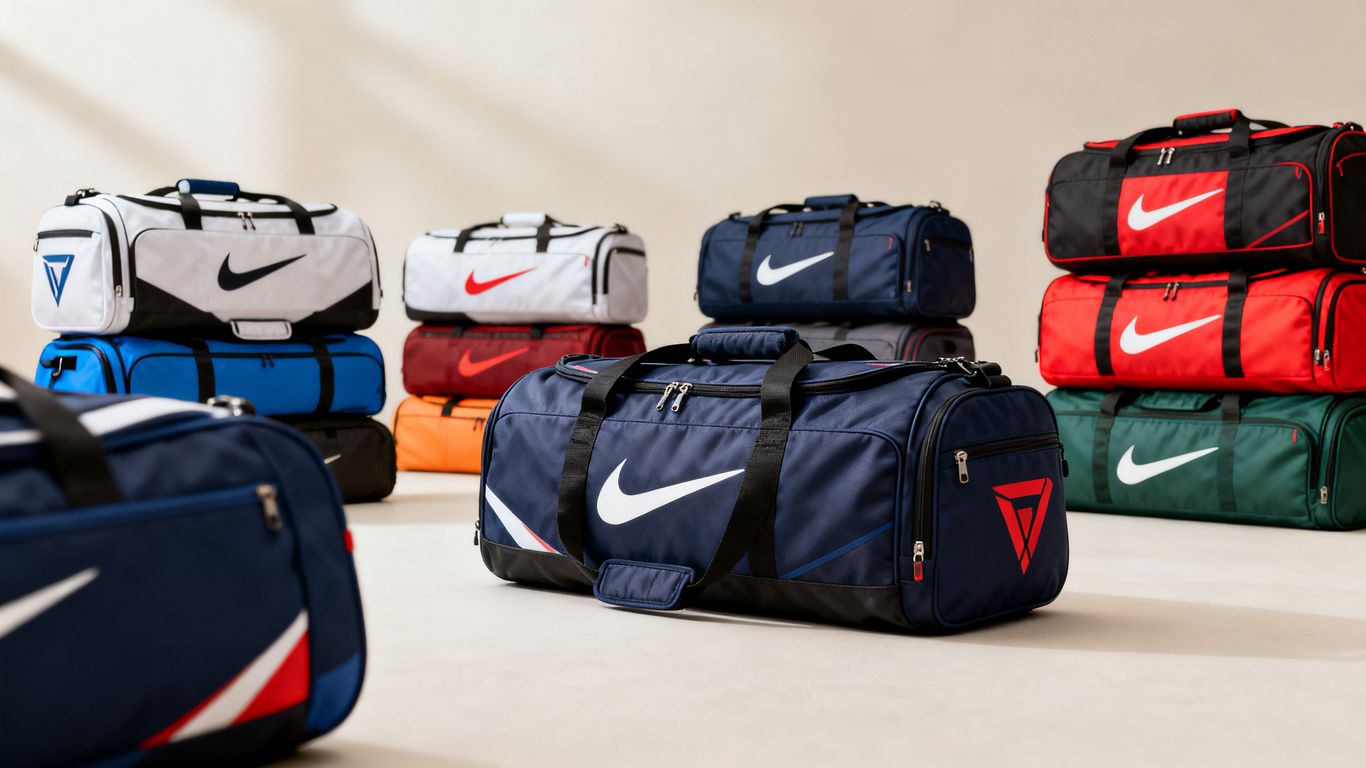
The sports and active lifestyle market has changed significantly over the last decade. Consumers no longer separate sports products from everyday products in the way they once did. A gym bag may also function as a weekend travel bag, a work commute bag, or a carry-on item for short trips. This shift has created demand for products that balance performance features with aesthetics suitable for daily use.
Why Sports Bags Have Become a Strategic Product Category
For brands, this creates opportunities to develop products with broader customer appeal and longer product life cycles. Unlike highly seasonal sports equipment, sports bags often remain relevant throughout the year and across multiple consumer segments. This versatility helps reduce inventory risks while improving sales opportunities through multiple distribution channels.
As a result, many global buyers view bulk sports bags not simply as accessories but as core product categories capable of supporting long-term brand growth.
Manufacturing Sports Bags Requires Different Technical Standards
Sports bags experience significantly higher levels of stress than many other soft goods categories. Heavy loads, repetitive movement, moisture exposure, and frequent transportation place continuous pressure on seams, handles, shoulder straps, and zipper systems.
For this reason, experienced sport bag manufacturers approach construction differently from factories focused primarily on fashion bags or promotional products. Reinforced load-bearing areas, high-strength webbing systems, abrasion-resistant materials, and structural support components become essential elements of product engineering rather than optional upgrades.
The durability expectations of end users also continue to increase. Consumers expect sports bags to survive years of daily use without strap failures, zipper issues, or fabric degradation. Meeting these expectations requires manufacturing systems that prioritize consistency and long-term performance rather than short-term production efficiency.
This is one of the reasons why global brands often place significant emphasis on manufacturing capability when selecting a sport bag supplier for long-term programs.
Material Selection Directly Influences Product Positioning
Material choice often determines whether a sports bag is perceived as an entry-level promotional product or a premium performance accessory.
Lightweight polyester fabrics remain popular for value-oriented products due to their cost efficiency and flexibility. However, premium market segments increasingly demand materials that offer improved abrasion resistance, water protection, and long-term durability. Ripstop fabrics, coated materials, premium webbing systems, and reinforced base panels are becoming increasingly common as consumers place greater emphasis on product longevity.
Material selection also influences how products align with specific customer groups. Fitness-focused consumers may prioritize lightweight construction and ventilation features, while outdoor users often value weather resistance and durability. Travel-oriented products may require premium aesthetics and additional organizational compartments.
An experienced sport bag supplier understands how these material decisions affect product performance, pricing strategy, and market positioning rather than simply selecting materials based on cost considerations alone.
Product Development Has Become a Competitive Advantage
The era of competing solely on standard catalog products is gradually disappearing. Brands increasingly differentiate themselves through functionality, customer experience, and design innovation.
Modern sports bags frequently incorporate dedicated shoe compartments, wet-and-dry separation systems, insulated storage areas, laptop sleeves, and modular organization solutions designed around specific user behaviors. These features not only improve usability but also allow brands to establish stronger identities in highly competitive markets.
As a result, manufacturers are increasingly expected to contribute technical expertise throughout the product development process. A professional sport bag manufacturer often participates in material selection, structural optimization, and manufacturing improvements that enhance product performance without significantly increasing production costs.
This collaborative approach has become particularly important for private label brands seeking to create products that stand apart from generic market alternatives.
Scaling Production Requires More Than Factory Capacity
One of the most common sourcing challenges appears when brands transition from pilot orders to large-scale production programs. A factory capable of producing several hundred units successfully may encounter significant difficulties when volumes increase to tens of thousands of pieces.
Scaling production requires more than additional labor. Material procurement systems, production scheduling, quality control procedures, and logistics planning all become increasingly important as complexity increases.
Manufacturers supporting international sport bag wholesale programs typically invest heavily in structured planning systems designed to manage seasonal fluctuations and large production runs without sacrificing consistency. This operational maturity often becomes one of the key differentiators between local factories and suppliers capable of supporting global distribution networks. For buyers sourcing bulk sports bags, supply chain stability frequently becomes as important as manufacturing quality itself.
Quality Consistency Protects Brand Reputation
For international brands, consistency across production batches is often more important than achieving the absolute highest specifications on individual orders.
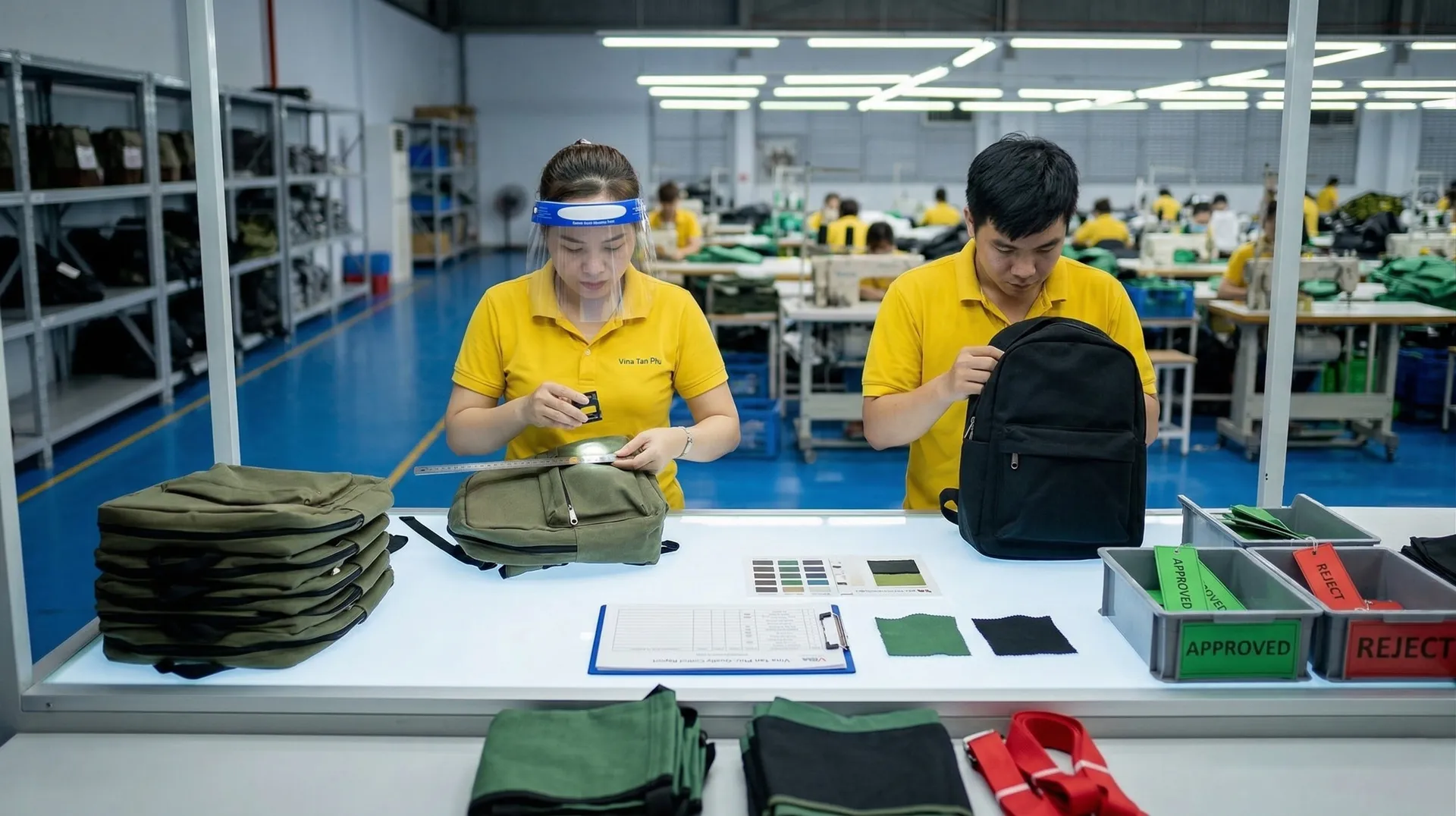
Minor variations in fabric texture, logo placement, stitching quality, or hardware finish can create significant problems for retailers managing inventory across multiple stores or geographic markets. These inconsistencies become particularly visible when products are sold under premium branding strategies.
Quality Consistency Protects Brand Reputation
Professional manufacturers therefore integrate quality management throughout the entire production process rather than relying solely on final inspection. Material verification, in-line production controls, and shipment inspections work together to reduce defects and improve predictability.
A mature quality management system provides buyers with greater confidence when expanding distribution or increasing order volumes, making it one of the most valuable characteristics of a reliable sport bag supplier.
Sports Brands Increasingly Require Multi-Category Manufacturing
Many sportswear companies begin with a single product category before gradually expanding into broader carry collections. Sports bags are often followed by travel bags, gym bags, backpacks, and lifestyle accessories designed around the same customer base.
Working with an experienced backpack manufacturer that already supports multiple product categories allows brands to simplify sourcing operations and maintain consistency across their collections. Product development becomes more efficient when materials, hardware, and design language can be shared across multiple categories.
This flexibility also creates opportunities for future expansion into products such as wholesale sports backpacks, travel products, and performance carry systems without requiring buyers to establish relationships with additional suppliers.
An experienced backpack supplier capable of supporting this growth often becomes a long-term strategic partner rather than simply a production vendor.
Export Experience Has Become a Critical Requirement
Global distribution introduces challenges that extend far beyond manufacturing itself. Packaging requirements, shipping documentation, labeling regulations, and destination-specific compliance standards all influence supply chain performance.
Factories with extensive export experience are generally better equipped to manage these complexities while maintaining stable lead times and predictable delivery schedules. This becomes increasingly important for brands supplying retailers, distributors, and e-commerce channels operating under strict inventory requirements.
For businesses operating internationally, selecting a manufacturer with proven export capability can significantly reduce operational risks while improving responsiveness across multiple markets. This is one reason why many buyers searching for wholesale sports bags increasingly prioritize export experience alongside manufacturing expertise.
Building Long-Term Manufacturing Partnerships
The most successful sourcing relationships rarely revolve around individual purchase orders. Instead, they evolve into partnerships where manufacturers contribute engineering support, supply chain expertise, and product development capabilities alongside production capacity.
A reliable sport bag supplier often becomes an extension of the buyer’s product team, helping optimize materials, improve product performance, and identify opportunities for cost reduction or operational efficiency.
As brands expand internationally and product portfolios become more complex, these partnerships often create value far beyond manufacturing itself. Speed-to-market improves, sourcing risks decrease, and businesses become better positioned to respond to changing consumer expectations. For companies focused on long-term growth, choosing the right manufacturing partner can influence competitiveness for many years.
Partner with Bola Bag for Bulk Sports Bags Manufacturing
At Bola Bag, we help global brands, retailers, distributors, and private label businesses develop high-quality bulk sports bags through professional OEM/ODM manufacturing and export-ready production systems.
As an experienced sport bag manufacturer, we support a wide range of products including gym bags, duffel bags, training bags, travel bags, and wholesale sports backpacks designed for international markets. Our factory combines technical sewing expertise, flexible customization, strict quality control, and scalable production capacity to support both emerging brands and established businesses.
Whether you are searching for a reliable sport bag supplier, expanding your sport bag wholesale program, or looking for a long-term backpack manufacturer and backpack supplier capable of supporting multiple product categories, Bola Bag is ready to support your next project. Contact us today to discuss your requirements and explore custom manufacturing solutions for your next sports bag collection.
Read more: How to Evaluate a Sport Bag Supplier Before Large-Scale Production


BOLA BAG's BLOG YOU MAY ALSO BE INTERESTED IN
What Is Marker Making in Garment Industry Terms? The Process That Decides Your Fabric Bill
How to Choose the Right Gym Bag Manufacturer for Your Brand
Bulk Up Your Inventory: The Ultimate Guide to Wholesale Shoulder Bags