


Every brand that has ever outgrown a sewing room has typed oem garment manufacturer into a search bar and been buried in factory websites from China, Vietnam, Bangladesh and India, all promising low minimums and fast samples. The three letters are simple. An OEM makes your design, to your specification, and you sell it under your label. What the letters do not tell you is what the factory expects from you, how it differs from an ODM or a CMT shop, which numbers to ask for before signing anything, and why a factory that is excellent at shirts is often the wrong choice for bags. This article covers all of that from the factory side of the table.
What an OEM Garment Manufacturer Actually Does
OEM stands for original equipment manufacturer, a term borrowed from engineering and defined on the original equipment manufacturer reference page as a company that makes products sold under another company’s name.
Bola Bag Factory
In clothing it means the brand owns the design and the factory owns the making. Three things happen inside that arrangement.
You Bring the Tech Pack and the Factory Brings the Line
The brand supplies a tech pack: sketches, measurements, materials, trims, labels, packaging and tolerances. The factory sources fabric to that spec, makes patterns, grades sizes, cuts, sews, finishes, packs and ships. A good OEM will push back on a tech pack that cannot be made at the price, and a bad one will say yes to everything and hand the problems back at the end.
What Is Sample in Garment Industry Terms
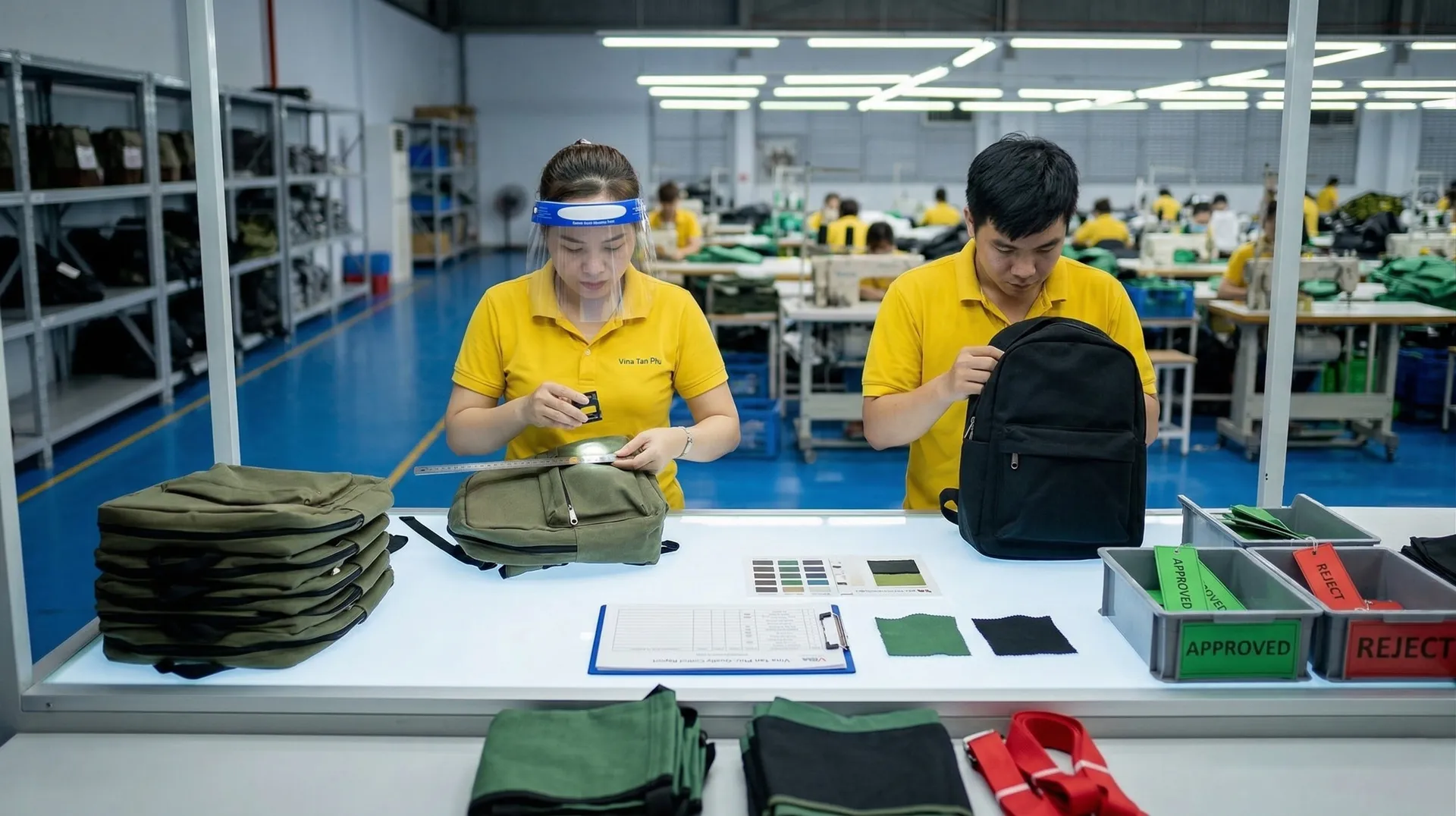
Nothing goes into production until a sample has been made, worn, washed and signed off. The first sample tests the pattern, the second corrects it, and a pre production sample in the final fabric and trims becomes the reference every bulk piece is checked against. A factory that skips straight to bulk is a factory to avoid.
What Is Quality Control in Garment Industry Production
Inline inspection while the pieces are on the line, a final inspection against an agreed AQL standard, and measurement checks against the tech pack. The brand should ask who inspects, at what stage and against which document, because the answer separates a manufacturer from a workshop with sewing machines.
OEM or ODM or CMT: Three Letters That Change the Price
The same factory floor can sell its work three ways, and the letters decide what you supply and what you control.
OEM Makes Your Design From Your Specification
You own the design and the risk that comes with it. The factory prices the whole job, materials included, and delivers a finished branded product. It costs the most per piece and gives the most control.
ODM Sells You Its Design With Your Label Sewn In
The factory has a catalogue of existing designs and you choose one, change a colour or a pocket, and add your label. It is fast and cheap and every competitor can buy the same bag. Most low minimum offers online are ODM wearing an OEM label.
CMT Sews What You Send
Cut, make and trim. You supply the fabric, trims and pattern, the factory supplies labour. It gives the lowest per piece price and the most work for the brand, because you are now the sourcing department. The arithmetic that decides which route makes money is the same one used to work out how to calculate costing in garment industry terms, and it is worth running before choosing.
What to Ask an OEM Before Signing
Four numbers decide whether a factory fits, and a serious manufacturer answers all of them in the first email.
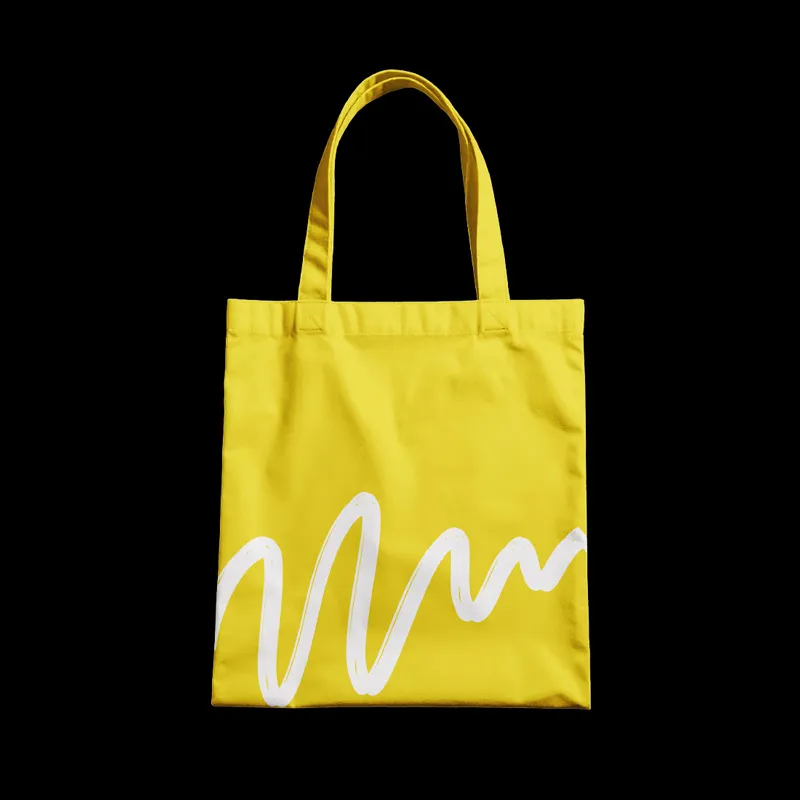
Tote Bags for Bulk Order
Minimum order quantity per style and per colour, because a factory quoting 500 pieces total may mean 500 per colour. Lead time for sampling and for bulk, which for most soft goods runs seven to ten days for a sample and thirty to forty five days for production. Payment terms, usually a deposit on order and the balance before shipment. And the cost of the sample itself, which is normally charged and then credited against the first bulk order. A factory vague on any of the four is guessing, and guessing is expensive on both sides. Working out how much does it cost to manufacture a bag line by line before asking for quotes makes the answers much easier to judge.
Why Bags Need a Different OEM Than Shirts
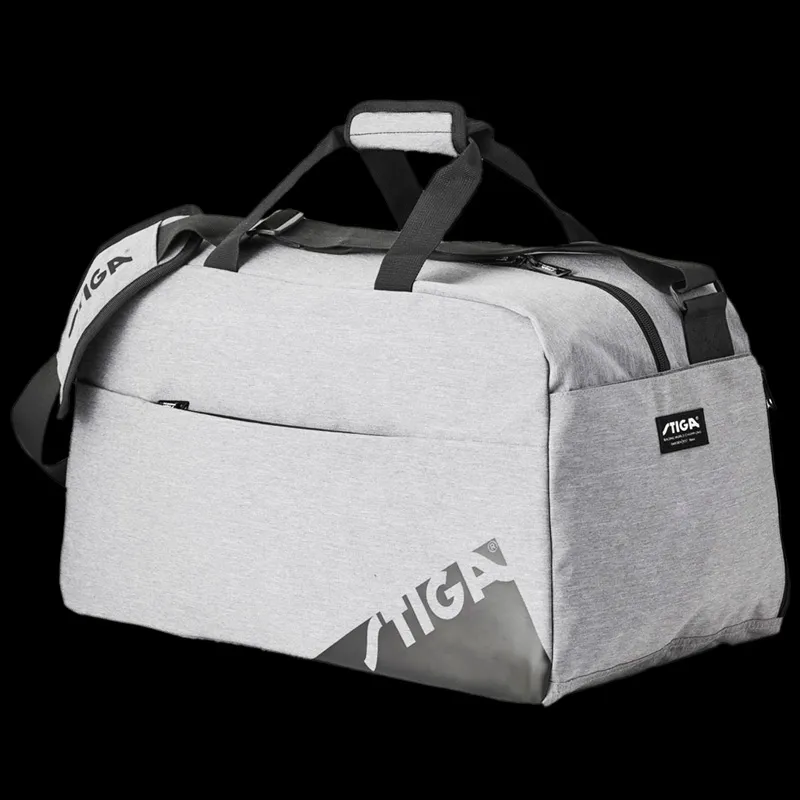
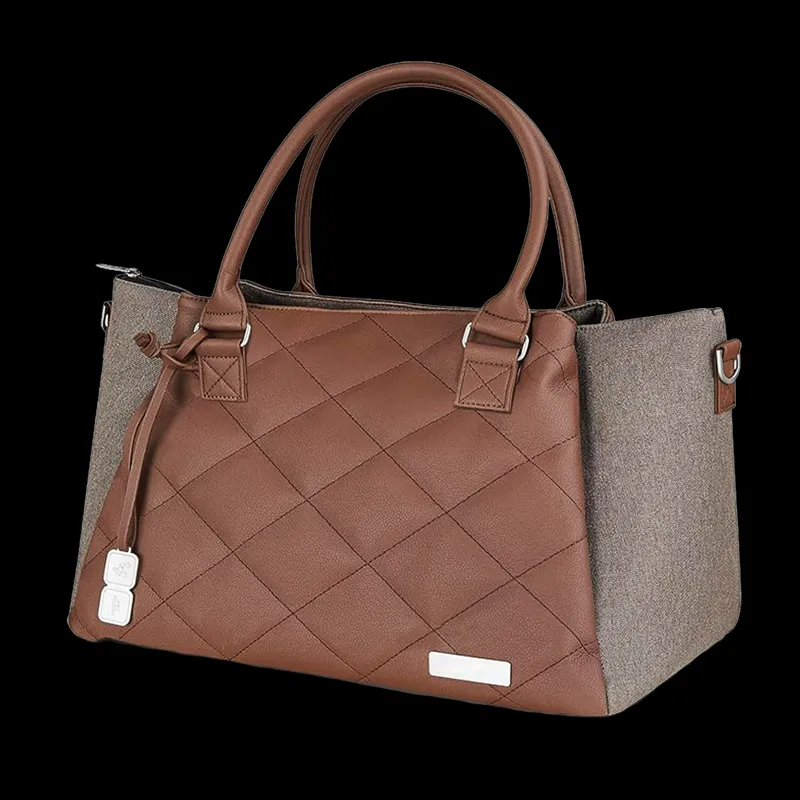
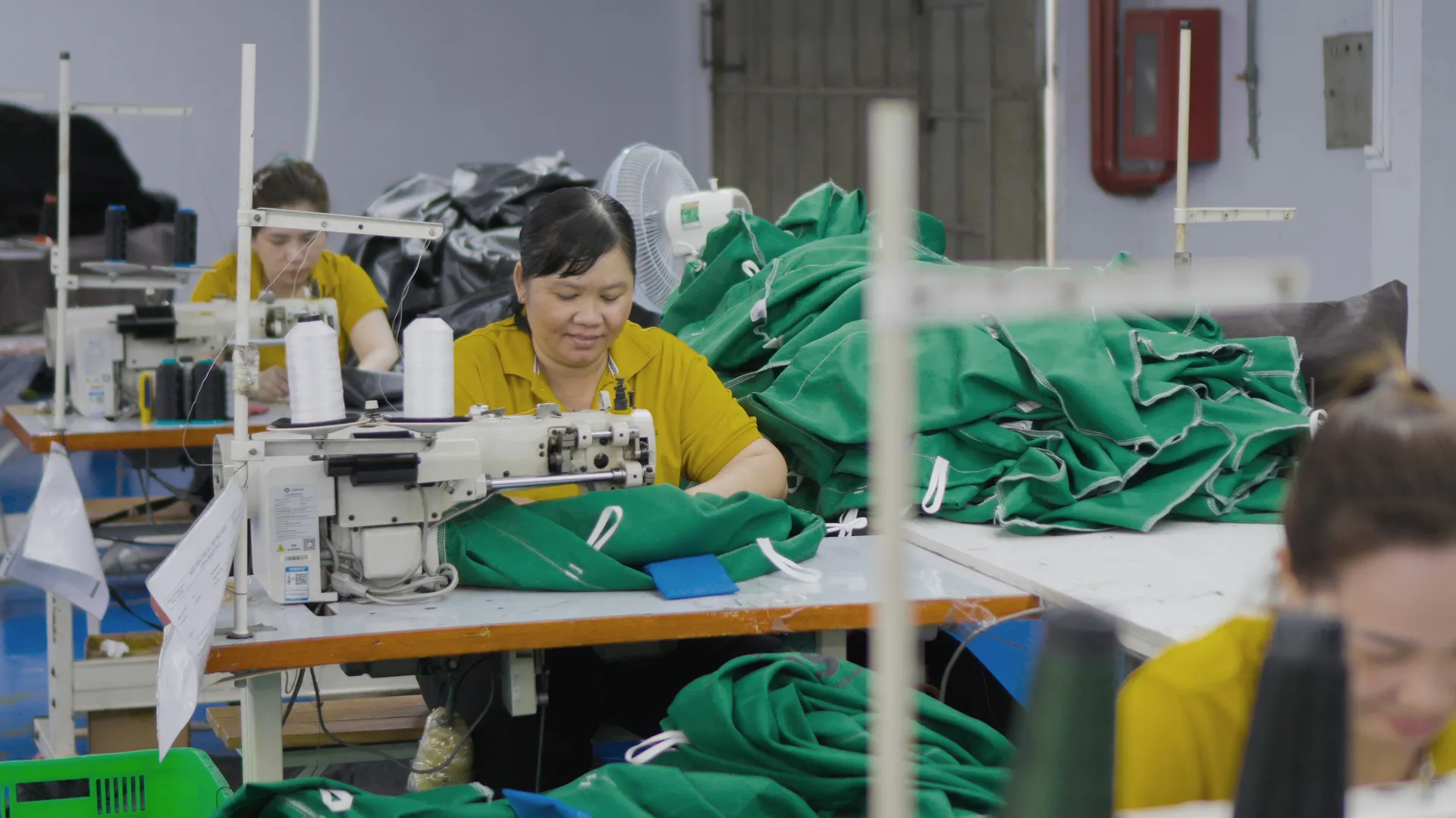
Most factories that appear for this search sew apparel, and apparel is a different trade from bags. A shirt is cut from a single light fabric and sewn on a lockstitch machine. A backpack is fifteen components in three materials, needs walking foot and bar tack machines, heavy webbing, foam, zips that have to survive a drop test and a frame that has to hold shape. An apparel line can make a simple tote and will struggle with anything structural, and the case for keeping a garment OEM factory away from bag production is not snobbery, it is machinery.
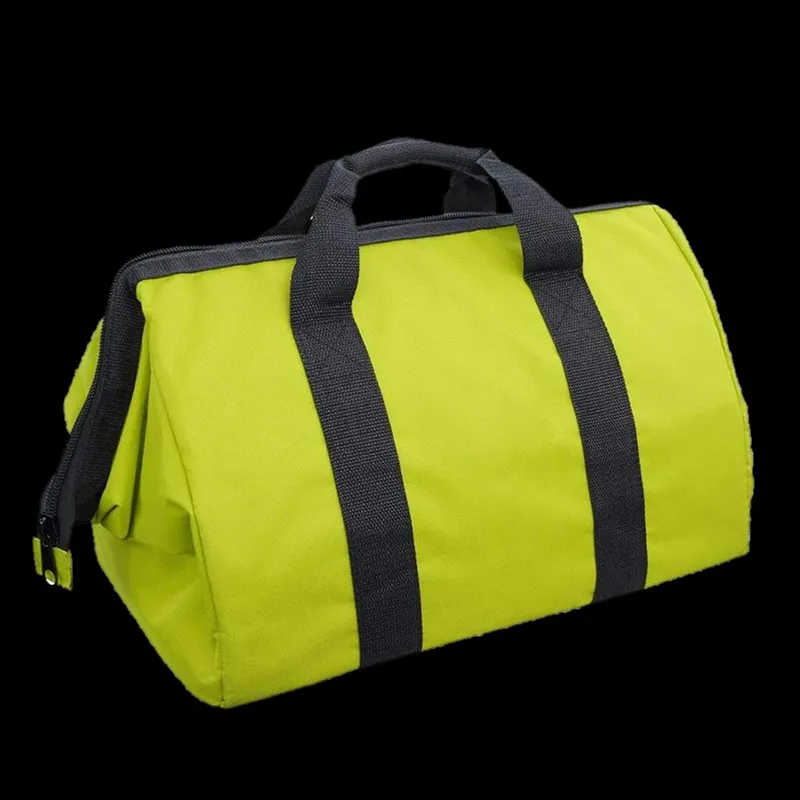
The practical test is to ask for photographs of the floor and count the machine types, then ask for the last three brands in your category the factory shipped. A bag OEM will name backpack, tool bag and cooler brands. An apparel OEM will name fashion labels, and it should keep them. When the brand is a bag brand, the shortlist of custom backpack manufacturers worth talking to is short, and every name on it owns the heavy machines.
Conclusion
An OEM garment manufacturer makes your design to your tech pack and ships it under your label, and that arrangement only works when the brand supplies a proper spec, the factory samples before bulk and both sides agree on MOQ, lead time, payment and sampling cost up front. Know whether you are being sold OEM, ODM or CMT, because the price and the control move with the letters. And if the product is a bag, choose a factory that makes bags, because the machines on an apparel floor were never built for webbing and foam.
When the product is a bag rather than a shirt, Bola Bag has manufactured backpacks, technical bags, totes and promotional bags for global brands from Ho Chi Minh City since 2015, as an OEM and ODM partner with sampling in seven to ten days and production in thirty to forty five. See how we work on our capabilities page, or send us your tech pack and a target quantity and we will quote it honestly.
Read more: Garment OEM Explained: What It Means for Bags and Technical Soft Goods


BOLA BAG's BLOG YOU MAY ALSO BE INTERESTED IN
How to Start a Bag Business: Niche, Sample and Sell
Why Smart Procurement Managers Source Directly from a Tool Bag Factory
Scale Your Bulk Orders with Reliable Wholesale Backpack Manufacturers