


The first bag business decision most people make is the wrong one, and it is made with real enthusiasm: they design the bag. Sketches, mood boards, a name. Three months later they discover that no factory will make forty of it, that the leather they chose costs more than the retail price allows, and that the canvas version they could actually afford looks like everyone else’s. Learning how to start a bag business is mostly about doing those three months in a different order, so that the bag you design is one that can be made, priced, and sold before you fall in love with it.
How to Start a Bag Business by Choosing the Niche Before the Bag
The Main Bag Families From Tote Bag Manufacturer Territory to Technical Gear
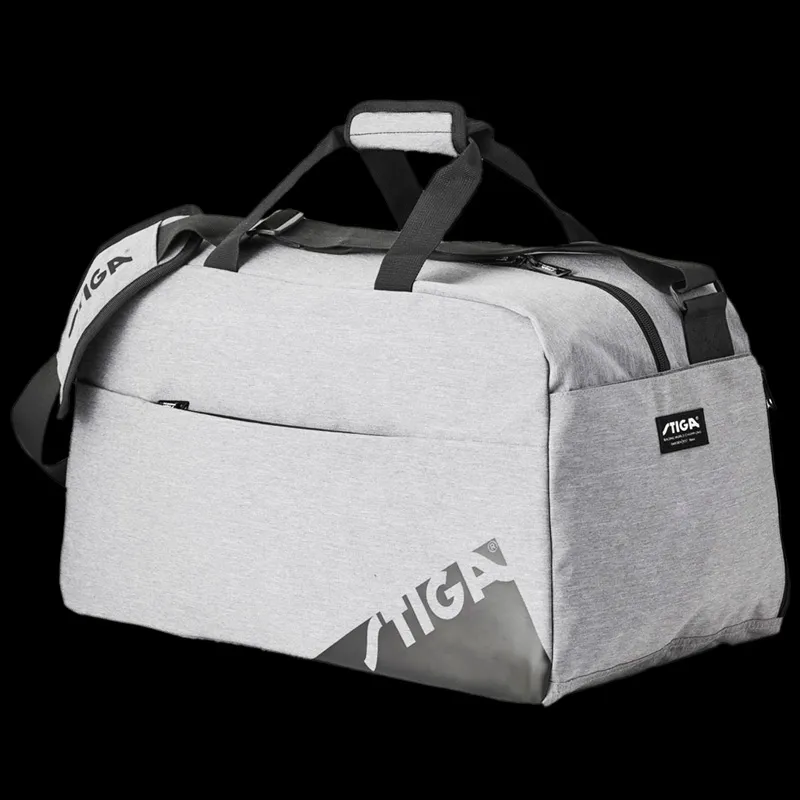
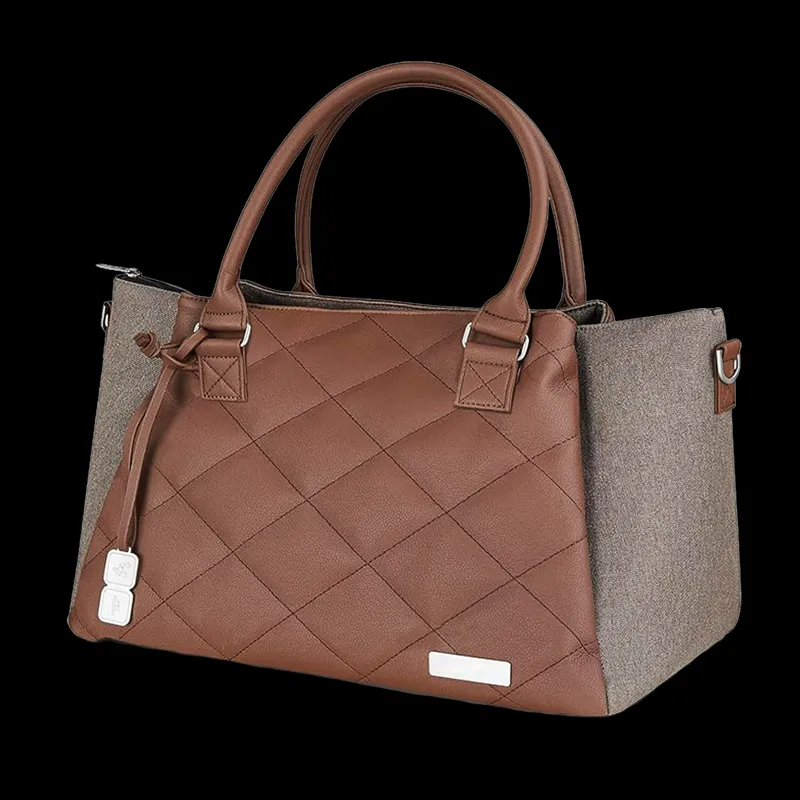
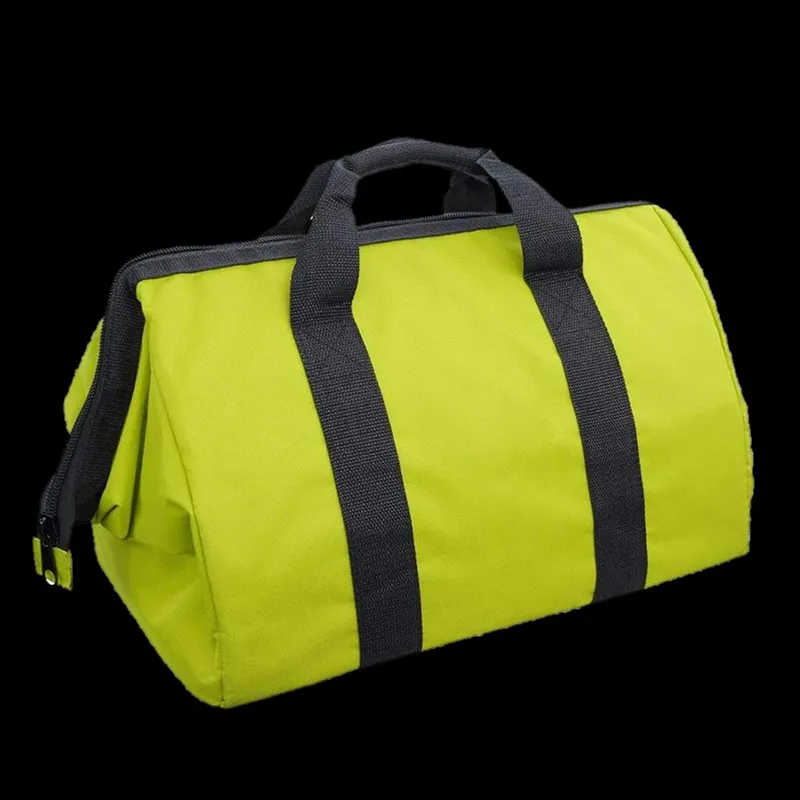
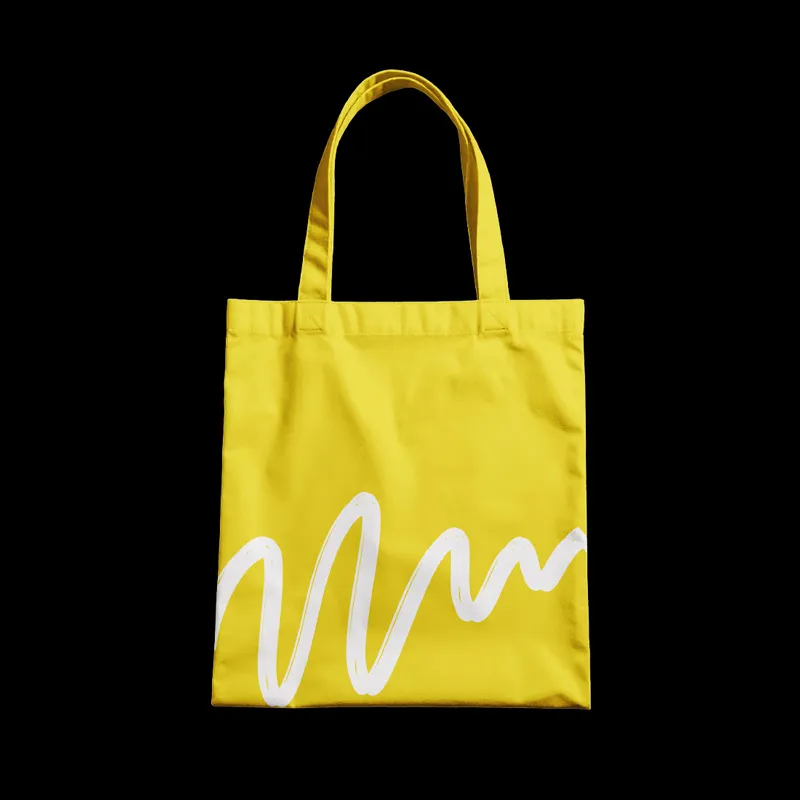
Totes and shoppers sit at the accessible end, are simple to make, and compete on print and fabric. Backpacks carry the most value per unit, need foam, webbing, and hardware, and are the hardest to make well. Handbags and leather goods live on construction quality and finish. Pouches, sleeves, and organisers are cheap to make and easy to bundle. Technical bags for sport, tools, or travel are specialist work with specialist factories. Picking one family is the difference between a brand and a hobby.
Who Buys the Bag and What They Are Replacing
Be specific about the person and the bag they currently carry. A commuter replacing a worn laptop backpack and a market shopper replacing a plastic bag are different customers with different price ceilings, and a business that tries to serve both usually serves neither. Answering how to start bags business on paper, question by question, is a better first afternoon than sketching.
Sew the Bags Yourself or Have a Factory Make Them
Sewing Them Yourself Works Until About Fifty Units a Month
Realistic for leather goods, small totes, and pouches in low volume, and a good way to learn what the product costs in time. It stops being realistic at roughly fifty units a month, or the first time a customer wants a backpack with a padded laptop compartment. The ceiling is not skill, it is hours.
Outsourcing to a Backpack Supplier or Bag Factory Once Volume Arrives
The route for anything you intend to sell at volume. You supply a tech pack, the factory supplies everything else, and your job becomes specification, sampling, and selling. Minimums start around a few hundred units per style, sampling takes two to four rounds, and the unit cost falls sharply once you cross the first real price break. Founders in the backpack category especially will find that how to start a backpack business is a different problem from starting with totes, mostly because of what the factory has to be capable of.
Do the Arithmetic Before the Design
Four numbers on one page decide whether the business exists. Write them before opening a design tool.
Landed Cost: How Much Does It Cost to Manufacture a Bag at Your Quantity
The factory price plus freight, duty, and delivery to your door, at the quantity you can actually fund. Not the sample price, which is many times higher, and not the price at a quantity you cannot afford. Working out how much does it cost to manufacture a bag line by line usually produces a higher number than the first estimate, because trims get forgotten.
Retail Price Versus Wholesale Price and Which Channel Your Cost Supports
Direct to consumer brands price at three to five times landed cost, because acquisition, returns, and shipping have to be absorbed. Wholesale sits at roughly two times, because the retailer needs room to mark up. If your landed cost does not support both, decide now which channel you are building for.
Breakeven Volume Once Samples and Photography Are Counted
How many units at your margin pay for the first order, the samples, the photography, and the website. If that number is larger than you can realisti ally sell in a season, change the product or the price before designing anything. For structured product the calculation is longer, and how much does it cost to manufacture a backpack depends mostly on how many components it carries.
Design the Bag and Sample It
Now, and only now, the enjoyable part. It goes better for having waited.
Design for the Factory You Can Afford
Every pocket adds panels, every panel adds seams, and every seam adds minutes and cost. A first product with one main compartment, one zip, and well chosen fabric outsells an over designed one, because it can be priced correctly and made consistently. Materials narrow the factory list more than anything else, so choose the fabric family before you shortlist a supplier.
The Tech Pack That Gets Canvas Bag Manufacturers to Take You Seriously
Dimensions, materials by weight, seam allowances, hardware by brand and size, stitch type per panel, and label placement. It is the single document that decides how close the first sample lands to what you imagined and how many revisions you pay for. Whether you approach a tote bag manufacturer or a technical factory, a real tech pack is what gets you taken seriously.
Break the Sample Before the Factory Breaks the Run
Fill it, carry it for a week, open and close every zip two hundred times, pull on the straps, wash it if it will ever be washed. Problems found now cost a sample. The same problems found after the first run cost the run.
The Brand and the Channel That Deliver the First Sale
The brand is the last thing to build, not the first, and the channel decides how it is built. Name, logo, and domain are an afternoon once the product exists. Photography is the real branding cost for a bag, because the customer cannot touch it, so budget for a shot with a person for scale, an interior shot with pockets loaded, and a detail shot of the zip and stitching. Then choose the first channel deliberately. A marketplace proves demand and generates early reviews. Your own store builds the thing worth owning. A single wholesale or corporate order can fund the second production run before the first has sold through, and for a simple product like a tote bag the corporate and event market is often larger than the retail one.
The Second Order Is the Real Start
The first order proves you can make a bag. The second proves you have a business. By then you have sell through data by style and colour, and you can order to demand rather than to hope. Unit cost drops meaningfully at the first price break, often 20 to 40 percent between a 300 unit run and a 3000 unit run, and that saving goes straight to margin. Plan the second order before the first arrives, because lead times mean the decision comes sooner than feels comfortable, and fund it before the first has paid for itself.
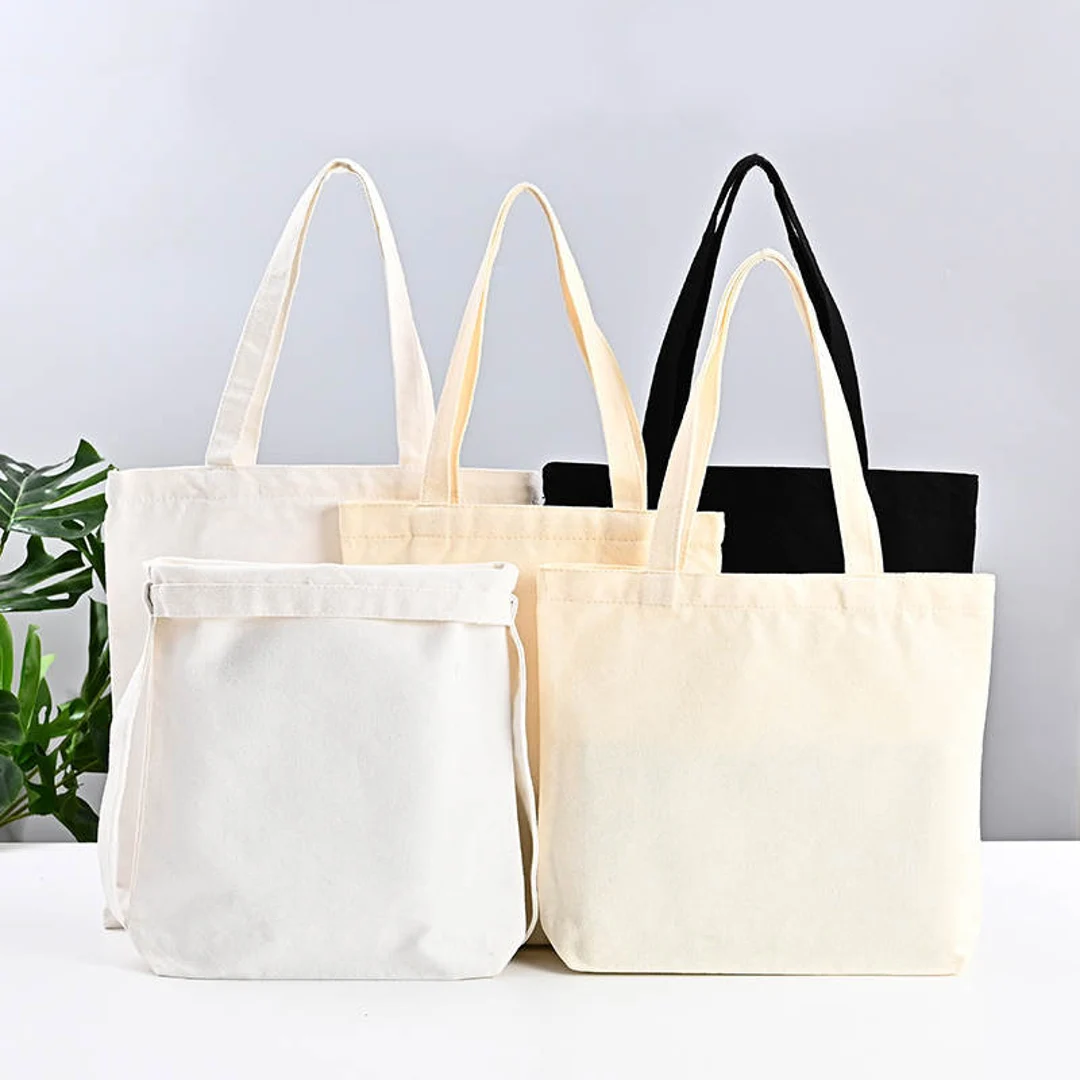
Wholesale Canvas Tote Bags – Bola Bag
Brands that get this far usually widen carefully, adding a colourway before a construction, and moving from a first canvas bag supplier relationship into products such as bulk tote bags with zipper only once the plain version has proven itself.
Conclusion
How to start a bag business, in the order that works: choose the niche and the customer, decide whether you sew or outsource, do the four line arithmetic, and only then design a bag that the factory you can afford is able to make at a price the customer will pay. Sample it, break it, photograph it properly, and open with a channel that is already switched on. Then treat the second order as the real beginning, because that is where the unit cost falls and the data arrives. Falling in love with the bag is fine. Just do it last.
When the design is ready for a factory, Bola Bag manufactures totes, backpacks, pouches, and technical bags for first time founders and established brands alike, from tech pack review through sampling to production. Browse the range on our products page, or send us your sketch and a target quantity and we will tell you honestly what it will cost to make.
Read more: How to Start Bags Business: Essential Founder Guide


BOLA BAG's BLOG YOU MAY ALSO BE INTERESTED IN
Is Textile Industry Profitable? Key Factors That Drive Success
How Much Does It Cost to Manufacture a Backpack? A Breakdown for Brand Founders
Mini Tote Bags Bulk for Retail, Events, and Brand Promotions