



Somewhere between the designer who draws a jacket and the operator who sews it sits a person with a tape measure, a fabric test report and a strong opinion about seam allowances. That person is a garment technologist, and the field they work in is the answer to what is garments technology. It is the practical science of making clothes that fit, last and can be produced at a price: choosing and testing materials, making and grading patterns, setting production methods, testing fit and, increasingly, running the software that connects a brand’s office to a factory floor. This article explains the field, the five areas it covers, why a brand should care before placing an order, and what changes when the product is a bag.
What Is Garments Technology and Who Practises It
Garments technology is the study and practice of the techniques, materials and systems used to design, make and test clothing.

Garment Design Studio
It is the bridge between fashion design, which decides how a garment should look, and garment production, which makes it in quantity. The people who practise it are called garment technologists, and every serious brand and factory employs at least one.
The Garment Technologist Sits Between Designer and Factory
The technologist takes a designer’s sketch and turns it into a specification a factory can follow: measurements, tolerances, construction, materials and tests. When the sample comes back, the technologist checks it against that specification and sends the corrections. Designers decide what, factories decide how fast, and the technologist decides how.
The Job Is Mostly Preventing Problems Before Bulk
Almost everything a technologist does happens before production starts, because a fault found in a sample costs a day and the same fault found in ten thousand garments costs the order. Shrinkage, seam strength, colour fastness, fit across sizes and the choice of stitch for a stress point are all settled at the sample stage or not at all.
The Five Areas Garments Technology Covers
The field is wide, and most technologists specialise, but the same five areas appear in every description of the job.
Fabric and Trim Selection and Testing
Choosing the right fabric for the design and then proving it: shrinkage after washing, colour fastness to rubbing and light, tear and seam strength, pilling and weight. Trims are tested too, since a zip that fails or a button that cracks in the wash returns a garment as surely as a bad seam.
Pattern Making and Grading With CAD
Turning a design into flat pattern pieces, then scaling the sample size into a full range. Most of this is now done in computer aided design software, which grades sizes by rule and nests the pieces onto the fabric to cut waste. What is grading in garment industry terms is exactly this scaling, and it is one of the technologist’s core skills.
Production Methods From Cutting to Pressing
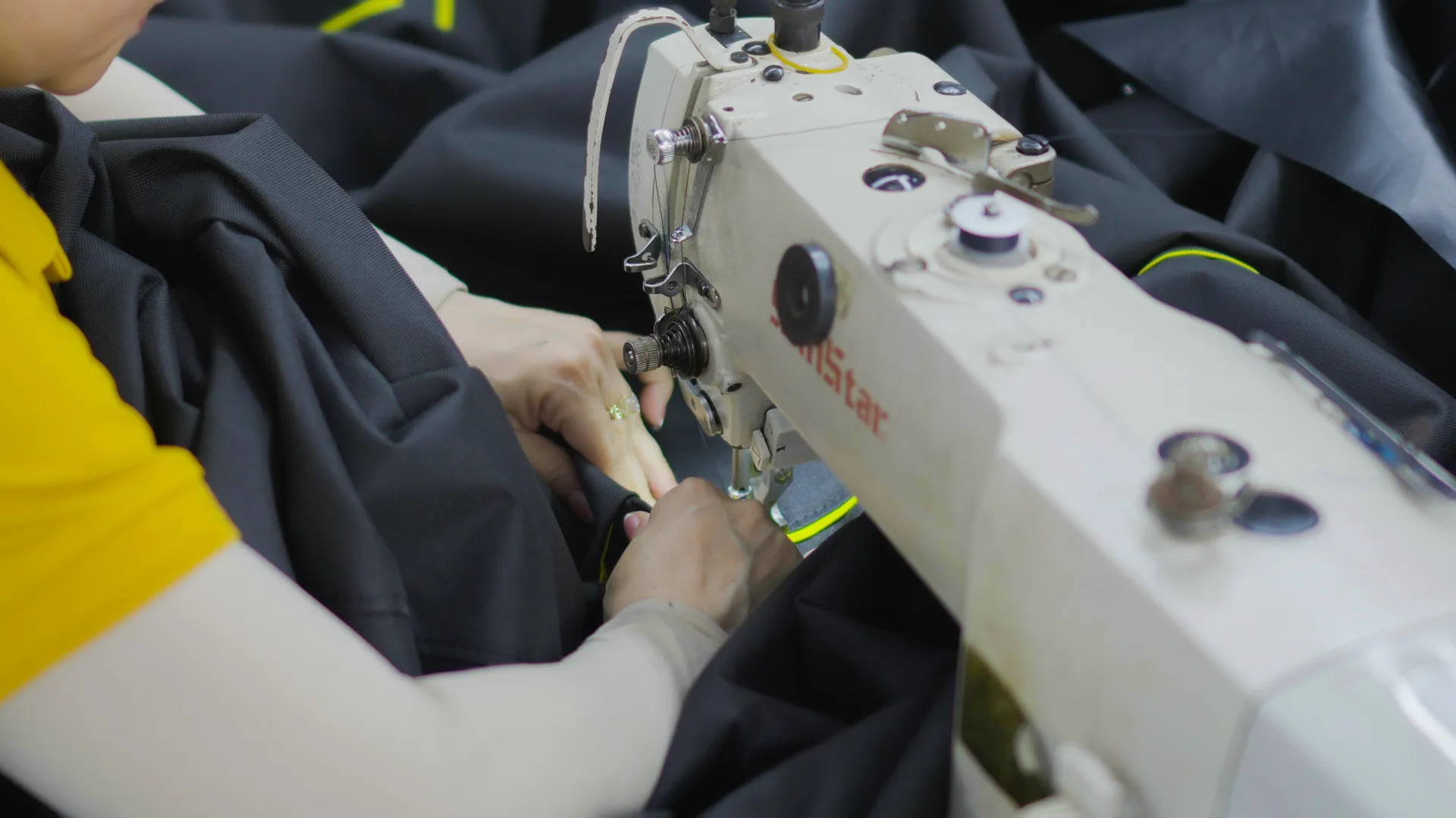
Deciding how the garment will be made: the cutting method, the sequence of sewing operations, which machine and stitch each seam needs, and how the piece is finished and pressed. A technologist who knows the floor will change a construction detail to save a minute per garment, and a minute per garment across an order is real money.
Quality Control and Fit Testing
Writing the inspection standard, checking samples on a fit model or a mannequin across sizes, and setting the measurement tolerances the factory will be held to. What is quality assurance in garment industry practice is largely the technologist’s documents, applied by the factory’s inspectors.
Digital Tools That Link the Brand to the Factory
Product lifecycle management systems hold the tech pack, the comments and the approvals in one place so a brand in London and a factory in Vietnam are looking at the same version. 3D sampling software lets a technologist check fit on a virtual body before a single physical sample is sewn, which is cutting sample rounds from three to one at the brands that use it well.
Why Garments Technology Matters to a Brand
A brand without a technologist sends a factory a sketch and a hope, and the factory fills the gaps. That is how a jacket arrives with the wrong pocket depth and a hem that shrinks. A brand with one sends a tech pack the factory can quote against, gets a sample that matches it, and can measure bulk against a number rather than a feeling. The difference shows up in the quote too, because a factory prices uncertainty. The line by line method in how to calculate costing in garment industry terms only works when the specification is complete, and a complete specification is what garments technology produces.
Garment Technology in Bag Manufacturing
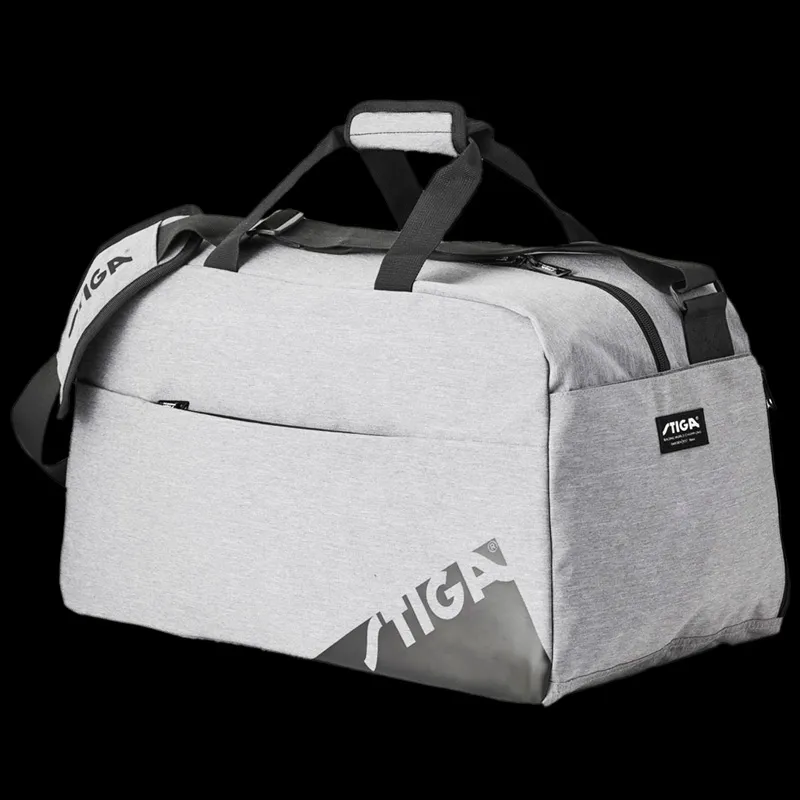
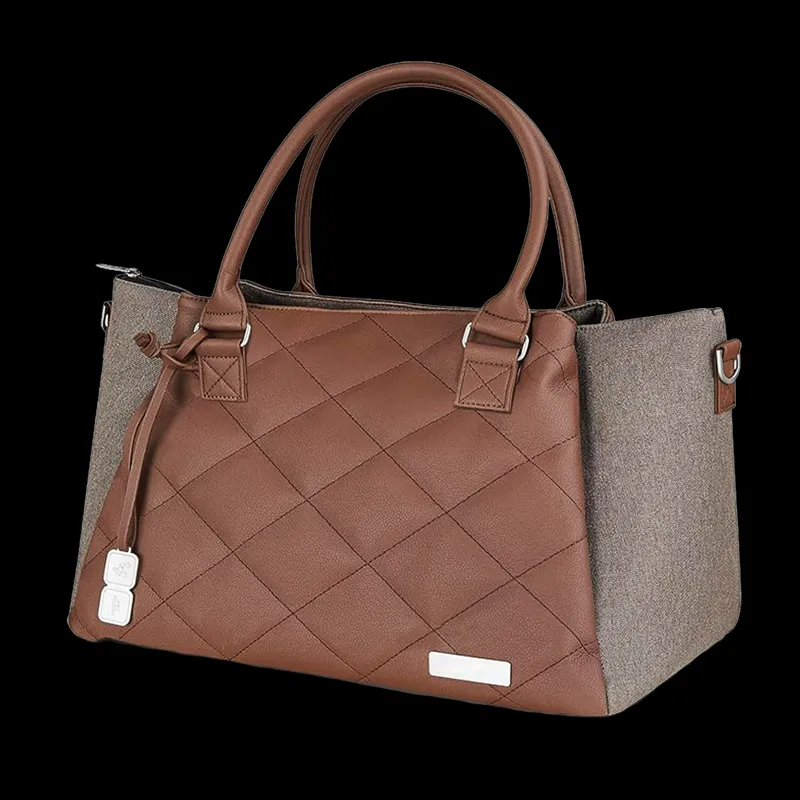
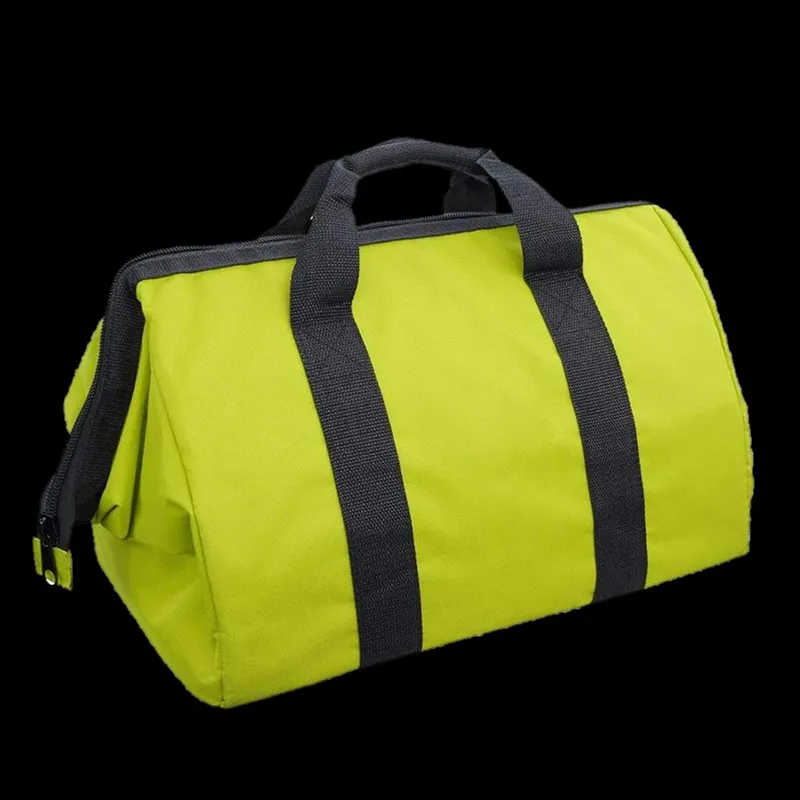
Everything above applies to bags, and two things apply harder. Materials are more varied, so a bag technologist tests webbing, foam, coated fabric, zips and buckles for abrasion, load and water resistance rather than for drape and shrinkage. And construction is heavier, so the choice of stitch, thread and machine for a strap join or a bar tack is a strength decision rather than a cosmetic one. A brand sourcing bags should ask a factory who does that work, and the checklist for vetting custom backpack manufacturers is mostly a list of technologist questions: what do you test, against what standard, and what do you do when a sample fails.
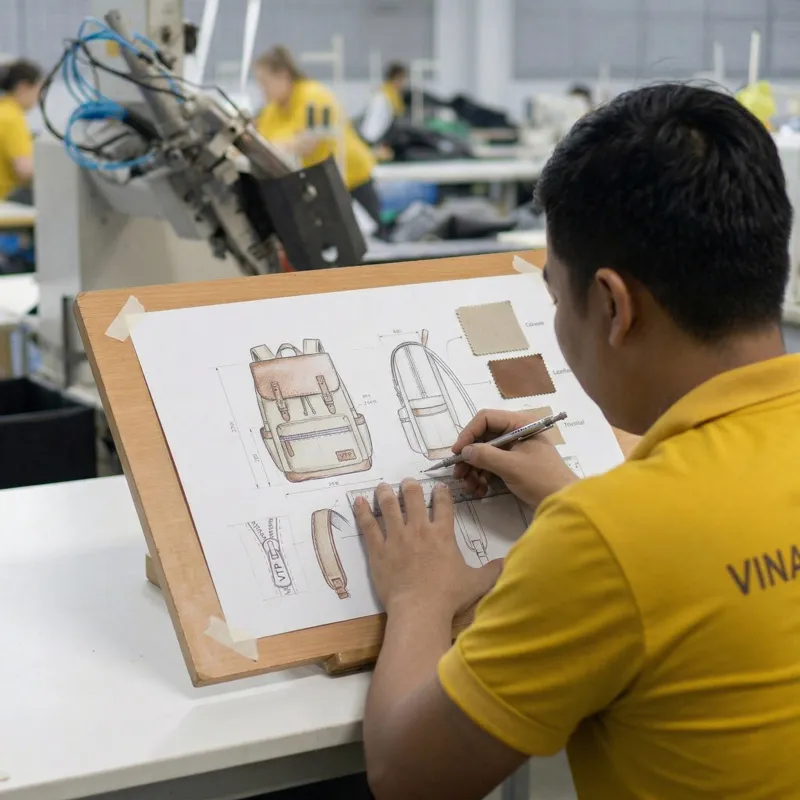
Bag Design And Development
The payoff is speed. A factory with real technical capability turns a tech pack into a sample in days rather than weeks and gets it right the second time rather than the fourth, and for a brand learning how to make custom bags for business that difference is the difference between hitting a season and missing it.
Conclusion
What is garments technology? The practical science of turning a design into clothing that fits, lasts and can be made at a price, practised by garment technologists who sit between designer and factory. It covers fabric and trim testing, pattern making and grading, production methods, quality control and fit testing, and the digital tools that keep brand and factory on the same page. For a brand it is the difference between a sketch and a specification, and on a bag line it is the strength testing and construction choices that decide whether a strap holds.
On a bag line, Bola Bag has done that technical work for backpacks, technical bags and totes in Ho Chi Minh City since 2015, from tech pack review through sampling to production for brands worldwide. See how we work on our capabilities page, or send us your sketch or tech pack and our technical team will tell you what is missing before we quote.
Read more: OEM Garment Manufacturer: What One Actually Does and How to Choose One Without Getting Burned


BOLA BAG's BLOG YOU MAY ALSO BE INTERESTED IN
Finding a Canvas Bag Supplier for Long-Term Business Growth
The Secret to Finding a Tote Bag Manufacturer That Delivers Consistent Quality
How to Run Garment Business Day to Day: The Operating Model Is the Business