


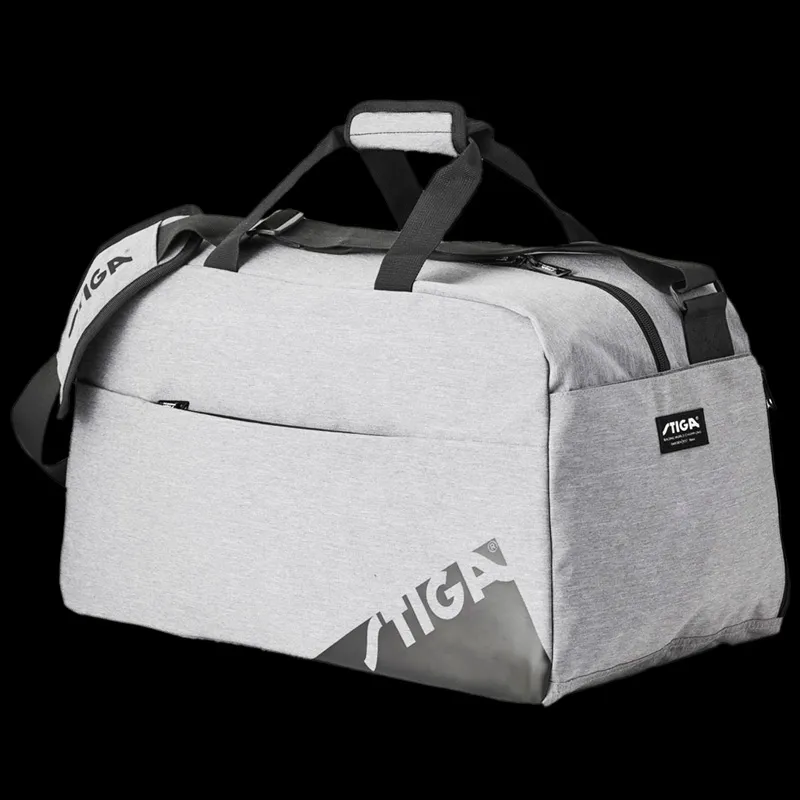
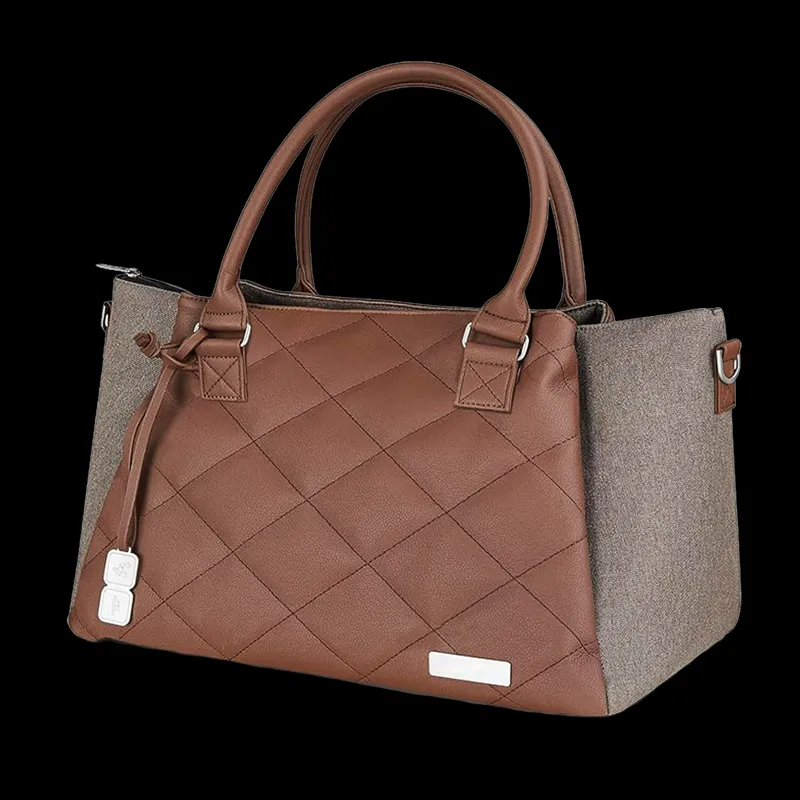
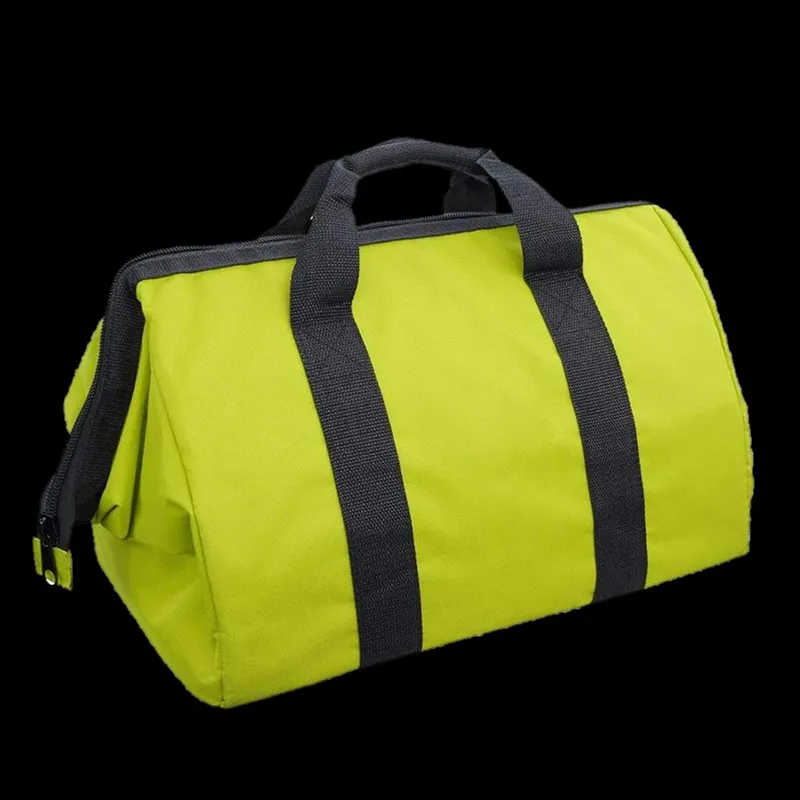
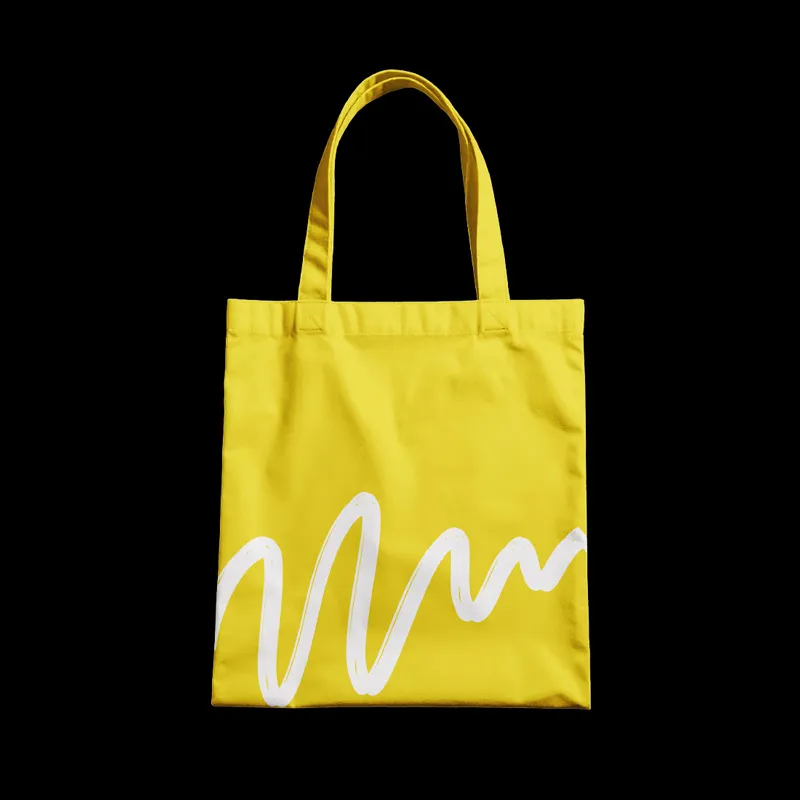
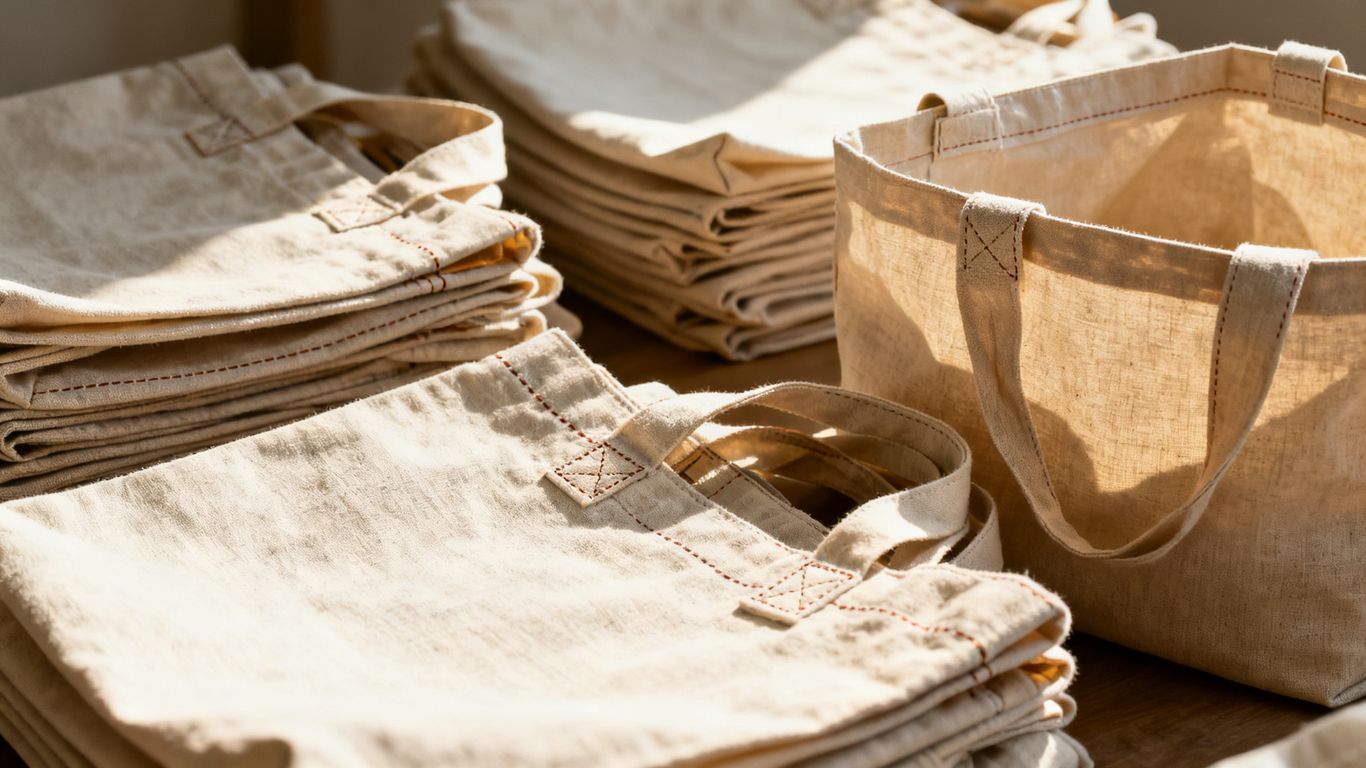
Choosing the right canvas bag supplier is about much more than securing competitive pricing. For retailers, importers, promotional product companies, and private label brands, the ideal supplier should provide consistent product quality, flexible manufacturing capabilities, and reliable long-term support that enables business growth. As global demand for reusable and eco-friendly bags continues to increase, brands need manufacturing partners that can deliver scalable production while adapting to changing market requirements.
A professional canvas bag supplier should offer comprehensive OEM/ODM services, a wide selection of materials, customizable designs, strict quality control, and export-ready production systems. These capabilities help businesses reduce sourcing risks, maintain consistent product standards, and strengthen their supply chains over time. In this article, we explore the key factors to consider when selecting a canvas bag supplier that can support sustainable business growth and long-term success in international markets.
Defining your business requirements for canvas bags
Before reaching out to a factory, your team needs a clear technical profile of what you are building. Whether you are sourcing mini canvas bags bulk or complex gear, understanding your product’s life cycle is paramount for successful procurement.
Identifying specific load and usage criteria for your product
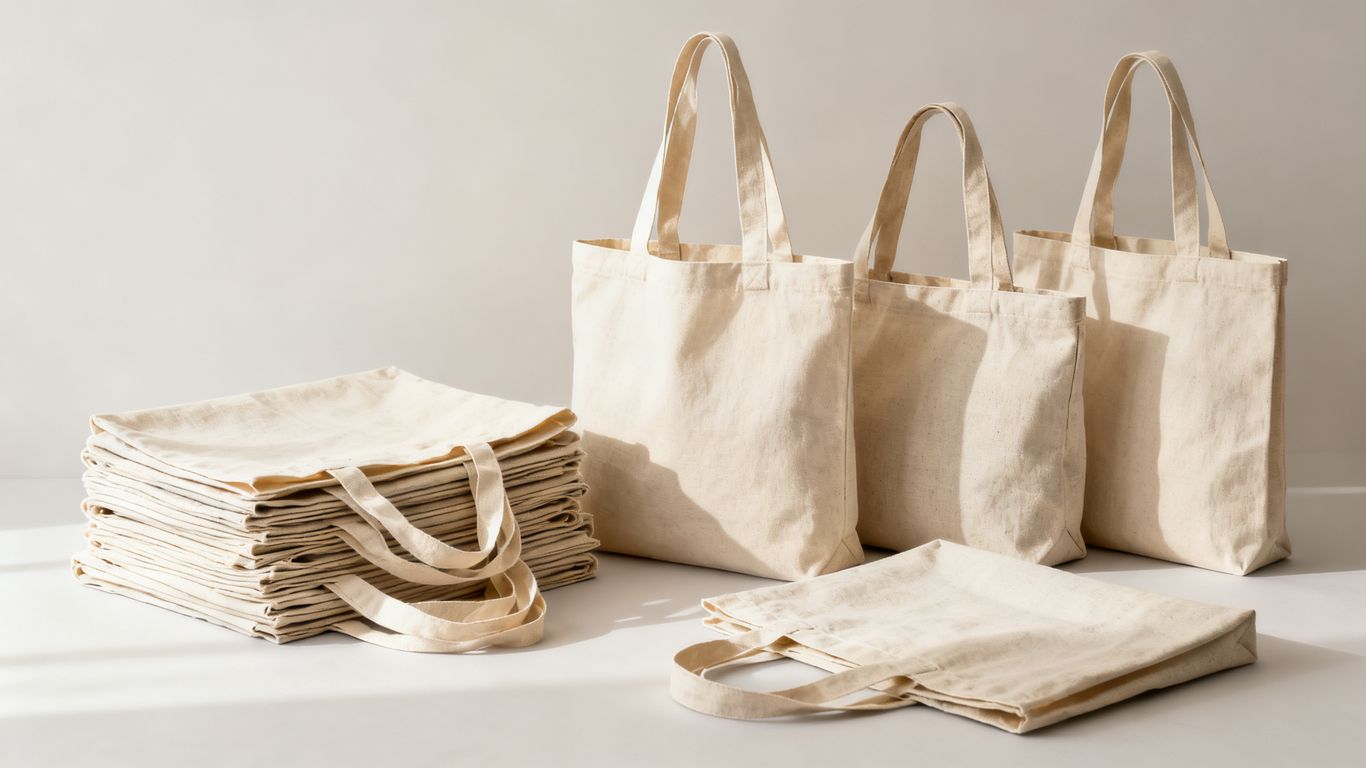
To begin, you must establish the exact weight and operational demands your bags will face. A reliable cotton canvas bag manufacturer will ask you about the intended use cases, such as retail shopping, heavy tool transportation, or light promotional use. By documenting these specs early, you ensure the factory selects the correct fabric weight and threading techniques for your specific application.
Identifying specific load and usage criteria for your product
Balancing aesthetic appeal with industrial-grade durability
Many brands mistakenly choose materials purely for looks, forgetting the physical strain the final product must survive. When planning for custom canvas tote bags bulk production, you must correlate style choices like handle length and gusset size with the structural integrity of the base fabric. Achieving this balance is essential for maintaining brand reputation over long production runs.
Estimating long-term volume and scalability needs for your brand
Consistent growth requires a manufacturing partner that can handle swings in demand. As you search for a professional canvas bag supplier, compile data points to help you evaluate your long-term production requirements:
- Quarterly sales forecasts for specific product lines
- Minimum and maximum order quantity expectations
- Average lead time requirements for high-season restocking
- Storage and warehousing availability at the factory location
By tracking these metrics, you provide the supplier with a clear roadmap, allowing them to optimize their factory floor and labor allocation for your unique brand volume.
Evaluating technical manufacturing expertise
Technical expertise is the single most important asset a factory can offer to help your business grow. General garment facilities often lack the specialized machinery needed for reinforced seams and heavy-duty hardware integration, which is why specific bag and backpack manufacturer experience matters for complex designs.
Why OEM and ODM partnerships are essential for custom designs
Bola Bag functions as a specialized partner that provides custom design solutions, moving beyond off-the-shelf catalog products. OEM and ODM models allow brands to maintain proprietary rights while benefiting from the factory’s deep knowledge of material science and construction techniques. This collaborative process ensures your product is engineered specifically for its final end-use environment.
Assessing the importance of precision prototyping services
Prototyping serves as the primary stage for finding design errors before full-scale manufacturing begins. A qualified factory, such as Bola Bag, provides iterative testing on physical prototypes to ensure that ergonomic comfort and structural balance are actually functional in real-world scenarios. This step is critical for minimizing waste and ensuring, for instance, that your custom backpack manufacturers understand your exact fit requirements.
Leveraging expert tech pack feasibility and engineering support
Engineering support during the tech pack phase saves significant time and money by addressing design flaws before any fabric is cut. The table below outlines how specific engineering checks improve output quality during the design stage.
| Engineering Task | Benefit to Brand | Estimated Impact |
|---|---|---|
| Material Stress Analysis | Reduced seam failure | High reduction in returns |
| Hardware Load Testing | Increased product longevity | Superior customer satisfaction |
| Pattern Optimization | Optimized fabric usage | Lower cost per unit |
These technical assessments ensure that your final product meets the high standards required for global export markets.
Why a Vietnam-based supplier offers a strategic advantage
Shifting manufacturing to Vietnam provides competitive advantages in efficiency, labor compliance, and global logistics. Many canvas bag manufacturers have moved operations to the region, creating a rich ecosystem of component suppliers and specialized labor pools.
Understanding the shift in global manufacturing hubs
Vietnam has become a premier center for technical soft goods production, balancing high-speed manufacturing with sophisticated engineering controls. The local workforce has extensive training in complex sewing operations that general apparel factories struggle to replicate.
Logistics and export efficiency for international markets
Proximity to key shipping routes allows for faster lead times compared to other traditional manufacturing hubs. For brands moving wholesale canvas tote bags or technical gear into the USA or Europe, this shipping efficiency is a major benefit for managing seasonal inventory cycles and reacting to sudden market trends.
Maintaining high standards in factory compliance and labor practices
Modern buyers require absolute transparency in social and environmental compliance. Reputable factories in Vietnam have invested heavily in ethical oversight and standardized facility management, which provides brands with documentation needed for global retailers who mandate strict supply chain audits.
Screening for quality control and material integrity
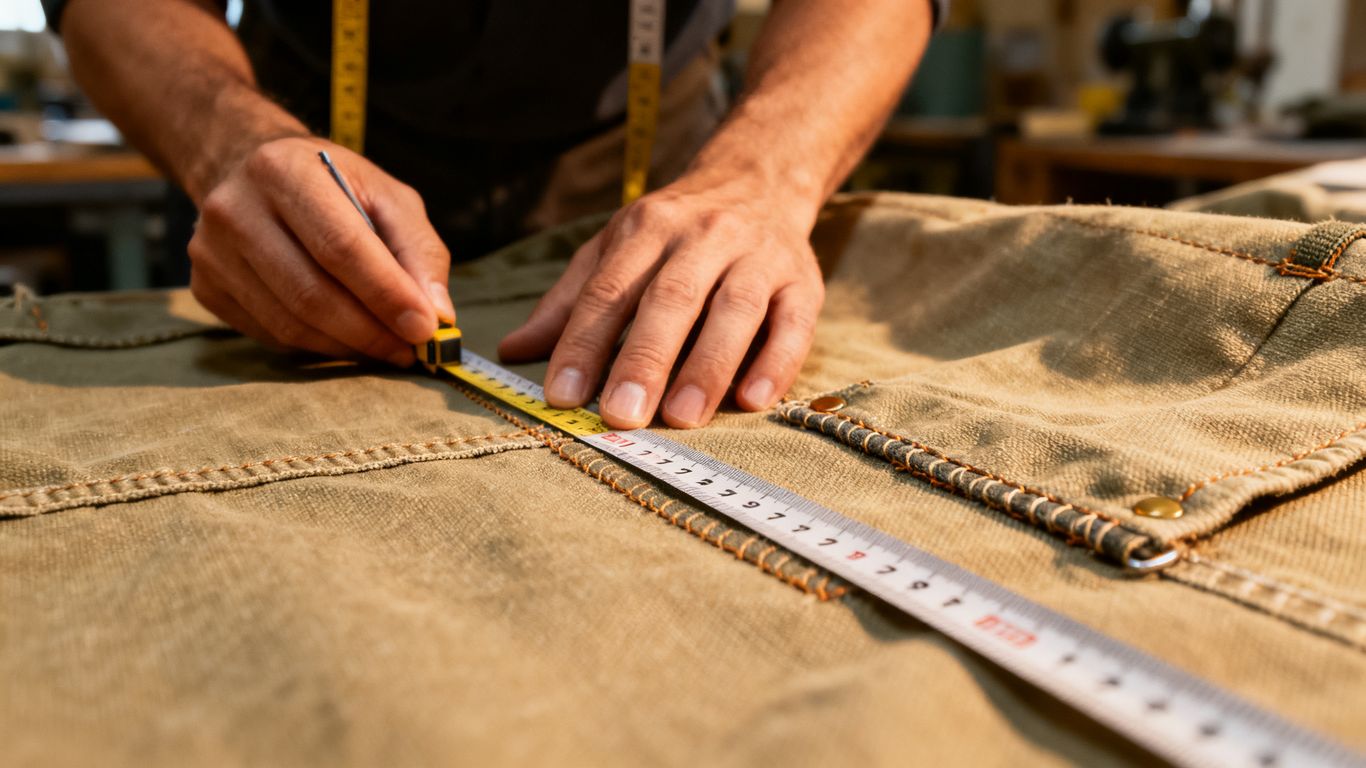
Quality is not a one-time check at the end of the line; it is a mindset embedded in every step of the production process. Without rigorous material verification, even the best designs can fail through poor execution or inferior raw materials.
Screening for quality control and material integrity
Investigating stress testing and performance validation methods
Reliability comes from testing how a product handles extreme physical stress. Factories should subject components like zippers, straps, and corner stitches to load-bearing simulations that mirror real-world customer usage over hundreds of cycles.
Assessing comprehensive internal quality management systems
Effective management systems dictate how data flows from the factory floor to the management team, ensuring that potential issues are caught internally well before they reach the consumer side.
A strong quality system relies on constant, iterative inspection loops where data flows back from the sewing lines to the engineering department instantly to correct deviations in real time.
This level of oversight prevents small variations from turning into massive batch failures that threaten your retail presence.
Distinguishing reinforced construction from standard garment production
Garment production focuses on comfort and aesthetics, while technical soft goods focus on high-strength joints and load distribution. A factory that specializes in wholesale backpack manufacturers capabilities will utilize reinforced webbing and bar-tacking that a standard clothing printer simply cannot offer. This makes all the difference when your brand promises endurance and long-term utility to your professional or outdoor customers.
Establishing a collaborative long-term partnership
Moving away from a strictly transactional approach allows you to treat your manufacturer as an extension of your own business operations. This shift helps secure reliable capacity even during periods of record-breaking industry demand.
Moving beyond transactional procurement toward strategic growth
When brands and factories align on long-term goals, they can invest together in better tooling and manufacturing processes. This is especially true for canvas tote bag manufacturers that have the potential to grow with your brand by offering custom dye runs or proprietary material finishing. Working with Bola Bag provides this level of strategic engagement, ensuring your growth is supported by their industrial capacity.
Communicating expectations on production timelines and milestones
Clear communication requires fixed milestones that both parties agree upon before the order is finalized. By outlining specific dates for fabric arrival, pilot runs, and post-production audits, you minimize the risk of misaligned expectations between your office and the factory floor.
Navigating lead times and seasonal demand fluctuations effectively
Planning your cycles far in advance allows your supplier to purchase raw materials at stabilized prices. This foresight helps protect you from the spikes in volume that usually overwhelm less organized shops, keeping your supply chain lean.
Best practices for scaling production runs
Scaling up requires the same technical rigor as launching a new product. As you expand, your focus must shift from initial design feasibility to process reliability and high-speed efficiency.
Managing the transition from initial prototype to large-scale export
Moving an item from a prototype to a multi-thousand unit run requires strict pattern standardization. A great factory will audit their own processes during this phase to remove any manual steps that might introduce inconsistency at higher speeds.
Maintaining product consistency across high-volume batches
Consistency is the hallmark of a professional manufacturing partnership. By implementing automated cutting processes and specialized sewing jigs, skilled technicians ensure that every single item off the line meets the same dimensional tolerances as your original approved sample.
Leveraging factory technical expertise for continuous product improvement
Your manufacturing partner should be a source of constant feedback on how to improve your designs. They may suggest replacing a specific metal rivet with a more durable composite or updating a strap configuration that has historically caused slight manufacturing bottlenecks. Utilizing this expertise is one of the smartest ways to keep your product at the top of the market.
Conclusion
Selecting a technical partner in Vietnam like Bola Bag allows you to push the boundaries of product quality through deep OEM and ODM expertise. By prioritizing engineering support, rigorous material testing, and strategic communication, you position your brand to scale effectively in competitive global markets. Take the first step toward a more reliable supply chain by reaching out to us for a consultation on your next production project.
Read more: Wholesale Sports Bags Manufacturing Solutions for Sportswear Brands


BOLA BAG's BLOG YOU MAY ALSO BE INTERESTED IN
How to Improve Garment Business Performance Without Buying a Single New Machine
How to Find the Right Custom Backpack Manufacturers in 2026
Custom Wholesale Tool Bags for OEM and Private Label Brands