


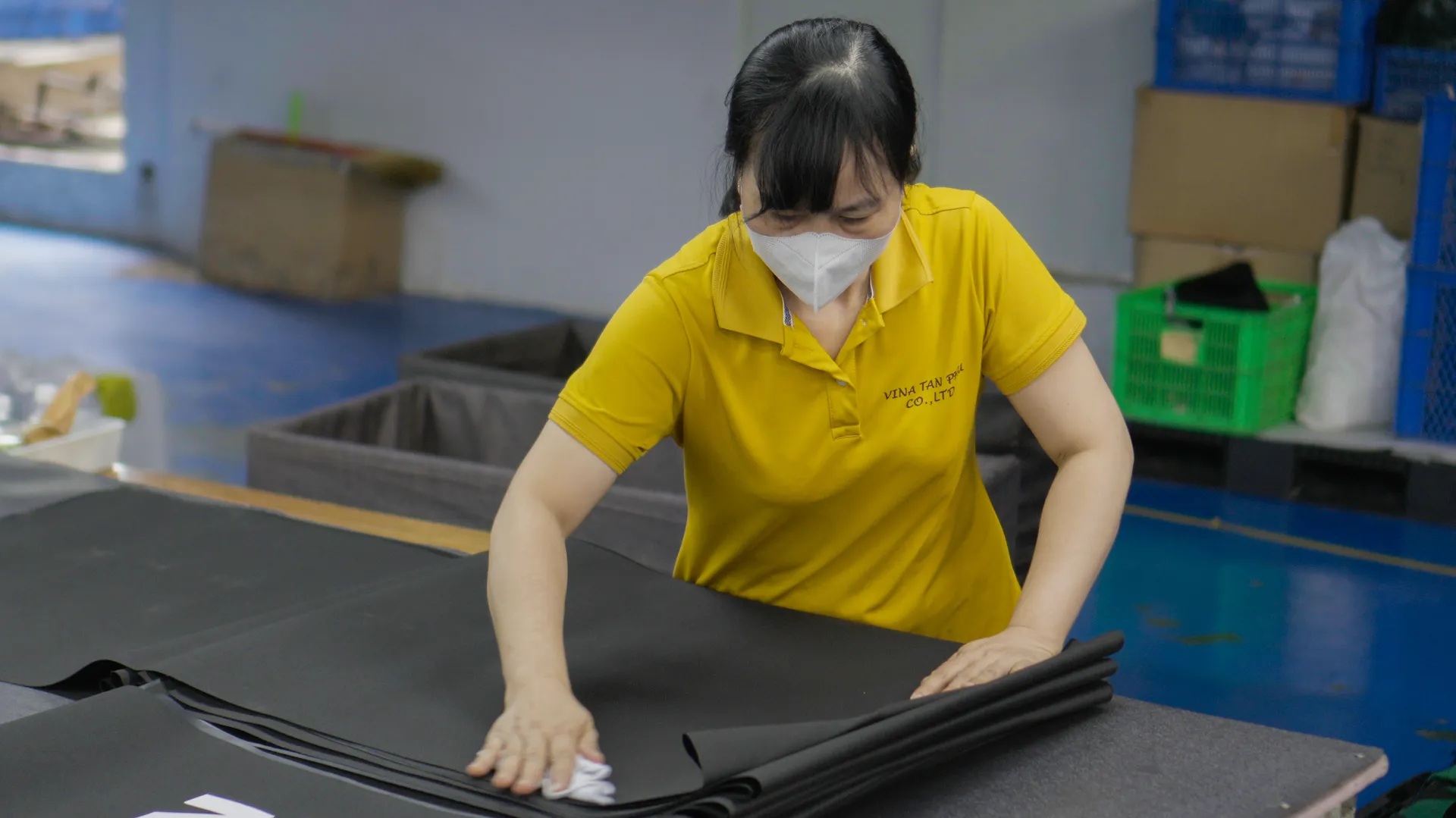
Walk into a cutting room and the most valuable thing on the table is not the fabric. It is the long sheet of paper lying on top of it, printed with the outlines of every piece of every size in the order, packed together like a jigsaw. That sheet is the marker. Ask what is marker in garments and the short answer is a full size cutting guide that shows exactly where every pattern piece sits on the fabric so that the least possible cloth is thrown away. This article describes the object itself, the types of marker a cutting room uses, how it is used on the table, the efficiency number it is judged by, and what a marker looks like when the product is a bag.
What Is Marker in Garments
A marker is a layout, on paper or on screen, of all the pattern pieces needed for a cut, arranged within a rectangle exactly as wide as the usable fabric.
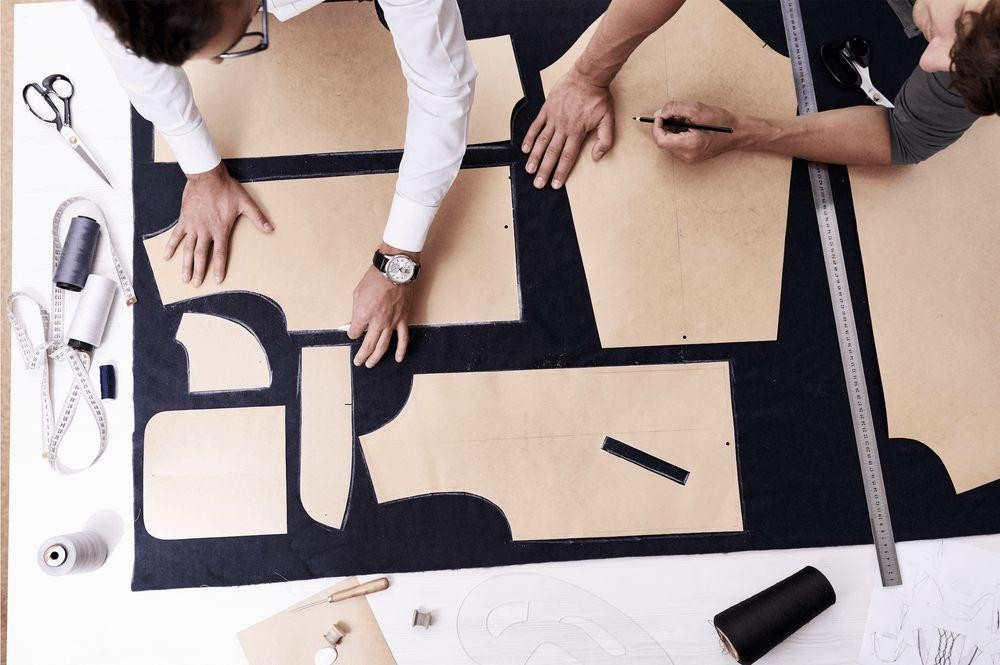
Marker Making
It is made once per style and fabric width, printed on long rolls of paper by a plotter or sent straight to an automatic cutter, and it tells the cutter where every blade goes. Three things are always on it.
A Full Size Layout as Wide as the Fabric
The marker’s width is the fabric’s usable width, edge to edge minus the selvedges. Its length is however long the layout needs to be, and that length multiplied by the number of layers spread under it is the fabric the order consumes. A marker 1.5 metres wide and 12 metres long, spread 60 layers deep, cuts 720 metres of fabric.
Every Pattern Piece Needed for Each Size in the Cut Order
If the order is 200 small, 400 medium and 200 large, the marker carries one small, two medium and one large set of pieces, and the spread is 200 layers deep. Fronts, backs, sleeves, collars, facings and pockets for each size sit side by side, turned and nested so the gaps between them are as small as possible.
The Types of Marker a Cutting Room Uses
Markers are named for how sizes and directions are handled, and the choice affects both waste and how easy the cut is to manage.
Single Size and Mixed Size Markers
A single size marker holds one size only and is simple to bundle but wastes fabric, because one size’s pieces leave gaps that only another size’s pieces would fill. A mixed size marker holds several sizes together, nests far more tightly and is the standard for any real order.
One Way Markers for Nap and Prints
Velvet, corduroy, brushed fabrics and printed fabrics with a direction have to be cut with every piece pointing the same way, or two halves of a garment will look different in the light. A one way marker respects that and is always less efficient than a two way marker where pieces can be turned head to tail.
Sectioned Markers for Short Tables and Small Ratios
A very long marker can be split into sections, each holding a size or a group of sizes, so it fits a shorter table or lets the cutting room cut some sizes first. The sections are planned together so the whole still nests well.
How the Marker Is Used on the Cutting Table
Fabric is spread in flat layers along the table, tension free and edge aligned, in a process the trade calls spreading. What is spreading in garment industry practice is exactly that laying down of layers, and a bad spread with wrinkles or tension ruins the best marker. The paper marker is laid on the top layer, or the digital marker is loaded into the cutter, and the stack is cut through all layers at once along the printed lines. The pieces are then bundled by size and layer. Everything about the cut, the cutter’s path, the notches, the bundle counts, comes off the marker, which is why it is treated as a controlled document and why the marker plan and its efficiency are the first things checked when a factory’s fabric bill looks high. Where the marker sits in the wider sequence, from spreading through sewing to packing, is clearer once the whole run of garment production is seen end to end.
Marker Efficiency Is the Number That Determines Fabric Waste
Marker efficiency is the share of the marker’s area covered by pattern pieces. The rest is waste. A well made mixed size marker for a shirt reaches 85 to 90 percent, a one way marker on a striped fabric might manage 75, and a lazy single size marker can fall below 70. Since fabric is the largest cost in almost every garment, a few points of marker efficiency are worth more than most savings on the sewing line, and a factory that quotes from its markers rather than from a rule of thumb quotes accurately. The fabric line in any sheet used for how to calculate costing in garment industry terms is the marker length times layers divided by garments, and nothing else.
Markers for Bags Are Several Markers at Once
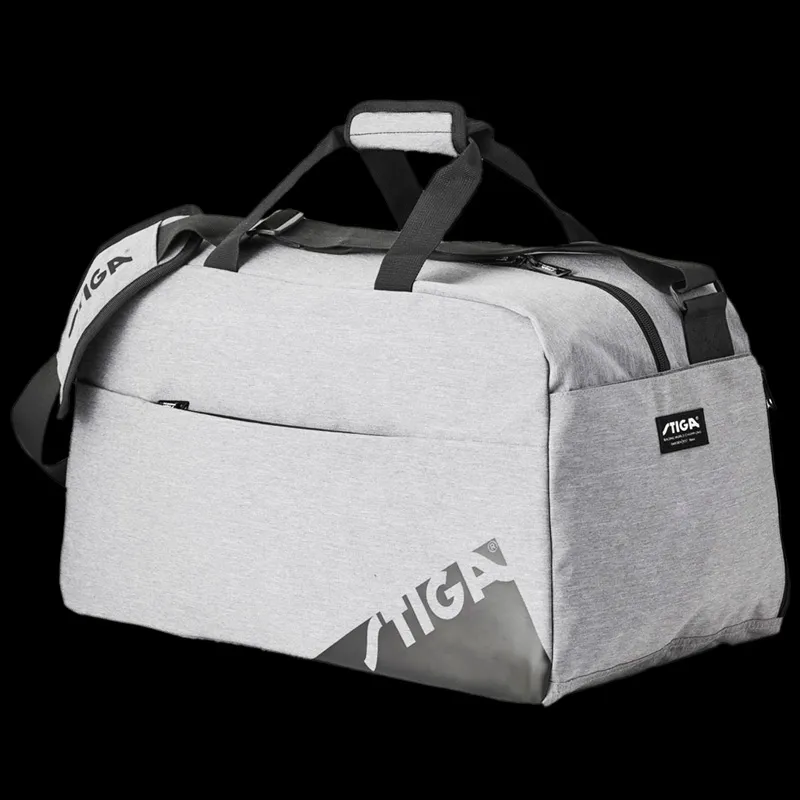
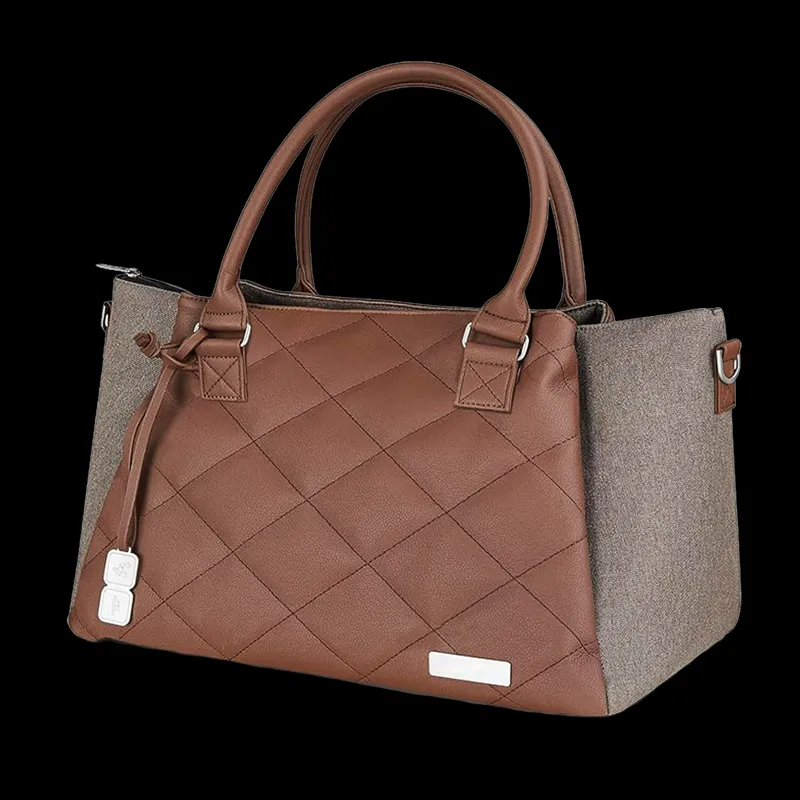
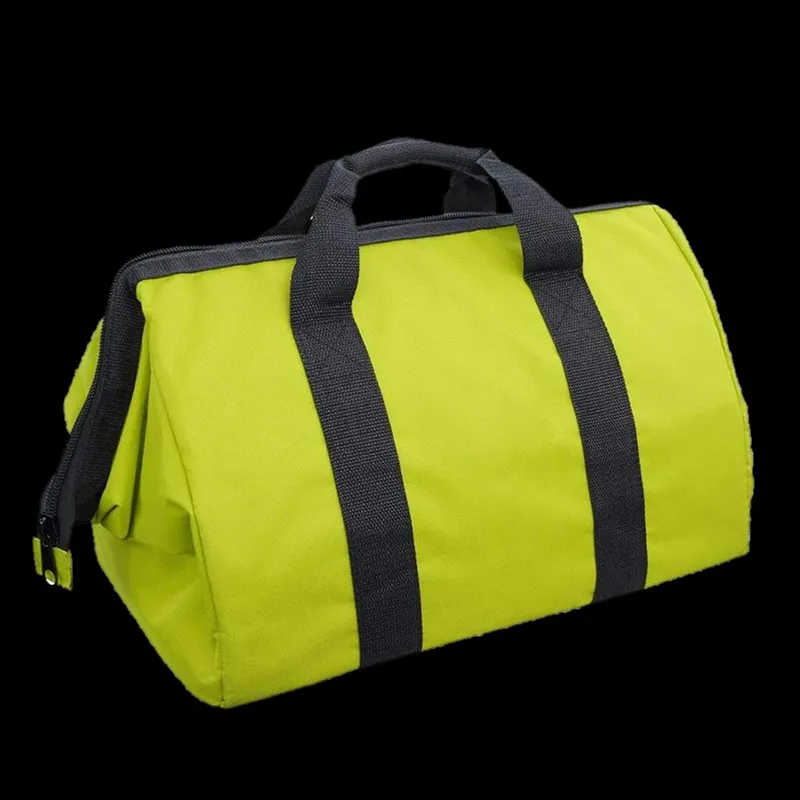
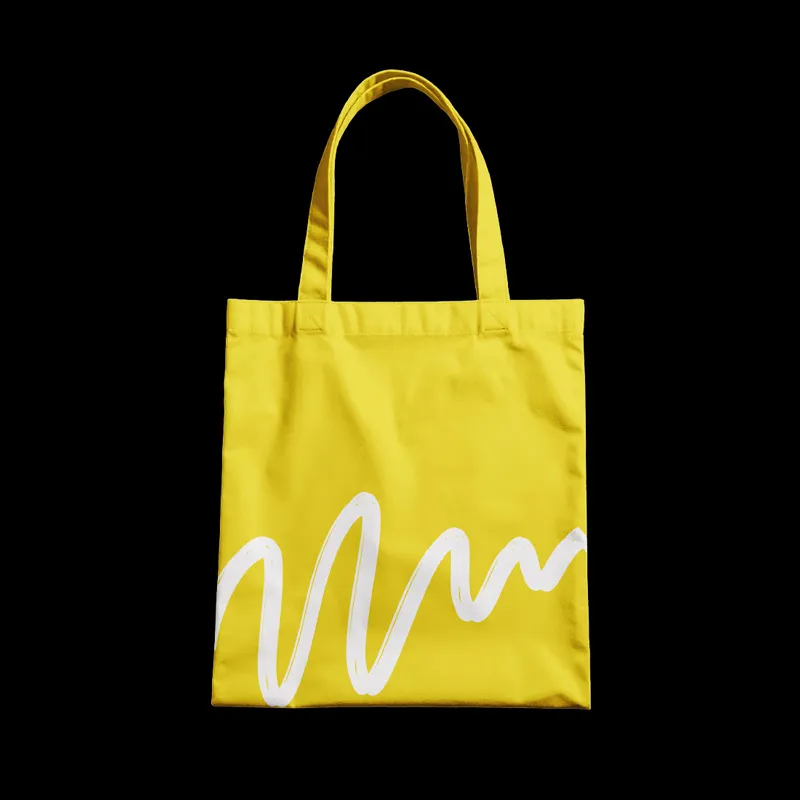
A shirt has one marker because it has one fabric. A backpack has a marker for the outer fabric, another for the lining, another for the foam padding and sometimes another for the coated base fabric, each on a different width and each with its own efficiency.
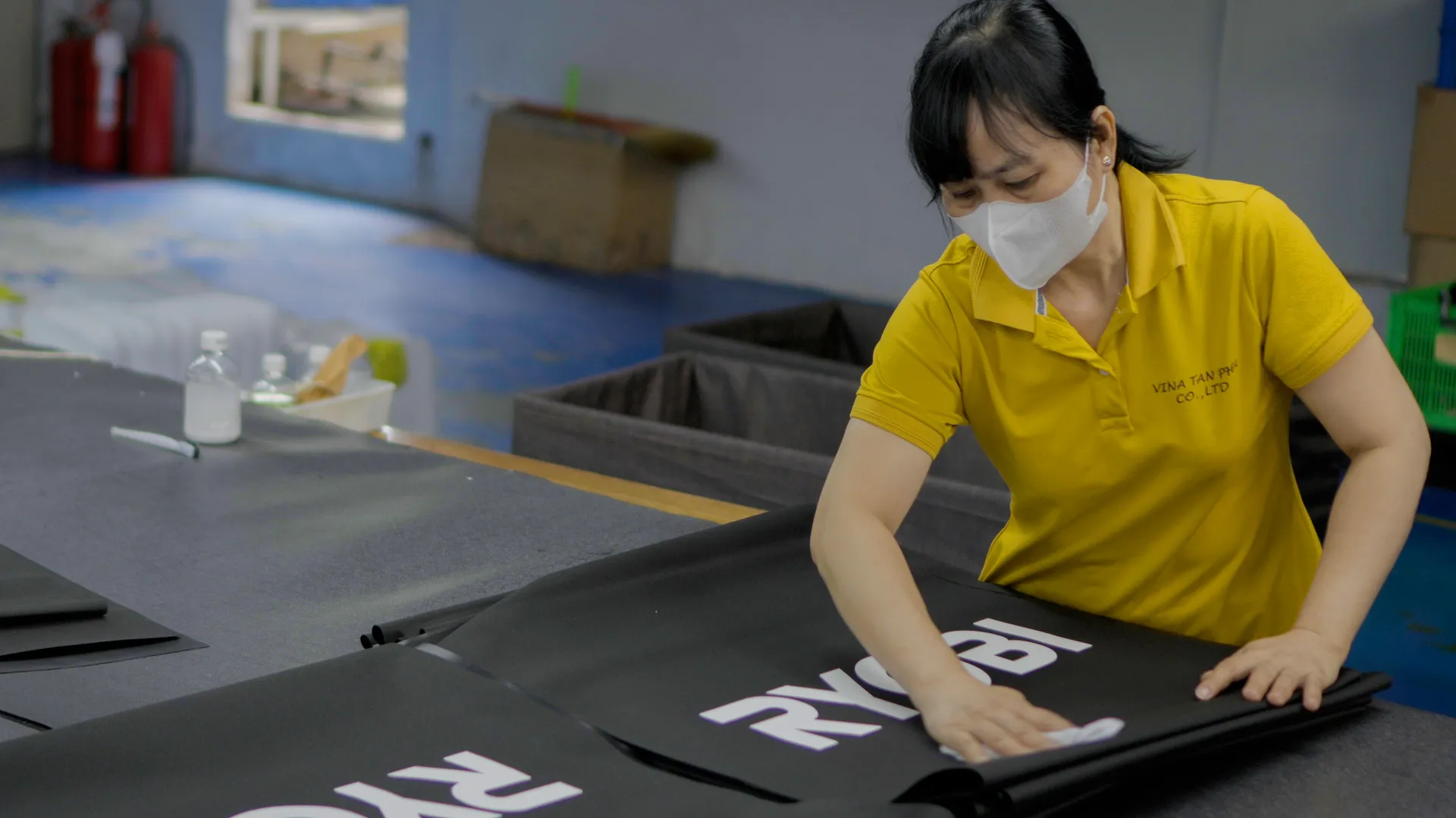
Bola Bag Factory
Webbing and binding are cut to length rather than from a marker. That multiplies the cutting room’s planning, and it is one of the reasons a bag factory’s fabric consumption is harder to estimate than a shirt factory’s. It is also where a good bag factory saves a brand real money, since nesting the lining and the outer together in the same plan is a skill, and it is part of what separates the canvas bag manufacturers that quote consistently from those that surprise a brand at the end.
Conclusion
What is marker in garments? A full size layout, on paper or screen, of every pattern piece for every size in the cut, arranged within the fabric’s usable width so the least fabric is wasted, carrying grain lines, notches and piece names so the cutter can follow it. Cutting rooms use single size, mixed size, one way and sectioned markers depending on the order and the fabric. The marker is laid on the spread and cut through every layer, and it is judged by its efficiency, the share of its area that becomes garment. On a bag line there are several markers per product, one for each material, and planning them together is where fabric cost is won.
Bola Bag has planned and cut markers for outer, lining and foam on backpacks, technical bags and totes in Ho Chi Minh City since 2015, as an OEM and ODM partner for brands worldwide. See how we work on our capabilities page, or send us your tech pack and a size ratio and we will quote the fabric from a real marker rather than an estimate.
Read more: How to Improve Garment Business Performance Without Buying a Single New Machine


BOLA BAG's BLOG YOU MAY ALSO BE INTERESTED IN
Wholesale Laptop Backpacks Manufacturer Assembly Lines Meet Strict Export Standards
OEM Garment Manufacturer: What One Actually Does and How to Choose One Without Getting Burned
How Start Garment Business: The First Ninety Days, in the Order They Actually Happen