


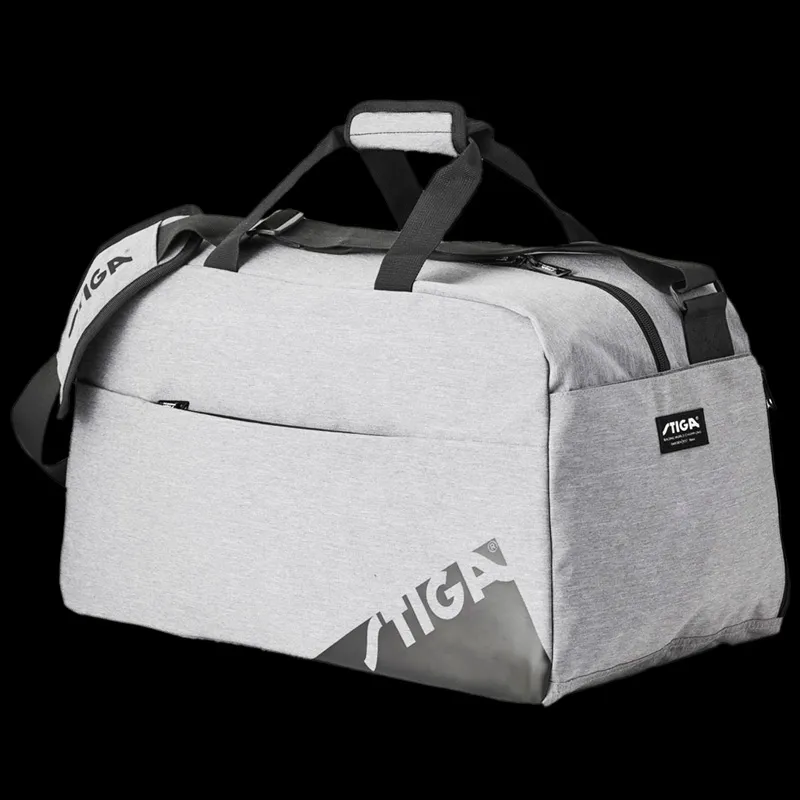
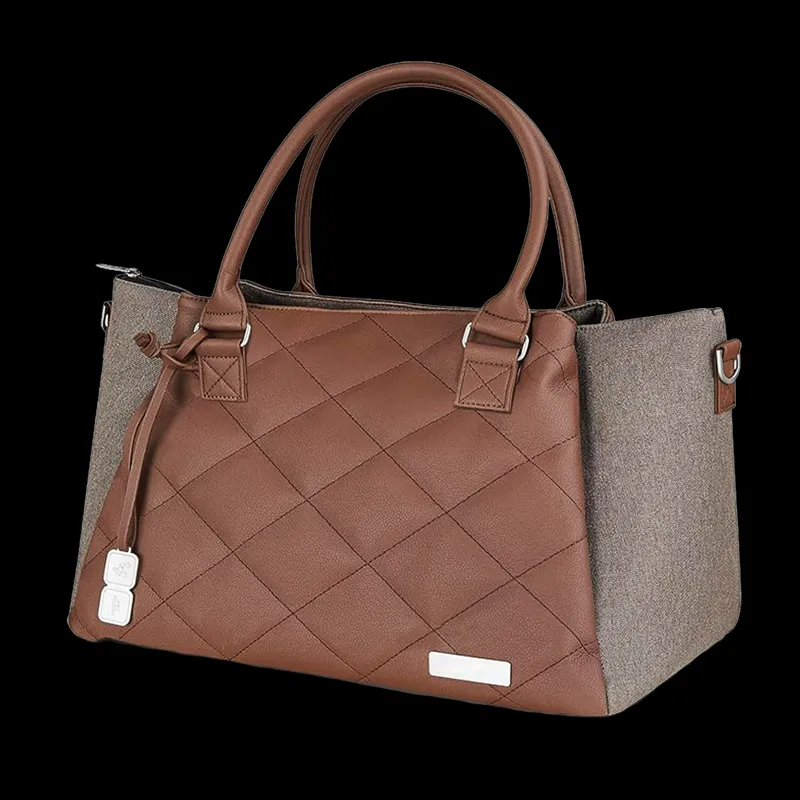
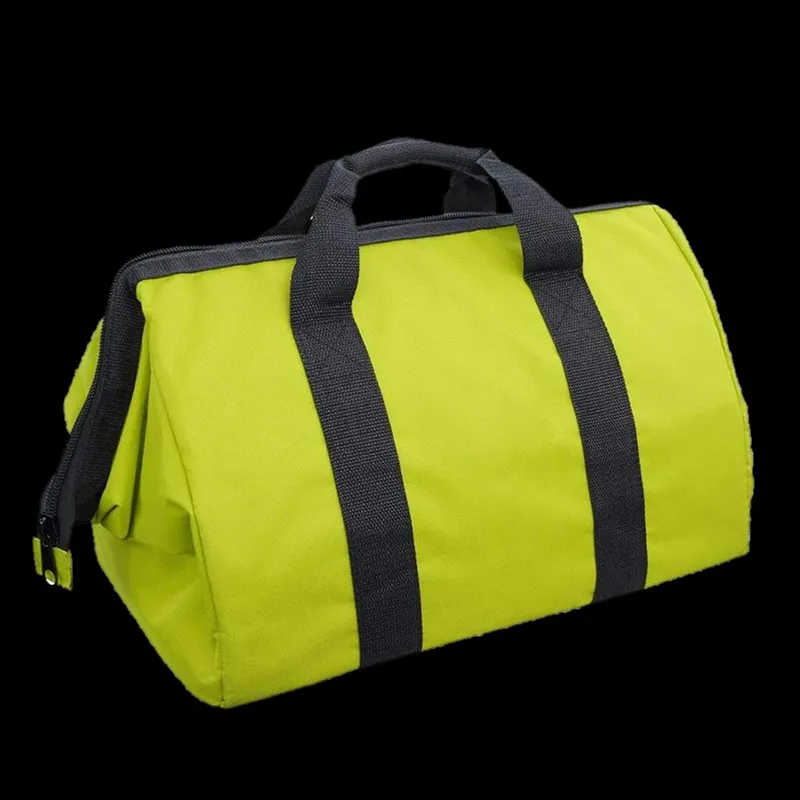

A sewing floor we visited last year was running at about 55 percent efficiency and did not know it. The owner knew the numbers were off because the bank balance said so, but every operator was busy, every machine was running, and the shipments were going out. It took an afternoon with a stopwatch to see that one bar tack station was starving four sewing lines. Most advice on how to improve garment business results starts with marketing or new equipment. In our experience the money is almost always already in the building, sitting in a bottleneck, a fabric roll, or a price sheet nobody has updated in two years.
How to Improve Garment Business Efficiency by Finding Where the Time Goes
You cannot improve a line you have not measured, and most small factories measure output per day without ever measuring where the day went.
Time Each Sewing Step Rather Than Each Worker
Stand behind each workstation with a stopwatch for twenty cycles and write down the average. Do it for every operation in the product, from cutting to final inspection. Within an hour you will have a standard minute for each step, and one of them will be two or three times longer than its neighbours. That is the bottleneck, and everything upstream of it is overproducing while everything downstream is waiting. The idea of balancing work to the slowest station is the core of lean manufacturing, and it costs nothing to apply.
Balance the Sewing Line Around Its Slowest Step
Once you know the slow operation, either split it across two operators, move a simpler task away from that station, or move the fastest operator onto it. On a bag line the bottleneck is usually bar tacking, webbing attachment, or zipper setting, because those need a specific machine and a specific skill. Adding a second bar tack machine is often the single highest return purchase a soft goods factory can make, and it is far cheaper than anything in a catalogue.
Cut the Carrying Between Stations
Watch how a bundle travels. If a helper carries it forty metres, stacks it, and an operator later untangles it, that is unpaid time in every unit. Rearranging stations so that work flows in one direction, and using small bundles that move often rather than large ones that sit, typically recovers 10 to 15 percent of the day without anyone sewing faster.
Stop Paying for Fabric You Throw Away
Material is the largest cost line in any sewn product, and waste hides in three places most owners never look. Marker efficiency is the first. The way pattern pieces are laid on the roll decides how much fabric becomes offcut, and the difference between a lazy marker and a tight one is routinely 8 to 12 percent of the roll. That is pure margin, and on a bag it is often larger than the labour saving from any line change.
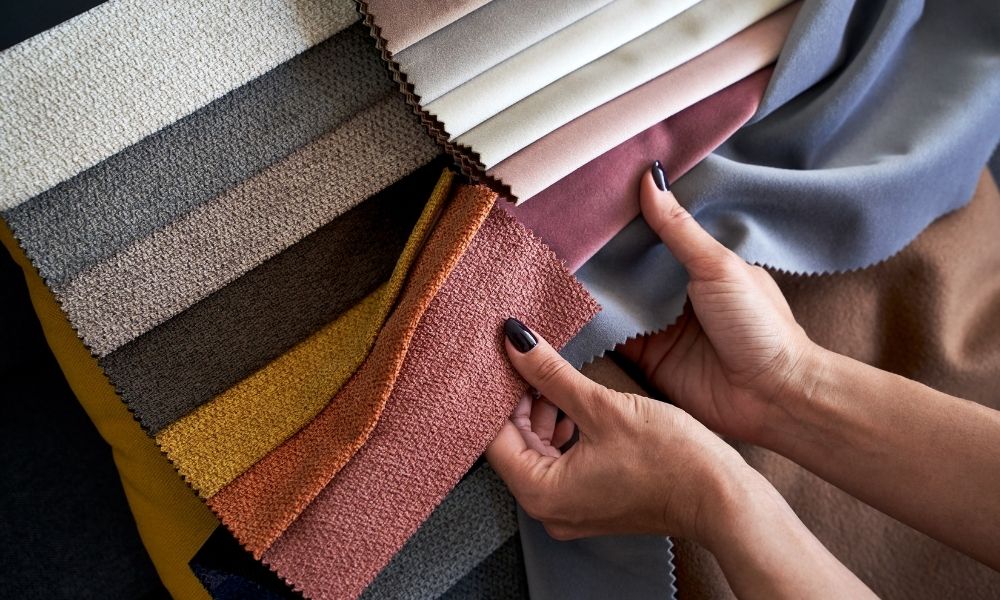
Fabric Material – Bola Bag
The second is over ordering trims, where a minimum order on a custom buckle turns into a shelf of dead stock. The third is quality rejects caught at final inspection instead of at the first operation, so the fabric, the labour, and the trims are all lost together. Anyone who has worked through the arithmetic of how to calculate costing in garment industry terms will recognise all three, because they are the lines that quietly move.
Fix the Supply Side Before Buying a Single Machine
An efficient floor fed by unreliable suppliers is still an unreliable factory. The improvements here are relationship changes rather than process changes.
Fewer Fabric Suppliers and Deeper Relationships With Each
Spreading fabric orders across six mills to chase the lowest price produces six different shade lots, six lead times, and no leverage anywhere. Consolidating on two or three and giving them a rolling forecast usually earns better pricing than the bargain hunting did, plus priority when everyone is short. The same logic applies whether you are the factory or the brand, which is one reason it keeps coming up in how to do garment business conversations after launch.
Know Whether Your Factory Is a Garment OEM Setup or a Bag Factory
A factory set up for lightweight apparel that takes on structured bags will run at half speed and reject a quarter of the output, because bags need walking foot machines, heavier needles, and operators trained on webbing and hardware. Plenty of small factories improve their numbers most by refusing work they are not built for. The reasoning behind treating a garment oem setup and a bag setup as different businesses is exactly this.
Improve the Price and Not Just the Cost
Half of improving a garment business is on the revenue side, and most owners spend far less time there than on the floor.
Reprice Every Style Starting From Its Real Cost
If the price list was set two years ago, it is wrong. Rebuild it from current material, labour, and overhead figures, and check what margin each product actually leaves. Many businesses discover one style making most of the profit and two others quietly losing money on every order. The honest range of how much profit in garment shop owners actually keep is lower than most assume, and a busy floor is not the same as a profitable one.
Narrow the Range to the Styles That Actually Make Money
Every extra style carries its own pattern, samples, trims, and minimums, and splits your volume across more items. Cutting the three slowest sellers usually raises profit rather than lowering it, because the volume concentrates on what already works and the factory gets faster at running it.
Measure Efficiency and Fabric Waste and Margin Every Week
Improvement that is not measured drifts back within a quarter. Three numbers are enough to keep it honest.

Wholesale Bags – Bola Bag
Line efficiency, meaning standard minutes produced divided by minutes paid, tells you whether the floor changes held. Material yield per unit tells you whether the waste stayed down. Gross margin per style tells you whether the repricing and range cuts did what they were meant to. Post all three where operators can see them, review them weekly, and expect the first month’s gains to slip unless somebody owns each number. Whether all of this effort is worth it in a competitive sector is a fair question, and the honest answer in is textile industry profitable is that it is, for the businesses that measure.
Conclusion
Knowing how to improve garment business results is mostly about looking in the right places. Time the operations and balance the line around the slowest one. Tighten the marker and stop over ordering trims. Consolidate suppliers and refuse work the floor is not built for. Rebuild the price list from today’s costs and cut the styles that lose money. Then measure efficiency, yield, and margin every week, because the gains disappear the moment nobody is watching them. None of it needs new machinery. All of it needs a stopwatch, a spreadsheet, and the willingness to say no to a bad order.
If part of the fix is moving bag production to a partner whose floor is built for it, Bola Bag manufactures bags and technical soft goods to export standards for brands and factories worldwide, and we are happy to show how our lines are balanced. Have a look at our capabilities page, or send us the styles you are struggling to run profitably and we will quote them with the cost sheet open.
Read more: How Much Profit in Garment Shop: A Realistic Look at the Numbers


BOLA BAG's BLOG YOU MAY ALSO BE INTERESTED IN
Trusted Cotton Bag Supplier for Bulk Wholesale Orders
How Global Brands Source Bulk Gym Bags from Reliable Manufacturers
Bulk Up Your Inventory: The Ultimate Guide to Wholesale Shoulder Bags