


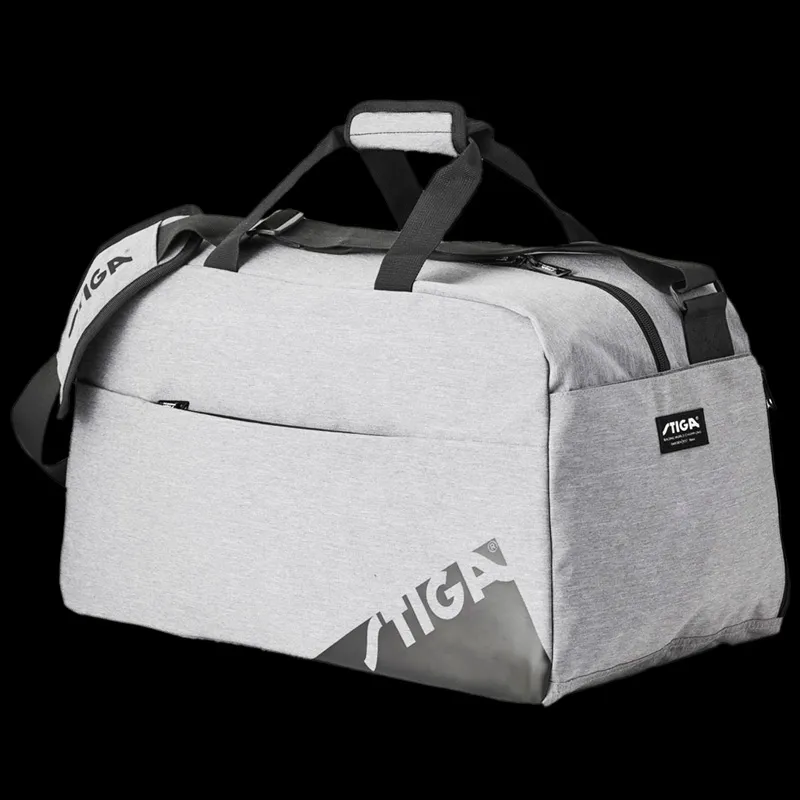
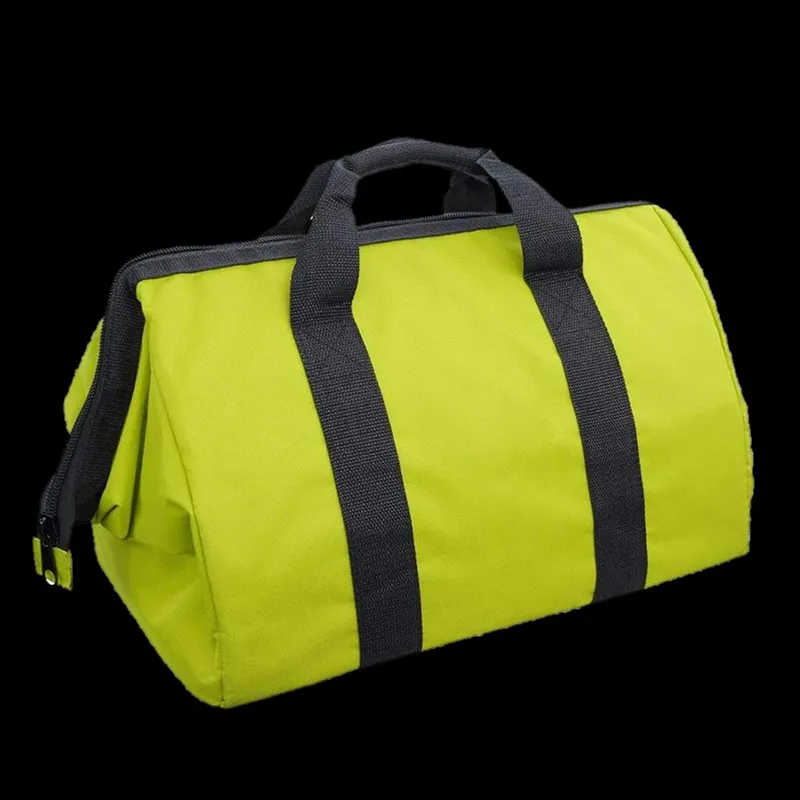
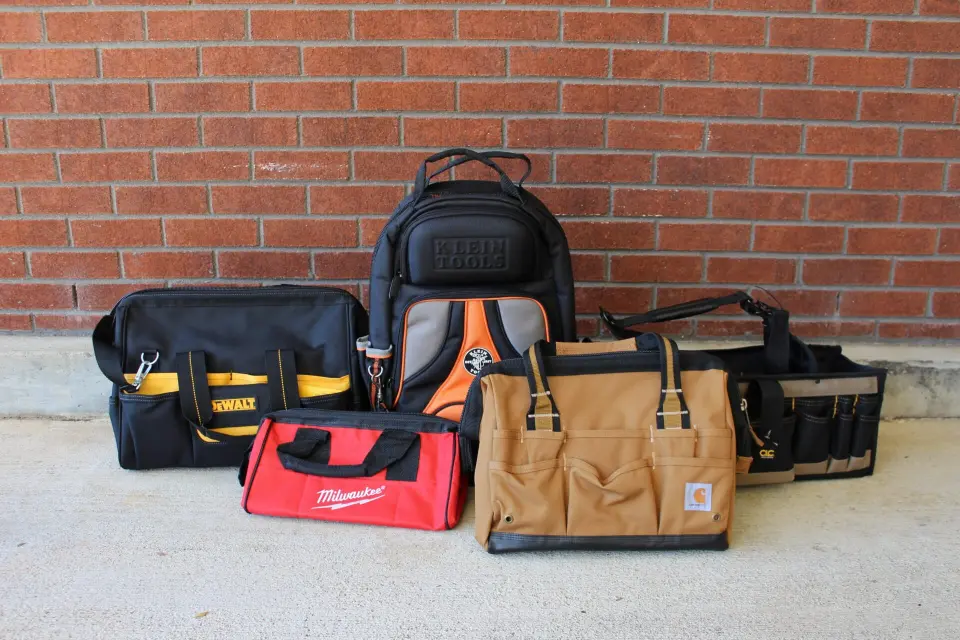
So, you need a new tool bag. It’s not just about throwing your wrenches and screwdrivers into any old sack, right? Picking the right one really matters for keeping things organized and making sure your gear doesn’t get banged up. And when you start looking, you’ll notice there are a ton of options out there. It can get a bit overwhelming trying to figure out what makes one bag better than another, especially when you’re thinking about who actually makes it. We’re going to break down what to look for, from the materials used to how it’s put together, and how to find a good tool bag manufacturer that can meet your specific needs.
Key Takeaways
- Figure out exactly what tools you have and how often you use them. This helps decide how big and how tough your tool bag needs to be.
- Think about the materials. Things like tough nylon or canvas are good for durability, and how the fabric is made (like its denier rating) tells you a lot about how well it will hold up.
- Organization is key. Look for bags with plenty of pockets, dividers, and straps to keep everything in its place and easy to grab.
- Comfort matters, especially if you carry your bag a lot. Check out the handles and straps, and decide if a rolling option might be better for you.
- When looking for a tool bag manufacturer, check if they can do custom work (OEM/ODM), if they can handle big orders for export, and if they really focus on making high-quality, long-lasting products.
Understanding Your Tool Storage Requirements
When you’re looking for the right tool bag supplier, the first step is really figuring out what you need. It sounds simple, but getting this right saves a lot of headaches down the line. We work with brands all over the world, and the ones that succeed are the ones who know their tools and their users inside and out. Let’s break down how to think about your tool storage needs.
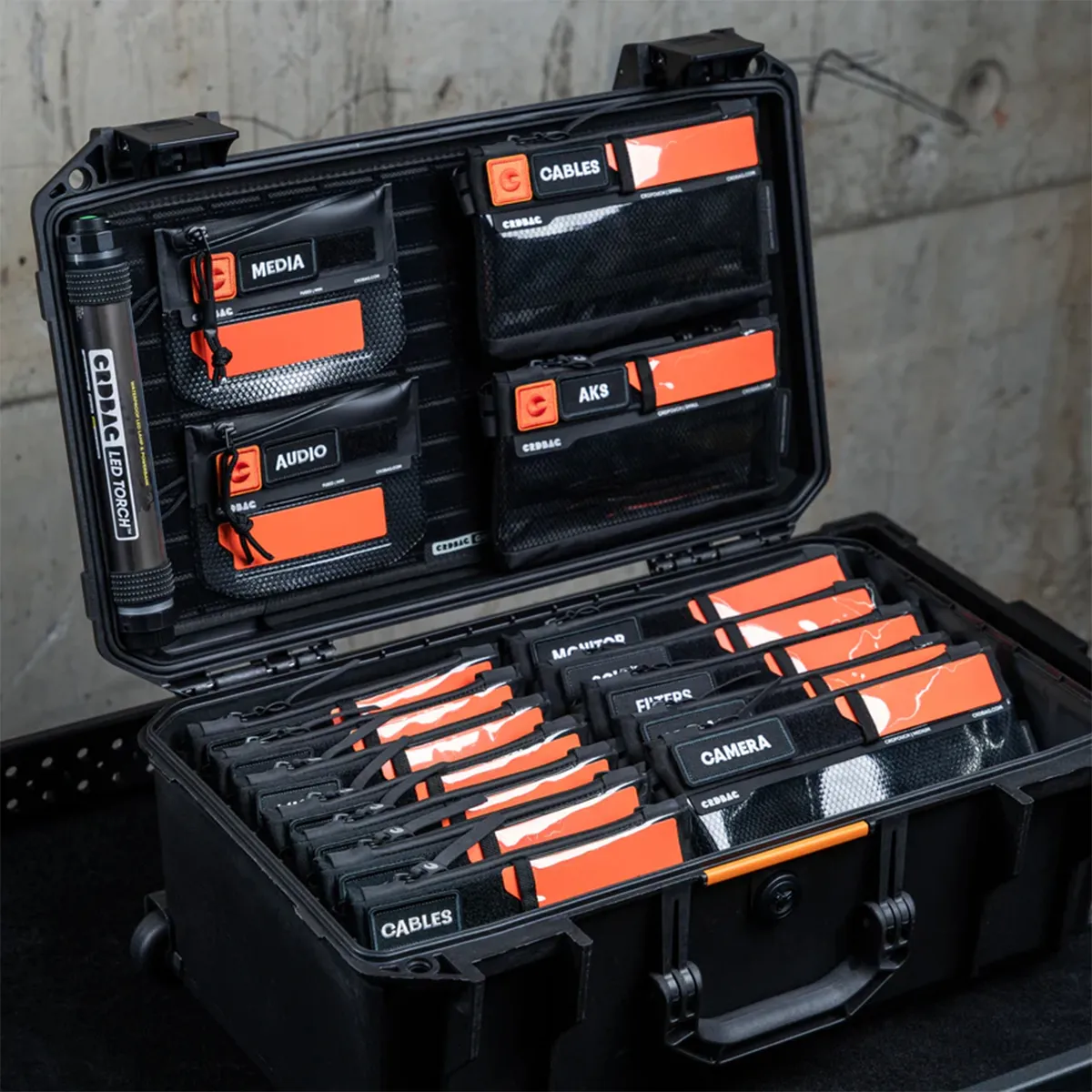
Understanding Your Tool Storage Requirements
Assessing Your Tool Inventory and Usage Frequency
Think about every tool you plan to put in the bag. What are they? How big are they? How often do you actually use them? If you’re carrying a few essential hand tools for quick fixes, you’ll need something different than if you’re hauling around heavy-duty power tools and a full set of diagnostic equipment every day. Knowing your typical load is the foundation for choosing the right bag.
Here’s a quick way to think about it:
- Hand Tools: Screwdrivers, wrenches, pliers, hammers. These are usually smaller and lighter.
- Power Tools: Drills, saws, grinders, impact drivers. These are often bulkier and heavier, requiring more space and protection.
- Specialty Tools: Testers, meters, diagnostic equipment, soldering irons. These might need specific compartments or padding.
- Consumables: Screws, nails, wire nuts, tape. These need small, secure pockets so they don’t get lost.
If you’re a professional who needs constant access to a wide range of tools, you’ll want a bag designed for that. For brands looking to supply these professionals, we can help you design bags with the right capacity and organization. We understand the need for robust tool storage solutions that can handle daily use.
Considering Specialized Needs for Different Trades
Different jobs mean different tools. An electrician’s bag will look very different from a mechanic’s or a carpenter’s. Electricians might need lots of small pockets for wires and connectors, while HVAC technicians need space for larger tools and maybe even some tubing. Mechanics often need bags that can withstand grease and oil, and perhaps sit on rough workshop floors.
Understanding the specific demands of the trades you’re targeting is key. This informs everything from the size and shape of the bag to the types of internal and external pockets required. It’s about creating a tool bag that feels like an extension of the professional using it.
Evaluating the Balance Between Portability and Capacity
This is a big one. How much do you need to carry, and how easily do you need to carry it? A bag that holds a ton of tools might be too heavy or bulky to move around a job site easily. Conversely, a super-portable bag might not have enough space for everything a professional needs.
- High Capacity, Lower Portability: Think large tool chests or heavy-duty rolling bags. Good for workshops or when you don’t move far.
- Balanced Capacity & Portability: Many professional tool bags fall here. They hold a good amount but are designed to be carried or rolled comfortably.
- High Portability, Lower Capacity: Smaller tool pouches or minimalist bags. Best for essential tools or quick jobs.
For brands, this balance dictates the overall design and material choices. We can help you achieve the perfect mix for your target market, whether it’s bulk capacity for a mechanic’s toolbox or lightweight, easy-to-carry designs for field technicians. We can also help you think about warehouse logistics and risk assessment for storing and shipping large quantities of bags.
Key Material Considerations for Durability
When you’re looking for a tool bag that can stand up to the daily grind, the materials used are a big deal. We’re talking about keeping your valuable tools safe and sound, no matter where your work takes you. At Bola Bag, we focus on using materials that offer serious protection and last a long time, which is why we work with manufacturers who know their stuff.
Exploring the Strengths of Canvas and Nylon
Canvas has been a go-to for a long time, and for good reason. It’s tough, breathable, and can take a beating. Think of those classic workwear bags – they often use heavy-duty canvas. It’s a solid choice, especially if you need something that won’t trap moisture inside. On the other hand, nylon is a bit more modern and offers a different set of advantages. It’s generally lighter than canvas but can be incredibly strong, especially when woven tightly. It also tends to resist abrasion really well, which is great for bags that get dragged around or tossed into truck beds.
Understanding the Benefits of Ballistic Nylon and Polyester
Now, let’s get a bit more specific. Ballistic nylon is a step up from standard nylon. It’s known for its incredible strength and resistance to tears and abrasions – it was originally developed for flak jackets, so you know it’s tough. This makes it a top pick for rolling tool bags that need to handle rough environments. Polyester is another popular option. It’s durable, resistant to stretching and shrinking, and often more budget-friendly than ballistic nylon. While it might not be quite as rugged as ballistic nylon, a good quality polyester bag can still provide excellent protection and longevity for your tools. We often see heavy-duty nylon and polyester used in our manufacturing processes because they strike a great balance between performance and cost.
The Role of Denier Ratings in Fabric Robustness
Ever seen a number followed by ‘D’ on a fabric description, like 600D or 1200D? That’s the denier rating, and it tells you how thick and strong the fabric threads are. A higher denier number means thicker, stronger threads, which usually translates to a more durable and wear-resistant fabric. For tool bags that need to withstand heavy use, we look for higher denier ratings. It’s a simple way to gauge how well a material will hold up over time, especially when you’re carrying a lot of weight. Choosing a fabric with a denier rating of 600D or higher is a good starting point for most professional applications.
When we partner with brands, we discuss these material details thoroughly. It’s not just about picking a fabric; it’s about selecting the right one for the specific demands of the tools and the work environment. This technical precision is what sets apart a bag that lasts from one that needs replacing quickly.
If you’re looking for a manufacturing partner who understands these material nuances and can produce high-quality wholesale tool bags, get in touch with us at Bola Bag.
Optimizing Organization and Accessibility
When you’re out on a job, the last thing you want is to waste time digging through a disorganized bag. That’s where smart organization and easy access come into play. For professionals who rely on their tools daily, a well-structured bag isn’t just a convenience; it’s a productivity booster. We understand that at Bola Bag, which is why our OEM/ODM manufacturing focuses on creating tool bags with layouts that make sense for real-world use.
Leveraging Pockets, Compartments, and Specialized Holders
Think about your typical workday. What tools do you reach for most often? What specialized items do you need for specific tasks? A good technics tool bag should have a place for everything. This means looking beyond just a big open space. We’re talking about:
- Dedicated tool loops and elastic straps: Perfect for keeping screwdrivers, pliers, and wrenches from rolling around and getting damaged. They hold tools securely in place.
- Zippered mesh pockets: Great for smaller items like bits, sockets, or electrical connectors. You can see what’s inside without opening them.
- Larger, padded compartments: These are ideal for power tools or more delicate instruments, offering protection during transport.
We can engineer custom solutions, like specific holders for your brand’s unique tools or specialized compartments for trades like electrical work or plumbing. The goal is to have every tool readily available when you need it, minimizing downtime.
The Importance of Internal and External Pocket Layouts
The arrangement of pockets, both inside and out, makes a huge difference. External pockets are your go-to for frequently used items. Imagine needing a tape measure or a utility knife – having them in an easily accessible outer pocket saves you from opening the main compartment. Internally, a thoughtful layout means you can group similar tools. For instance, keeping all your wrenches together or your socket set in one designated area speeds up your workflow significantly. We pay close attention to the placement and size of these pockets during our manufacturing process, ensuring they fit the tools your clients use most.
Securing Tools with Straps and Tool Rolls
Beyond just pockets, effective tool bags use straps and sometimes even integrated tool rolls to keep things from shifting. Heavy-duty Velcro straps can secure larger items, preventing them from falling out or getting damaged. For certain trades, like mechanics or electricians, tool rolls are invaluable. They allow you to neatly organize smaller hand tools, roll them up, and secure them, making them compact and easy to store within a larger bag or carry separately. Our manufacturing capabilities allow us to integrate these features precisely, providing a robust solution for your brand’s tool storage needs. We can produce these in bulk, meeting high-quality standards for your wholesale orders.
Ensuring Comfort and Ease of Transport
When you’re hauling a significant amount of gear, the last thing you want is to feel like you’re wrestling a bear. We get it. That’s why we focus on making our tool bags as comfortable and easy to move as possible, even when they’re packed to the brim. It’s not just about carrying tools; it’s about making your workday smoother.
Evaluating Handle Design and Adjustability
The handle is your primary point of contact, so it needs to be right. We engineer telescoping handles that extend to suit different user heights, meaning no more hunching over or awkward pulling. This adjustability is key for preventing strain, whether you’re a seasoned pro or just starting out. We use robust materials like aluminum for these handles, built to withstand the daily grind and frequent adjustments.
The Impact of Padded Straps and Ergonomic Features
For those who prefer a more traditional carry or need to navigate stairs, padded shoulder straps are a game-changer. Our straps are designed with ergonomic principles in mind, distributing weight evenly across your shoulders and back. This significantly reduces fatigue, especially when you’re on the move between job sites. We also look at the overall balance of the bag when designing it, so it doesn’t feel like it’s constantly pulling you in one direction.
Choosing Between Tool Bags and Rolling Options
This is where personal preference and job demands really come into play. Rolling tool bags, for instance, are fantastic for reducing physical strain. They feature sturdy wheels and those adjustable telescoping handles we talked about, making it simple to move heavy loads across various surfaces. It’s a great way to keep your energy focused on the task at hand, not on lugging equipment. On the other hand, a well-designed backpack tool bag offers a hands-free solution that’s ideal for climbing or working in tight spaces.
The choice between a rolling bag and a traditional carry bag often comes down to the environment you work in and the weight of your typical load. For heavy, stationary tool sets, rolling options excel. For mobile trades requiring frequent climbing or navigating uneven terrain, a backpack style might be more practical.
We pride ourselves on our manufacturing capabilities, allowing us to produce large volumes of high-quality tool bags that meet these comfort and transport needs. Whether you need a fleet of rolling bags for a construction company or durable backpacks for a team of technicians, we can deliver.
Assessing Build Quality and Longevity
When you’re looking for a tool bag supplier that can keep up with your demanding work, the build quality is really what separates the good from the great. It’s not just about how many pockets a bag has; it’s about how it’s put together and what materials are used. A well-built bag means your tools are protected, and the bag itself won’t quit on you halfway through a job.
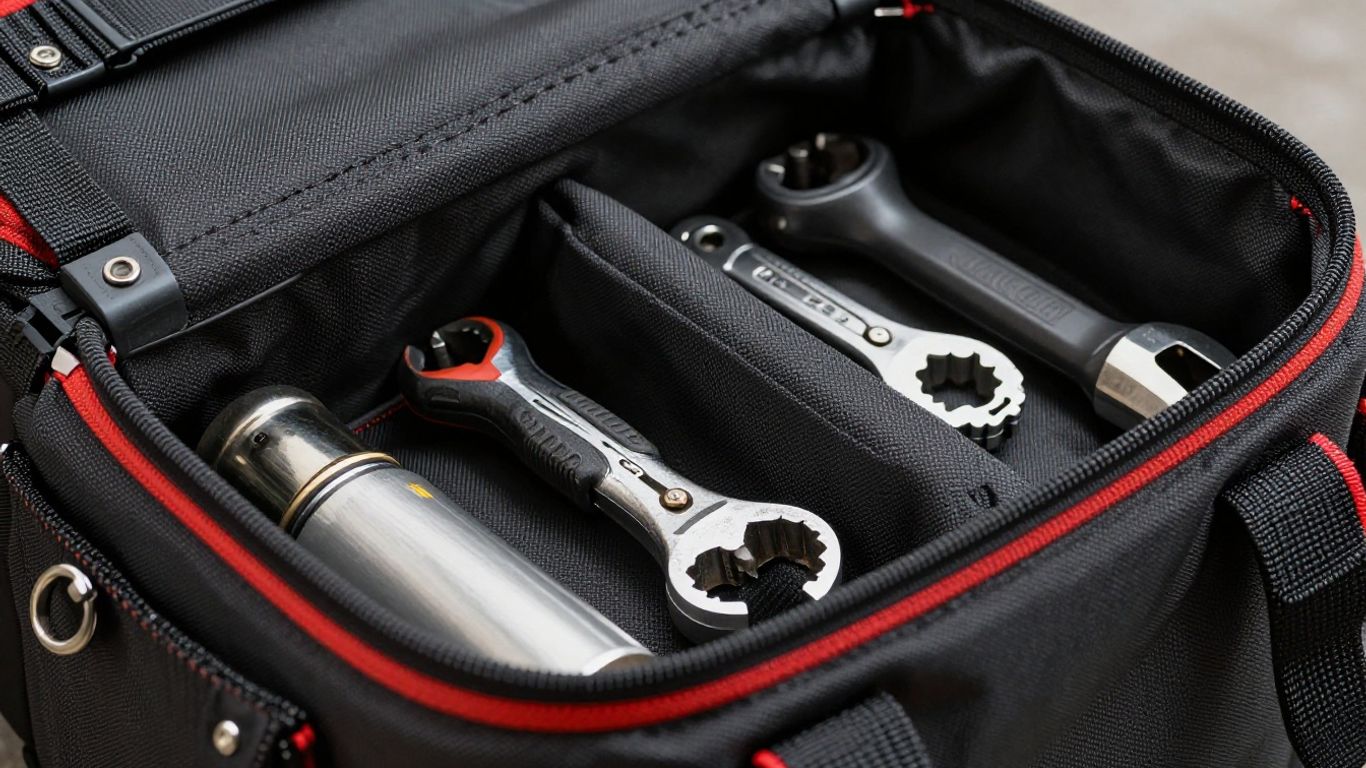
Assessing Build Quality and Longevity
Inspecting Seams, Stitching, and Zippers
Think about the seams and stitching. These are the backbone of any fabric product. We pay close attention to double-stitching in high-stress areas and use strong, UV-resistant thread. This prevents seams from splitting open, even when the bag is packed full and handled roughly. Zippers are another common failure point. We opt for heavy-duty, self-repairing zippers that can handle constant use without snagging or breaking. It’s the small details like these that make a big difference in how long a bag lasts.
The Significance of Reinforced Construction
Beyond just stitching, the overall construction matters. This includes reinforced bottoms, especially for rolling options, to prevent wear and tear from dragging. We also look at how the handles and straps are attached. Are they just sewn on, or are they integrated into the bag’s structure? Reinforced construction ensures the bag can handle the weight of your tools without deforming or failing. For our OEM/ODM clients, this means a product that reflects your brand’s commitment to quality and reliability.
Water Resistance and Protection Against the Elements
Your tools need protection, not just from physical damage but also from the weather. We utilize materials and construction techniques that offer good water resistance. This can range from coated fabrics to sealed seams, depending on the specific requirements. A bag that can keep your tools dry in a light rain or protect them from dust on a job site is a huge advantage. It means less worry for the end-user and a more dependable product for your customers. We can discuss specific material treatments and designs to meet your desired level of protection.
Partnering with a Reliable Tool Bag Manufacturer
When you’re looking to bring your own brand of tool bags to market, or even just sourcing high-quality bags for your business, finding the right manufacturing partner is a big deal. It’s not just about getting a product; it’s about building a relationship with a factory that understands your vision and can execute it with precision. We know this because at Bola Bag, we specialize in being that partner for brands like yours. We’re a Vietnam-based OEM/ODM factory, and we pride ourselves on technical accuracy, large-scale production capabilities, and using top-notch materials.
Identifying Specialized OEM/ODM Capabilities
Not all manufacturers are created equal. Some are great at mass-producing generic items, while others, like us, excel at custom solutions. As an OEM (Original Equipment Manufacturer) and ODM (Original Design Manufacturer), we can either build bags to your exact specifications or help you develop a unique design from the ground up. This means we can handle everything from material sourcing and pattern making to stitching and final assembly. We work closely with you to ensure every detail, from reinforced stitching to specialized pocket layouts, matches your requirements. Whether you’re looking for a specific type of tool bag for electricians or a rugged option for mechanics, our team has the know-how to make it happen. We’ve even collaborated with individuals on custom projects, showing our flexibility in meeting unique needs.
Evaluating Manufacturing Capacity and Global Export Experience
If you’re a brand owner or a buyer needing significant quantities, production capacity is key. You need a manufacturer that can handle your order volume without compromising on quality or delivery times. We operate with substantial manufacturing capacity, allowing us to fulfill large orders efficiently. Furthermore, our experience in global exports means we understand the logistics, customs, and shipping requirements to get your products to you, wherever you are in the world. We’ve shipped products across continents, so you can trust us to manage the complexities of international distribution.
Prioritizing Quality Control and Performance Standards
Quality isn’t just a buzzword for us; it’s built into our process. From the moment raw materials arrive at our facility to the final inspection of finished goods, we have rigorous quality control measures in place. This includes:
- Material Inspection: Verifying that all fabrics, zippers, and hardware meet our high standards and your specifications.
- In-Process Checks: Monitoring each stage of production to catch any potential issues early.
- Final Product Testing: Ensuring durability, functionality, and adherence to all design requirements before shipment.
We understand that the performance and longevity of your tool bags directly reflect on your brand. That’s why we are committed to upholding strict performance standards. We focus on technical precision in every stitch and seam, using robust materials that stand up to demanding use. Our goal is to produce tool bags that are not only functional and organized but also incredibly durable, providing lasting value for your customers.
Finding the right partner for your tool bags is super important. You need someone who makes tough, dependable bags that last. We focus on building great bags and working closely with brands like yours. Want to see how we can help you? Visit our website today!
Wrapping It Up
So, picking the right tool bag really comes down to what you do day-to-day. Think about the tools you use most, how often you move them, and what kind of environment you work in. Whether you need something super tough for a construction site or just a handy organizer for your home projects, there’s a bag out there that fits. Don’t forget to check out the materials, how many pockets it has, and if it’s comfortable to carry. Taking a little time to figure this out now means you’ll have a reliable partner for your tools for a long time to come. Happy organizing!
Read more: Bulk Up Your Inventory: The Ultimate Guide to Wholesale Shoulder Bags


BOLA BAG's BLOG YOU MAY ALSO BE INTERESTED IN
Finding the Best Canvas Bag Manufacturers for Your Business Needs
Securing Bulk Sourcing Deadlines for Wholesale Canvas Tote Bags Safely
Wholesale Laptop Backpacks Manufacturer Assembly Lines Meet Strict Export Standards