


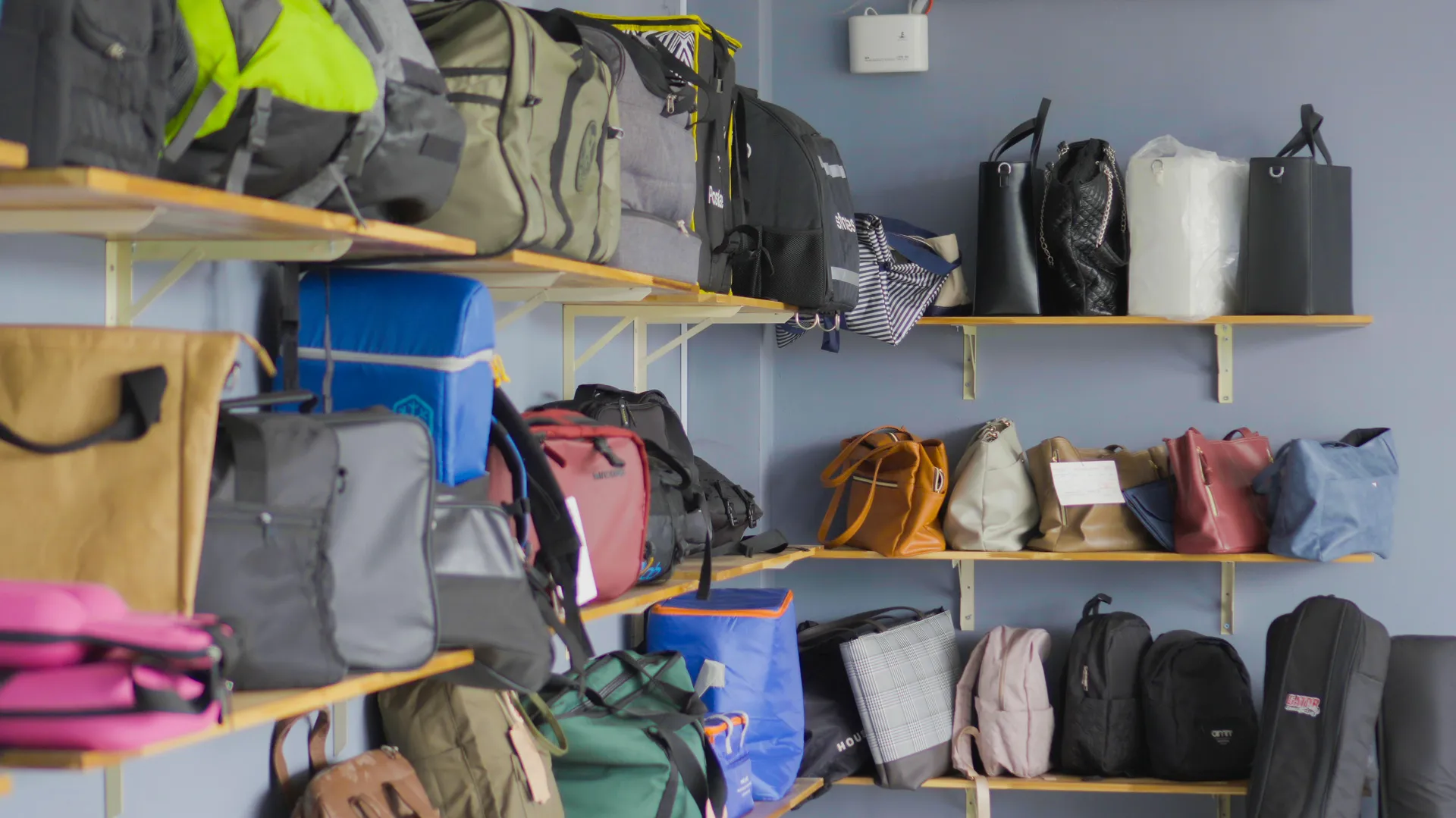
The global demand for wholesale backpacks in bulk continues to rise as retailers, distributors, schools, promotional companies, and private label brands expand their product offerings to meet growing consumer demand. Whether for education, business, travel, outdoor activities, or corporate events, today’s backpacks must combine durability, comfort, functional design, and consistent quality to remain competitive in international markets.
For businesses purchasing backpacks in large quantities, working directly with a factory offers significant advantages beyond cost savings. Factory-direct sourcing provides greater control over product quality, customization, production scheduling, and supply chain efficiency while reducing communication gaps often associated with intermediaries. Choosing an experienced manufacturing partner with OEM/ODM capabilities and export-ready production systems can help buyers secure reliable supply, maintain consistent product standards, and scale their business with confidence. In this article, we explore why factory-direct sourcing has become the preferred strategy for companies purchasing wholesale backpacks in bulk for global distribution.
Understanding the strategic advantages of bulk backpack procurement
Navigating the global market for high-quality carry solutions requires a focus on supply chain efficiency. When companies source wholesale sports backpacks or professional gear directly from the production source, they gain greater visibility into the entire manufacturing cycle. This transparency is crucial for maintaining consistent product quality and reliable inventory levels.
Optimizing procurement costs through direct factory partnerships
Working as a direct partner with a specialized manufacturer allows brands to significantly reduce the cost per unit. By removing brokers and traders from the process, companies secure clearer communication and more predictable pricing structures. This is a critical advantage when searching for reliable bulk mini backpacks or specialized equipment.
| Advantage Type | Impact for Global Brands | Cost Reduction Potential |
|---|---|---|
| Direct Factory Link | Improved communication speed | Moderate to High |
| Bulk Economies of Scale | Reduced production unit costs | High |
| Quality Oversight | Fewer defects and returns | Significant Savings |
When brands eliminate layers in the supply chain, they create a stronger foundation for long-term growth and margin stability in competitive markets.
Reducing lead times for efficient global distribution
Lead times remain a major challenge in today’s fast-moving retail environment. Efficient scheduling between the factory and the final destination determines market responsiveness. Manufacturers that utilize modern production planning can drastically cut down on wait times, ensuring stocks are replenished before demand spikes.
Scaling inventory capacity to meet seasonal market demand
Inventory planning must align with the fluctuations of annual retail cycles. A flexible manufacturing partner capable of scaling capacity helps organizations build stock during slow periods and ramp up during peak shopping seasons. This ability to handle volume is what separates a basic supplier from a long-term strategic ally.
The role of technical engineering in high-precision backpack manufacturing
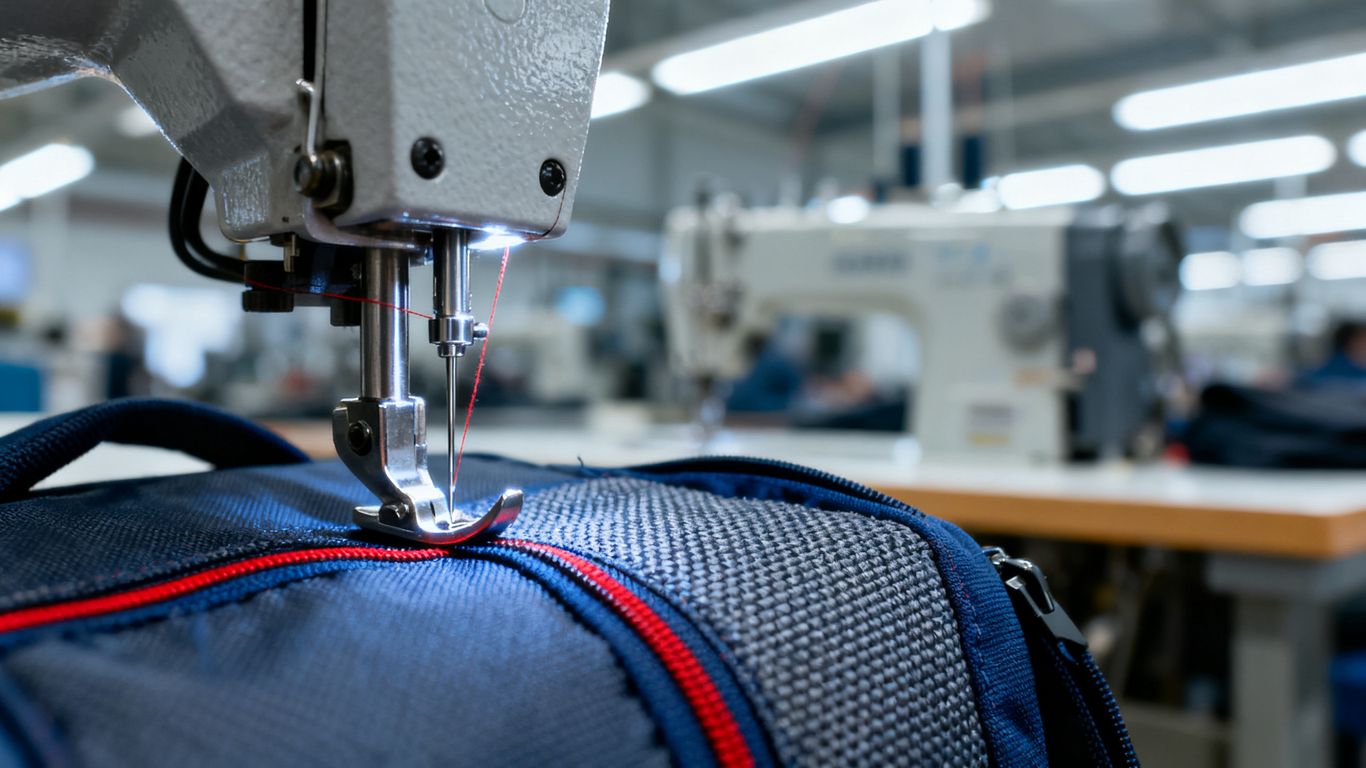
Modern carry solutions require more than standard stitching or generic fabrics. High-performance bags, such as those designed for professional toolkits or high-intensity sports, demand a specialized approach to technical construction. Engineers must analyze material stress points to ensure that backpacks perform consistently under heavy loads.
The role of technical engineering in high-precision backpack manufacturing
Moving beyond basic garment construction
Techniques used in general apparel simply do not suffice for industrial-strength goods. A dedicated backpack manufacturer incorporates reinforced structures that general garment shops often lack. This focus on durability is why professional gear manufacturers prioritize advanced material science in every production phase.
Integrating ergonomic design and load-bearing performance
An ergonomic design isn’t just about comfort; it is about weight distribution and strain reduction during prolonged use. Engineers look at how straps, back panels, and internal frame sheets interact to support heavy loads effectively. These design decisions ensure that users remain supported even when the bag is filled to maximum capacity.
Exceptional performance in technical bags stems from the understanding that every seam and strap must contribute to the overall structural integrity of the product.
By focusing on internal support systems, manufacturers produce goods that protect both the user and the equipment stored inside.
Utilizing advanced CAD-based tech packs for prototype accuracy
Digital tools are now essential for ensuring consistency from the first proto to the final bulk order. Detailed CAD designs provide precise instructions on material cutting, zipper placement, and hardware integration. This mathematical precision eliminates guesswork, ensuring that complex wholesale laptop backpacks are produced to exact specifications without errors.
Essential quality control and stress testing for durable goods
Ensuring that products meet high performance standards requires more than visual inspections. Developing prototypes that can handle real-world challenges is at the core of successful manufacturing. Through consistent stress testing, brands confirm that their gear remains functional in harsh conditions, maintaining their reputation for reliability.
Developing prototypes engineered for real-world endurance
Before a new design enters mass production, it undergoes a series of performance tests. These assessments include weight-loading checks, zipper cycle testing, and fabric puncture resistance, mirroring the daily stresses the product will face. By simulating these conditions, factories refine prototypes to ensure they meet target durability metrics.
Implementing rigorous inspection protocols for components and stitching
Quality assurance happens at every operational stage rather than only at the end. Workers systematically verify the tension of stitching, the reliability of buckles, and the strength of webbing materials. This iterative checking process prevents defects in wholesale backpack manufacturers projects and protects the integrity of the entire order.
Ensuring manufacturing consistency across large-scale production batches
Scaling production does not mean sacrificing quality if the environment is built for consistency. The following checklist outlines the essential steps for maintaining production standards during large-volume runs:
- Regular calibration of automated cutting tools for material precision.
- Scheduled inspections of sewing machine maintenance for stitch consistency.
- Continuous tracking of component quality from hardware suppliers.
- Final quality approval of all components before bulk assembly begins.
- Batch testing samples throughout the assembly process for compliance.
These protocols enable brands to deliver a consistent product to every customer, regardless of the order size.
Customization capabilities for unique brand requirements
Customization allows brands to differentiate their offerings within a saturated market. Whether integrating a client’s logo or developing a new internal compartment layout, customization options are vital. Working with a versatile backpack supplier enables brands to meet specific design and functional benchmarks while keeping production timelines on track.
Tailoring material selection for industrial, sports, and promotional use
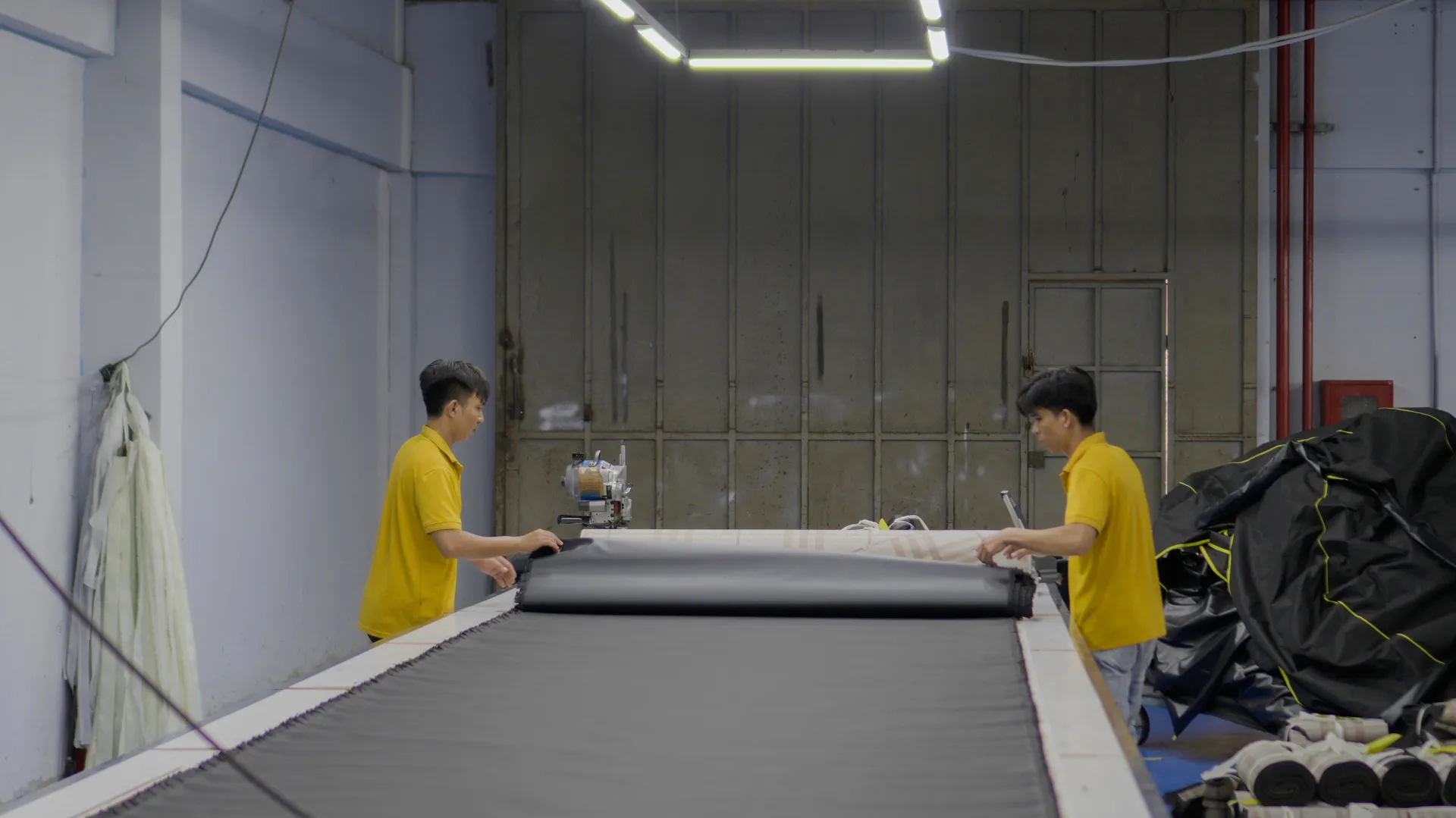
Material requirements vary significantly based on the intended use case. Industrial bags need high-denier fabrics for tear resistance, while promotional bags focus on printability and cost-effective color options. Matching the right material to the bag’s purpose ensures performance without unnecessary over-engineering.
Tailoring material selection for industrial, sports, and promotional use
Applying precise branding and logo integration techniques
Branding must look professional and survive long-term environmental exposure. Whether using screen printing, embroidery, or silicone heat transfers, the application must be durable. Experienced factories guide partners in choosing the best methods to ensure logos remain crisp after months of daily, heavy-duty wear.
Designing specialized internal compartments for electronics and professional toolkits
Internal organization separates high-value bags from low-end alternatives. Designing shock-absorbing pads for electronics or modular pockets for tools requires specific technical skill sets. By providing these storage solutions, brands offer greater utility that customers look for in their everyday gear.
Navigating international logistics for large-scale wholesale orders
Managing global distribution is as much about logistics as it is about manufacturing. Compliance with regional regulations ensures that goods pass through customs without costly delays. Working with manufacturing partners that understand international shipping standards creates a seamless flow of goods from the factory floor to the final point of sale.
Managing export compliance for markets in the USA, Australia, and Europe
Different regions have distinct labeling, testing, and safety requirements. A knowledgeable factory understands the documentation needed for successful entry into major international hubs, such as BagsInBulk.com, or other popular suppliers might observe for domestic distribution. This expertise prevents administrative bottlenecks that occur when documentation is incomplete.
Matching volume production schedules with warehouse fulfillment needs
Syncing output with retail calendars helps avoid stock-outs during demand peaks. Bags In Bulk operates as a backpack whistleblower of information, showing that planning for lead times associated with logistics is as important as the manufacturing process itself. Factories that communicate capacity clear-headedly allow brands to synchronize their marketing campaigns with available inventory.
Balancing shipping efficiency to minimize transit costs
Shipping costs fluctuate based on volume and transport method chosen. By optimizing how goods are packed and palletized, manufacturers help brands reduce shipping footprints and lower overall logistics costs. Efficient packing techniques allow more units per container, which directly impacts the total landed cost of the inventory.
Selecting the right OEM/ODM manufacturing partner in Vietnam
Vietnam has emerged as a premier manufacturing hub for high-quality bag production, attracting global brands seeking technical precision, flexible OEM/ODM capabilities, and export-ready manufacturing. The industry has evolved beyond basic assembly, with modern factories investing in advanced engineering, strict quality control, and value-added production to meet international market standards.
Evaluating factory capacity for long-term scalability
Select a partner that grows alongside your market presence. A factory must have the floor space, labor, and machinery necessary to handle rapid order spikes without requiring a sudden drop in quality benchmarks.
Assessing the shift from general garment assembly to specialized engineering
Many factories are shifting their focus to meet the demand for technical soft goods. This shift requires specific machinery and worker training that general clothes-makers do not typically maintain. ShirtSpace and other platforms highlight the diversity of suppliers, but discerning buyers must seek those that highlight engineering as a core competency rather than an afterthought.
Building a collaborative, turnkey relationship for new product development
True partnership is defined by deep collaboration through the prototype phase. A turnkey manufacturer handles everything from material sourcing to quality assurance, effectively acting as an extension of the brand’s own team.
Partner with Bola Bag for Wholesale Backpacks in Bulk
At Bola Bag, we help retailers, distributors, promotional companies, schools, and private label brands source high-quality wholesale backpacks in bulk through professional OEM/ODM manufacturing and factory-direct production. Our experienced team supports custom product development, material selection, branding, packaging, and large-scale manufacturing to meet the demands of international markets.
From school backpacks and travel backpacks to laptop backpacks, sports backpacks, and promotional collections, our factory delivers consistent quality, flexible customization, and reliable production capacity backed by strict quality control and export-standard manufacturing processes.
If you are looking for a dependable partner for wholesale backpacks in bulk, contact Bola Bag today to request a quotation, discuss your project requirements, and discover how our factory can support your long-term sourcing and global distribution strategy.
Conclusion
Success in the wholesale carry goods industry requires more than just access to affordable bags; it demands a strategic alignment between rigorous technical engineering, efficient global logistics, and consistent manufacturing quality. By partnering with specialized high-precision factories that prioritize durable, functional design, global brands can scale their operations and meet the evolving needs of their customers with confidence and precision.
Read more: Custom Wholesale Tool Bags for OEM and Private Label Brands


BOLA BAG's BLOG YOU MAY ALSO BE INTERESTED IN
What Is Efficiency in Garment Industry Terms? The Formula, a Worked Example and What Moves the Number
Securing Production Continuity with the Bola Bag Fire Safety Drill
How Much Does It Cost to Manufacture a Backpack? A Breakdown for Brand Founders