


Manufacturing a backpack rarely comes down to a single number, no matter how many suppliers try to answer that question with one. The real cost is built from several layers stacked on top of each other: fabric and lining, hardware and zippers, labor and construction complexity, tooling and sampling, and finally freight and duties once the product leaves the factory. This breakdown walks through each of those cost drivers so brand founders can understand what actually shapes a backpack’s per-unit price, and why two quotes for what looks like the same bag can end up thousands of dollars apart once production begins.
Understanding the Real Cost Drivers Behind Backpack Manufacturing
We are frequently asked a deceptively simple question: how much does it cost to manufacture a backpack? The honest answer is that there is no single figure. Backpack manufacturing costs vary widely across factories because price is determined by a combination of raw materials, construction complexity, hardware selection, labor rates, and order volume. Rather than expecting a flat quote, we encourage founders to think in terms of cost ranges tied directly to their specifications. Understanding these variables in detail is the first step toward budgeting realistically for any bag program, whether it is a single prototype or a full product line.
Why a Single Price Point Rarely Exists
A basic drawstring bag and a technical hiking backpack with multiple compartments will never share the same production cost, even if both are called “backpacks.” The number of panels, the type of stitching, the presence of foam paneling, and the complexity of the harness system all add labor hours and material usage. Anyone asking how much does it cost to manufacture a backpack needs to first define exactly what kind of backpack they are describing, because the answer changes dramatically based on design intent, intended use case, and target market. Two brands requesting quotes on the same day, for the same category of bag, can receive very different numbers simply because one specified premium hardware and the other left those details open to interpretation.
Breaking Down the Core Cost Components
To move from a vague estimate to a workable budget, it helps to separate the total unit cost into its individual components. Most custom backpack manufacturers will quote based on these categories, either as a single itemized breakdown or as a bundled per-unit price.
Fabric and Material Selection
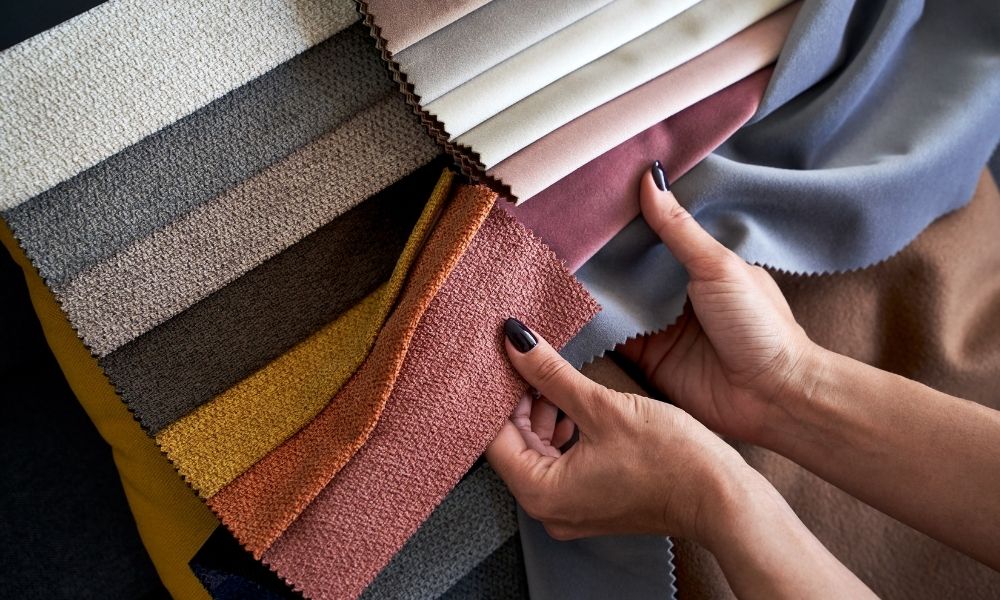
Fabric typically represents one of the largest line items in backpack production. Cordura, known for its abrasion resistance, sits at a higher price point than standard Ripstop or Canvas, but it also extends product lifespan significantly. Heavier denier fabrics cost more per yard and increase shipping weight, which can affect landed cost for international brands. Lining materials, water-resistant coatings, and reinforced base panels all add incremental cost as well. When evaluating how much does it cost to manufacture a backpack, fabric choice is often the single variable with the greatest impact on the final quote, since it influences not only the material price itself but also the machinery and handling required during cutting and sewing.
Fabric and Material Selection
Hardware and Trims
Zippers, buckles, webbing, sliders, and D-rings may seem like minor details, but hardware quality directly affects both cost and perceived product value. Branded zipper pulls, YKK zippers, and metal hardware cost more than generic alternatives, yet they also reduce field failures and warranty claims. Brands producing outdoor or industrial-grade bags typically insist on higher hardware specifications, which raises per-unit cost but protects long-term brand reputation. Founders who skip this detail often find that the initial savings on hardware are quickly offset by returns, complaints, or reputational damage once the product reaches real-world use.
Construction Complexity and Labor
Bar-tack stitching at stress points, multiple compartments, laser-cut foam panels, and heat-sealed seams all require more skilled labor and machine time than a simple single-compartment design. Labor rates vary by region, but complexity is the multiplier that determines how many minutes of skilled labor go into each unit. A backpack with a padded laptop sleeve, a hydration port, and a molded back panel will always cost more to produce than a flat tote-style bag, regardless of fabric choice. This is a critical point for anyone trying to estimate how much does it cost to manufacture a backpack from a distance, without yet having a finalized construction plan.
How Minimum Order Quantity (MOQ) Affects Per-Unit Cost
Order volume is one of the most underestimated factors when founders try to calculate how much does it cost to manufacture a backpack. Setup costs, including pattern cutting, sample approval, and machine calibration, are largely fixed regardless of quantity. When these fixed costs are spread across a larger production run, the per-unit price drops. This is why wholesale backpack manufacturers often present tiered pricing structures, with meaningful discounts appearing at higher MOQ thresholds. Brands placing smaller initial orders should expect a higher per-unit cost, which typically decreases as order volume scales toward standard production runs. Understanding this relationship early allows founders to plan their initial launch quantity with realistic expectations rather than assuming the sample-run price will hold at scale.
Custom Backpack Manufacturers vs General Garment Factories
Not every factory that produces soft goods is equipped to handle technical backpack construction. General garment factories are often optimized for apparel, with sewing lines and quality control processes built around fabric that behaves very differently from structured, multi-layer backpack panels. Custom backpack manufacturers, by contrast, specialize in heavy-duty tolerances, reinforced seam allowances, and the specific machinery required for webbing attachment and foam paneling. While specialized factories may appear to quote slightly higher upfront, they frequently reduce total cost by minimizing defect rates, rework, and shipment delays that arise when general factories attempt technical bag construction outside their core competency. For founders comparing quotes, this distinction often explains why two seemingly similar numbers can represent very different levels of production risk.
Working with Wholesale Backpack Manufacturers for Scale
Once a design has been validated through sampling, many brands shift focus toward wholesale backpack manufacturers capable of supporting export-ready volume. At this stage, the conversation moves beyond a single prototype cost and toward sustained production economics: raw material sourcing at scale, consistent quality control across large batches, and compliance with import requirements for markets such as the United States, the European Union, and Australia. Choosing a manufacturing partner with proven experience in high-volume runs helps brands avoid the common pitfall of a factory that performs well on samples but struggles with consistency once orders reach thousands of units. This transition is often where the earlier question of how much does it cost to manufacture a backpack evolves into a broader conversation about total landed cost, lead times, and long-term supply reliability.
The Role of the Tech Pack in Accurate Quoting
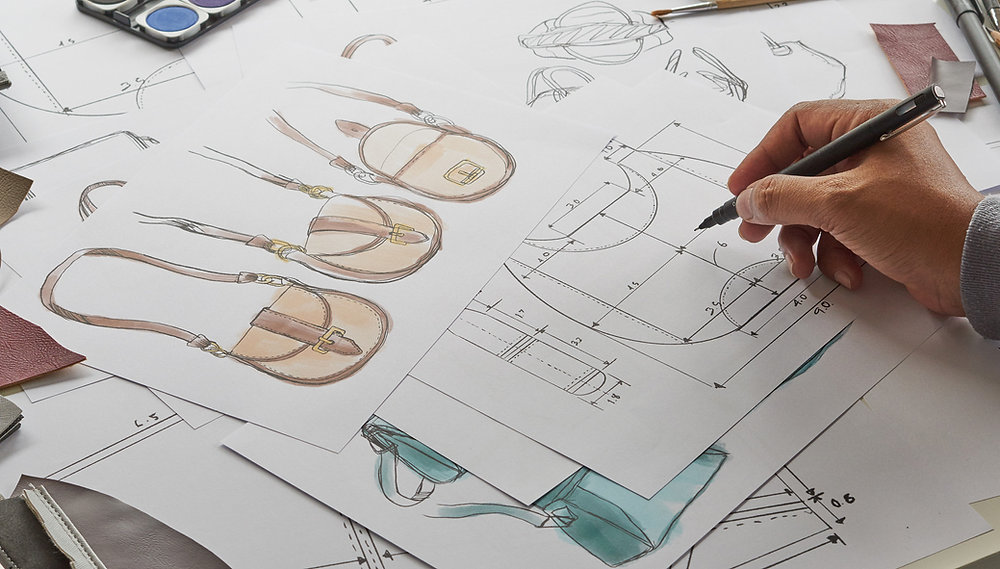
A Tech Pack is the single most important document for getting a realistic answer to how much does it cost to manufacture a backpack. Without detailed specifications, factories are forced to estimate, and estimates tend to be conservative, which inflates quotes. A strong Tech Pack includes exact fabric specifications, hardware call-outs, stitch types, panel dimensions, and construction notes. Providing this level of detail allows a manufacturer to quote each component precisely rather than applying a generic markup to cover uncertainty. Brands that invest time in Tech Pack development before requesting quotes consistently receive tighter, more accurate pricing and avoid costly revisions during production.
The Role of the Tech Pack in Accurate Quoting
Typical Cost Ranges to Expect
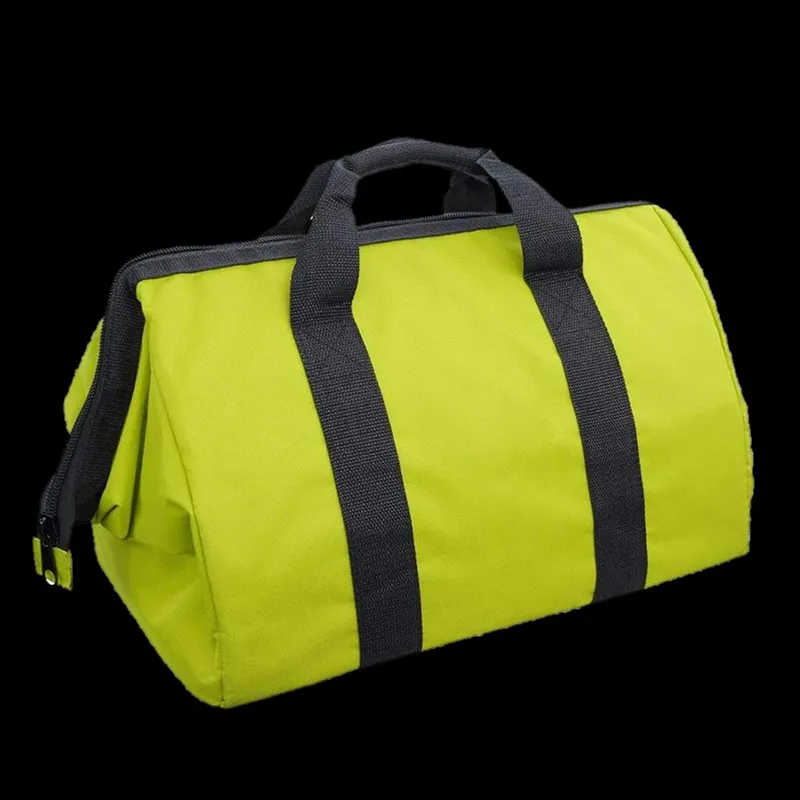
While we avoid quoting a single universal figure, it is useful to understand how costs generally scale by product category. Simple, single-compartment bags with basic canvas and standard hardware sit at the lower end of the pricing spectrum. Mid-range technical daypacks, featuring padded straps, laptop compartments, and mid-weight Cordura, occupy the middle tier. Heavy-duty industrial tool bags and technical sport backpacks, built with reinforced base panels, foam molding, and premium hardware, represent the higher end of the range. Within each tier, the actual number depends heavily on the specific fabric denier, hardware brand, and order quantity selected, which is why founders should treat published cost ranges as directional rather than exact. Anyone benchmarking how much does it cost to manufacture a backpack against a competitor’s product should also account for these tier differences before comparing figures directly.
Tips to Manage Backpack Manufacturing Costs Without Sacrificing Quality
Founders looking to control spending without compromising product integrity should consider a few practical strategies. First, prioritize fabric and hardware specifications on components that experience the most stress, such as strap attachment points and zipper pulls, while allowing more cost-effective materials on lower-stress panels. Second, consolidate hardware colors and finishes across a product line to benefit from bulk purchasing. Third, work with a manufacturer early in the design phase so that construction decisions are made with cost efficiency in mind from the start, rather than redesigning after an unexpectedly high quote. Finally, request itemized quotes rather than bundled pricing, which makes it easier to identify exactly where budget is being spent and where adjustments can be made. Applying these strategies consistently gives founders far more control over the final answer to how much does it cost to manufacture a backpack than simply accepting the first quote received.
Conclusion
There is no shortcut to a single definitive answer for how much does it cost to manufacture a backpack, because the figure is a direct reflection of design choices, material selection, hardware quality, labor complexity, and order volume. Founders who approach the question with a clear Tech Pack, a realistic sense of their target MOQ, and a manufacturing partner experienced in technical soft goods will consistently receive more accurate and more favorable pricing than those who request a generic quote without specifications. Whether working with custom backpack manufacturers on a new prototype or scaling production through wholesale backpack manufacturers for export markets, the same principle holds: precision in specification leads to precision in cost.
Read more: Garment OEM Explained: What It Means for Bags and Technical Soft Goods


BOLA BAG's BLOG YOU MAY ALSO BE INTERESTED IN
How to Do Garment Business Well: The Part Nobody Writes About
How to Run Garment Business Day to Day: The Operating Model Is the Business
How to Improve Garment Business Performance Without Buying a Single New Machine