



Understanding the Backpack Market Before You Design a Single Product
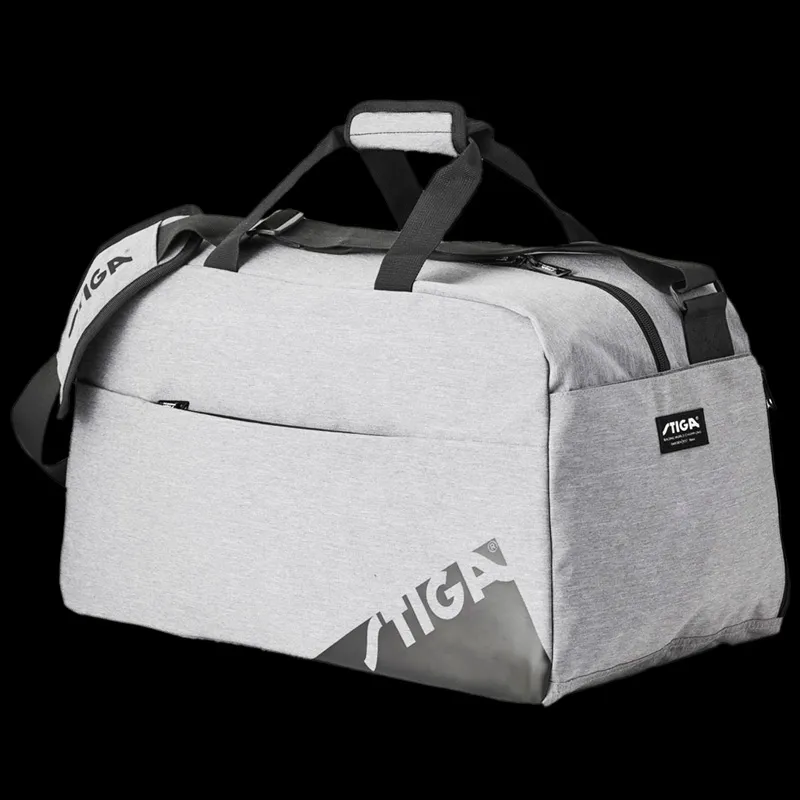
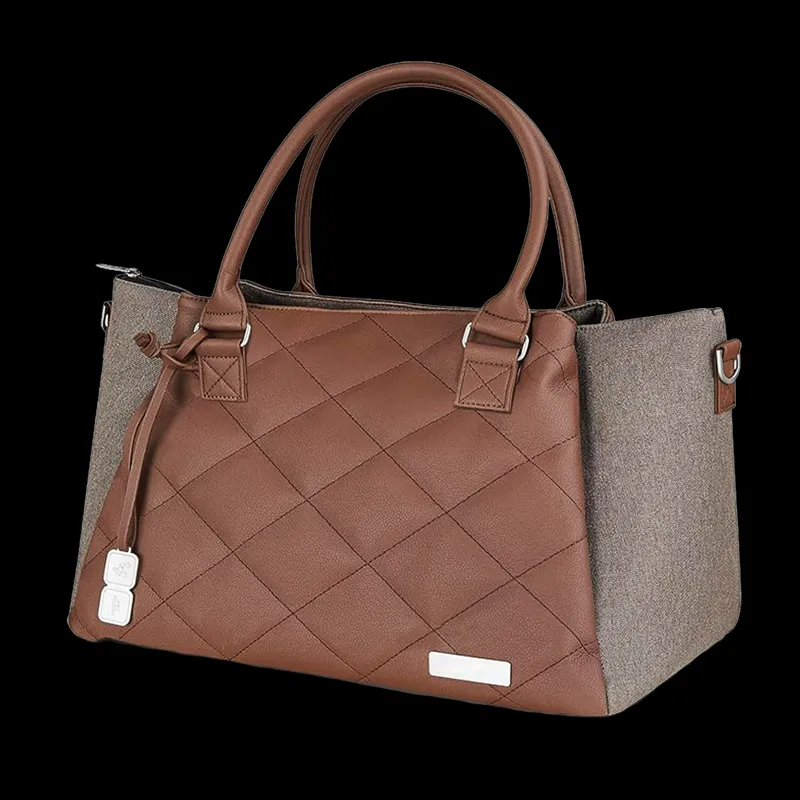
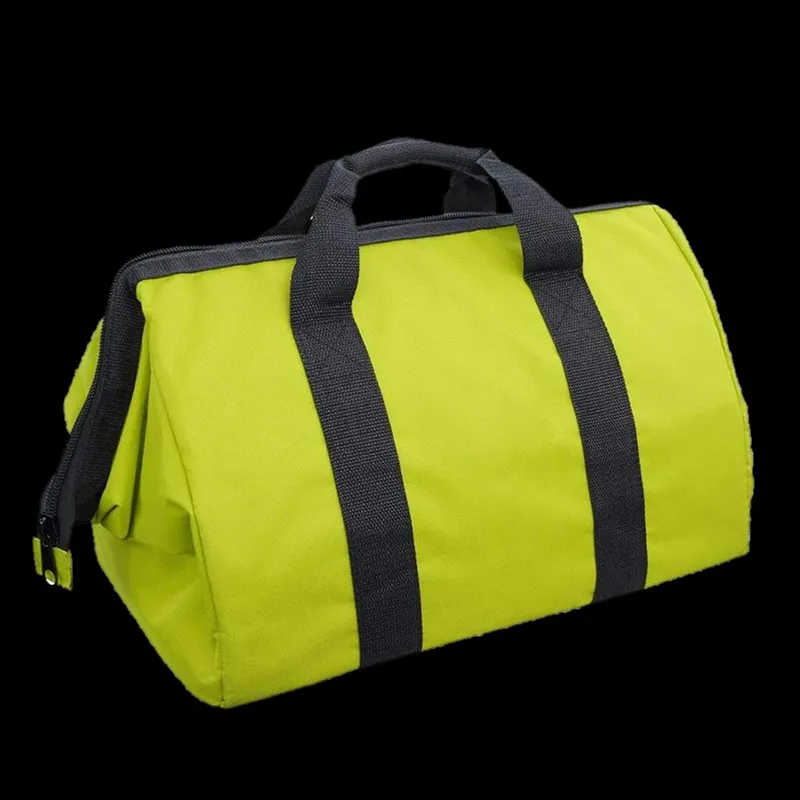
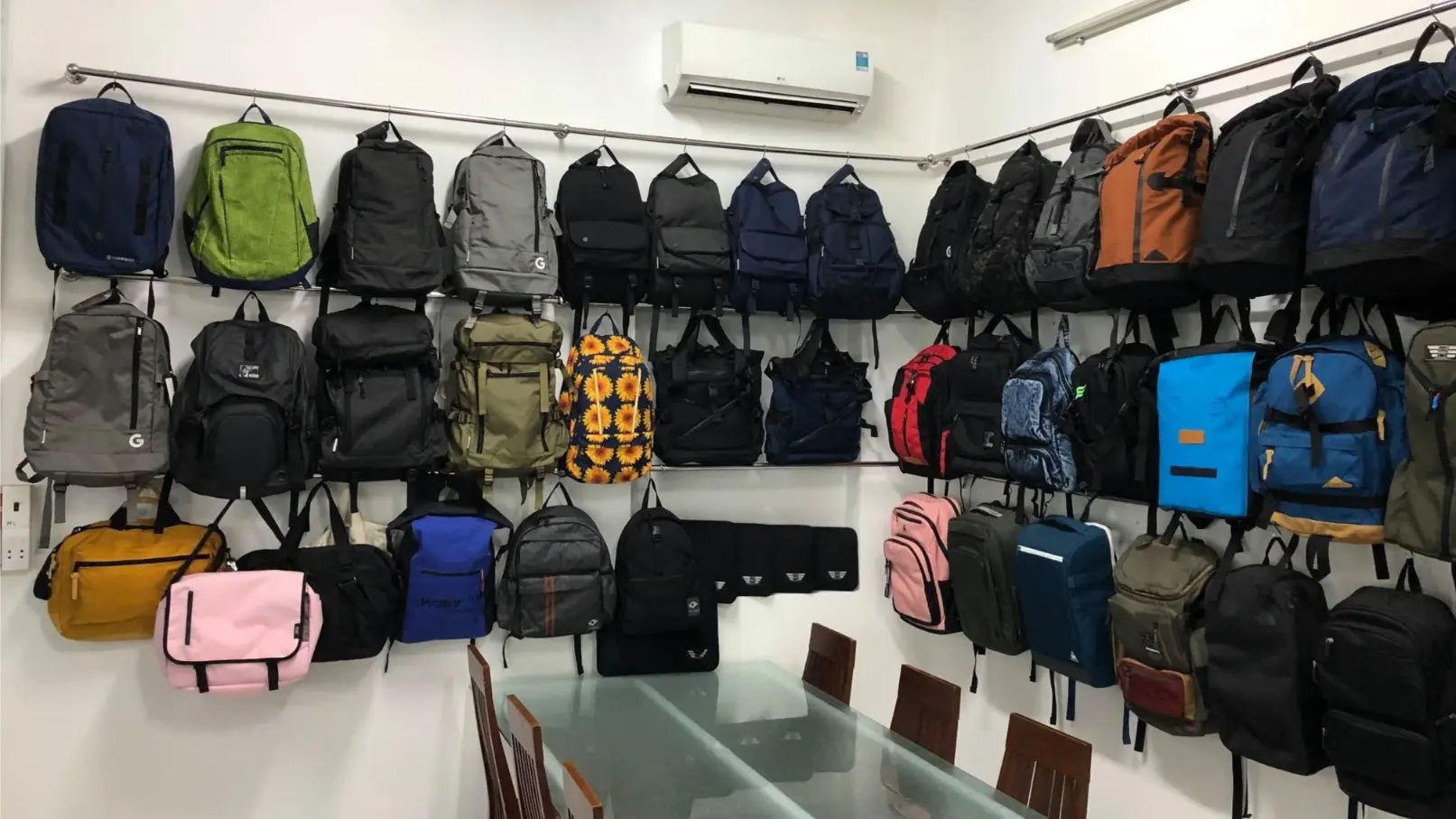
Anyone learning how to start a backpack business must first understand the market they intend to serve. Before we sketch a single strap or select a single fabric swatch, we must first understand the market we intend to serve. The backpack category is remarkably broad, spanning travel luggage, technical hiking packs, sport and athletic bags, everyday carry (EDC) designs, and industrial tool bags. Each of these niches carries distinct expectations around weight, durability, price point, and aesthetic language.
Identifying Target Users and Competitive Positioning
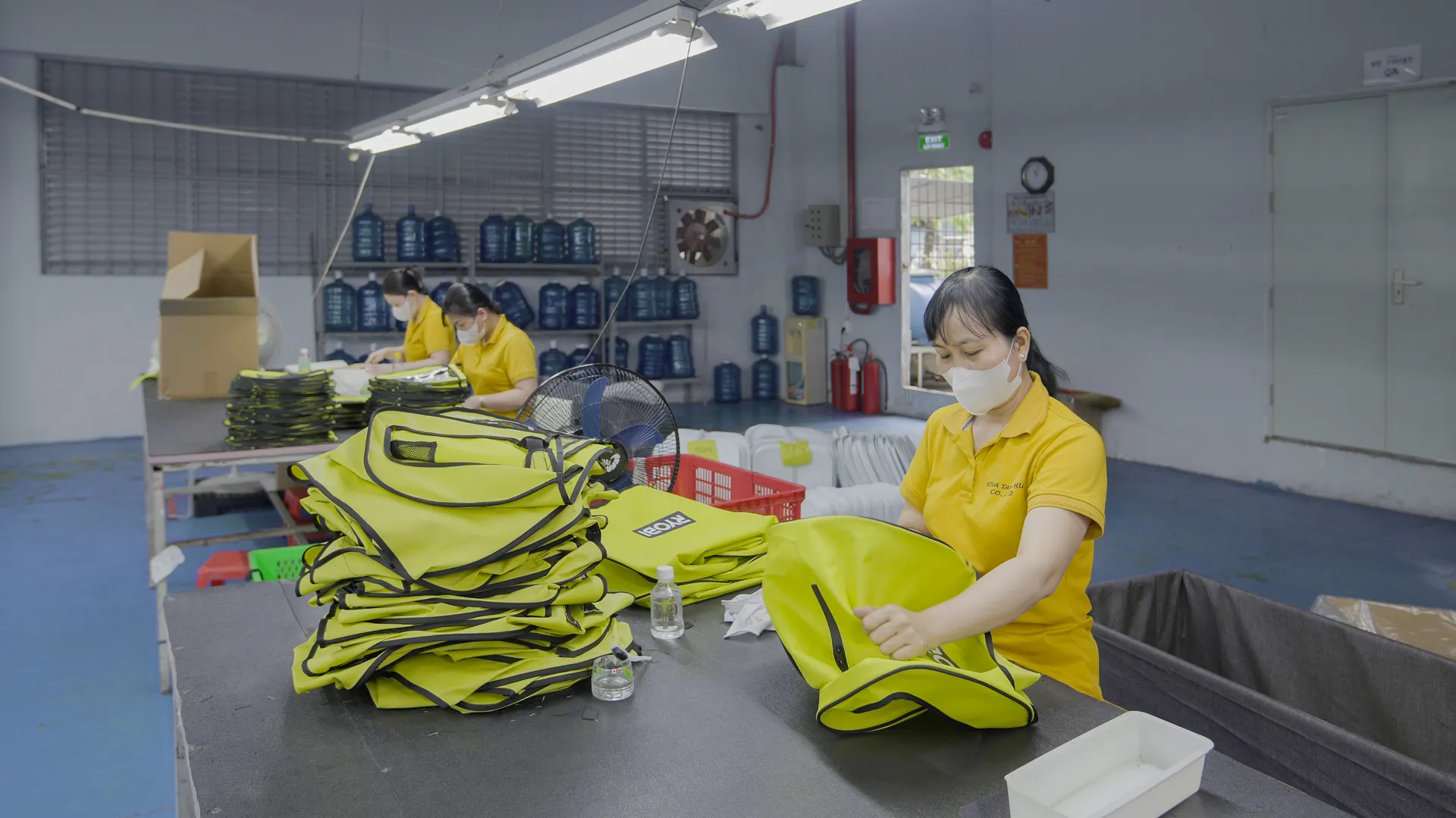
We recommend beginning with a clear definition of who will actually use the product. A commuter prioritizes organization and comfort over a full workday, while a tactical or industrial user demands abrasion resistance and load stability above all else. Studying existing competitors within the chosen niche helps establish realistic price tiers and reveals where genuine product gaps remain unaddressed.
Identifying Target Users and Competitive Positioning
Why Early Positioning Dictates Later Engineering Decisions
It is worth emphasizing that every material and construction choice made later in the process depends entirely on this early positioning. A lightweight travel backpack and a heavy-duty tool bag are, functionally, two entirely different engineering problems, even though both are technically “backpacks.” This is precisely why any serious plan for how to start a backpack business begins with positioning rather than production.
Building a Foundational Concept: Sketches, Use-Cases, and Functional Requirements
Once positioning is clear, we translate the concept into functional requirements. This means defining capacity in liters, the environments the bag will encounter, load distribution needs across the shoulders and back panel, and realistic durability expectations over the product’s lifespan.
Documenting Use-Cases in Detail
We encourage founders to document specific use-cases such as daily commuting, multi-day hiking, tactical carrying, or tool transport. These use-case notes become the foundation for material and hardware selection later in the development process, and they prevent costly misalignment between design intent and finished product performance.
From Sketch to Functional Brief
Rough sketches are useful for communicating silhouette and pocket configuration, but they must eventually be paired with a written functional brief outlining weight limits, compartment logic, and intended wear conditions before any technical development begins.
Why Fabric Selection Defines Product Quality and Cost
Fabric choice is arguably the most consequential decision in the entire development process, directly influencing durability, weight, water resistance, and unit cost.
Cordura and Ripstop for Abrasion and Tear Resistance
Cordura fabrics offer exceptional abrasion resistance and are well suited to technical and industrial applications, while Ripstop nylon resists tearing through its reinforced weave pattern, making it ideal for lightweight travel and outdoor gear.
Nylon, Canvas, and PU Coatings
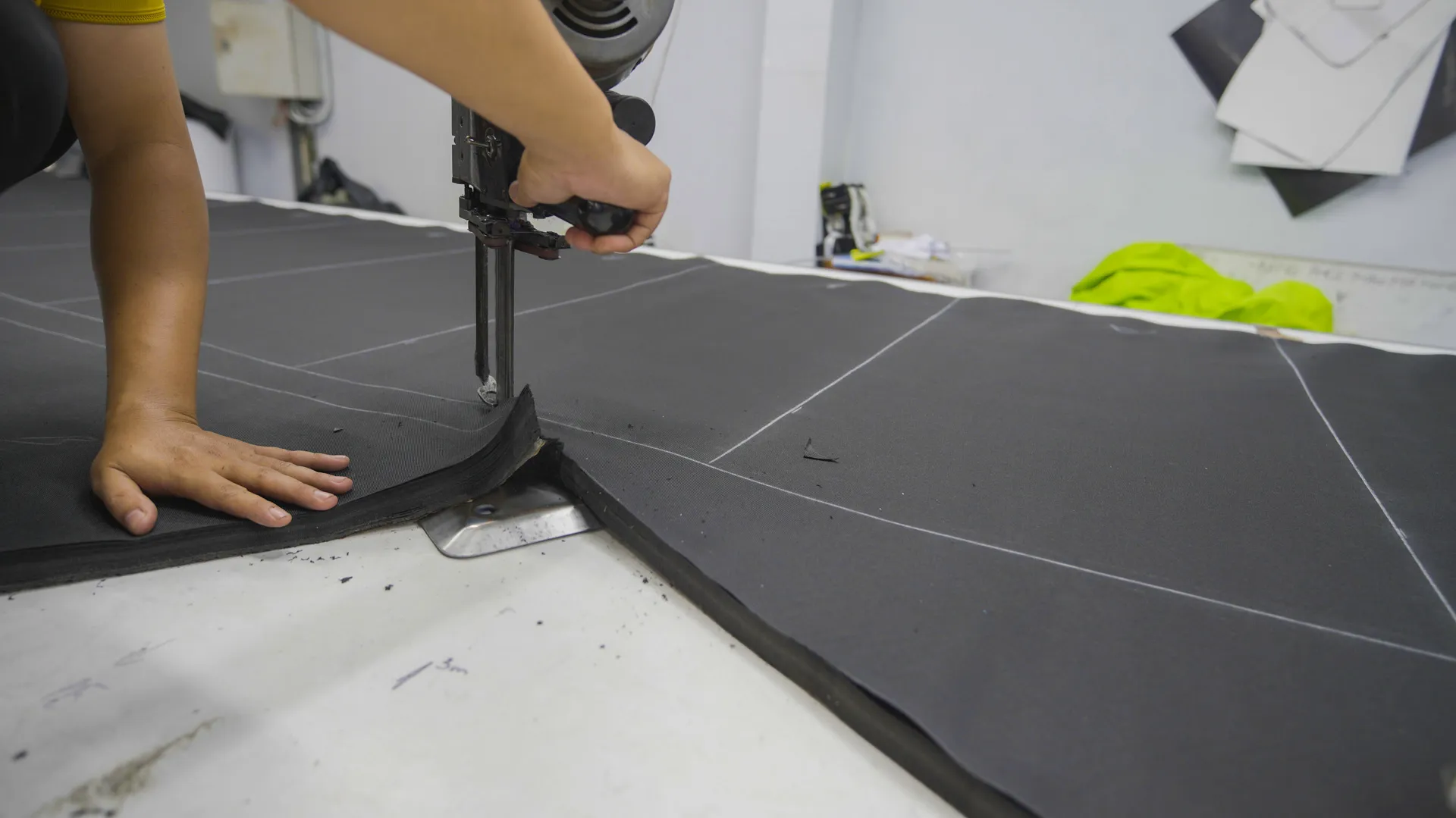
Standard nylon offers a balance of weight and cost efficiency for everyday bags, while canvas provides a heavier, more rigid aesthetic favored in casual and lifestyle segments. PU coatings, applied to many of these base fabrics, add water resistance at a relatively low cost increase, though they require careful handling during stitching to avoid coating damage.
Nylon, Canvas, and PU Coatings
Matching Fabric to Use-Case and Tolerance Requirements
A lightweight travel bag can tolerate thinner deniers and simpler coatings, whereas a heavy-duty industrial tool bag demands thicker, more abrasion-resistant textiles and tighter manufacturing tolerances. Matching fabric to the use-case defined earlier is not optional; it is the mechanism by which product quality and cost are ultimately controlled.
Selecting Hardware That Withstands Real-World Use
Hardware components, though often overlooked, are frequently the first point of failure in poorly engineered bags.
Zippers, Buckles, and Webbing
Reputable zipper brands such as YKK are widely regarded for their consistency and long-term reliability under repeated use. Buckles, webbing, and D-rings must similarly be rated for the expected load, particularly on bags intended for heavy or uneven carrying conditions.
Hardware as a Common Failure Point
We have observed that mismatched hardware, selecting components rated below the bag’s real-world load demands, is one of the most common failure points for new brands entering the market without dedicated engineering guidance. Hardware selection directly affects both perceived value and long-term durability.
What Is a Tech Pack and Why It Is Non-Negotiable for Manufacturing
A Tech Pack is the technical blueprint of a bag, containing precise measurements, material specifications, stitch types, hardware details, and construction instructions. Anyone researching how to start a backpack business quickly learns that this single document shapes nearly every later conversation with a manufacturer.
Why Manufacturers Require a Complete Tech Pack
Without a complete Tech Pack, any backpack manufacturer is forced to make assumptions, which inevitably leads to inaccurate quoting and costly revisions once production has already begun. A well-prepared Tech Pack allows a manufacturing partner to quote accurately and produce consistent samples from the very first attempt.
Core Components of a Strong Tech Pack
At minimum, a Tech Pack should include flat sketches with labeled dimensions, a full bill of materials, stitch and seam specifications, hardware placement, and colorway details for every component.
Engineering Considerations: Stitching, Reinforcement, and Load-Bearing Design
The structural integrity of a backpack depends heavily on stitching technique and reinforcement strategy.
Bar-Tack Stitching and Stress Points
Bar-tack stitching is applied at high-stress points such as strap attachments and handle joints, distributing force across a wider area to prevent tearing under repeated strain.
Foam Paneling and Structural Support
Foam paneling provides shape retention and back-panel support, particularly important for bags designed to carry heavy or unevenly distributed loads over extended periods.
Why These Details Separate Specialized Factories From General Garment Producers
These engineering elements, bar-tacking, foam paneling, and reinforced stress points, are precisely the details that separate dedicated technical bag manufacturers from general garment factories, which are typically optimized for soft, flexible apparel rather than structural load-bearing goods.
Prototyping: Turning a Tech Pack Into a Physical Sample
Once a Tech Pack is finalized, the next step is physical prototyping.
The Value of Rapid Iteration
Rapid sampling, ideally within a 7 to 10 day window, allows founders to test fit, function, and durability before committing to bulk production. Faster iteration cycles reduce both financial risk and time-to-market.
Refining Fit, Stitching, and Hardware Placement
Multiple prototype rounds are typically required to refine stitching accuracy, hardware placement, and overall ergonomics. We consider this iterative process essential rather than optional, as it is far less costly to revise a sample than to correct an entire production run.
Choosing the Right Manufacturing Partner for Bags and Technical Soft Goods
Selecting a manufacturing partner is one of the most consequential decisions a founder will make when figuring out how to start a backpack business that can scale reliably.
Why Specialized Bag Manufacturers Differ From General Apparel Factories
Specialized custom backpack manufacturers possess dedicated equipment and expertise for heavy-duty tolerances, structural stitching, and technical soft goods that general apparel factories typically lack. This specialization directly impacts the durability and consistency of the finished product.
Evaluating Export Compliance History
We recommend evaluating any prospective backpack supplier’s export compliance history, particularly for demanding markets such as the USA, EU, and Australia, as established export experience significantly reduces risk for brands entering international distribution.
Understanding Minimum Order Quantities and Production Scaling
Minimum order quantities (MOQs) vary considerably depending on design complexity, fabric selection, and hardware customization.
Factors Influencing MOQ
Highly customized hardware, unique colorways, and complex construction details typically raise MOQs, while simpler designs using stock materials generally allow for lower initial commitments.
Scaling From Validation Runs to Export Volumes
We advise founders to plan production scaling strategically, beginning with smaller validation runs to test market response before advancing toward larger, export-ready volumes as demand grows and working with wholesale backpack manufacturers becomes necessary to meet scale. This staged approach is one of the most reliable ways to manage risk while learning how to start a backpack business without overcommitting capital too early.
Quality Control: What Founders Should Expect During Production
Quality control is particularly critical for backpacks given their structural load requirements.
Key Checkpoints During Production
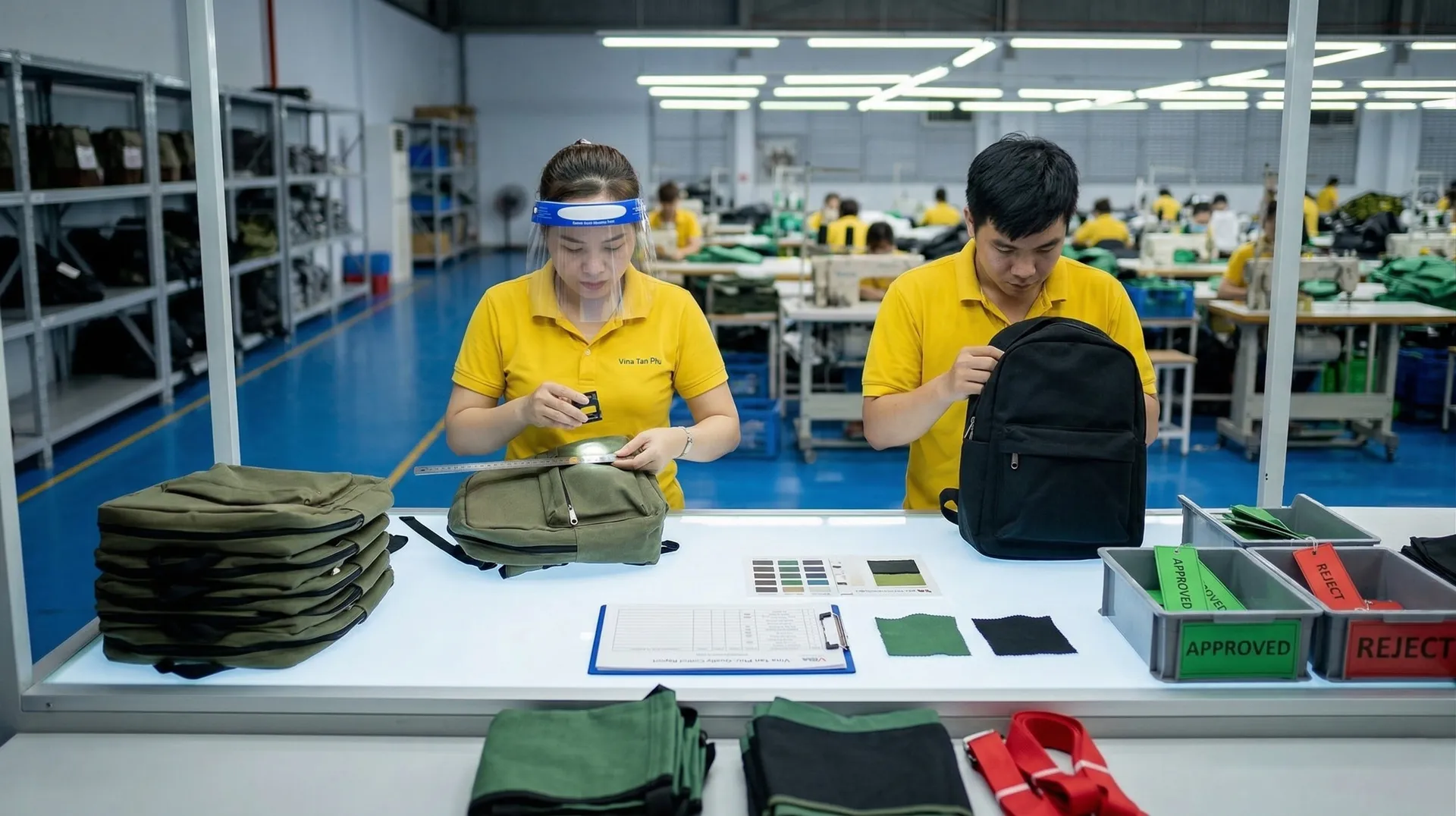
Founders should expect checkpoints covering stitching consistency, seam strength, zipper function, and finished dimensional accuracy throughout the production run rather than only at final inspection.
Why Backpacks Demand Stricter QC Than Many Soft Goods
Because backpacks carry weight and endure repeated mechanical stress, structural failures are far more consequential than they would be in purely decorative soft goods, making rigorous quality control a non-negotiable part of the manufacturing relationship.
Why Backpacks Demand Stricter QC Than Many Soft Goods
Export Readiness: Compliance Standards for Global Markets
Bringing a backpack to international markets requires attention to regional compliance standards.
Labeling, Safety, and Material Standards
Markets such as the USA, EU, and Australia often maintain specific requirements around labeling, material safety, and product testing that must be addressed prior to shipment.
The Value of Export-Experienced Manufacturing Partners
Working with a manufacturing partner that has established export experience across these regions substantially reduces compliance risk for brands entering international markets for the first time.
Basic Bag Care and Maintenance Guidance for End Users
Educating end users on proper care extends product lifespan and reinforces brand reputation.
Cleaning Technical Fabrics and Coatings
We recommend spot-cleaning with mild soap and water for most technical fabrics, avoiding harsh detergents that can degrade PU coatings or weaken fabric fibers over time.
Protecting Water-Resistant Coatings and Hardware
Users should avoid prolonged sun exposure, which can accelerate coating breakdown, and periodically check zippers, buckles, and stitching for early signs of wear before minor issues become structural failures.
Proper Storage Practices
Storing backpacks in a dry, ventilated space, rather than compressed or damp conditions, helps preserve both fabric integrity and foam structure over the long term.
Common Mistakes New Backpack Brands Make and How to Avoid Them
Through experience, we have identified recurring pitfalls among first-time founders entering the backpack category, particularly those still learning how to start a backpack business without prior manufacturing exposure.
Incomplete Tech Packs and Fabric Mismatches
Submitting an incomplete Tech Pack, or selecting a fabric that does not match the intended use-case, is among the most common sources of costly revisions during production.
Underestimating MOQs and Choosing Non-Specialized Factories
Underestimating minimum order quantities and partnering with a non-specialized backpack manufacturer rather than a dedicated technical soft goods factory frequently leads to disappointing quality and unexpected costs. Careful planning and expert manufacturing partnerships remain the most reliable safeguards against these issues, and they remain central to any realistic approach for how to start a backpack business that lasts beyond a single production cycle.
Bringing Your Backpack Concept to Life With the Right Partner
The journey from initial concept to export-ready product involves a series of interconnected decisions: defining a niche, documenting functional requirements, selecting appropriate fabrics and hardware, building a thorough Tech Pack, prototyping rapidly, and ultimately partnering with a manufacturer capable of meeting technical and export demands. At every stage, specialized bag engineering expertise, rather than general garment production, determines whether a concept becomes a durable, market-ready product. Those seeking deeper technical guidance are welcome to explore more technical bag design insights or consult the product engineering team at Bola Bag through bolabag.com.
Conclusion
Starting a backpack business requires far more than a compelling design concept; it demands disciplined planning across market positioning, materials, hardware, documentation, and manufacturing partnership selection. We have outlined a practical framework for how to start a backpack business, covering each of these stages, from initial niche definition through prototyping, quality control, and export compliance. Founders who approach the process with this level of structure are far better positioned to launch durable, market-ready products and to build lasting relationships with capable manufacturing partners.
Read more: How Much Does It Cost to Manufacture a Backpack? A Breakdown for Brand Founders


BOLA BAG's BLOG YOU MAY ALSO BE INTERESTED IN
Why a Garment OEM Factory Isn’t the Right Fit for Bag Production
OEM Garment Manufacturer: What One Actually Does and How to Choose One Without Getting Burned
How to Start Garment Business: Why Bags Need a Different Playbook