


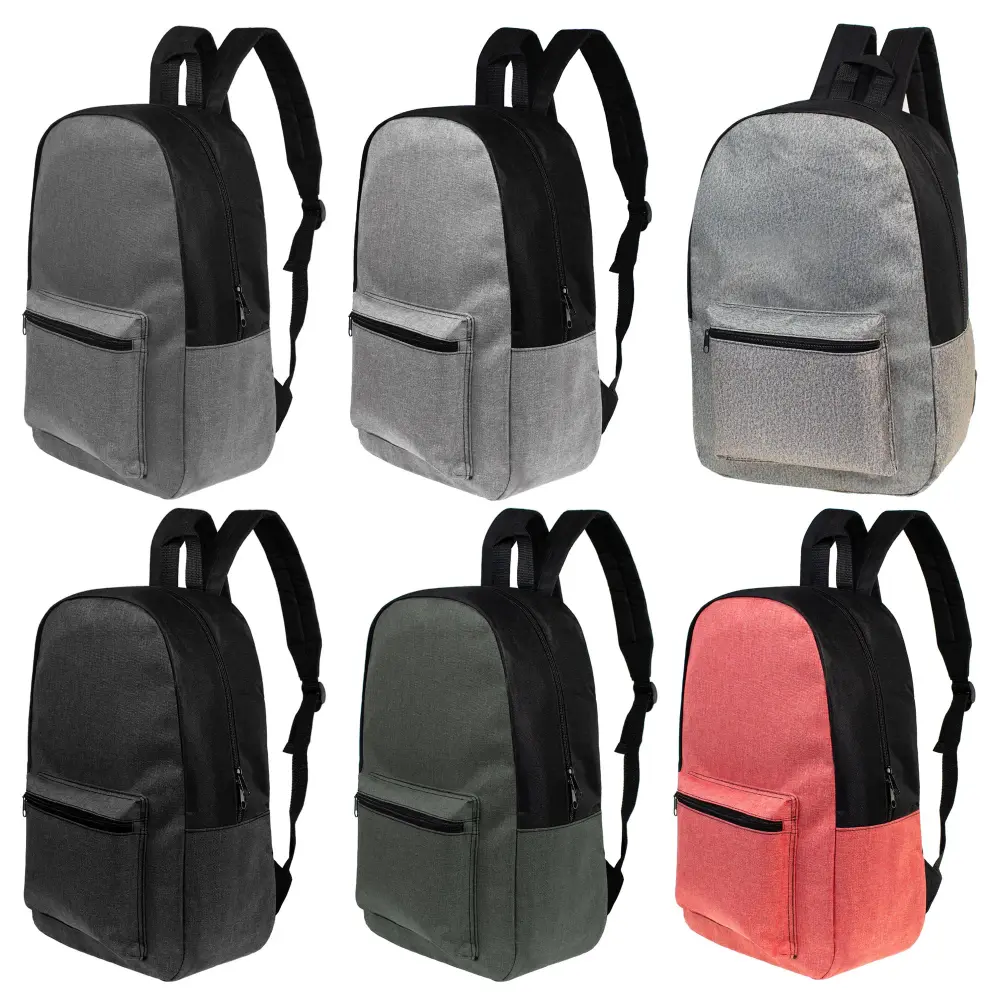
Many founders dream of launching their own brand but assume the garment industry demands massive upfront capital. When we talk to product designers and procurement managers exploring how to start garment business with low investment, we consistently point them toward one category that offers a far more accessible entry: bags. From tote bags to technical backpacks, the bag segment allows new brands to test the market, build credibility, and scale without the crushing overhead typical of full apparel lines.
Why Bags Are the Smarter Low Investment Entry Point
Bags Versus Apparel on Cost
Apparel businesses require complex sizing runs, seasonal fashion cycles, and grading across multiple sizes for every single style. Each of these steps adds cost, time, and risk. Bags, by contrast, skip most of that complexity. A backpack, tote, or tool bag typically comes in one or two sizes, with far simpler fit testing than a garment collection that must account for dozens of body types.
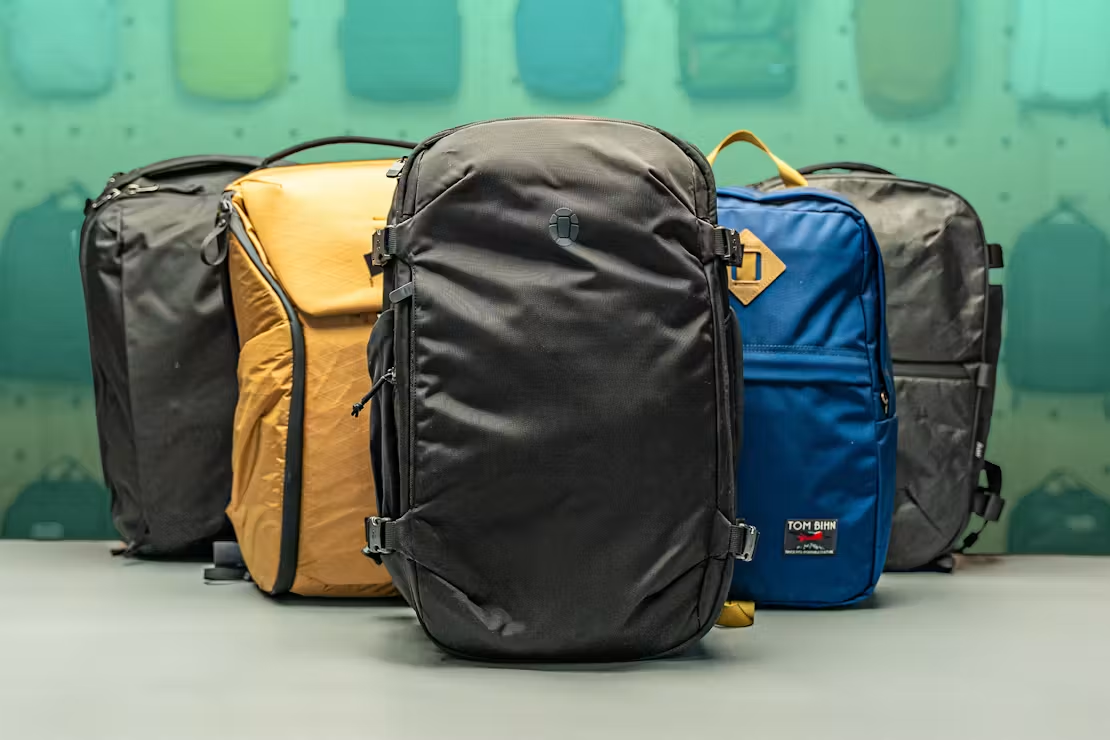
Bulk mini backpacks – Bola Bag
Why the Difference Matters on a Small Budget
We find that this structural difference matters enormously for founders working with limited capital. A smaller initial SKU count means less tooling, fewer sampling rounds, and lower fabric commitments. For anyone researching how to start garment business with low investment, entering through bags rather than clothing is a practical and often underutilized strategy within the broader soft goods industry.
Setting a Realistic Budget Before You Begin
Mapping Where Early Money Goes
Before placing a single order, we recommend mapping out exactly where early money goes. The major cost categories typically include Tech Pack development, prototyping rounds, minimum order quantities, fabric selection such as Cordura, Ripstop, or Canvas, hardware components like zippers and buckles, and shipping logistics. We encourage founders to separate one time development costs from recurring per unit production costs. Tech Pack creation and prototyping are investments made once, while fabric, hardware, and labor are ongoing expenses tied to volume. Understanding this distinction is one of the most important steps in learning how to start garment business with low investment, since it allows for a phased rollout rather than overcommitting capital before validating demand.
Starting Lean With a Focused Product Line
One of the most common mistakes we see is founders trying to launch an entire collection at once. A broad line means more molds, more dies, and more separate fabric orders, all of which drive up minimum spend. Instead, we recommend launching with one or two well engineered bag styles. Narrowing focus to a single category, such as technical or sport backpacks, allows a founder to validate demand, refine construction, and build a reputation before committing additional capital. This lean approach protects cash flow while still producing a market ready product, and it remains a core tactic for anyone figuring out how to start garment business with low investment.
Choosing Materials That Balance Cost and Durability
Comparing Fabric Cost and Performance
Fabric choice directly affects both budget and finished product quality. Cordura offers exceptional abrasion resistance and is often chosen for heavy duty technical bags, but it comes at a higher price point. Ripstop provides a lighter, more affordable alternative with reinforced tear resistance, making it suitable for travel or lifestyle bags. Canvas remains a cost effective, versatile option favored by canvas bag manufacturers, tote bag makers, and cotton bag suppliers for casual and everyday use products.
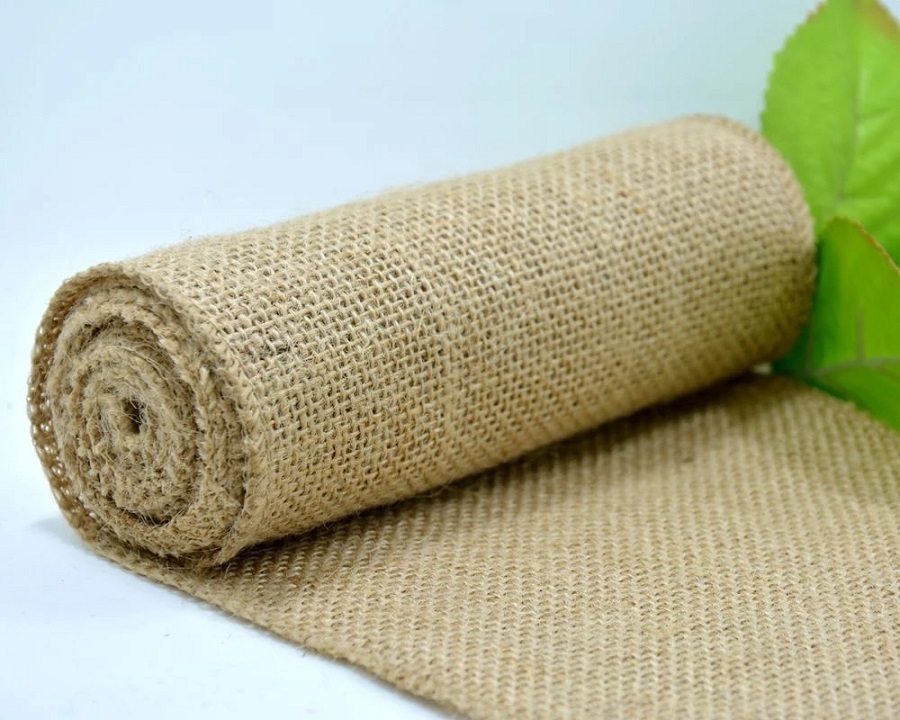
Heavy duty canvas – Bola Bag
Choosing Material by Use Case
We help founders think through use case before material selection. Overspending on performance specs that a product doesn’t need is a common budget leak. Matching fabric to actual functional requirements keeps costs in check while still meeting heavy duty tolerance expectations where they matter, which is another practical answer to how to start garment business with low investment.
Why Tech Pack Development Saves Money Long Term
What a Tech Pack Prevents
A properly developed Tech Pack is one of the most underrated investments a low budget founder can make. It clearly defines stitching methods, foam paneling, hardware placement, and construction tolerances before a single sample is cut. Skipping or rushing this step almost always leads to expensive revisions during prototyping or, worse, during full production. We view early investment in documentation as a low risk way to protect a limited budget. The cost of a thorough Tech Pack is small compared to the cost of reworking a production run because specifications were unclear or incomplete.
Using Rapid Prototyping to Reduce Financial Risk
Fast prototyping cycles, such as a 7 to 10 day turnaround, allow founders to test and refine designs quickly without committing to large production runs. This iterative approach means adjustments can be made on a sample before hundreds or thousands of units are cut. We consider rapid prototyping essential for anyone working with a limited startup budget. Each iteration reduces the chance of wasted materials and labor, keeping financial exposure low while the design is refined toward its final, export ready form.
Finding the Right Manufacturing Partner Without Overspending
Low investment founders should be selective about who they partner with. We recommend looking for a factory that specializes in bags rather than general garments, since bag specific construction techniques like bar tack stitching and heavy duty paneling require dedicated expertise that a general apparel factory often lacks. Choosing the right partner is one of the most overlooked steps when learning how to start garment business with low investment. Flexibility on order volume is equally important. A manufacturer accustomed to working with growing brands will understand the realities of a phased rollout. Partnering with a bag focused manufacturer rather than a general clothing factory reduces the risk of costly quality issues appearing after production has already shipped.
Navigating Minimum Order Quantities on a Tight Budget
Minimum order quantities are often the biggest barrier for new brands. We suggest starting with simpler designs, fewer color variations, and shared fabric runs to keep MOQs manageable. A single color, single style launch is far easier to negotiate than a collection spanning several colorways, and it remains one of the most reliable tactics for anyone figuring out how to start garment business with low investment. Understanding a factory’s production capabilities also helps founders plan order sizes that fit their available capital. Open conversation with a manufacturer about capacity and minimums, rather than assuming rigid requirements, often reveals more flexibility than expected.
Planning for Export Compliance From Day One
Compliance considerations such as labeling, packaging, and quality standards for markets like the USA, EU, and Australia should be built into the design phase early, not addressed after production. Retrofitting a product to meet export requirements after the fact is far more expensive than designing for compliance from the start. We advise low investment founders to research target market requirements before finalizing specifications. Addressing these details early helps avoid unexpected fees or shipment delays when scaling into global markets later.
Growing Gradually From First Order to Full Collection
Rather than raising large capital upfront, we recommend a phased growth model. Early revenue from a first successful order can be reinvested into expanding fabric options, adding new SKUs, or increasing order volume gradually. This approach keeps financial risk low while allowing a bag brand to scale sustainably. Each stage of growth is funded by proven demand rather than speculation, which is precisely the discipline that makes low investment launches successful over time.
Bringing Your Low Investment Bag Concept to Life
Starting a bag business with limited capital comes down to a few consistent principles: focus on a narrow product line, invest in a solid Tech Pack, use rapid prototyping to reduce risk, and partner with a manufacturer that specializes in bags rather than general apparel. Together, these steps make it possible to launch a credible, export ready product without overextending financially, and they form a clear roadmap for anyone still asking how to start garment business with low investment. We invite you to explore more technical bag design insights or consult with the product engineering team at Bola Bag to bring your custom bag collection to life.
Start Small Without Starting Badly
A limited budget makes every decision heavier, which is exactly why the factory relationship matters more at this stage rather than less. Bola Bag works with founders launching a single focused style, offering tech pack development, fast sampling, and manageable first run quantities. Tell Bola Bag your budget and your product idea, and we will tell you plainly what it takes to reach a first order.
Conclusion
Bags offer one of the most practical paths for anyone exploring how to start garment business with low investment. By starting lean, choosing materials wisely, documenting designs properly, and working with the right manufacturing partner, founders can build a durable, export ready brand step by step, without the capital burden typically associated with the garment industry.
Read more: How Much Does It Cost to Start a Garment Factory? A Friendly Cost Guide


BOLA BAG's BLOG YOU MAY ALSO BE INTERESTED IN
What Are the Types of Garment Making Business? Seven Models From a Tailor’s Bench to a Full Factory
Finding a Canvas Bag Supplier for Long-Term Business Growth
How Much Does It Cost to Manufacture a Bag? A Friendly Breakdown