


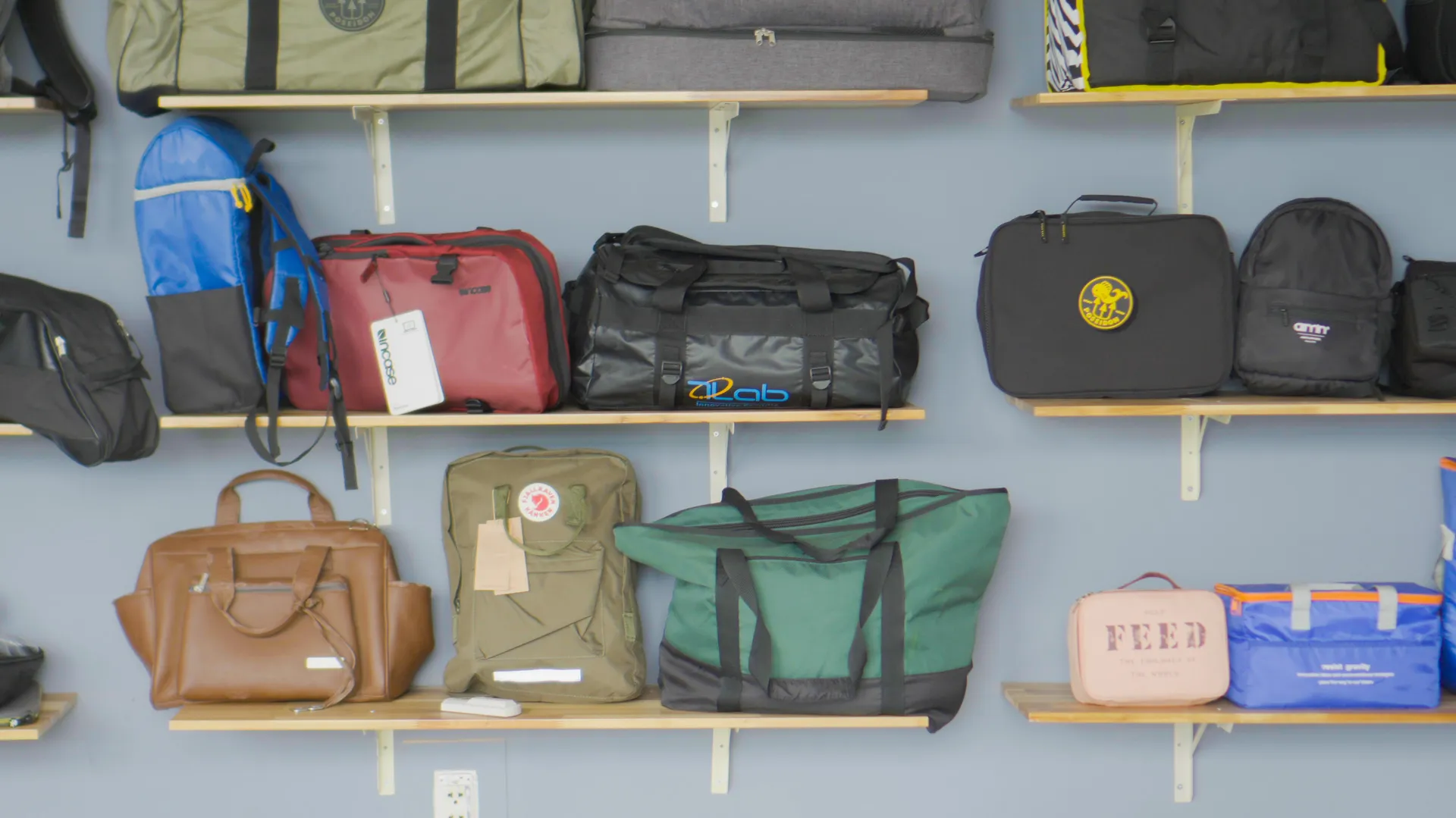
Starting a bag brand looks deceptively simple from the outside: pick a design, find a factory, place an order. In reality, founders who ask the right questions early avoid the costly mistakes that sink first production runs. Below, we walk through the essential questions every first time founder must answer before committing budget to tooling, fabric, or a factory relationship, and we outline how to start bags business the right way from day one.
Why Starting a Bags Business Is Different From Other Product Ventures
Bags occupy a unique niche between fashion, function, and engineering. Unlike apparel or general accessories, bags require attention to load bearing structure, hardware durability, and stitching strength. A tote that looks perfect on a mood board can fail within weeks if seams aren’t reinforced or straps aren’t rated for real world weight. We often see founders treat a bag launch like a generic product drop, only to discover that zippers jam, panels warp, or handles tear at the first stress test. Thinking like a product engineer from day one, not just a designer, is what separates bag brands that scale from those that stall after one bad batch. This engineering mindset is the foundation of learning how to start bags business without repeating avoidable mistakes.
Defining Your Niche: Backpacks, Travel Gear, or Technical Soft Goods
Narrowing Your Focus
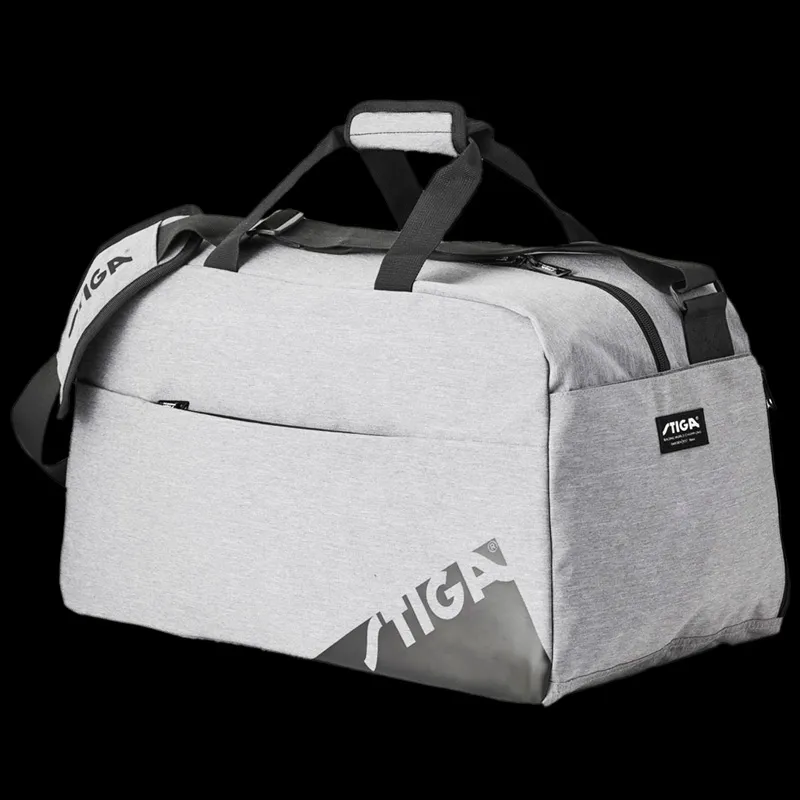
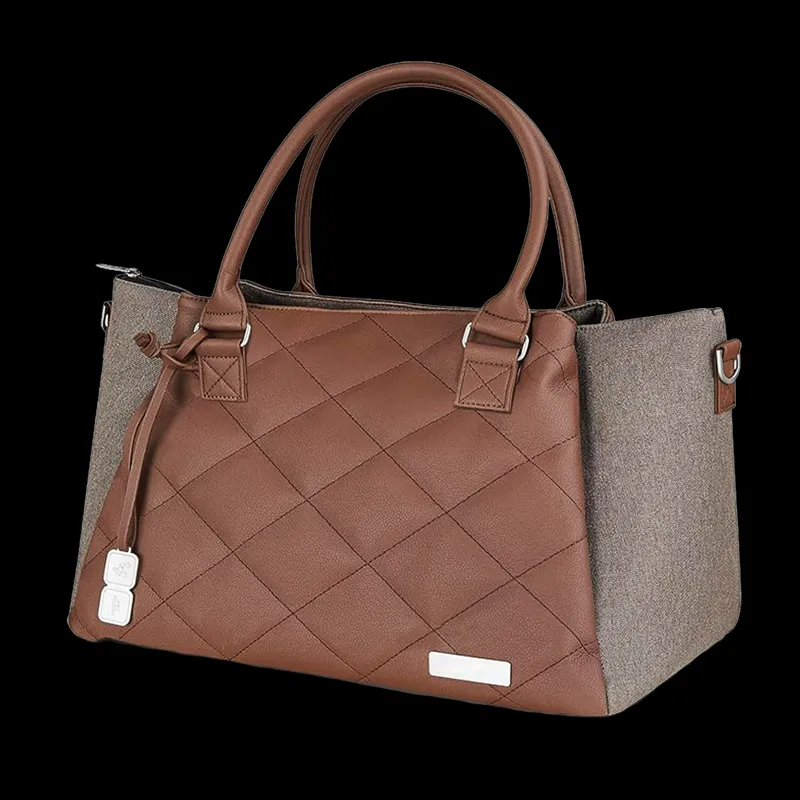
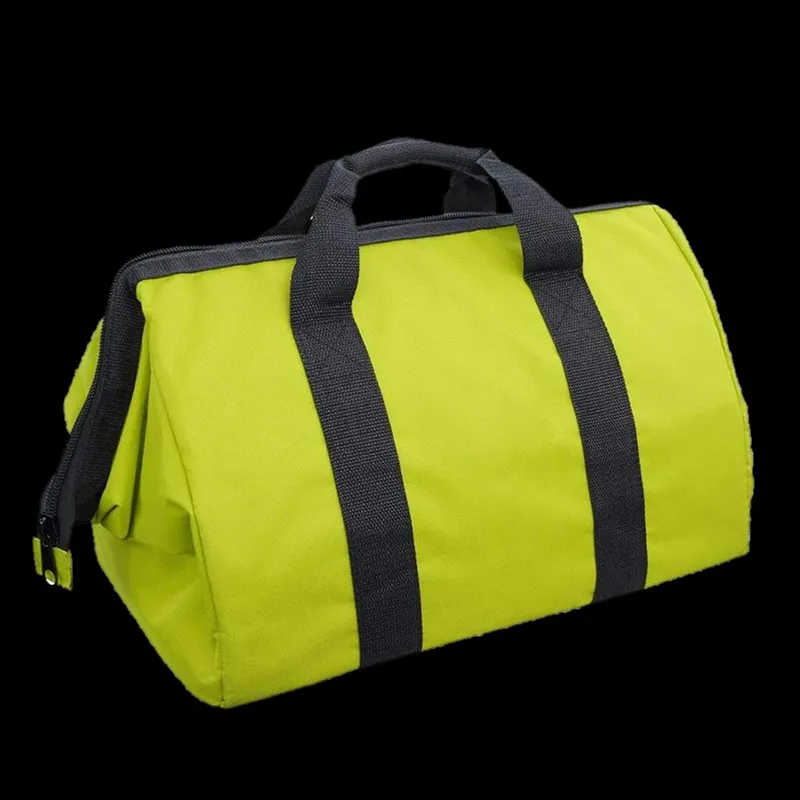
Before sourcing or designing anything, we recommend narrowing your focus. Lifestyle backpacks, technical outdoor gear, industrial tool bags, and travel luggage each demand different materials, construction methods, and target customers. A shopper bag manufacturer builds very differently from a tool bag manufacturer, and a gym bag manufacturer prioritizes different reinforcement points than a laptop bag manufacturer protecting fragile electronics. Choosing a niche shapes every downstream decision: fabric selection, hardware sourcing, and which factory partnerships make sense for your volume and quality expectations. This is often the first practical step anyone researching how to start bags business needs to take.
Researching Your Market and Target Customer
Once a niche is chosen, we validate demand by studying competitors, identifying gaps in existing bag categories, and understanding what customers value most: durability, aesthetics, price point, or specialized features. Are shoppers browsing wholesale makeup bags looking for compact organization, or are they buying a cotton bag supplier‘s product for sustainability credentials? Are buyers of wholesale sports bags prioritizing ventilation, or shoulder strap comfort? Thorough market research prevents costly missteps before a single unit enters production, and it clarifies exactly what a prototype needs to prove. Anyone serious about how to start bags business should treat this research phase as nonnegotiable, not an afterthought.
Understanding Materials: Cordura, Ripstop, and Canvas Explained
Comparing the Three Core Fabrics
Material choice is one of the most consequential decisions a founder makes. Cordura offers exceptional abrasion resistance and is favored by backpack manufacturers building for rugged, heavy duty use. Ripstop is lightweight yet resistant to tearing, making it popular among travel bag manufacturers and sport bag manufacturers who need to balance weight with durability.
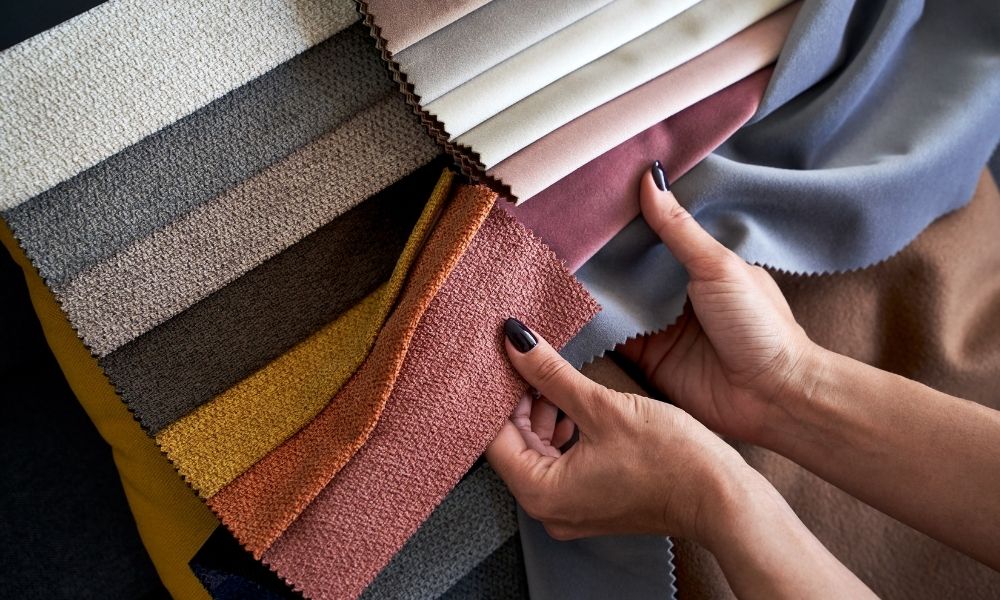
Fabric Material – Bola Bag
Matching Fabric to How the Bag Will Be Used
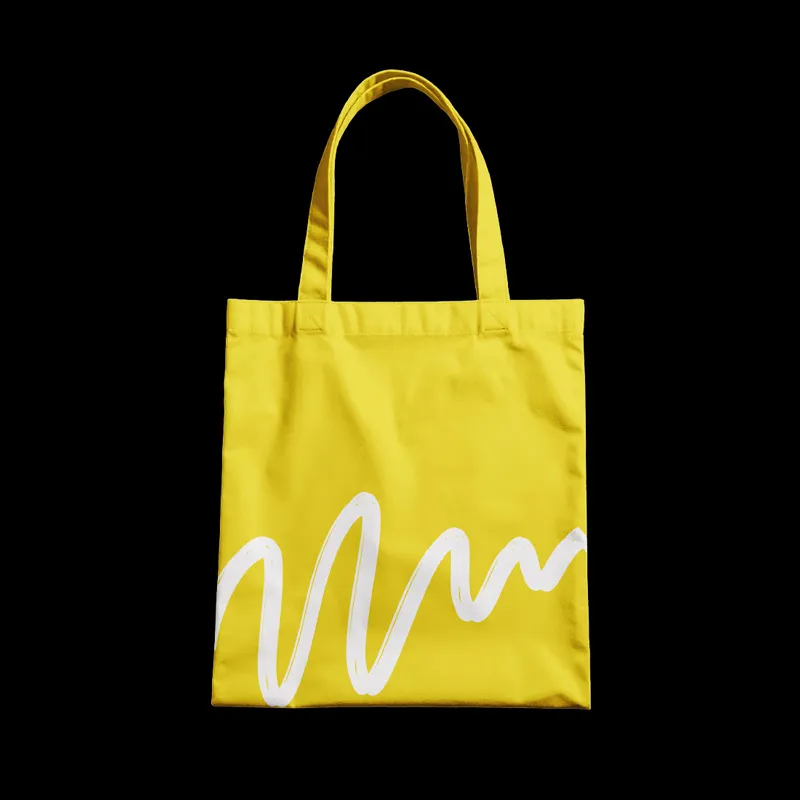
Canvas delivers classic durability and aesthetic appeal, which is why cotton canvas bag manufacturers and canvas tote bag manufacturers lean on it for everyday carry products. Each material impacts cost, durability, and brand positioning differently, so we always match fabric to the bag’s real world use case rather than trend alone. Getting fabric selection right early is a core part of how to start bags business without costly rework later.
Creating a Tech Pack: The Blueprint of Your Bag Design
What a Tech Pack Must Specify
A Tech Pack is the detailed blueprint that communicates your design intent to a manufacturer. It covers measurements, materials, stitching methods, hardware specifications, and construction details in a way that leaves little room for misinterpretation. Founders who skip this step often find themselves in endless revision cycles with a factory. A well prepared Tech Pack minimizes miscommunication and speeds up the entire prototyping process, saving both time and money before physical samples are ever cut. Learning how to build a proper Tech Pack is one of the most technical parts of how to start bags business, and it pays dividends throughout production.
Prototyping: Turning Concepts Into Physical Samples
Prototyping transforms a Tech Pack into a tangible product. Rapid iteration matters here, because each sample should be evaluated for stress points, zipper function, panel alignment, and overall wearability. We encourage founders to test prototypes under real conditions: load them, drop them, zip and unzip them repeatedly. Multiple rounds of refinement, rather than a single sample approval, lead to a production ready design that won’t surprise you with failures once thousands of units are made.
Choosing Between General Garment Factories and Specialized Bag Manufacturers
Not all factories are equipped for bag production. Specialized bag manufacturers understand bar tack stitching, foam paneling, and heavy duty tolerances that general garment factories often cannot replicate. A shirt factory may sew a beautiful straight seam but struggle with the reinforced box stitch a backpack strap requires. When evaluating a tote bag factory, fabric bag manufacturer, or shopping bag factory, we look closely at their equipment, their experience with technical hardware, and sample quality, not just their pricing sheet. Getting this decision right is arguably the most important part of how to start bags business on solid footing.
Navigating Minimum Order Quantities and Production Timelines
Minimum order quantities and lead times directly affect new business planning. Many wholesale backpack manufacturers and bulk tote bags suppliers set MOQs based on fabric roll sizes or line efficiency, but founders launching their first collection can often negotiate smaller runs during early production. Understanding realistic timelines, which typically span prototyping, sampling approval, bulk material sourcing, and manufacturing, helps set accurate expectations with early customers and investors alike, and it’s a practical reality anyone figuring out how to start bags business needs to plan around.
Quality Control and Export Compliance Basics
Quality control checkpoints throughout production, not just at the final inspection, catch defects before they multiply across an entire order. Equally important is understanding export compliance standards for target markets like the USA, EU, and Australia. Compliance requirements can affect labeling, material restrictions, and safety testing, and overlooking them can delay shipments or trigger costly rework at customs.
Building a Sourcing and Supply Chain Strategy
A resilient supply chain starts with reliable OEM/ODM partners who understand both design intent and manufacturing realities. We recommend planning for clear communication across time zones, setting realistic reorder timelines, and building relationships that can scale as order volumes grow, from a first small batch to ongoing production at wholesale backpack manufacturers level. Supply chain planning done early prevents scrambling when demand outpaces initial sourcing decisions.
Common Mistakes New Bag Business Founders Make
The most frequent pitfalls we see include underestimating material costs, skipping thorough prototyping to save time, choosing a general factory over a specialized bag manufacturer, and neglecting Tech Pack detail. Each of these shortcuts tends to resurface later as a quality issue, a delayed shipment, or an unhappy customer. Avoiding these mistakes from the outset saves significant time and money over the life of a bag brand, and it’s why a clear plan for how to start bags business matters more than moving fast.
Turning Your Roadmap Into Action
Starting a bags business successfully means treating design, materials, and manufacturing as interconnected engineering decisions rather than isolated choices. From defining your niche and understanding fabrics to building a Tech Pack and selecting the right production partner, each step compounds toward a stronger final product. Anyone still working out how to start bags business should treat this roadmap as a checklist, not a suggestion. We encourage founders to explore more technical bag design insights or consult with the product engineering team at Bola Bag to bring their custom bag collection to life.
Take Your First Bag Collection Into Production
Every question raised here, from niche and fabric through tech pack and minimum order quantity, becomes concrete the moment a factory is involved. Bola Bag works with first time founders as well as established brands, developing tech packs, running sampling rounds, and producing bulk orders for export. Bring your sketches or specifications to Bola Bag and we will tell you what is buildable, at what quantity, and on what timeline.
Conclusion
Knowing how to start bags business the right way comes down to asking the right questions before committing resources: about niche, materials, Tech Packs, prototyping, and manufacturing partners. Founders who approach these decisions with an engineering mindset build brands that last well beyond the first production run.
Read more: Garment OEM Explained: What It Means for Bags and Technical Soft Goods


BOLA BAG's BLOG YOU MAY ALSO BE INTERESTED IN
Bulk Sports Bags Manufacturing Solutions for Global Brands
What Is Grading in Garment Industry Terms? Turning One Sample Size Into a Full Size Range
Vietnam Wholesale Sports Backpacks Supplier for International Markets