


The honest answer to what bags increase in value is a very short list, and most of it has the same name on the label. Hermès Birkins and Kellys routinely sell for more second hand than they cost new. Chanel’s Classic Flap has climbed for two decades and the small size has risen sharply since 2020. Almost everything else, including bags from excellent houses made from excellent leather, holds a share of its price and no more. This article gives the list, explains the mechanics that push a bag above retail, and then turns the question around to what a bag factory learns from a market where a stitched leather rectangle can appreciate like property.
What Bags Increase in Value
Resale data from the big consignment houses agrees on the same few names year after year, and the gap between them and the rest is wide.
The Hermès Birkin and Kelly Sell Above Retail
These are the only mainstream bags that consistently resell for more than they cost, and in 2026 the Kelly overtook the Birkin as the most searched luxury bag. Hermès limits production, allocates bags to established clients rather than selling them off a shelf, and has done so for decades, so demand always exceeds supply. The history of the bag and of the waiting lists is on the Birkin bag reference page, and it reads more like a market than a product story.
The Chanel Classic Flap Has Risen for Twenty Years
Chanel raises retail prices every year, by two to four percent across the Classic Flap sizes in 2026, and each rise lifts the resale value of every bag already sold. Resale data from SACLÀB puts the small Classic Flap up as much as 155 percent since 2020, and black double flaps in excellent condition sell for three quarters of retail or more. The nuance is that Chanel classics rarely beat the current retail price, so they hold rather than gain against new.
The Ones That Hold Value Without Gaining It
The Louis Vuitton Neverfull keeps a high share of its price because it is useful and everyone wants one, but it does not turn a profit. Vogue’s 2026 survey of experts put The Row Margaux, the Bottega Veneta Andiamo and the Gucci Jackie among the strongest resale performers, which means losing less than the rest rather than gaining. These are good bags to own and poor bags to speculate on.
Why These Bags Gain Value and Others Do Not
Leather quality has almost nothing to do with it. Plenty of small workshops stitch better than the famous houses. Three other things do the work.
Scarcity Is Manufactured on Purpose
Hermès could make more Birkins and chooses not to. The waiting list, the purchase history required and the refusal to sell online are the product as much as the leather is. A bag anyone can buy today cannot appreciate, because a buyer will simply buy a new one.
Retail Price Rises Pull Resale Up Behind Them
When a house raises its prices every year, the second hand market re prices every bag it has ever sold. Chanel is the clearest example. A brand that discounts, runs outlet stores or sells through third party sites is doing the opposite, and its bags fall accordingly.
Condition and Colour and the Box Decide the Last Twenty Percent
Mint condition sells for far more than lightly used. Black, beige and gold hardware sell faster and hold better than seasonal colours. The original box, dust bag, lock, keys and receipt add real money because they prove the bag is what it claims to be. A bag bought to appreciate is a bag that is not carried, which is the strange truth at the centre of the whole market.
What a Bag Factory Learns From the Resale Market
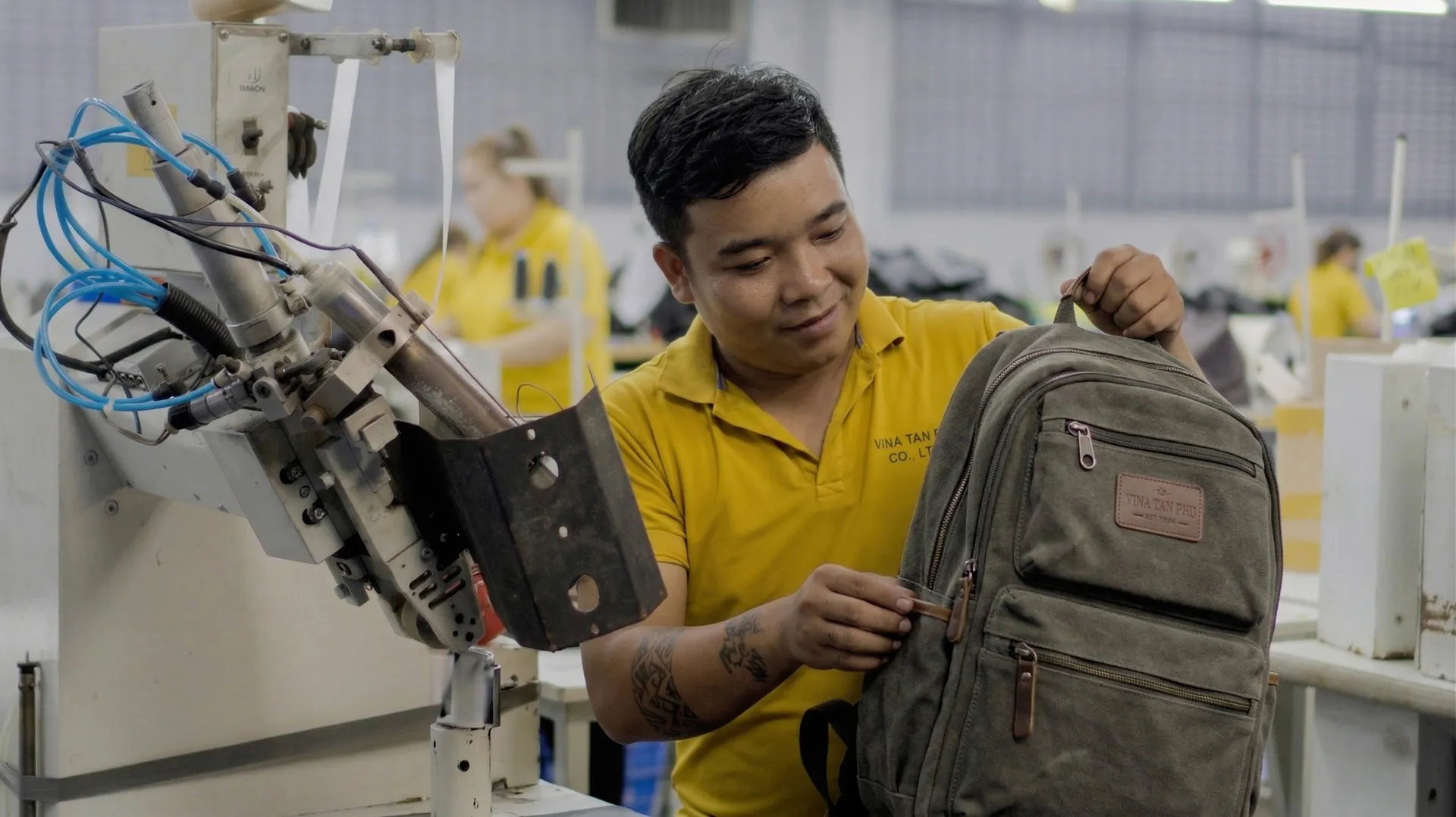
None of the bags above are made by the factories that make most of the world’s bags, and a manufacturer cannot conjure scarcity for a client. What the market does teach is which construction details buyers notice ten years later. Edge paint that has not cracked. Stitching that is even and has not pulled. Hardware that has not tarnished or lost its plating. Corners that have not worn through. Those are the four things a resale inspector checks, and they are the same four things a good custom backpack manufacturers checklist asks a factory to prove on a sample. Durability is what lets a brand raise prices without complaint, and price rises are what pull resale up.
Bag Sample
The second lesson is about materials. Full grain leather, solid brass hardware and a lining that outlasts the shell cost more on the day and are the reason a bag still exists to be resold. A brand that wants its bags to hold value has to spend on the parts the customer does not see, and working out how much does it cost to manufacture a bag to that standard, rather than to the cheapest standard, is where the decision gets made.
How to Start a Luxury Bag Business Without Hermès Money
Nobody starting today will build a Birkin, and trying to is the fastest way to lose a first investment. What a new brand can borrow is the discipline: a small range, no discounting, prices that rise a little each year, construction that survives a decade, and a story that makes the bag worth wanting. Small runs help here, because two hundred pieces that sell out create more want than two thousand that sit. The founder questions that sort a real plan from a mood board, the whole of how to start bags business well, include pricing discipline, and it is the one most first time founders skip.
Tote Bags
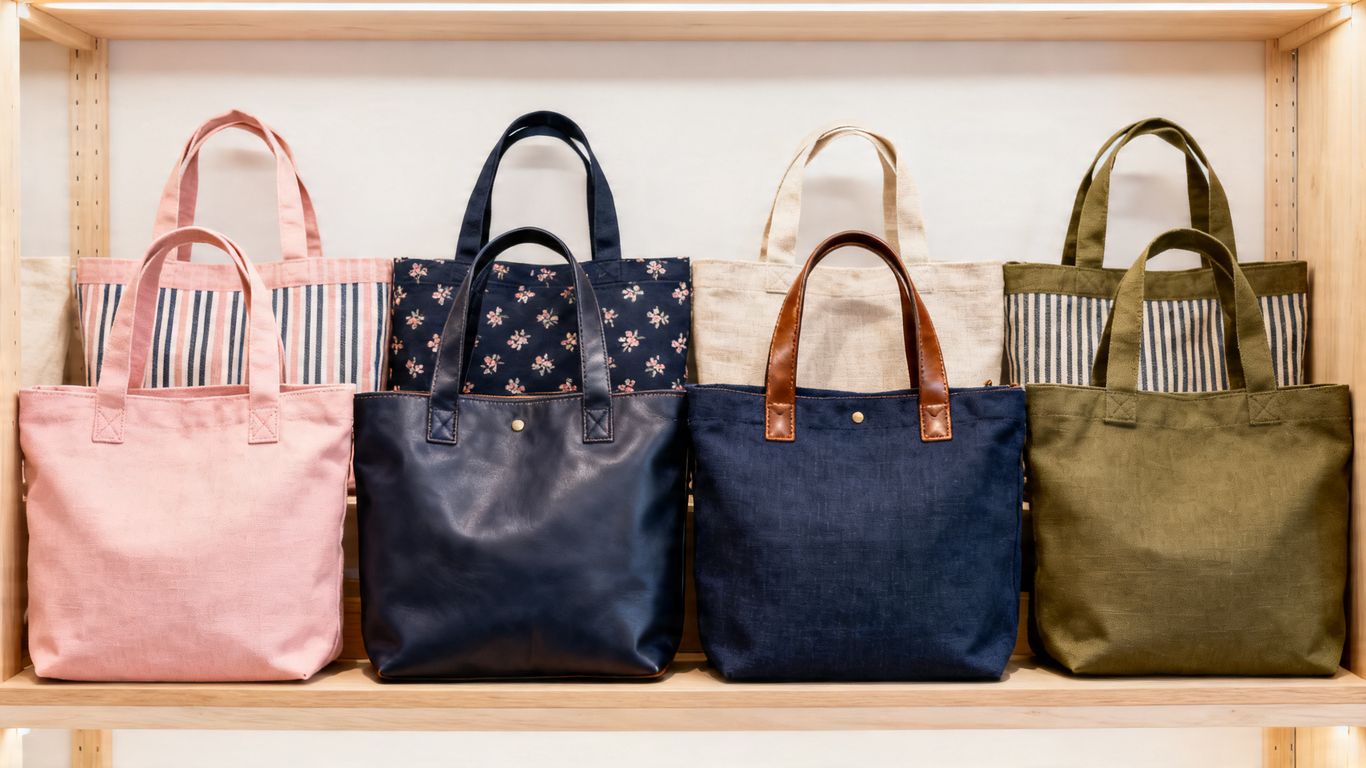
Once the range and the price are set, how to start a bag business is a matter of niche, sample and sell in that order, and the first two hundred pieces should sell out rather than sit.
Conclusion
What bags increase in value? The Hermès Birkin and Kelly, which sell above retail because the house restricts supply, and the Chanel Classic Flap, which climbs behind annual price rises and has risen sharply since 2020. The Neverfull, The Row, Bottega Veneta and Gucci’s icons hold value well without gaining. The mechanics are scarcity, rising retail prices and condition, not leather. For a brand or a factory the lesson is durability and pricing discipline, because a bag has to last ten years and never be discounted before anyone will pay more for it than it cost.
For brands building bags meant to last, Bola Bag manufactures backpacks, totes and technical bags in Ho Chi Minh City with the construction checks a resale inspector would run, from edge finishing to hardware, on every sample. Browse the range on our products page, or send us your design and the standard you want it built to and we will quote it honestly.
Read more: How to Start a Backpack Business: A Practical Framework for First-Time Founders


BOLA BAG's BLOG YOU MAY ALSO BE INTERESTED IN
How to Start a Bag Business: Niche, Sample and Sell
What Bags Are Trending Now? The Shapes Selling in 2026 and What They Mean for a Brand Placing an Order
Bulk Tote Bags with Zipper for OEM and Export Markets