


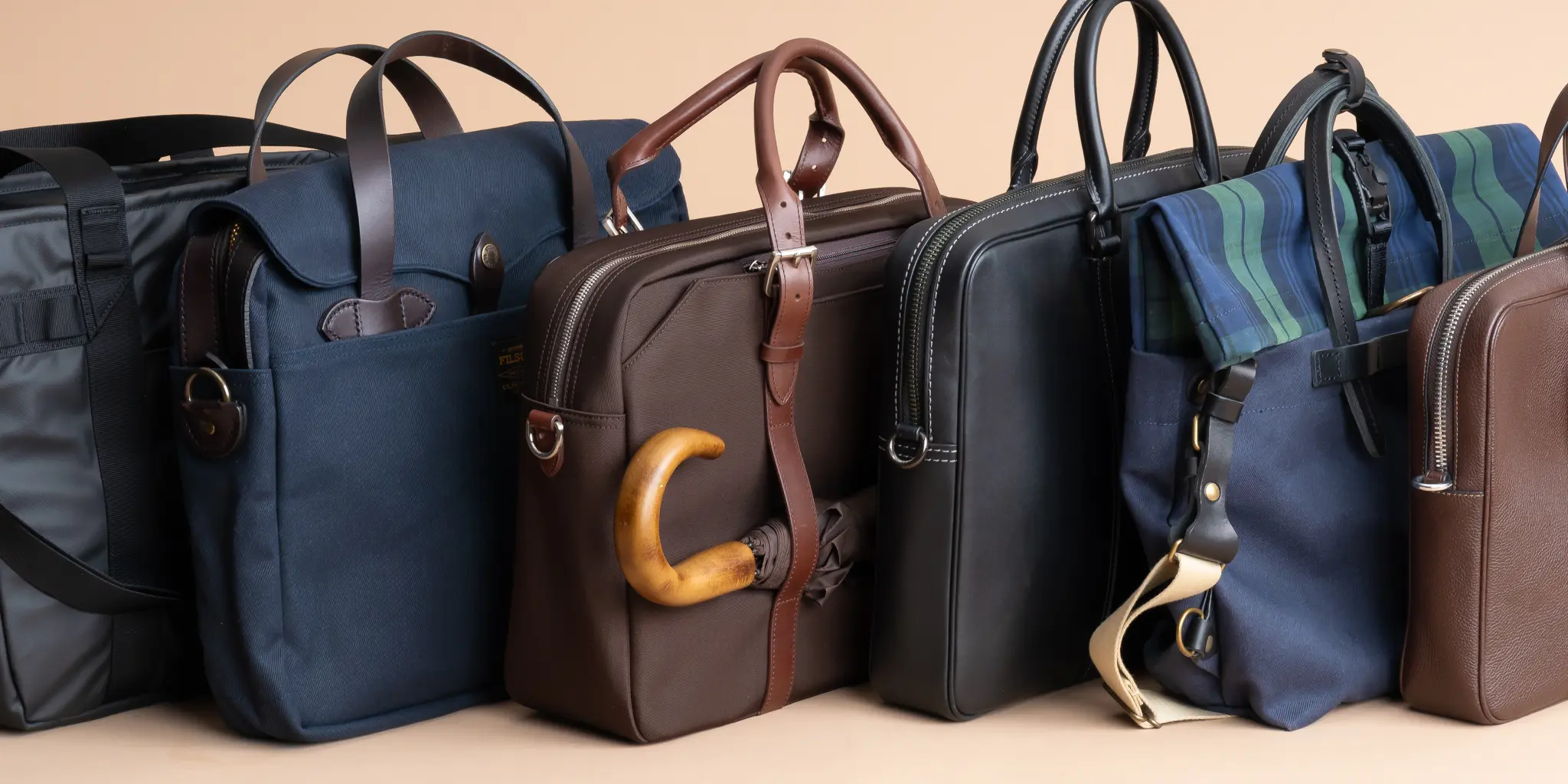
There is an enormous amount written about launching and almost nothing about month fourteen. Month fourteen is when you have inventory in three places, a supplier who has gone quiet, a wholesale customer at sixty days who is now at eighty, and a decision to make about the next order using data you do not fully trust. That is where businesses are actually won or lost. How to do garment business properly, once the launch adrenaline is gone, is a question about systems rather than vision, and the systems are less exciting and considerably more valuable than the branding.
Decide Which Business You Are Running
Most operational confusion traces back to a decision nobody made here. A company trying to serve three models with one set of processes will do all three slightly badly and will struggle to explain why.
Three Models, Three Different Companies
Own brand means you carry marketing cost and inventory risk and keep the margin and the customer. Private label means producing under a retailer’s name, trading margin for volume and predictability. Contract supply means winning corporate, promotional, and institutional orders where reliability beats design. Plenty of businesses run two. Very few run all three well, because the cash cycles and the required skills pull in genuinely opposite directions.
Category Drift Is the Slow Killer
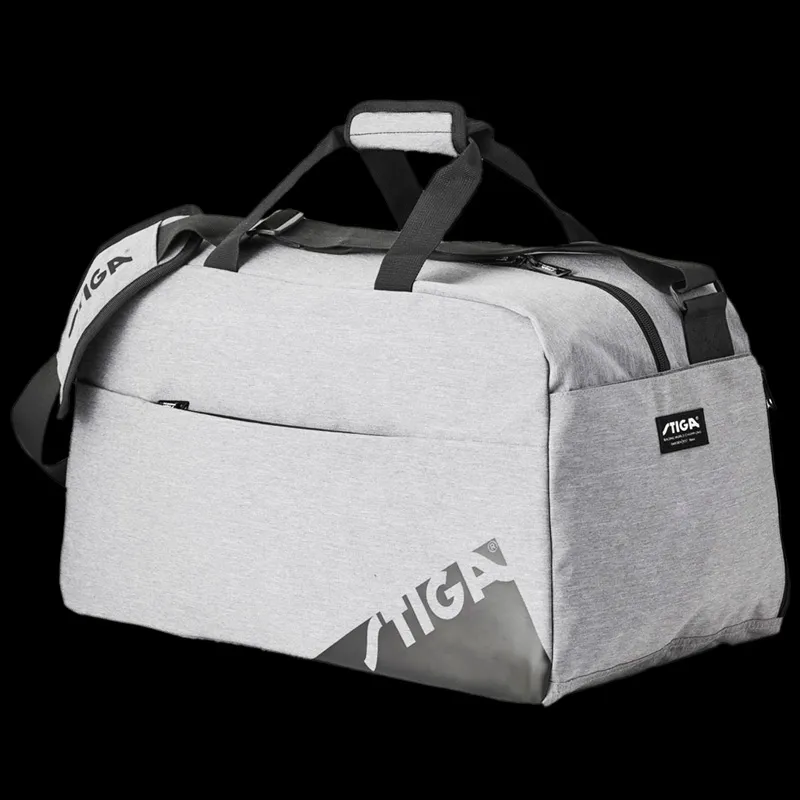
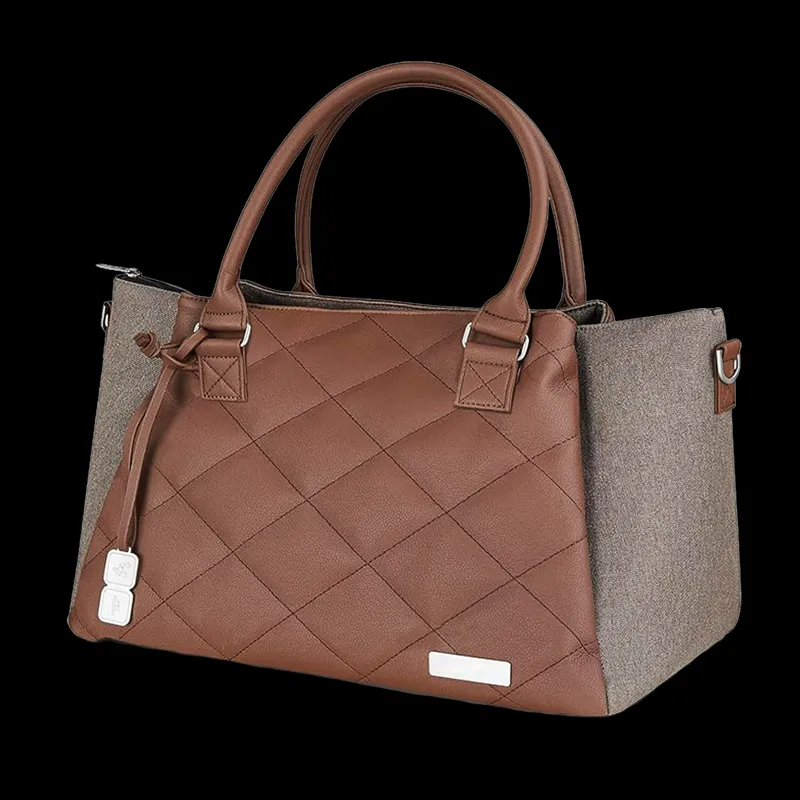
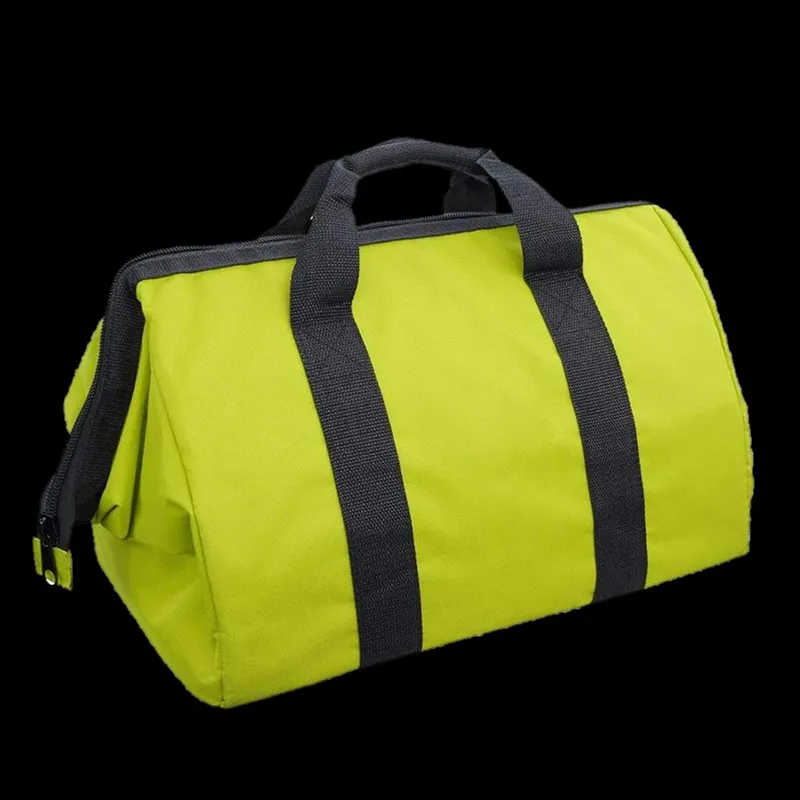
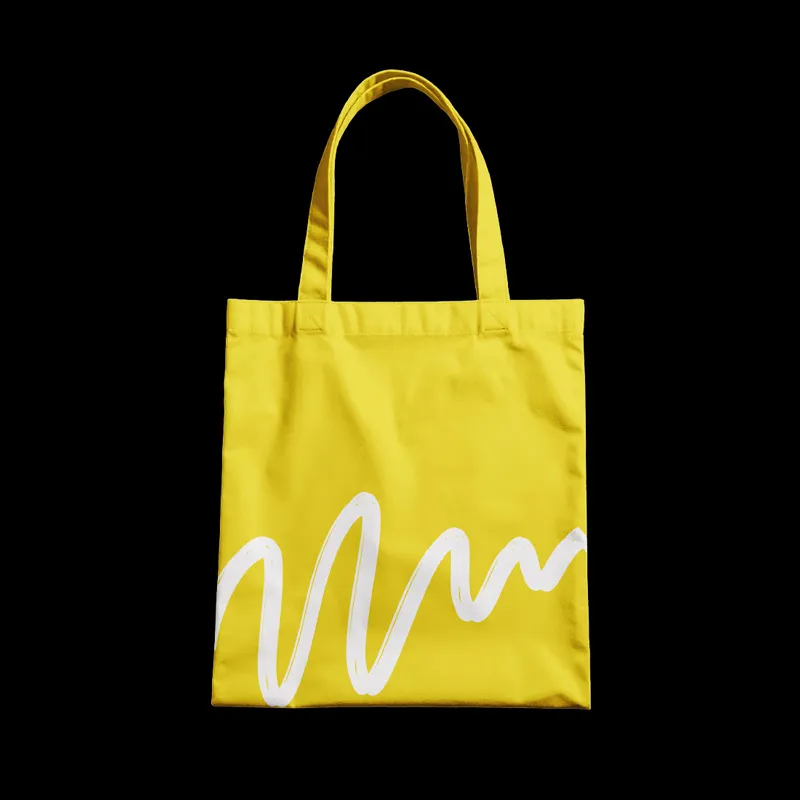
A brand starts with totes. A customer asks for backpacks. Laptop sleeves seem adjacent. Eighteen months later there are four suppliers, four sets of minimums, and no meaningful volume anywhere. Specialisation compounds in a way that breadth never does: it improves your factory pricing, deepens your product knowledge, and makes marketing dramatically easier. Going deep on gym bag manufacturer categories or on tool bag manufacturer work beats being adequate at four things.
Treat the Supplier as an Asset
Chasing the cheapest quote every season is one of the most expensive habits in this industry. Every switch costs a sampling cycle, a learning curve, and a quality risk, none of which appear on the quotation you were comparing. A factory that has built your product twenty times knows where it fails, which operators to put on the line, and how to pass your inspection first time. That knowledge is worth considerably more than the three percent you saved by moving, and consolidating volume with fewer suppliers strengthens your negotiating position rather than weakening it.
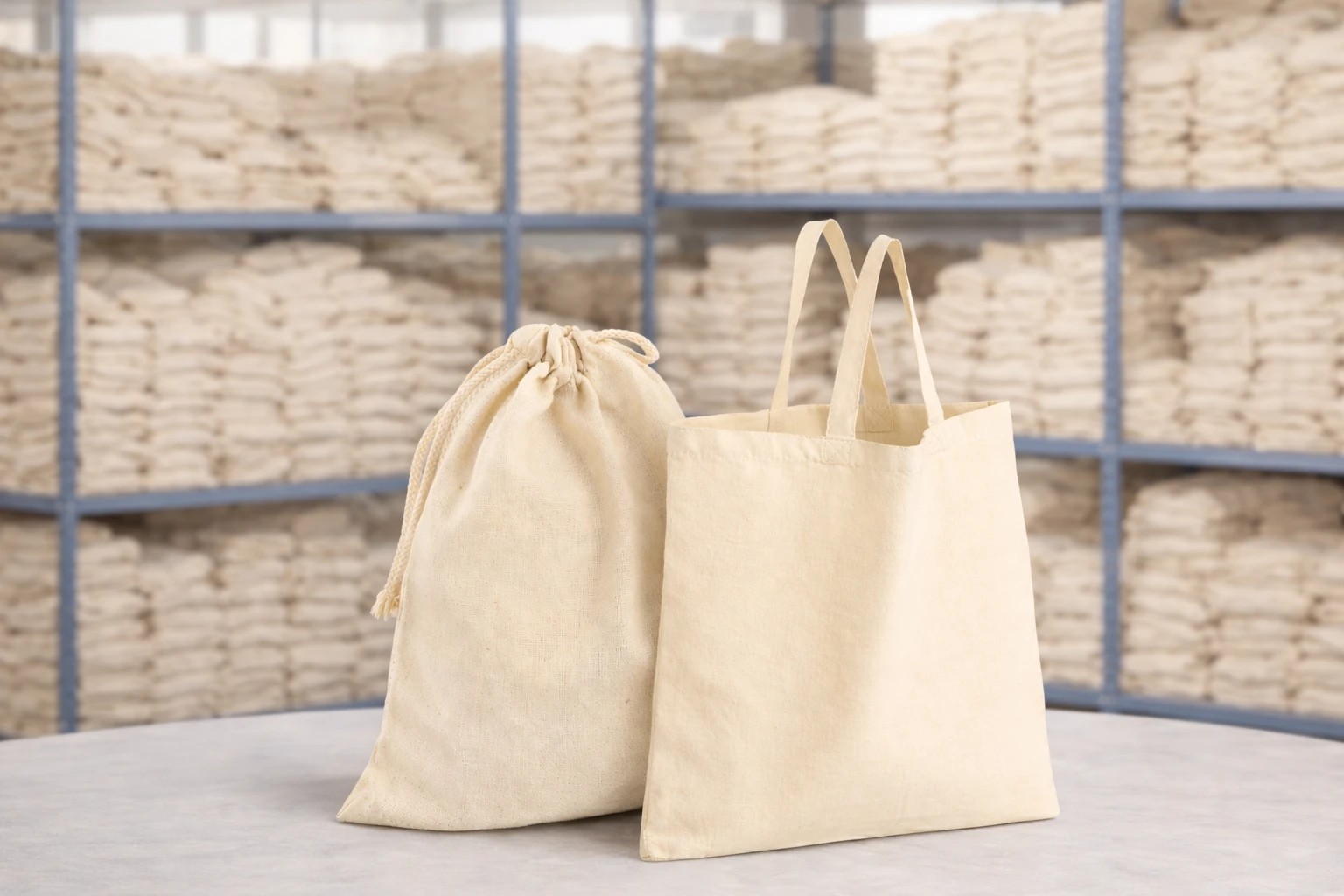
Cotton Bag Supplier
If bags are in the range, one supplier question outranks all the others. Bag production needs walking foot machines, bar tack machines, heavy duty needles, and operators trained on webbing and hardware. Apparel factories that accept bag work frequently subcontract it, which means you lose sight of who is actually making your product and inherit their quality control instead of your supplier’s. The distinction and its consequences are laid out in garment oem selection for soft goods, and it explains most first order failures in the category.
Quality Control Is Three Checkpoints
Final inspection on its own is theatre. By the time goods are boxed, every defect that exists has already been paid for, so the checks that save money happen well before that.
Before Cutting
Inspect materials against the approved swatch for weight, colour, and coating before a single piece is cut. Catching the wrong fabric here costs a delay. Catching it after sewing costs the order, and there is no version of that conversation that ends well.
At Twenty Percent
An inline check once roughly a fifth of the run is complete is the highest value inspection of the three, because it is early enough to correct a systematic error across the remaining eighty percent. Most serious quality disasters are one repeated mistake, not random variation, and this is where you catch it.
Before Shipment
A final random inspection against an agreed acceptable quality level, ideally by someone who does not work for the factory. And the standard has to exist in writing beforehand. An inspection is meaningless without a specification, so agree tolerances on dimensions, stitch density, colour variation, and cosmetic defects in the purchase order. Vague standards produce arguments after the fact and goods neither side is happy with. Written ones let you reject a bad run without damaging the relationship, which is the outcome you actually want.
Cash Is the Thing That Kills You
Soft goods businesses fail on cash far more often than on demand. Look at the cycle honestly. You pay a deposit. You wait sixty to ninety days for production. You pay the balance. You wait for shipping. Then your wholesale customers pay on thirty or sixty day terms. That is four to six months between money leaving and money returning, and it gets wider as you grow, not narrower.
Growth consumes cash. This is the single most counterintuitive fact in the business, and it catches people precisely when things are going well. The month your sales double is the month you need to fund an order twice the size while the previous one is still unpaid. Plan working capital for the next order before the current one has turned a profit, because the timing will not wait for your comfort.
On forecasting, the safest pattern is a conservative first order followed by a fast repeat. Order what you are confident of selling this season rather than what you hope to sell across two, and negotiate a shorter lead time on repeats so you can react to reality instead of predicting it. Categories with steady institutional demand, such as sport bag supplier programmes, forecast far more reliably than anything trend led.
Compliance Stopped Being Optional
For years this was something only large buyers cared about. That changed quickly, and a missing document now loses orders that the product itself would comfortably have won.
What Buyers Now Ask For
Retail and corporate buyers increasingly want restricted substance testing, factory social audit reports, and supply chain documentation before they will place an order at all. Chemical safety in textiles is commonly evidenced through third party certification such as the Oeko-Tex standard, and being unable to produce that paperwork loses tenders regardless of how good your product is. Build the file before somebody asks for it, because the request always arrives with a deadline attached.
Claims Have to Be Defensible
Recycled content, lower impact dyeing, and durability all carry genuine commercial value, but only where the claim can be evidenced. Unsupported environmental claims are now a regulatory exposure in several major markets as well as a reputational one. The practical view of what is and is not achievable in textile supply chains is in is the textile industry sustainable, and it is a useful check before writing copy you cannot stand behind.
Scale the Right Thing
Growth breaks businesses that scale complexity instead of volume. Adding styles multiplies patterns, samples, inventory, and photography while dividing your volume across more items. Adding volume to proven styles does the reverse: better factory pricing, simpler forecasting, more profit, no additional operational load. When something is working, the highest return move is almost always to sell more of it rather than to design something new. This is boring advice and it is correct.
Channel expansion follows the same logic. Adding wholesale to an existing direct to consumer business uses the same products and the same supplier, so the marginal cost is mostly administrative. Entering a new product category means a new supplier, new minimums, and a fresh learning curve. Brands scaling into volume work usually do it through established wholesale backpack manufacturers or by benchmarking against the best backpack manufacturers in their category rather than rebuilding their supply base from scratch.
Conclusion
The operating phase rewards patience over cleverness. Pick one model and one category and stay there long enough to get good. Treat your factory as an asset that appreciates rather than a quote to be beaten. Inspect three times against a written standard. Fund the next order four to six months before you need it, because growth consumes cash before it produces any. Keep the compliance file current. And when a product is working, resist the urge to design something new and sell more of the thing that already works.
If your operation is ready for a production partner that can grow with it rather than one you outgrow, Bola Bag manufactures bags and technical soft goods to export standards for brands and distributors worldwide. Look through our products and services, or start a partnership conversation and tell us where the current bottleneck actually is.


BOLA BAG's BLOG YOU MAY ALSO BE INTERESTED IN
Wholesale Sports Bags Manufacturing Solutions for Sportswear Brands
What Is Spreading in Garment Industry? How Fabric Is Laid Before the First Cut
How Much Does It Cost to Manufacture a Backpack? A Breakdown for Brand Founders