


A new brand sends a sketch and a size chart to a factory and asks for a quote on 2,000 pieces. The factory asks for a sample first. Then another, and then a third in the final colour, with every round adding a week or two to the calendar. By the time bulk production starts, the same design may have been made five or six times, each version answering a different question. To a first time founder that can look like delay. To the factory it is how mistakes get fixed on one piece instead of on two thousand. So what is sample in garment industry terms? It is a physical version of a product made before or during production to test the design, fit, materials or workmanship. This guide explains why samples matter, walks through the main types in order and shows how sampling works for bags.
What Is Sample in Garment Industry Production
A sample is a real, wearable or usable version of a design made in small numbers, often just one or a few pieces. Each sample has a job. Some check whether the design can be made at all, some check fit on a body, some show the product to buyers and some set the standard that bulk production must match.
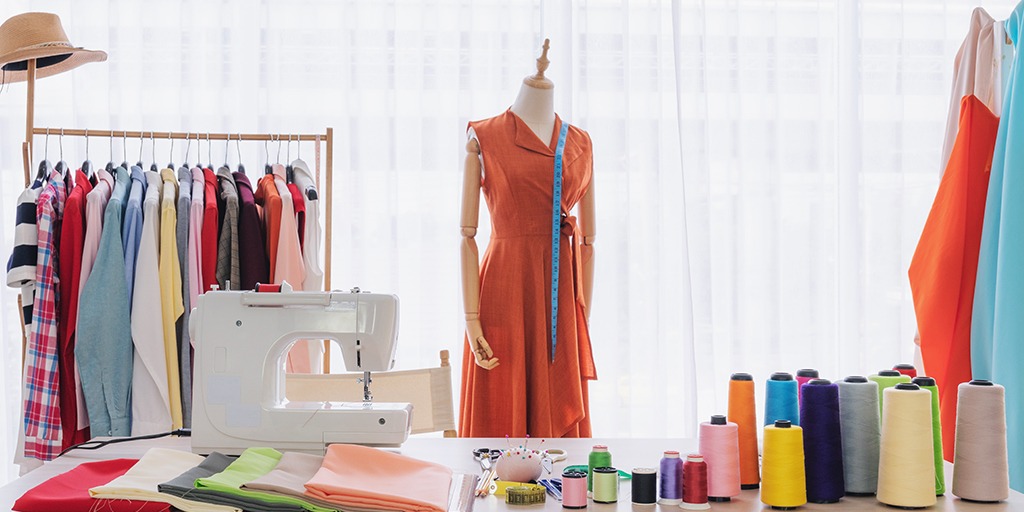
Dress Sample
Samples turn a flat design file into something you can hold, wear, measure and argue about. They are also a record. Once a buyer signs off a sample, it becomes the reference that inspectors compare every bulk piece against. In that sense a sample works much like a prototype in any other industry, but garment factories go further and keep making samples right into production.
The Main Types of Garment Samples in Order
Proto Sample to Test the First Idea
The first version made from the sketch and specifications. It checks whether the design works and can be sewn. Factories often use similar fabric if the real one is not yet available, so colour and handfeel may not match.
Fit Sample to Check the Shape on a Body
Made in the base size and tried on a fit model or form. The buyer marks changes to length, width, drape and comfort, and the pattern is corrected. There may be several rounds before the fit is approved.
Size Set to Check Every Size in the Range
One piece in each size, made after the base pattern is approved. It confirms that grading, the step that scales one pattern into a full size range, has worked correctly. The logic behind this step belongs to what is grading in garment industry work.
Salesman Sample to Show the Collection
Made in the real fabrics and colours to show retailers or photograph for sales. These pieces help secure orders before bulk production is booked, so they need to look exactly like the final product.
Pre Production Sample to Set the Standard
Made with the exact bulk fabric, accessories and construction. Once the buyer approves it, this sample becomes the binding standard for the order, and bulk cutting normally does not start without it.
Top of Production Sample to Confirm the Line
Pulled from the first pieces off the production line. It confirms that bulk output matches the approved pre production sample before the full order is made.
Why Sampling Takes Time and Money
Each sample is made by hand by a skilled sample maker, often with pattern changes in between, so it costs far more per piece than bulk production. Fabric and accessories may need to be ordered specially. Most delays in sampling come from unclear specifications: a missing measurement, an unapproved colour or a trim that has not been chosen. The clearer the design file, the fewer rounds are needed. A complete file lists every measurement, fabric, colour code, stitch type and accessory, with drawings of front, back and details, so the sample maker is not left guessing. Brands comparing costs should remember that sampling fees are a normal part of how to calculate costing in garment industry terms, not an extra charge from a difficult supplier.
How to Give Feedback on a Sample
Good feedback shortens the whole process. Measure the sample against the size chart and write the actual numbers next to the targets. Photograph every problem with a ruler or arrow in the shot. Say exactly what should change, such as “shorten the strap by 2 cm”, rather than “strap feels long”. Keep all comments for one sample in one document, and keep the approved sample safe, because it will be the reference if a question comes up during bulk production.
How Sampling Works for Bags
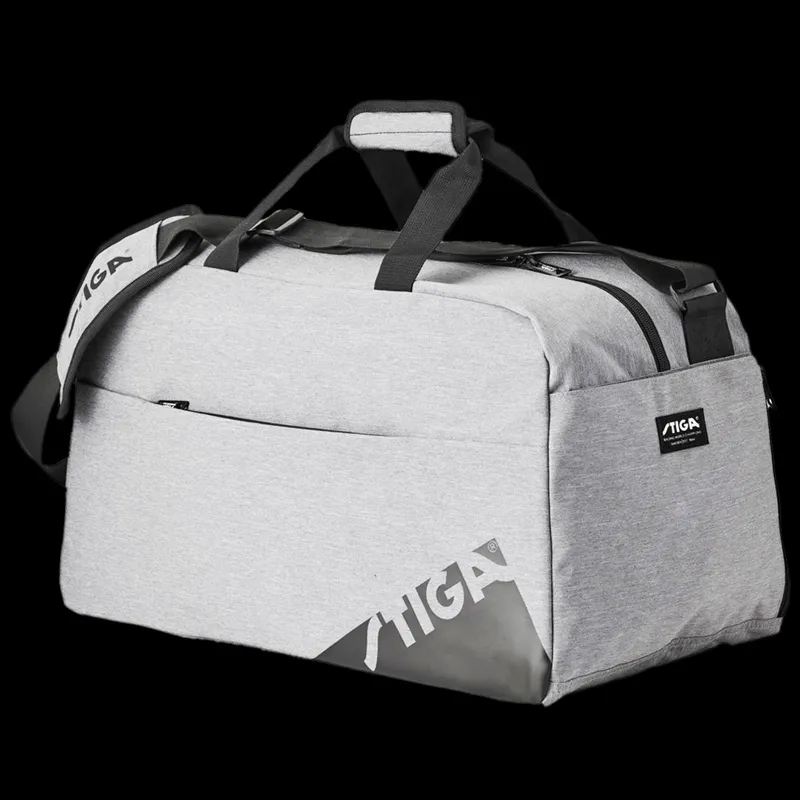
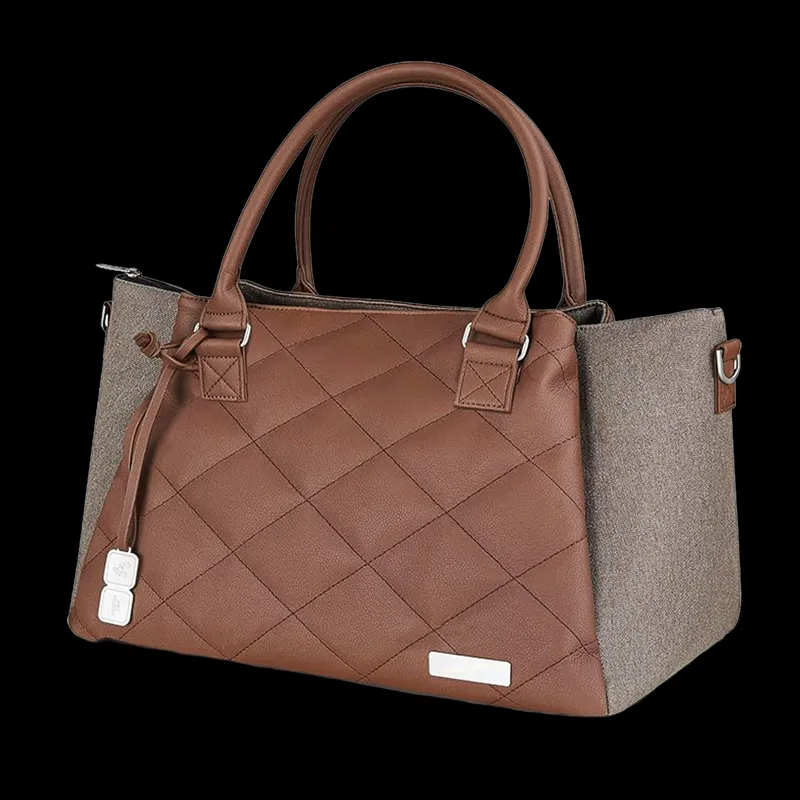
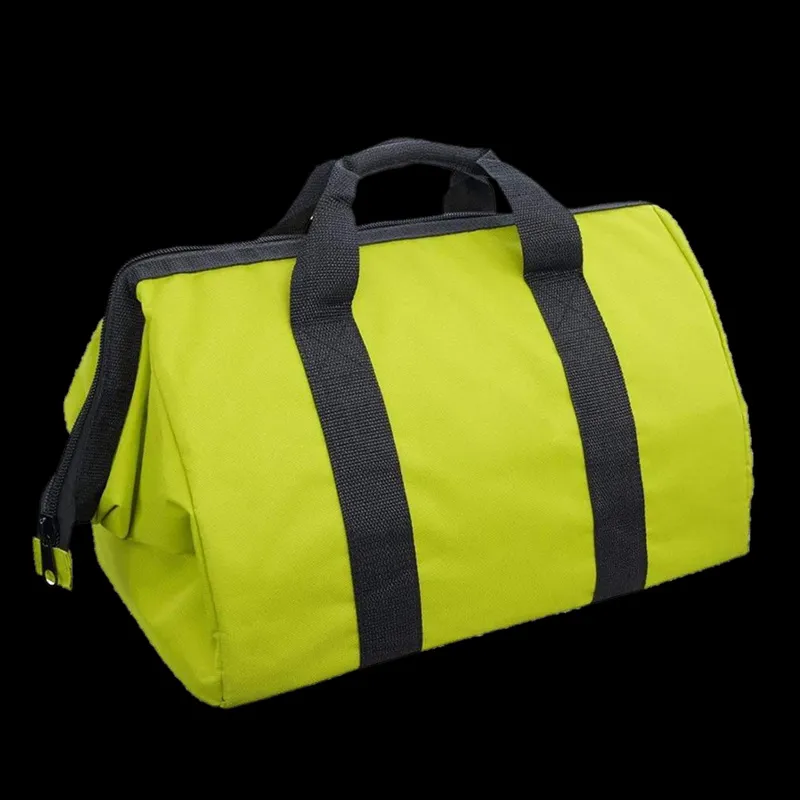
Bags go through the same stages, but the questions change. Instead of fit on a body, a bag sample is tested for how it carries, how much it holds, whether the laptop sleeve fits the devices it is designed for and how the straps sit on the shoulder. Hardware such as buckles, zippers and sliders is chosen and tested at sample stage, because changing it later affects the whole pattern. Many bag brands also load test samples with the weight the bag is meant to carry before approving them.
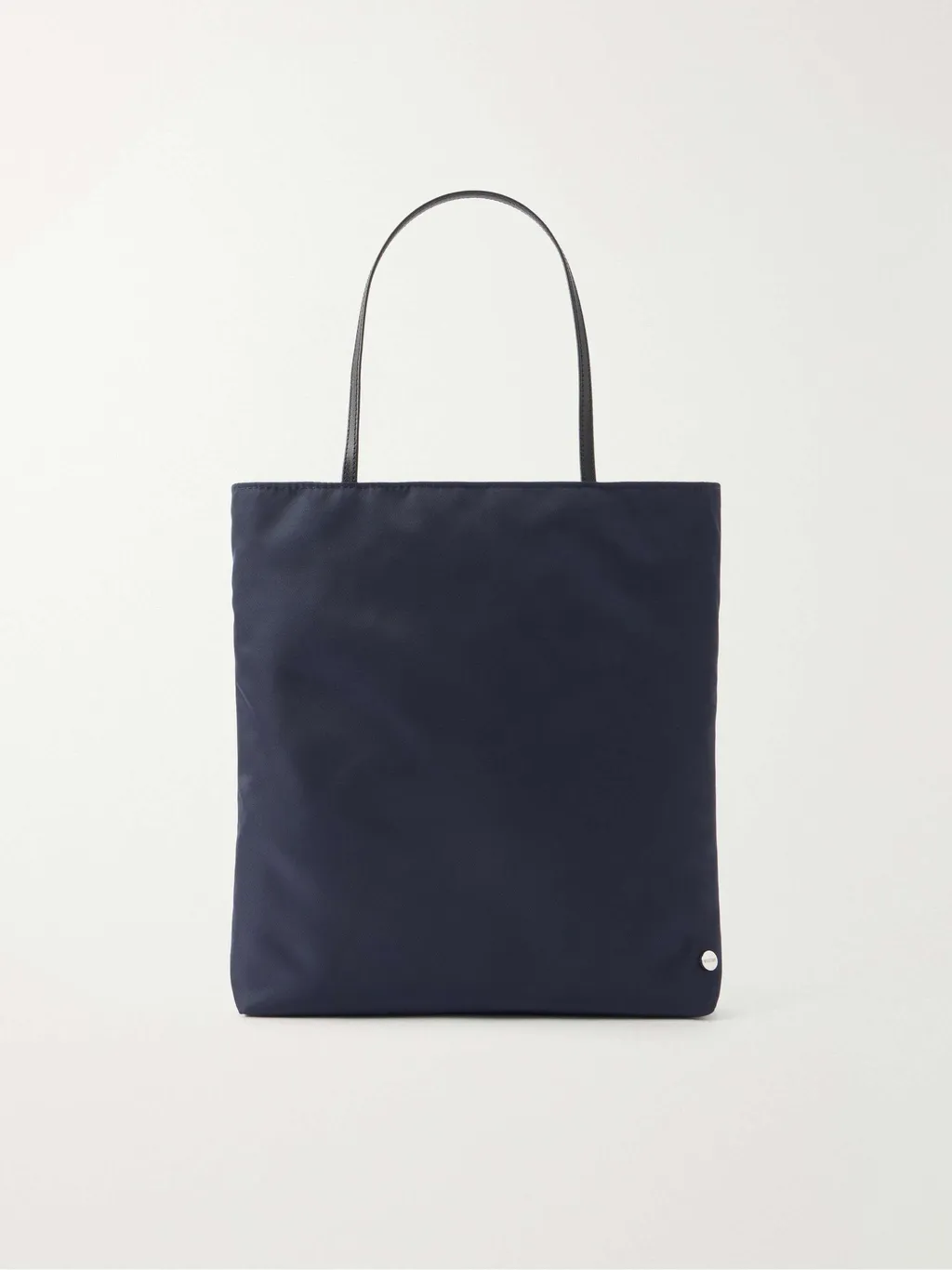
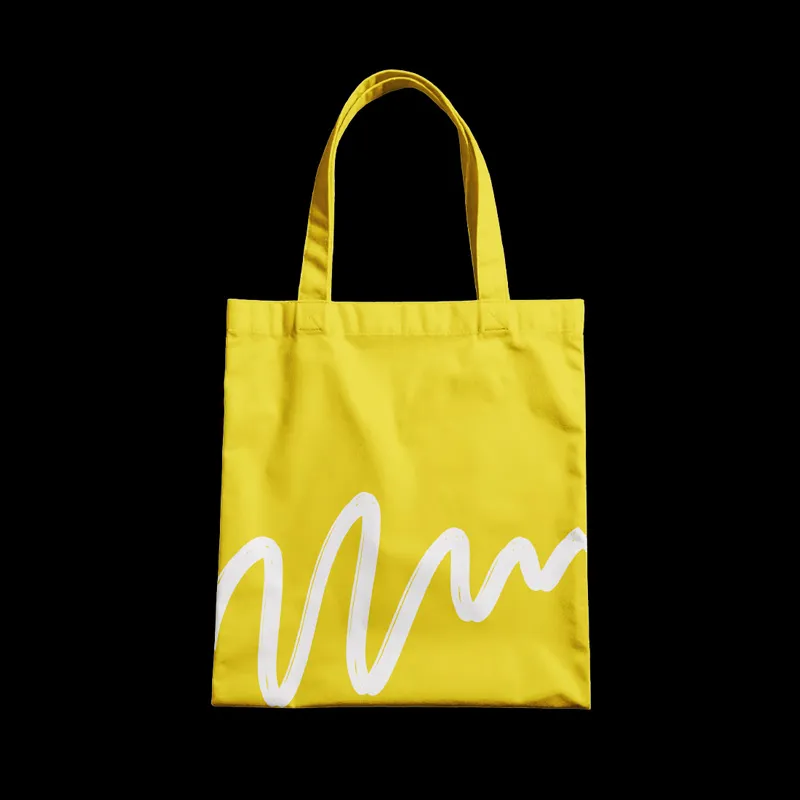
Sample Flat Tote Bag
Because bags have so many components, a good sample stage saves more money for a bag brand than for a simple garment. A strap anchor moved by two centimetres, a stiffer back panel or a different zipper size can all be fixed on one sample instead of on a whole order.
Conclusion
What is sample in garment industry terms? It is a physical version of a product made to test and approve the design before and during production. The usual path runs from proto sample to fit sample, size set, salesman sample, pre production sample and top of production sample. Each answers a different question, and the approved pre production sample becomes the standard for the whole order. For bags, samples also test how the product carries, what it holds and how its hardware performs.
Bola Bag has made backpacks, technical bags and totes in Ho Chi Minh City since 2015 for brands worldwide as an OEM and ODM partner, with sampling in 7 to 10 business days and production in 30 to 45 days. See how we work on our capabilities page, or send us your sketch or tech pack for a first sample and we will quote it honestly.
Read more: How to Start a Backpack Business: A Practical Framework for First-Time Founders


BOLA BAG's BLOG YOU MAY ALSO BE INTERESTED IN
What Is Spreading in Garment Industry? How Fabric Is Laid Before the First Cut
Find the Best Backpack Supplier for Your Business Needs
Bulk Sports Bags Manufacturing Solutions for Global Brands